














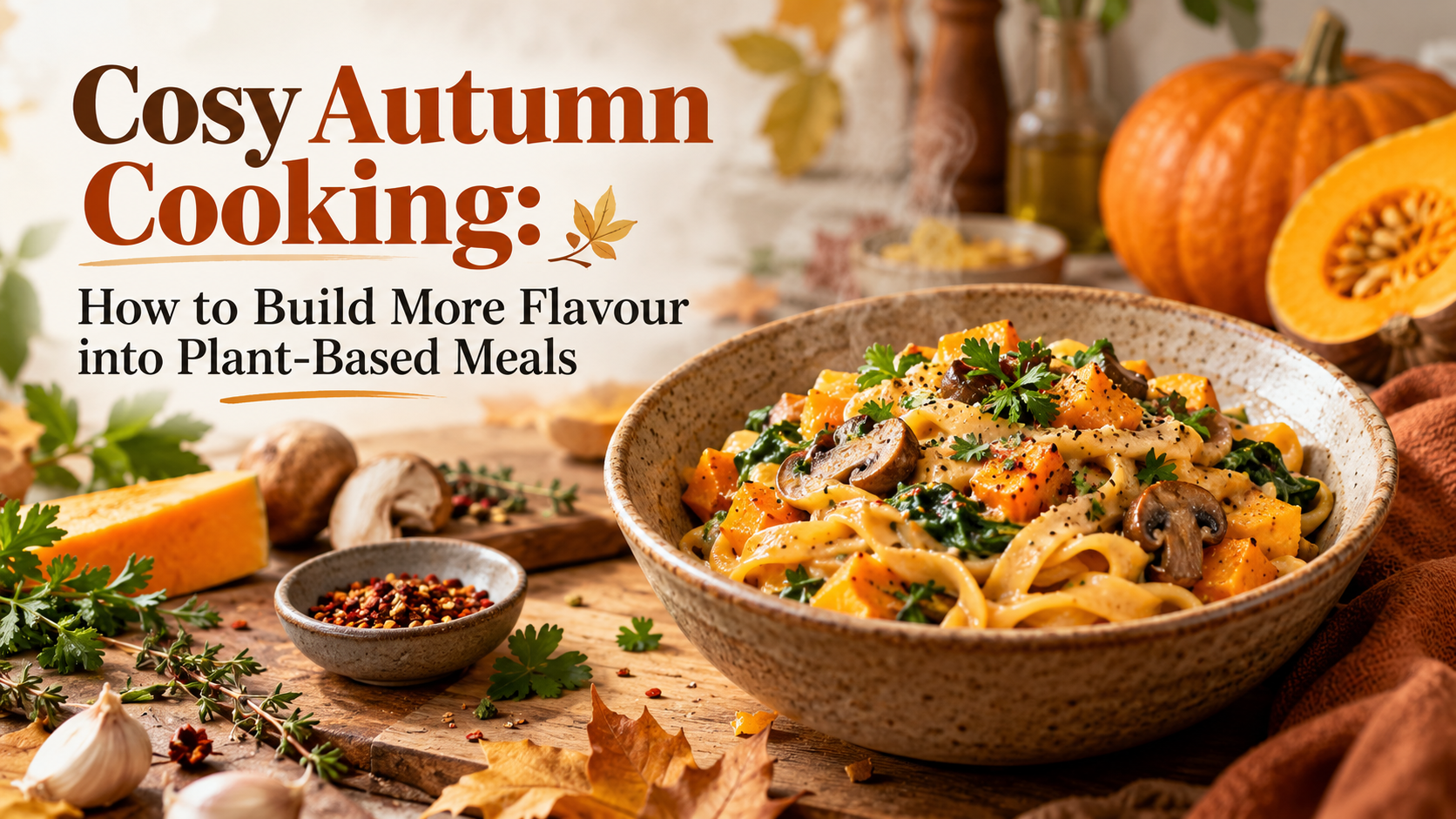
Cosy Autumn Cooking: How to Build More Flavour into Plant-Based Meals
Cosy Autumn Cooking: How to Build More Flavour into Plant-Based Meals
Autumn has a way of making simple ingredients feel more inviting. Roasted squash becomes sweeter and more deeply flavoured, mushrooms bring savoury richness, and warming herbs and spices can give an everyday meal a distinctly seasonal character. For plant-based cooking, these small details matter.
You do not need elaborate recipes or an abundance of ingredients to create satisfying plant based autumn recipes; you need to know how to build flavour as you cook. From slowly softened aromatics and well-roasted vegetables to rich sauces and contrasting textures, this guide explores practical ways to turn seasonal ingredients into comforting autumn dinner dishes with depth, warmth and plenty of character.
Flavour Foundation: How Do You Build More Flavour into Plant-Based Meals?
The best way to build flavour into plant-based meals is to develop it in layers rather than adding seasoning only at the end. Start with aromatics, develop colour through roasting or browning, add herbs and spices, then balance richness with freshness or texture.
Start with onions, garlic and other aromatics
Onions and garlic form the foundation of many savoury dishes, but the way you cook them matters. Gently cooking onions gives them time to soften and develop sweetness, while garlic can add a more savoury note when added at the appropriate stage.
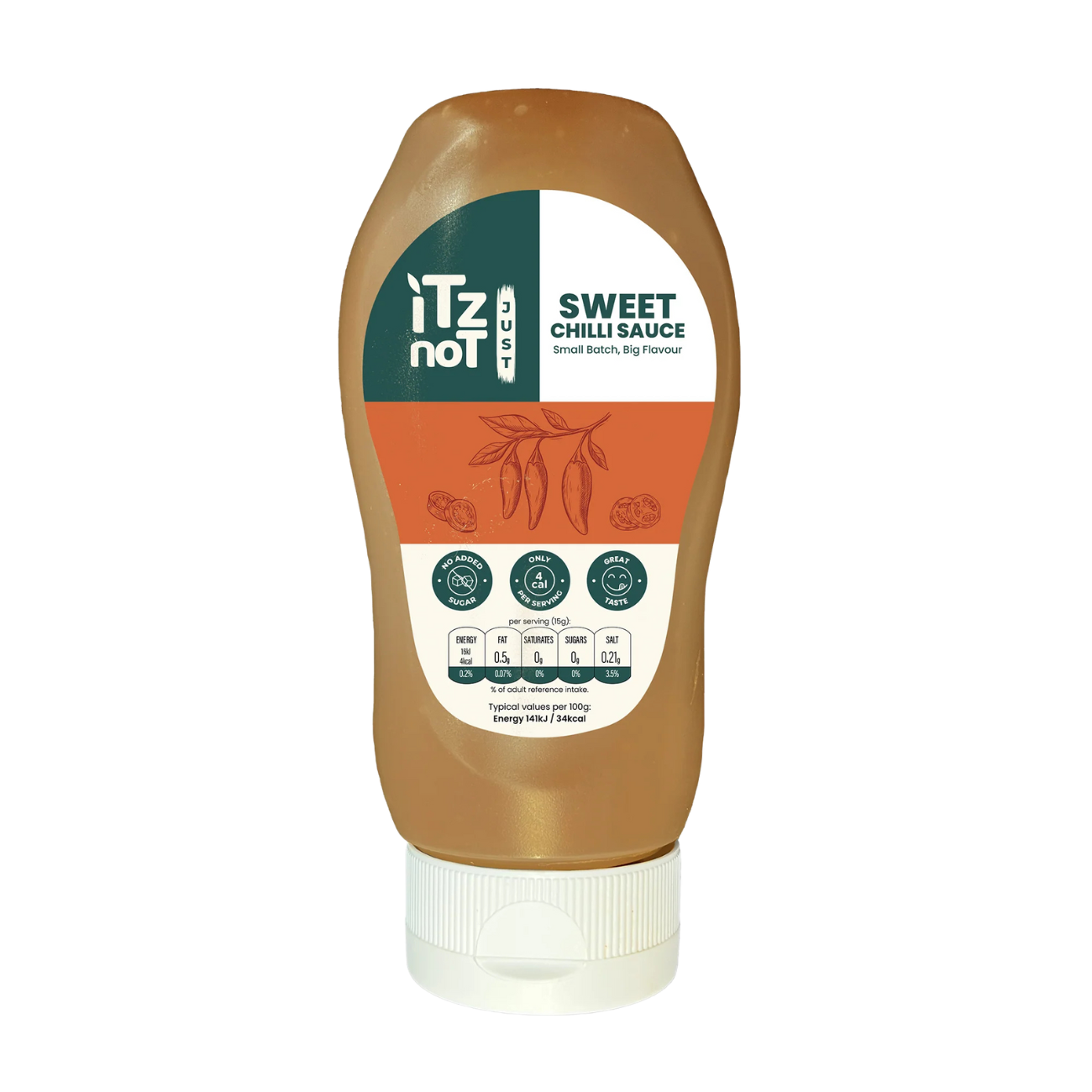
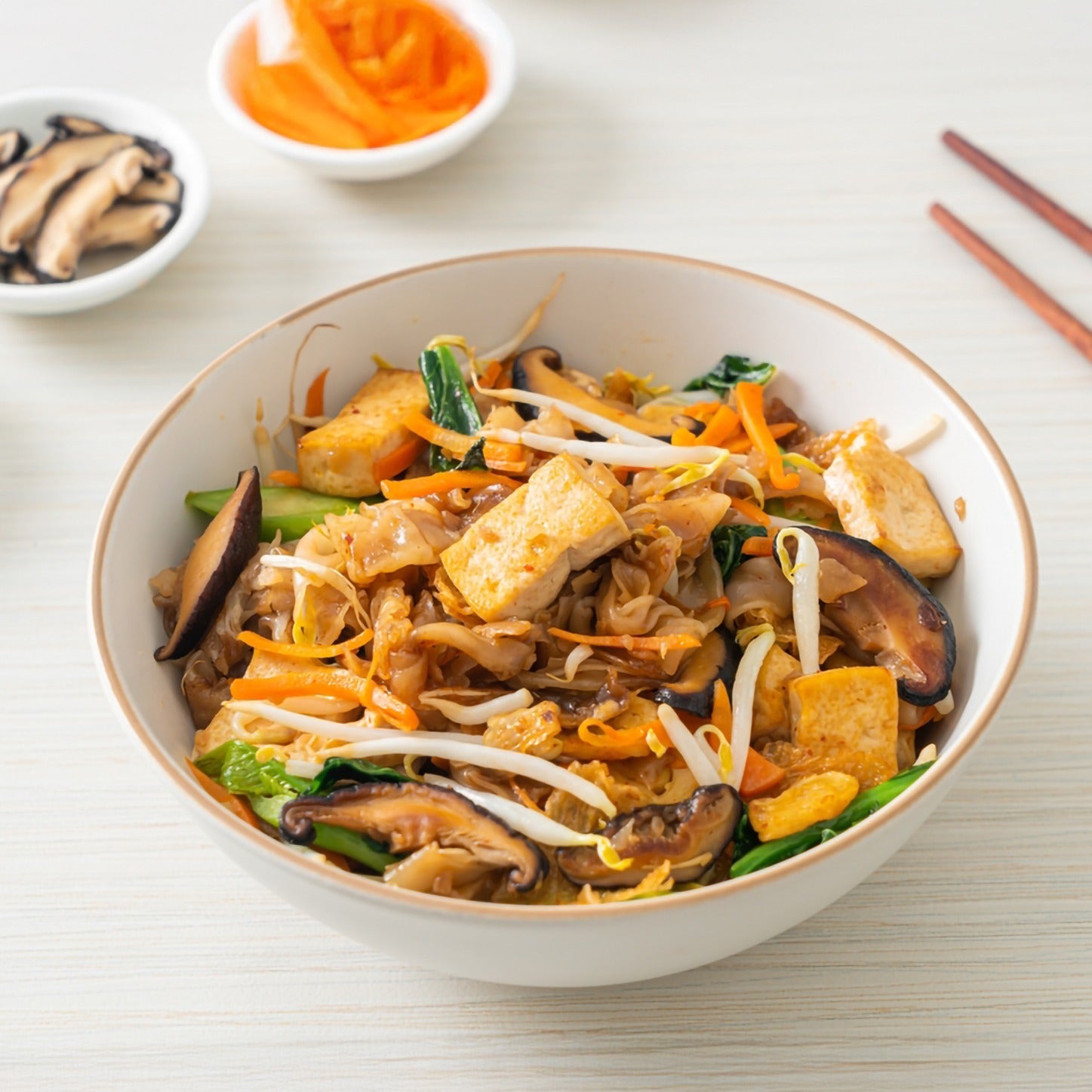
Ginger, spring onions, celery and carrots can also contribute different layers depending on the style of dish. This is useful when cooking with ingredients such as tofu, mushrooms or pulses, which benefit from a well-seasoned base. You can try flavour-packed tofu stir-fry, where aromatics, herbs, chilli and sauces work together to create a dish for autumn cooking.
Add umami for savoury depth
Umami is one of the five basic tastes and is associated with savoury, brothy and deeply seasoned flavours. In plant-based cooking, mushrooms, tomato puree, miso, soy sauce and nutritional yeast can all be useful ingredients, depending on the recipe. The aim is balance. A small amount of a strongly flavoured ingredient can give a vegetable-based sauce more depth without masking the character of the main ingredients.
Roasting: The Simplest Way to Add Depth to Seasonal Vegetables
Roasting is one of the simplest ways to intensify the flavour of seasonal vegetables. It exposes the surface of foods to dry heat, encouraging browning and creating a more concentrated, savoury character.
Roast vegetables until properly browned
Autumn provides plenty of vegetables that work beautifully in the oven, including butternut squash, pumpkin, sweet potatoes, carrots, cauliflower and Brussels sprouts. These ingredients feature prominently across autumn plant-based recipe collections.
For better roasting:
-
Heat the oven to 200°C (180°C fan) and preheat the tray if you can.
-
Cut vegetables into similar-sized pieces so they cook at the same rate.
-
Pat vegetables dry and coat them in 1–2 tbsp oil per tray.
-
Season before cooking and leave space between pieces, so they roast rather than steam.
-
Wait for deep golden edges, not just tenderness.
|
Vegetable |
Approx. time at 200°C (180°C fan) |
|
Butternut squash / pumpkin |
25–35 minutes |
|
Sweet potato |
30–40 minutes |
|
Carrot |
30–40 minutes |
|
Cauliflower |
25–35 minutes |
|
Brussels sprouts |
25–35 minutes |
|
Mushrooms |
15–20 minutes |
|
Beetroot |
40–50 minutes |
Which spices work well in autumn cooking?
Warming spices can change the character of a dish. Cumin works well with roasted carrots and chickpeas; smoked paprika can add a savoury, smoky note; ginger and chilli bring warmth to noodles and broths; while cinnamon, nutmeg and mixed spice suit sweeter autumn preparations.
Can You Use Autumn Flavours in Baking?
Yes. The same principles apply: roast or cook down seasonal produce, then use spices to bring warmth.
Sweet autumn baking ideas
Roasted pumpkin or squash puree adds moisture and natural sweetness to loaves and muffins. Cinnamon, nutmeg and mixed spice suit apple traybakes and crumbles. For egg-free baking, mashed banana, apple puree or a flax "egg" (1 tbsp ground flaxseed mixed with 3 tbsp water) can bind many cakes and muffins.
Savoury autumn baking ideas
Roasted vegetable and herb scones, mushroom and thyme turnovers, and squash and sage tarts use the same flavour-building logic as the main dishes.
How Can You Make Plant-Based Sauces Rich and Creamy?
A good sauce can turn a simple combination of vegetables and a staple ingredient into a complete-feeling meal.
Balance richness with seasoning
A creamy sauce needs more than richness. Lemon juice, vinegar or another acidic ingredient can provide contrast, while herbs and spices prevent the sauce from tasting one-dimensional. Roasted squash can be blended into a sauce for pasta, while mushrooms can form the basis of a deeply savoury sauce. Tomato-based sauces can also become more complex when aromatics are cooked before the tomatoes are added.
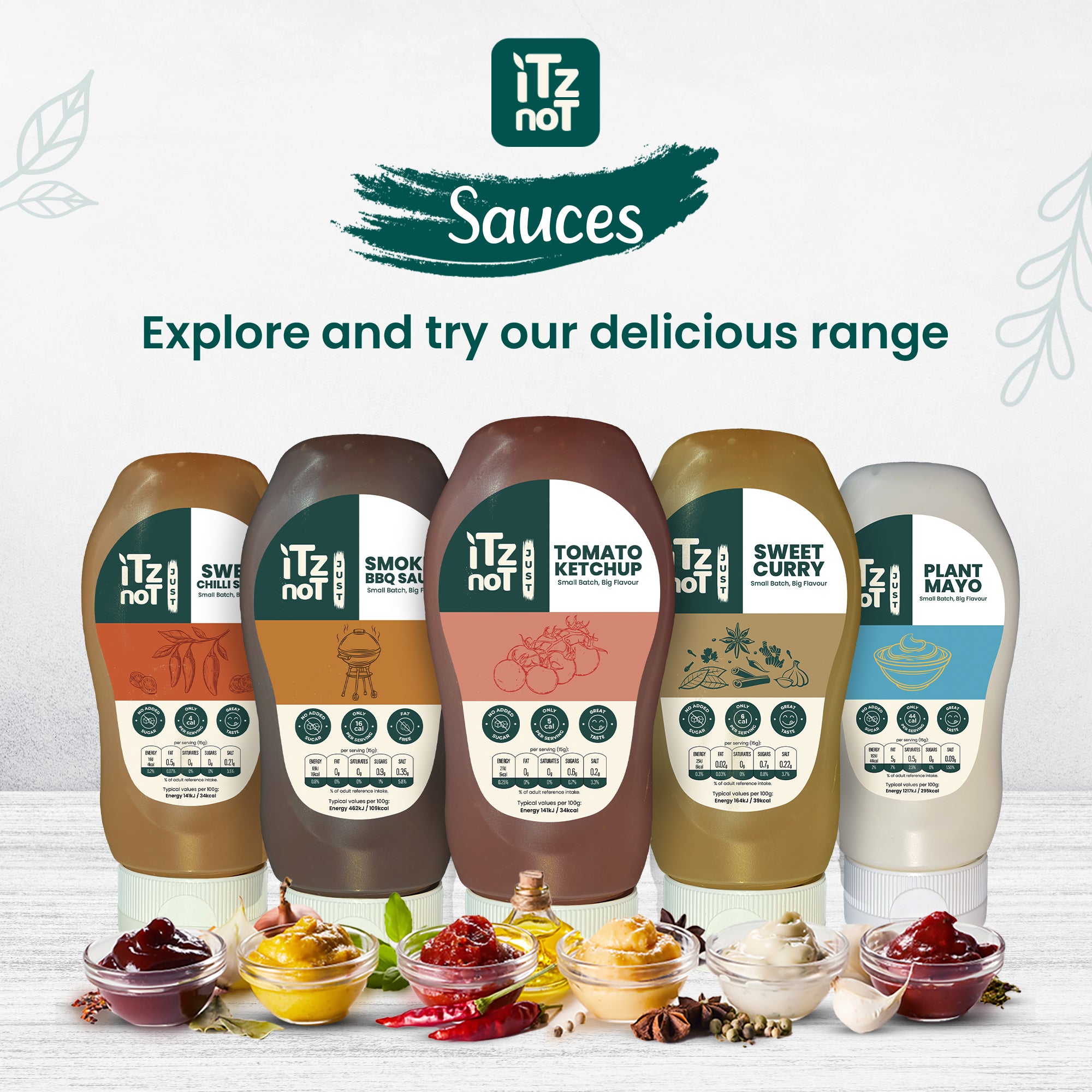
For dishes that benefit from a cool, creamy element, a small amount of creamy plant-based mayo can work as a dressing, dip or finishing component. The mayo sauce is suitable for sandwiches, salads and dips, making it more useful as a supporting element of your meal.
How Can Seasonal Vegetables Become Plant-Based Comfort Food?
The combination of seasonal vegetables, sauce, herbs, spices and a suitable cooking method can create deeply satisfying autumn dishes.
Roast squash, mushrooms, aubergine or cauliflower before adding them to a tomato-based pasta bake. Roasting first gives the vegetables another layer of flavour and prevents the dish from tasting like a collection of boiled ingredients. Lasagne is another natural autumn format because it allows vegetables, sauce and herbs to develop together during baking. For a convenient layered dish, lasagne pasta can be paired with roasted vegetables, mushrooms and a rich tomato sauce.
Try Roasted Squash and Mushroom Pasta
This recipe puts the flavour-building into one dish.
Ingredients
-
600g butternut squash, peeled and cut into cubes
-
250g chestnut mushrooms, quartered
-
3 tbsp olive oil
-
1 tsp smoked paprika
-
1 large onion, finely chopped
-
3 garlic cloves, crushed
-
1 tbsp tomato puree
-
1 tbsp white miso (or 1 tbsp soy sauce)
-
400g tin chopped tomatoes
-
200ml vegetable stock
-
1 tsp dried thyme
-
300g pasta
-
Juice of ½ lemon
-
3 tbsp toasted pumpkin seeds and a handful of chopped parsley, to serve
-
Salt and black pepper
Method
Step 1: Heat the oven to 200°C (180°C fan/gas 6). Toss the squash with 2 tbsp olive oil, the smoked paprika and a pinch of salt on a large tray. Roast for 30–35 minutes, turning halfway.
Step 2: Add the mushrooms to the tray for the final 15–20 minutes so they brown without drying out.
Step 3: Meanwhile, soften the onion in 1 tbsp olive oil over a medium-low heat for 8–10 minutes. Add the garlic for the last minute.
Step 4: Stir in the tomato puree and miso and cook for 1 minute. Add the tomatoes, stock and thyme, then simmer for 15 minutes.
Step 5: Blend a third of the roasted squash into the sauce for a creamy texture, then stir in the remaining squash and mushrooms.
Step 6: Cook the pasta according to the packet. Reserve a mug of cooking water, drain, then toss the pasta with the sauce, loosening with the cooking water if needed.
Step 7: Finish with the lemon juice, black pepper, pumpkin seeds and parsley.
How Can Noodles and Rice Make Autumn Meals More Versatile?
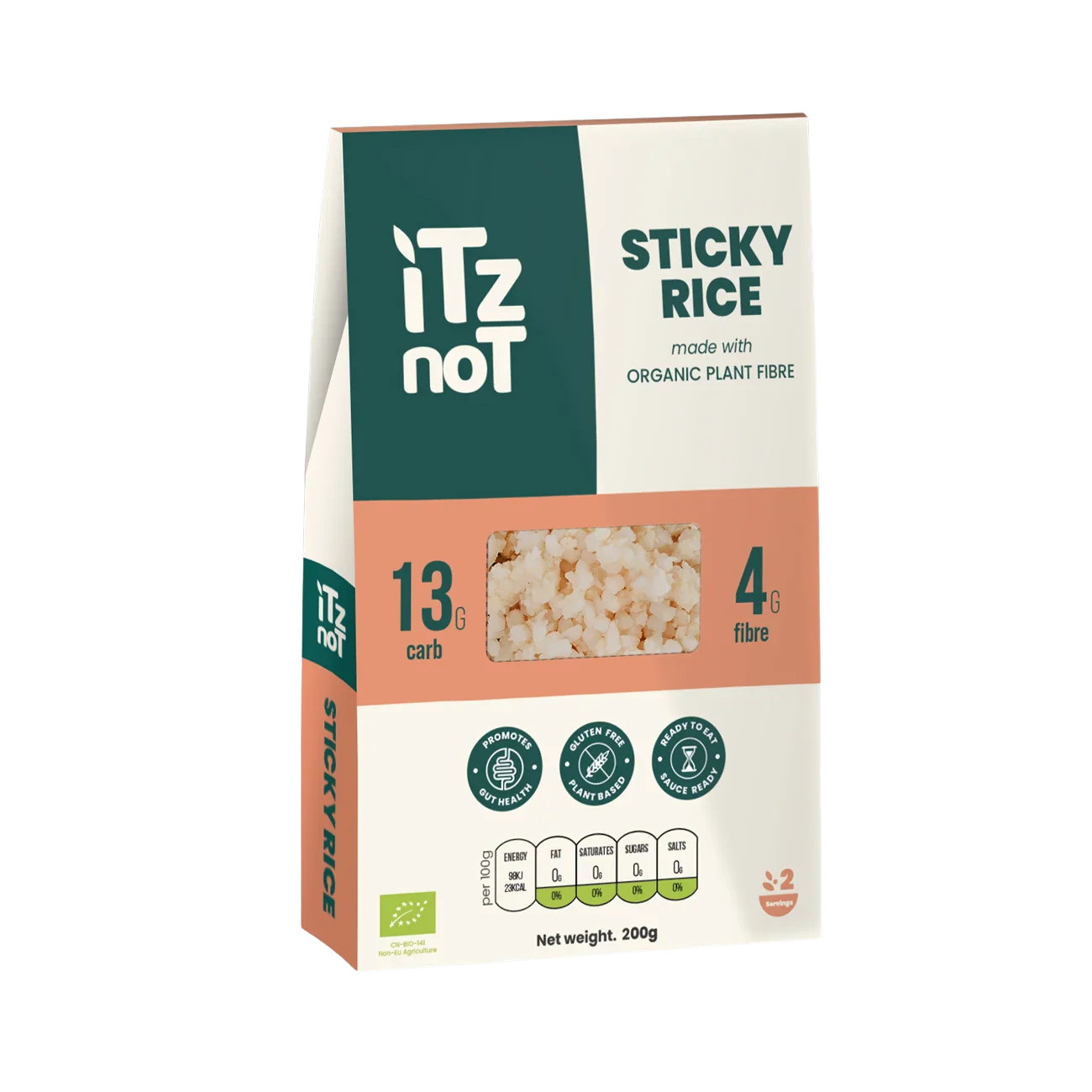
A good flavour base can be used across several meal formats. Once you have roasted vegetables and a well-seasoned sauce, changing the base from rice to noodles or pasta can create a different dish.
Noodles work particularly well with:
-
Roasted mushrooms and ginger
-
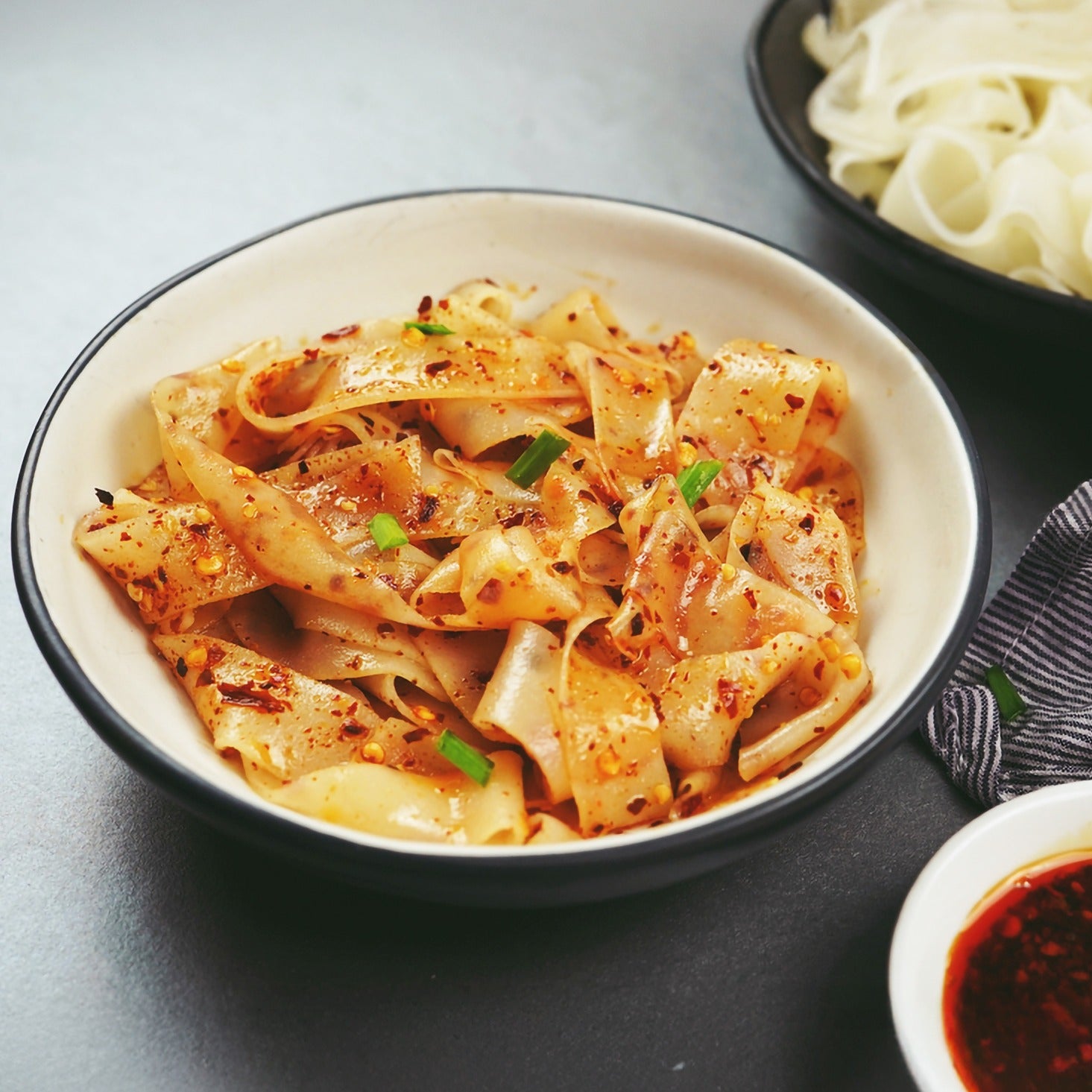
Chilli and garlic sauces
-
Vegetable stir-fries
-
Brothy soups
-
Tofu and fresh herbs
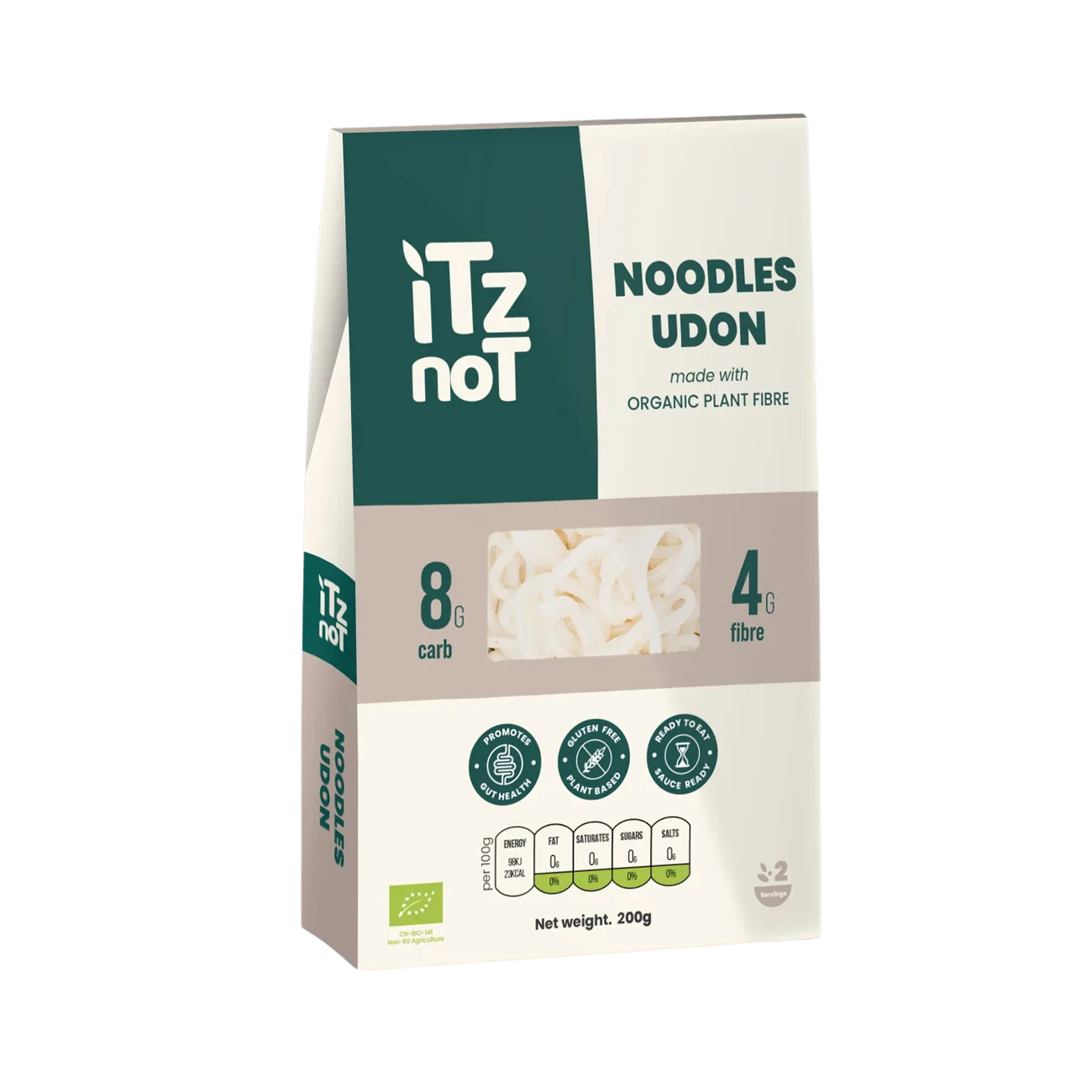
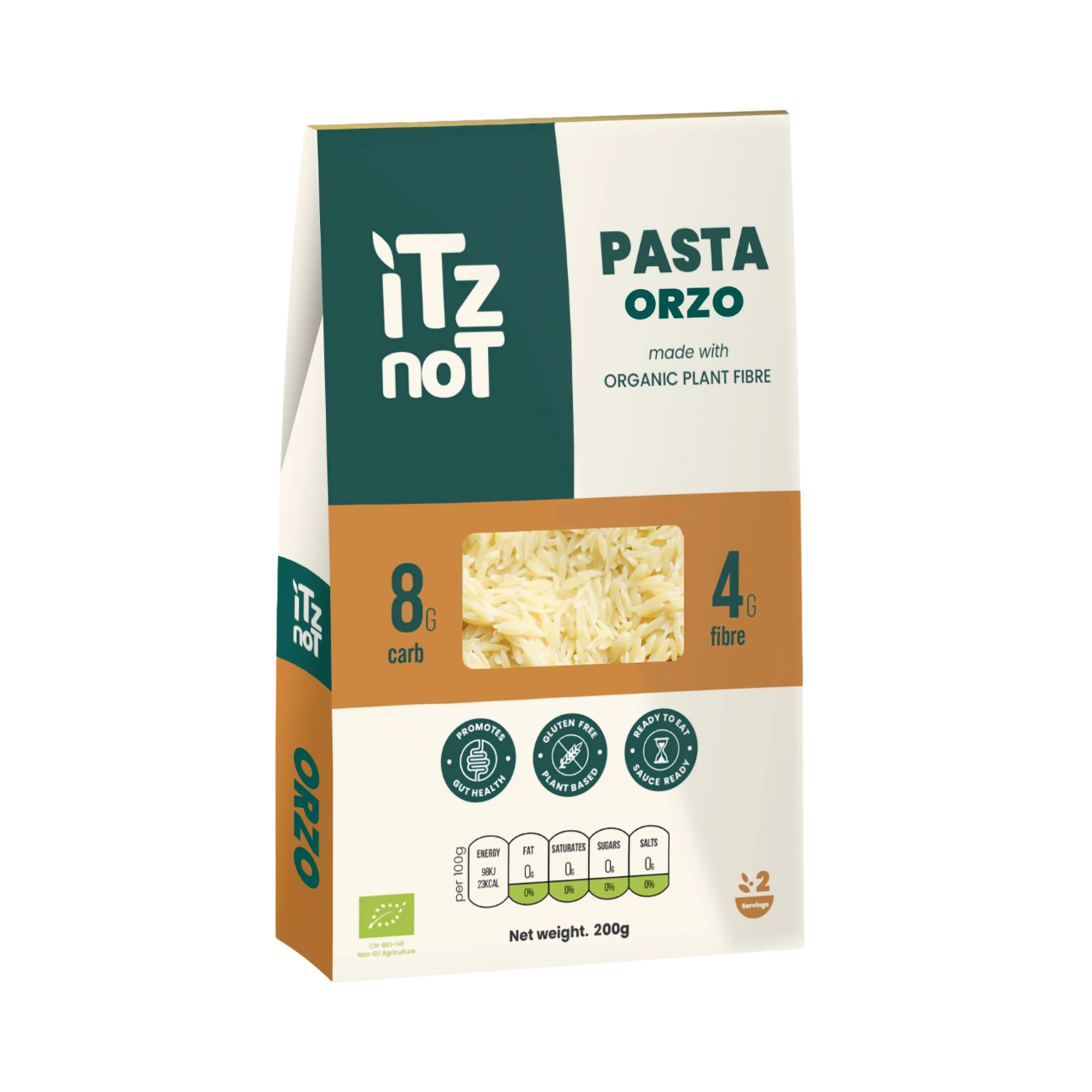
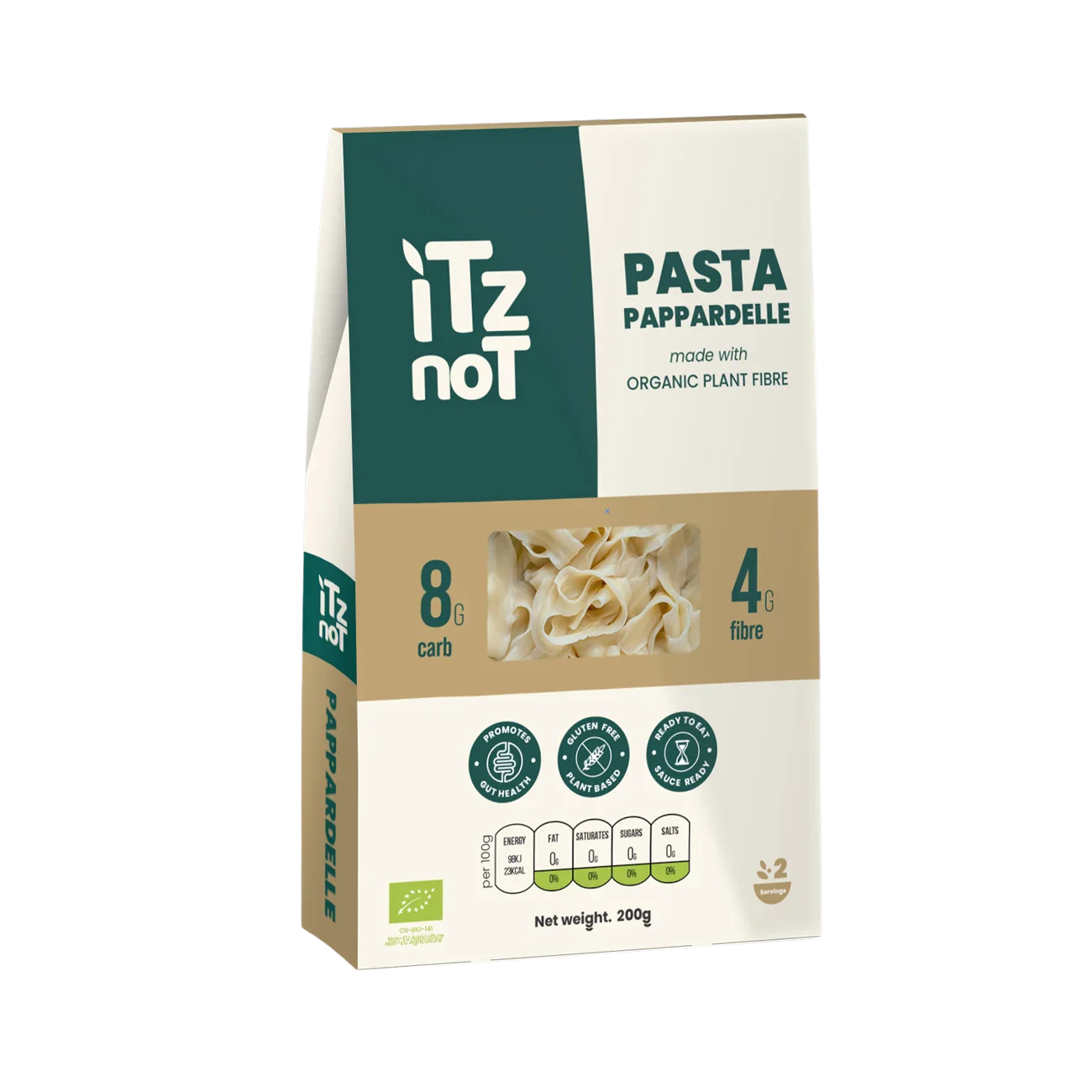
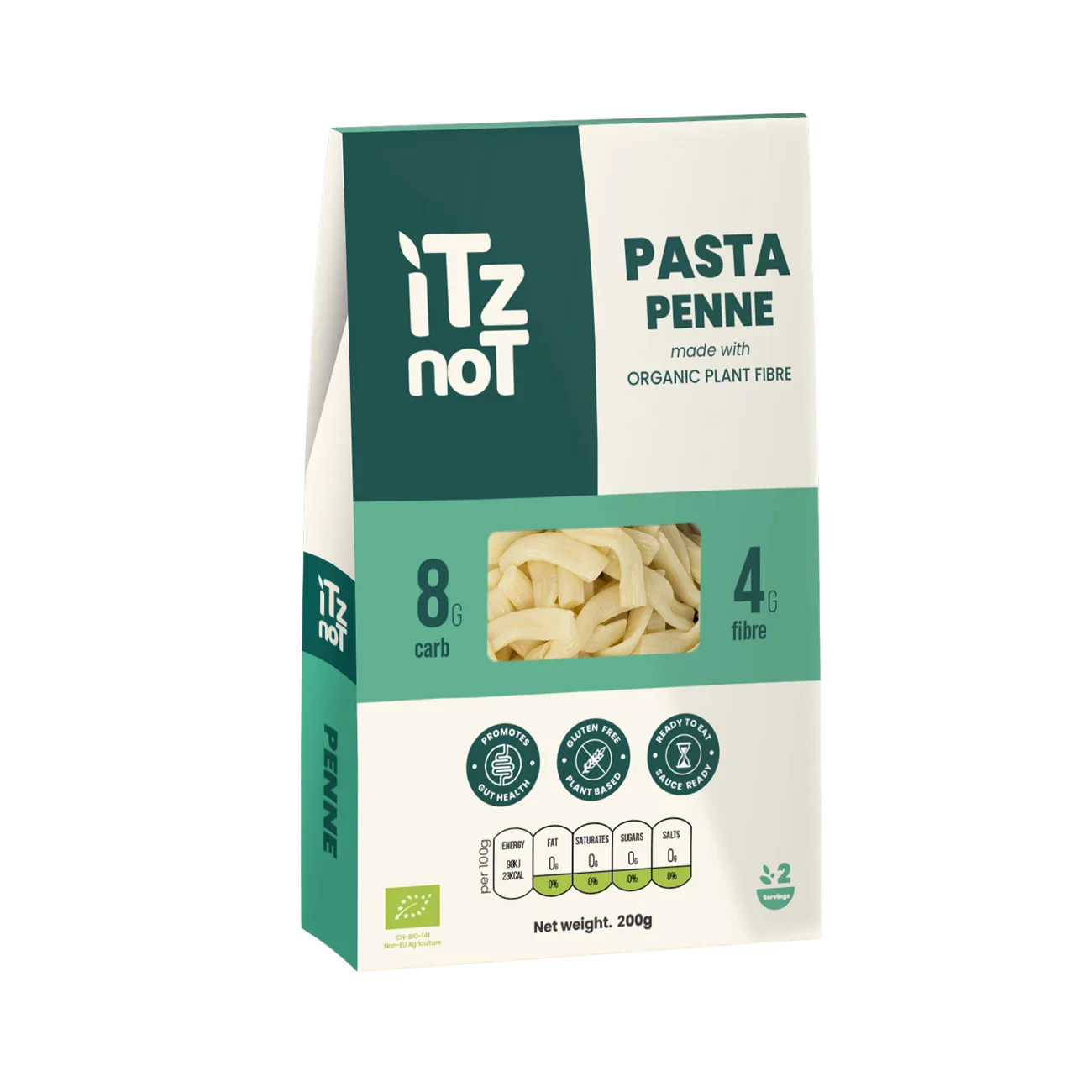
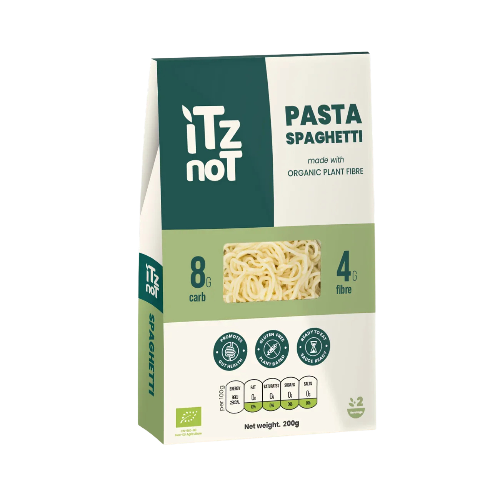
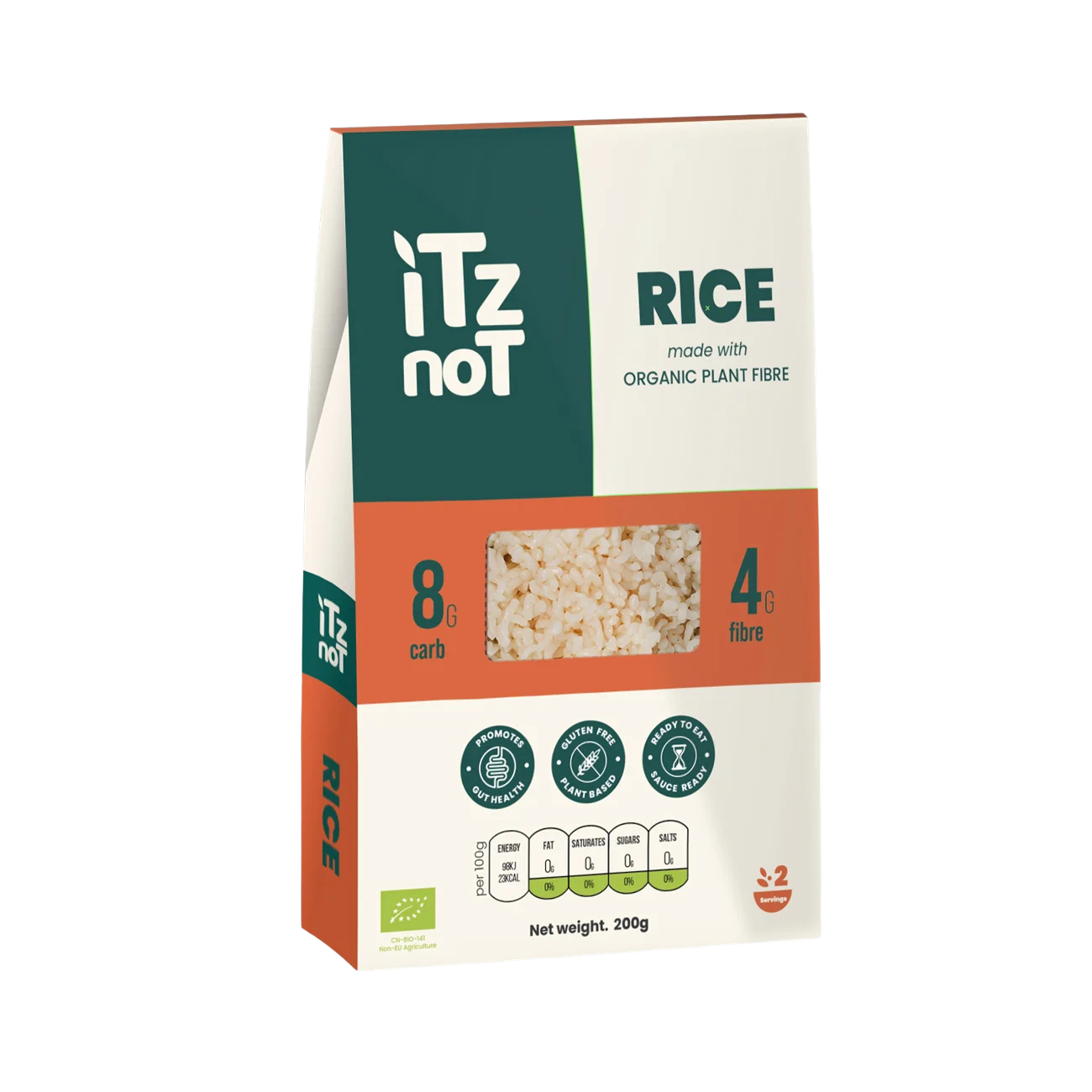
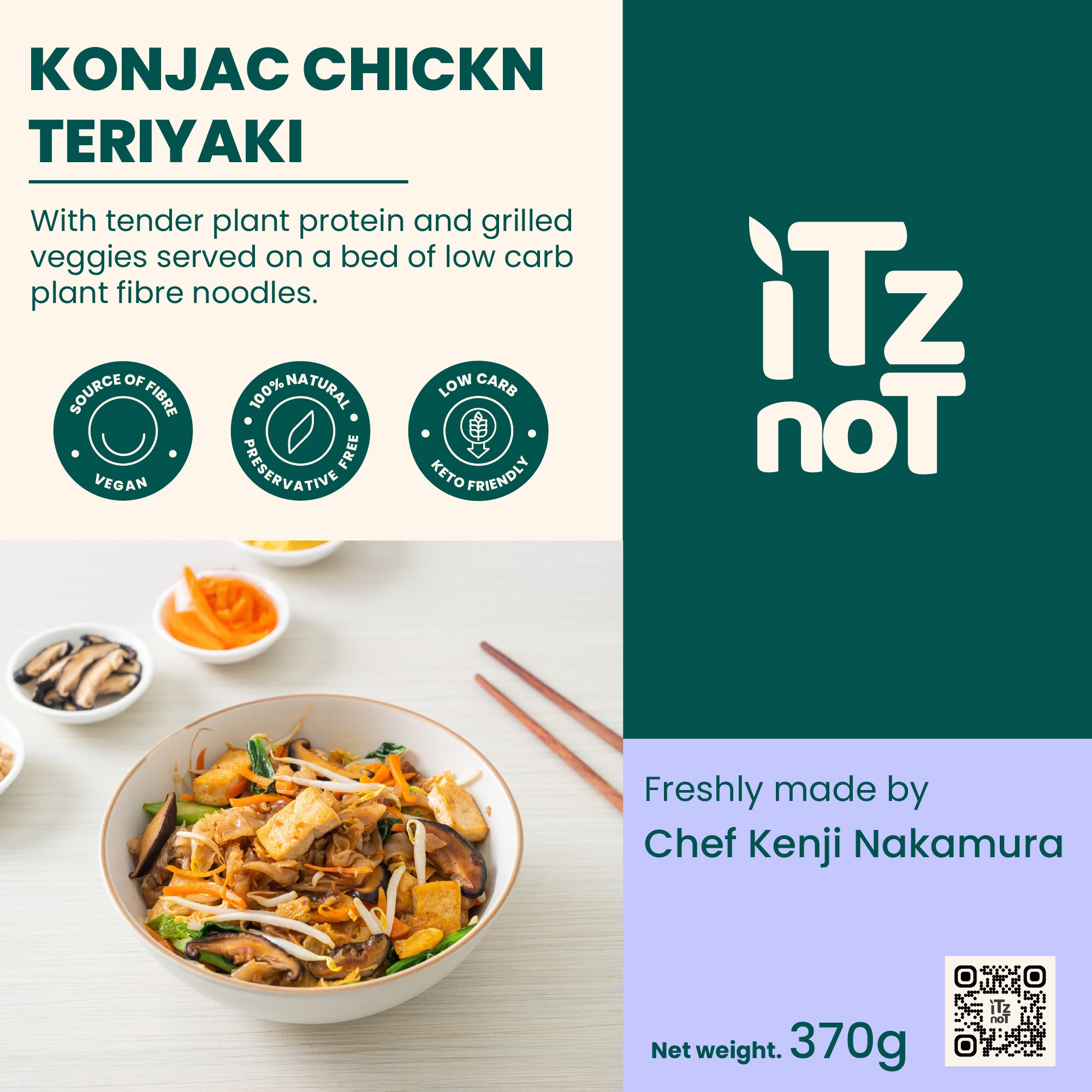
You can also check konjac noodle recipe ideas, which demonstrate different ways noodles can be combined with vegetables, tofu, soups and stir-fry ingredients. And if you are looking for different formats to pair with sauces, vegetables and seasonings, explore ItzNot's plant-based pasta and noodle range.
What Is the Simplest Formula for Better Plant-Based Autumn Recipes?
If you want a simple method of cooking, build every meal around six elements:
1. Start with aromatics – onions, garlic, ginger or another flavour base.
2. Add depth – mushrooms, tomato, miso or another savoury ingredient.
3. Brown or roast something – develop colour and a deeper cooked flavour.
4. Season in layers – herbs, spices and seasoning should complement the ingredients.
5. Add contrast – think creamy, crisp, fresh, acidic or crunchy.
6. Choose your base – finish with noodles, rice, pasta or another suitable staple.
Conclusion
The most useful lesson from autumn cooking is simple: flavour comes from technique as much as ingredients. Take time with your aromatics, give vegetables enough heat to brown, use spices with intention and think about texture as carefully as seasoning. Once you understand those principles, plant based autumn recipes become easier to adapt. A roasted vegetable mixture can become a pasta bake, noodle bowl, soup or rice dish simply by changing the sauce and base. The result is cooking that feels warm and satisfying.
FAQs
What makes plant-based autumn meals more flavourful?
Layering flavour is the key. Start with well-cooked aromatics, develop colour through roasting or browning, season with appropriate herbs and spices, then balance the finished dish with acidity, freshness or contrasting textures.
What are some easy plant based autumn recipes for weeknights?
Noodle stir-fries, roasted vegetable bowls, soups, stews, pasta dishes and traybakes are all adaptable formats. You can vary the vegetables, sauce and seasoning while keeping the basic cooking method the same.
Which vegetables work well in autumn vegan dishes?
Pumpkin, butternut squash, sweet potatoes, carrots, cauliflower, Brussels sprouts, beetroot and mushrooms are all commonly featured in autumn plant-based recipes. Seasonal availability varies across the UK, so local produce and supermarket availability can guide your choices.

Related post
12
Sep
26
Aug
RECENT POSTS
28.September.2026
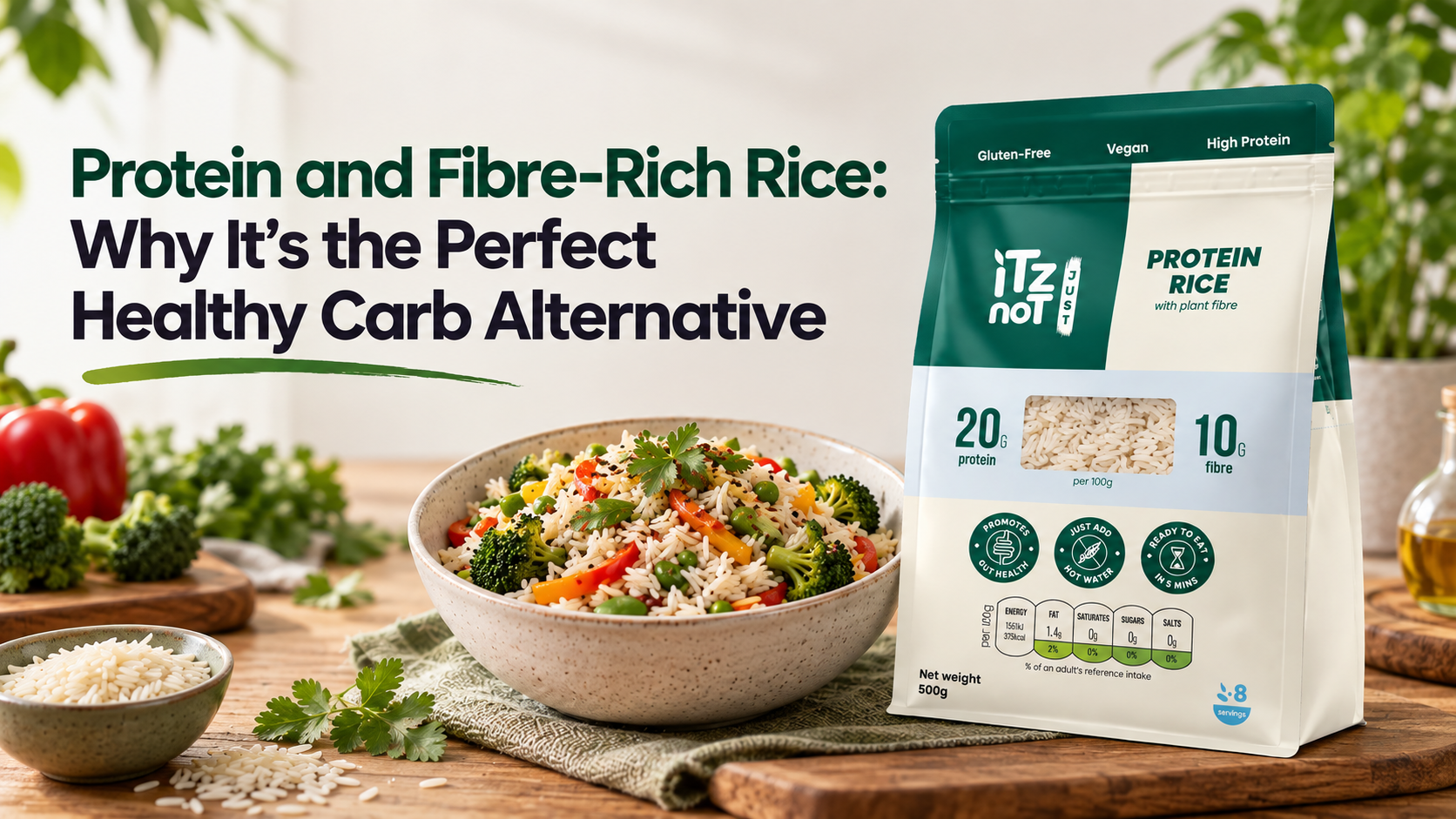
Protein and Fibre Rich Rice: Why It’s the Perfect Healthy Carb Alternative
0 Comments