










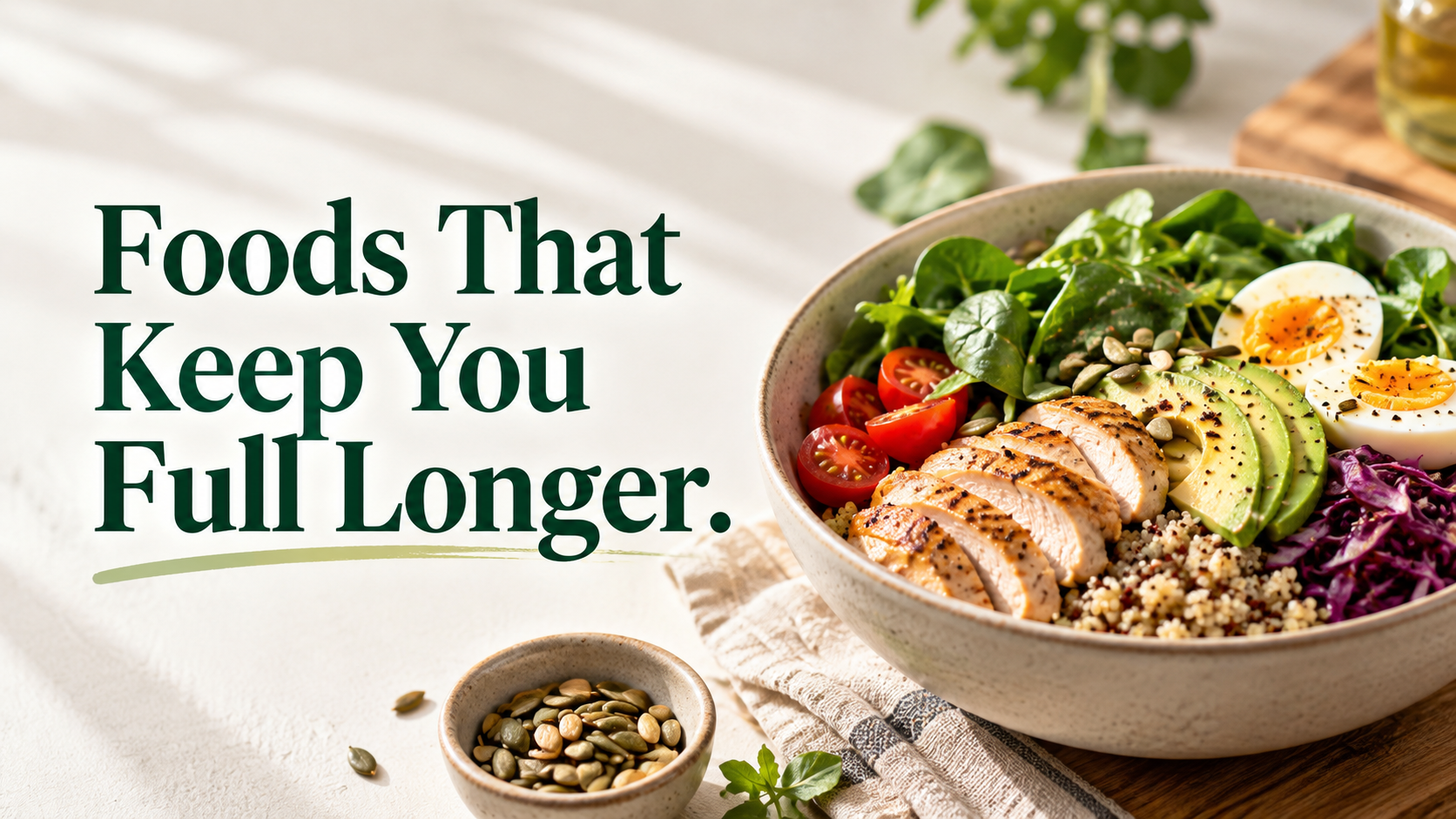
Foods That Keep You Full Longer
Foods That Keep You Full Longer
Feeling hungry again shortly after a meal can make it difficult to stay satisfied throughout the day. Some foods are naturally more filling than others. Foods that keep you full longer tend to provide protein, fibre, plenty of volume, or a combination of these helps to make meals more satisfying.
From eggs and Greek yoghurt to lentils, oats, vegetables and whole grains, there are plenty of nutritious options to choose from. Protein can increase short-term feelings of fullness, while fibre-rich foods and foods with a higher water content can also influence satiety. However, there is not one type of food that keeps everyone full for a set amount of time. How satisfied you feel depends on the foods you eat, how they are combined and your individual appetite.
What Makes a Food Filling?
Before looking at individual foods, let’s understand what does it mean by fullness. Satiation refers to the feeling that develops during a meal and contributes to stop eating. Satiety describes the suppression of hunger after eating and before the next eating occasion. They are related, but they are not quite the same thing.
Several characteristics of food can influence satiety. Protein is one of the best-studied dietary factors, while fibre, water content, food volume, structure and energy density can also affect how satisfying a meal feels.
That is why a satisfying meal is usually about composition rather than relying on a single nutrient. By combining ingredients that leverage protein, fibre, volume, and structure, you can create meals that manage hunger more effectively. Below is a quick reference guide to 10 nutrient-rich options.
10 Foods That Can Help Keep You Full Longer
1. Eggs
Eggs are a convenient source of protein and can work well as part of a balanced breakfast or lunch. Protein intake has found that acute consumption of protein can reduce hunger and increase feelings of fullness and satiety. However, it does not mean that eating a particular protein-rich food will keep everyone satisfied for the same length of time. You can try scrambled eggs with wholegrain toast and vegetables for a substantial meal.
2. Oats
Oats are among the more useful high fibre foods to build into breakfast. They provide fibre and can form a meal when prepared with milk or yoghurt and topped with fruit. Research on cereal fibre suggests that some sources like oat and rye fibres, may have favourable effects on appetite and satiety. A bowl of oats with berries, yoghurt and seeds can therefore be a practical way to combine several satisfying food components.
3. Lentils and Other Pulses
Lentils, chickpeas, beans and peas deserve a place on a list of foods that keep you full. Pulses provide protein and fibre, when building a satisfying plant-based meal. Pulse consumption was associated with greater satiety compared with control foods. You can add lentils to soups, chickpeas to salads or beans for a meal with more substance.
4. Potatoes
Potatoes are sometimes overlooked in conversations about filling foods, yet their high water content and relatively low energy density when prepared simply can contribute to meal volume.
A satiety study discussed in a review of food volume found substantial differences in satiety between foods, with boiled potatoes producing high satiety response in that study. This should not be interpreted as meaning potatoes are universally the “most filling food”; preparation, portion size and the rest of the meal still matter. Boiled or baked potatoes with a protein source and vegetables make a balanced meal.
5. Greek Yoghurt
Plain Greek yoghurt can provide protein while also being versatile enough for breakfast, snacks or dessert-style meals. For variety, combine it with oats, berries, nuts or seeds. The result is more than a protein-rich food. It is a combination of protein, fibre and other nutrients from the accompanying ingredients. Choosing the whole meal rather than focusing on one nutrient is a useful principle when looking for healthy filling foods.
6. Vegetables
Vegetables can make meals more substantial without needing large amounts of energy. Their water and fibre content contributes to food volume, while they provide vitamins, minerals and other nutrients. Broccoli, cauliflower, carrots, peppers, courgettes and leafy greens can all be incorporated into your everyday meals.
7. Whole Fruit
Whole fruit can be a satisfying choice because it provides water, fibre and naturally occurring sugars within the structure of the whole food. Apples, pears, oranges and berries are easy options for breakfast, snacks or alongside a meal. Whole fruit is also preferable to fruit juice when the aim is to retain the fibre and structure of the fruit.
8. Nuts and Seeds
Nuts and seeds provide protein, fibre and predominantly unsaturated fats, which act as an useful additions to yoghurt, porridge, salads and meals. They are also energy-dense, so a sensible portion matters. A small amount of nuts or seeds can add texture and nutritional value to an otherwise simple meal, while making it more satisfying and interesting.
9. Whole Grains
Wholegrain bread, oats, barley, rye, brown rice and wholewheat pasta provide fibre alongside carbohydrates and other nutrients. Wholegrains retain the bran and germ that are removed during the refining of many white cereal products. The British Dietetic Association recommends choosing wholegrain varieties as part of a healthy diet and notes that their fibre content can contribute to fullness.
Importantly, carbohydrates do not need to be eliminated to manage appetite effectively. They are an important source of energy, and fibre-rich carbohydrate foods can form part of balanced meals.
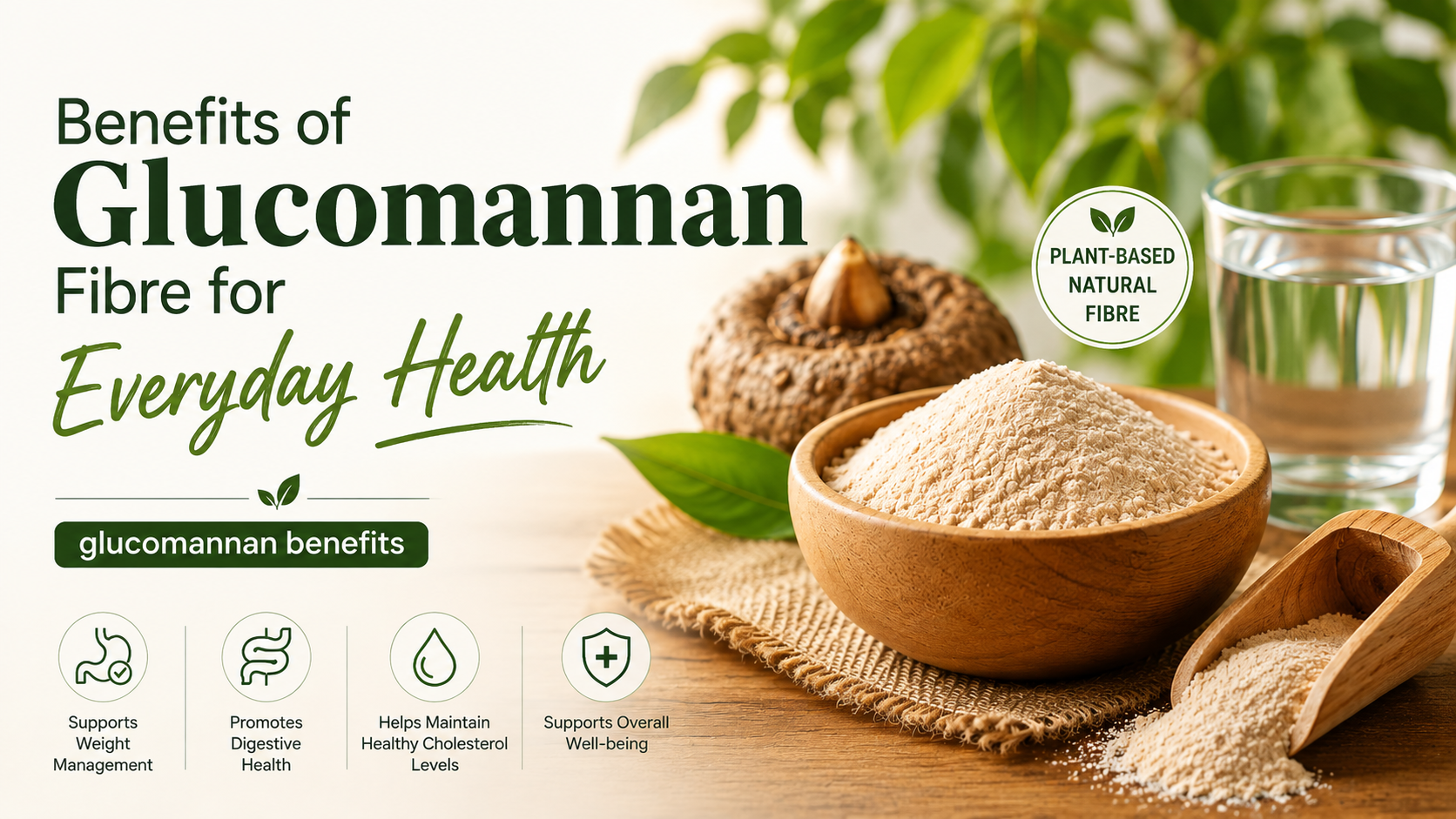
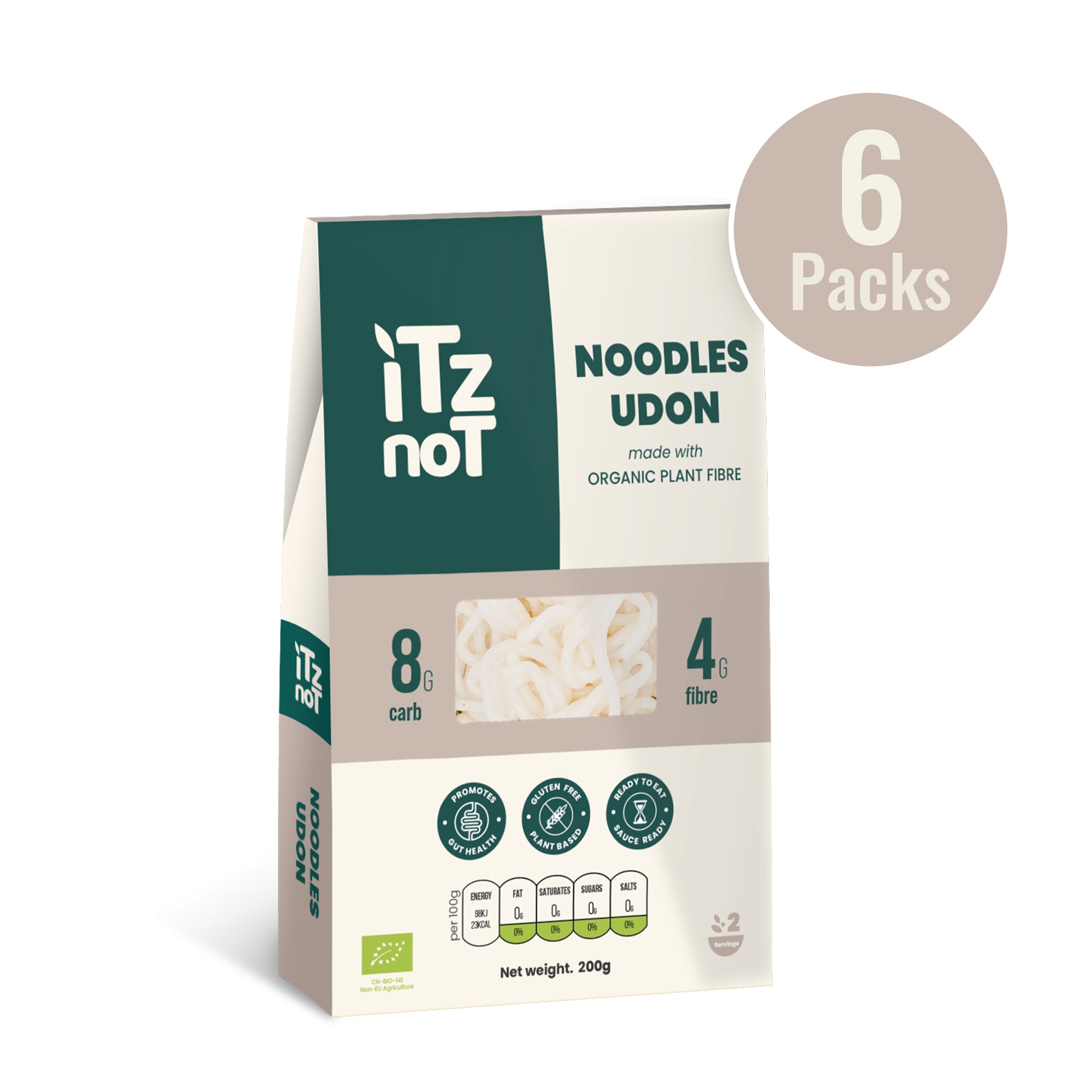
10. Konjac and Glucomannan-Rich Foods
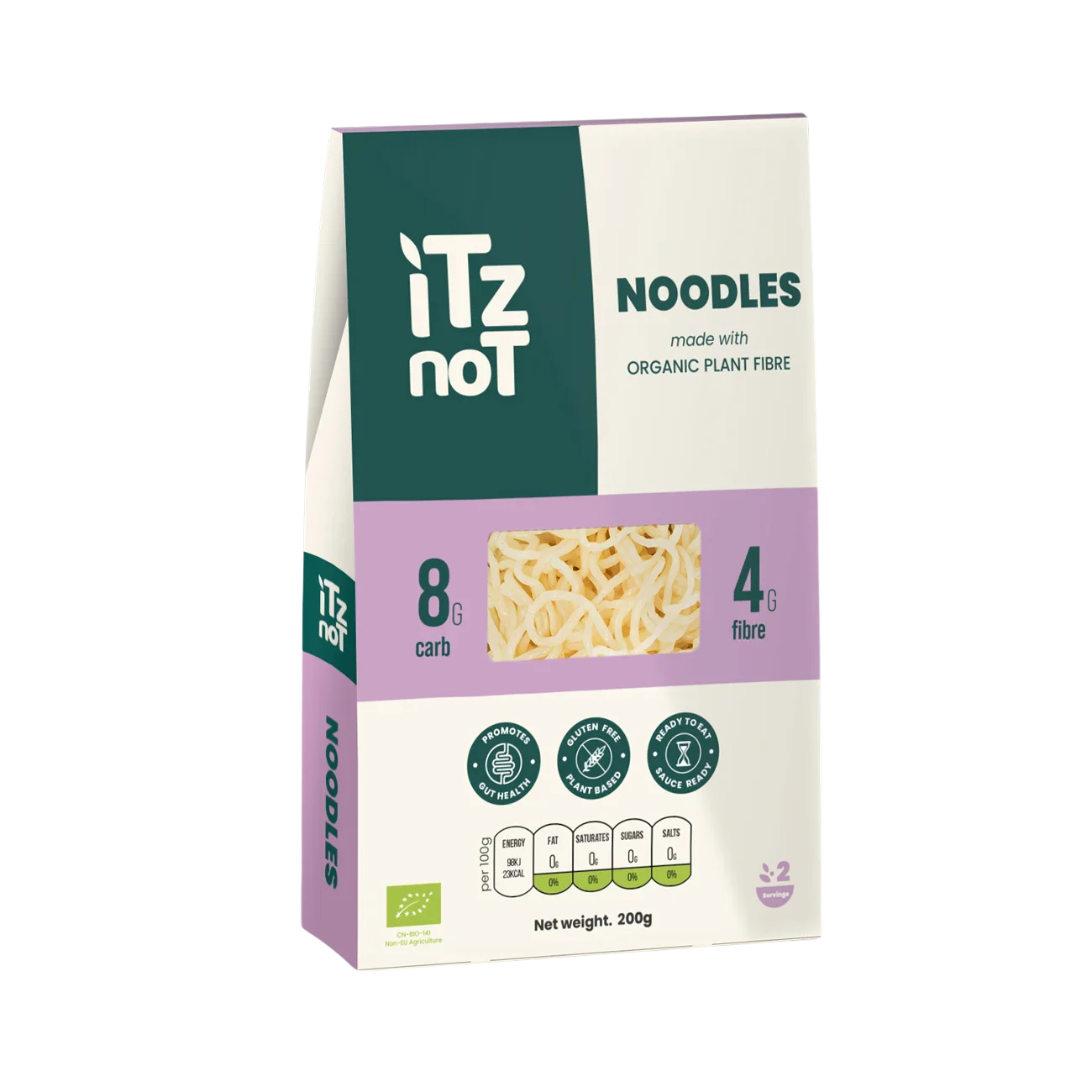
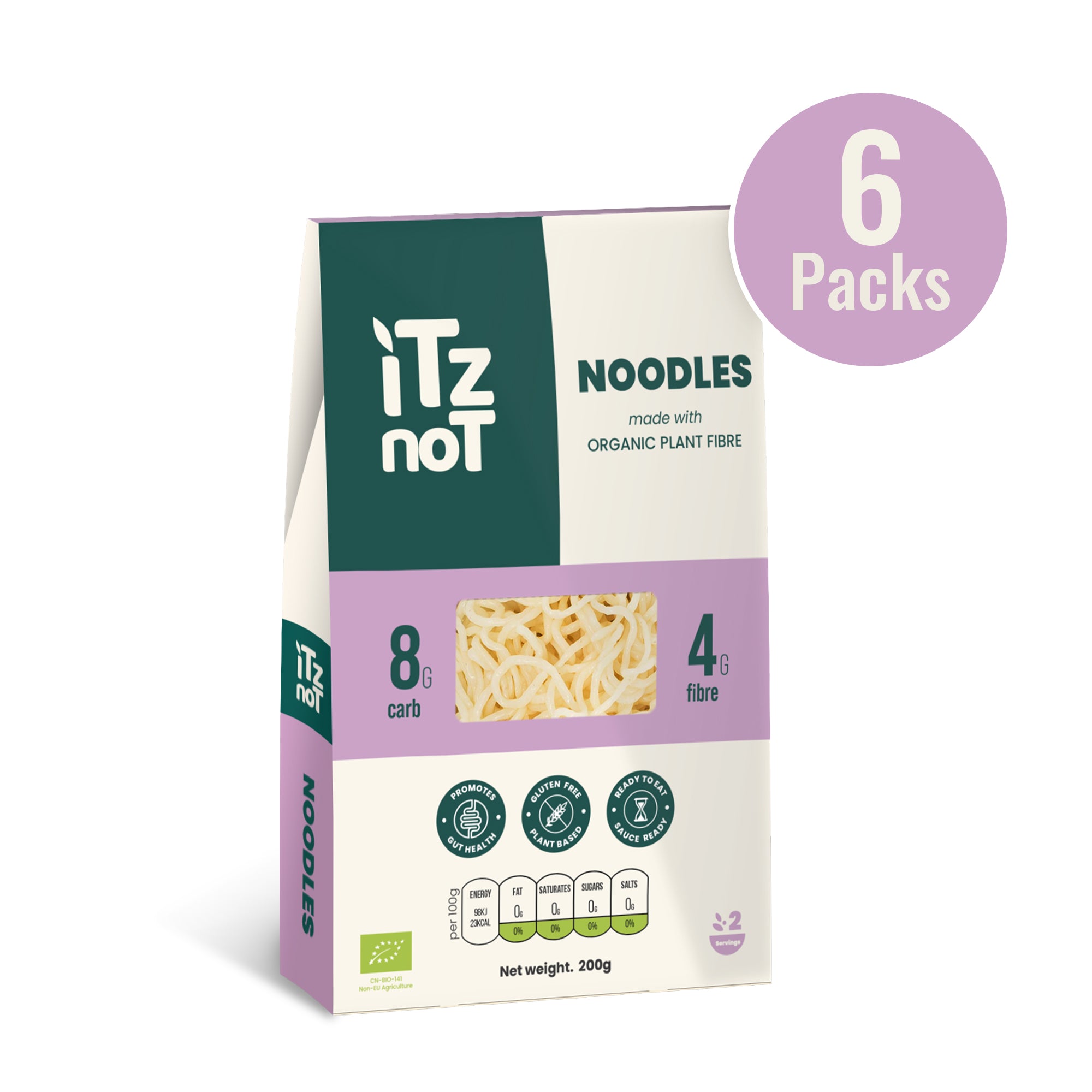
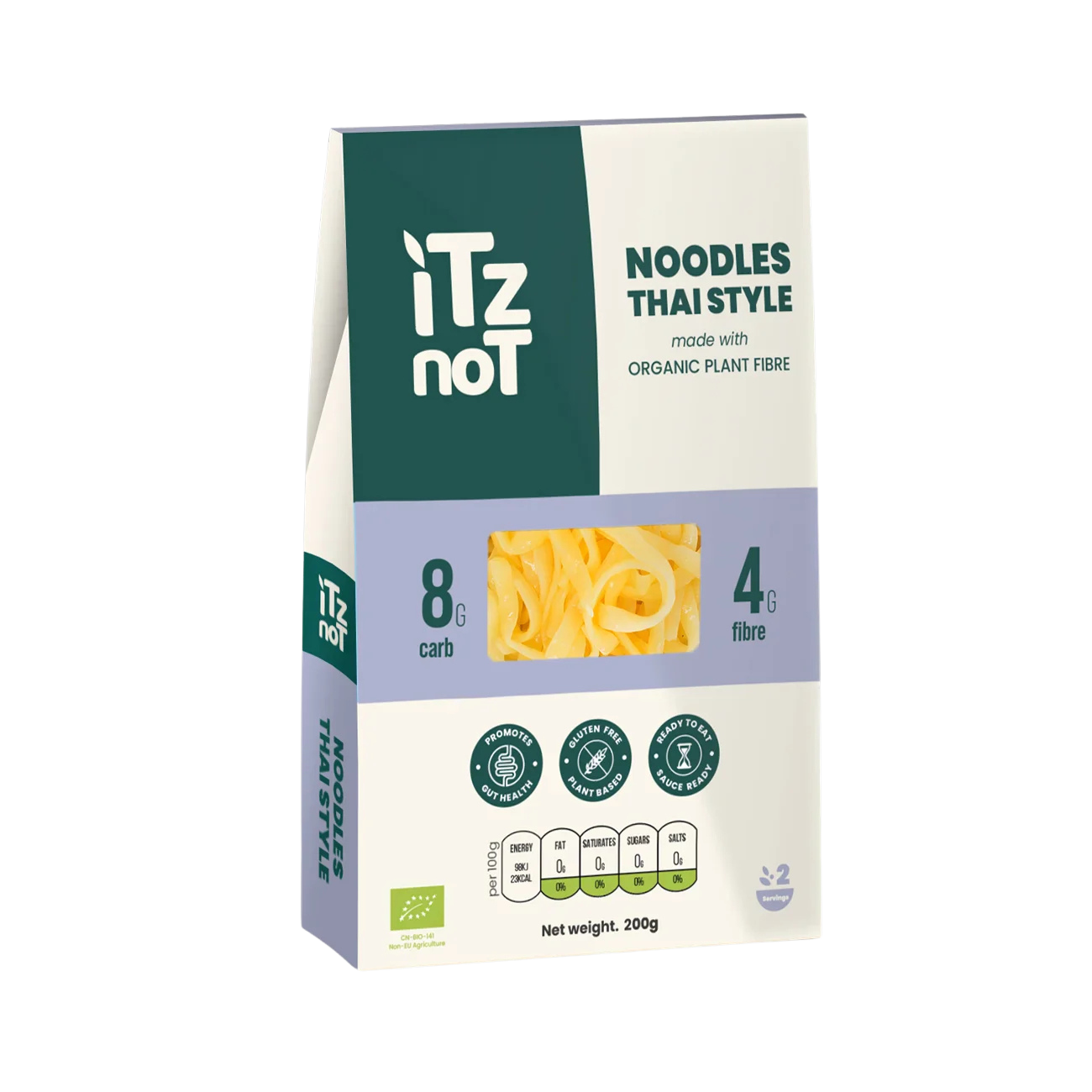
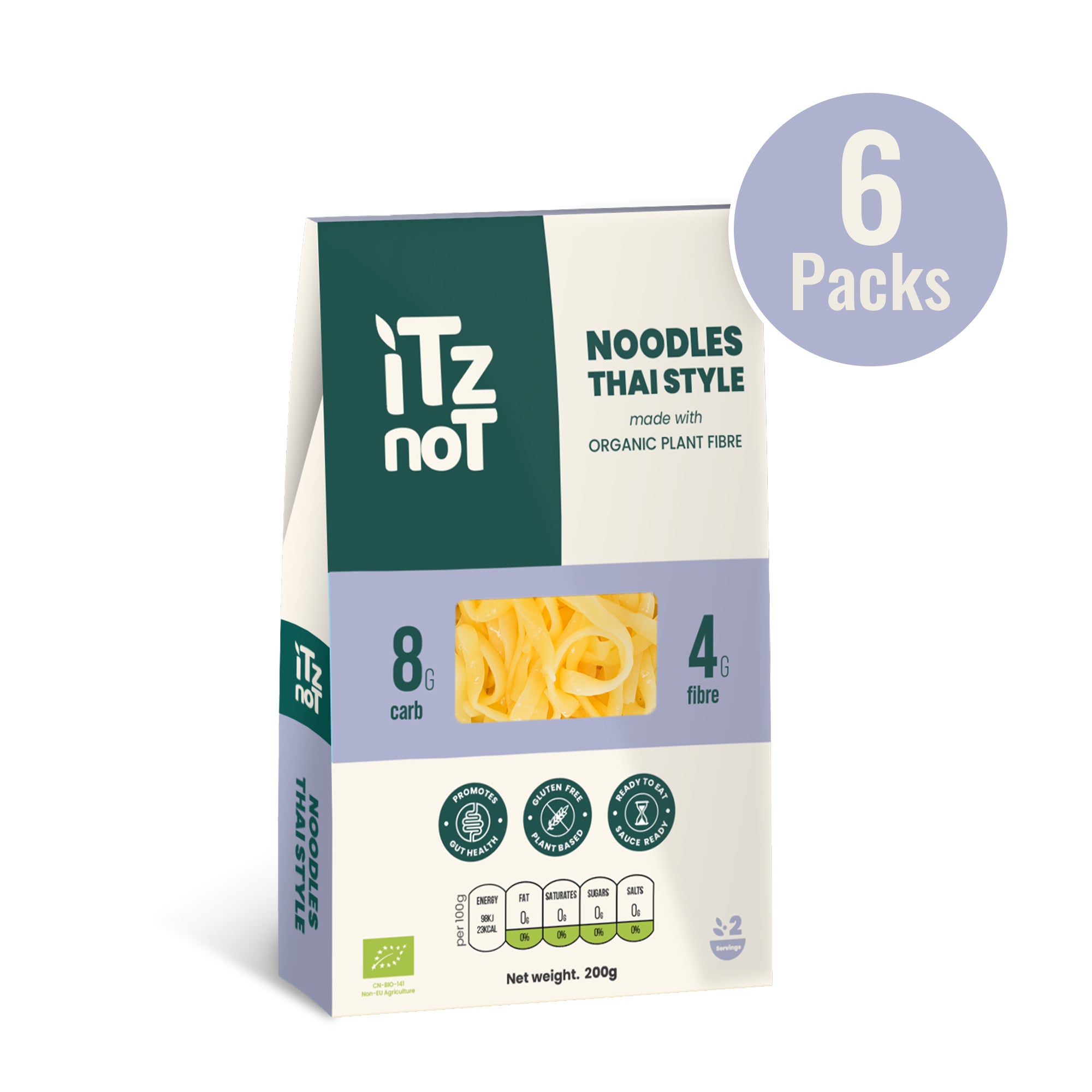
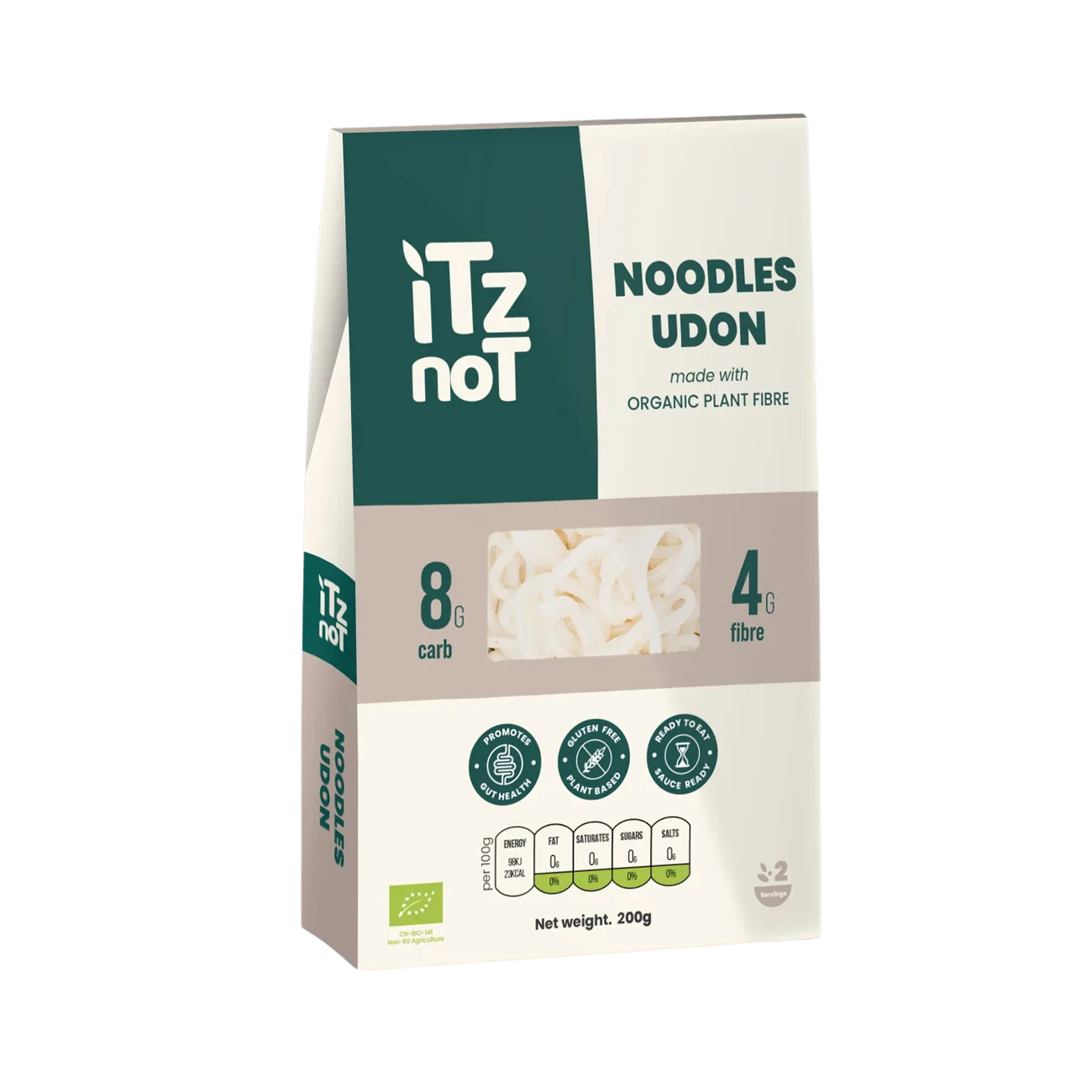
Konjac is particularly interesting from a satiety perspective because it contains glucomannan, a soluble dietary fibre that can form a viscous gel when hydrated. A small randomised crossover trial involving 16 healthy adults investigated gelled konjac glucomannan noodles and found differences in appetite and energy intake between treatments. However, the study was small and short-term, so it should not be used to claim that konjac universally suppresses hunger or causes weight loss.
If you want to understand the science behind this fibre in more detail, our guide to glucomannan fibre and how it works provides further context. You can also explore our guide to konjac for its culinary uses.
How to Build a Meal That Keeps You Full
Knowing which foods are filling is useful. Knowing how to combine them is even more practical. A simple approach is to build meals around several elements: Protein, a fibre-rich carbohydrate, vegetables or fruit, and a source of unsaturated fat.
For breakfast, that could mean Greek yoghurt with oats, berries and seeds. Lunch might be lentils with wholegrain rice and roasted vegetables. Dinner could combine a protein source with potatoes or wholegrain pasta and plenty of vegetables. This approach creates a meal with different nutritional and sensory characteristics that can contribute to satisfaction.
How to Stay Full Longer: Simple Changes to Try
Small changes can make everyday meals more satisfying without making them complicated.
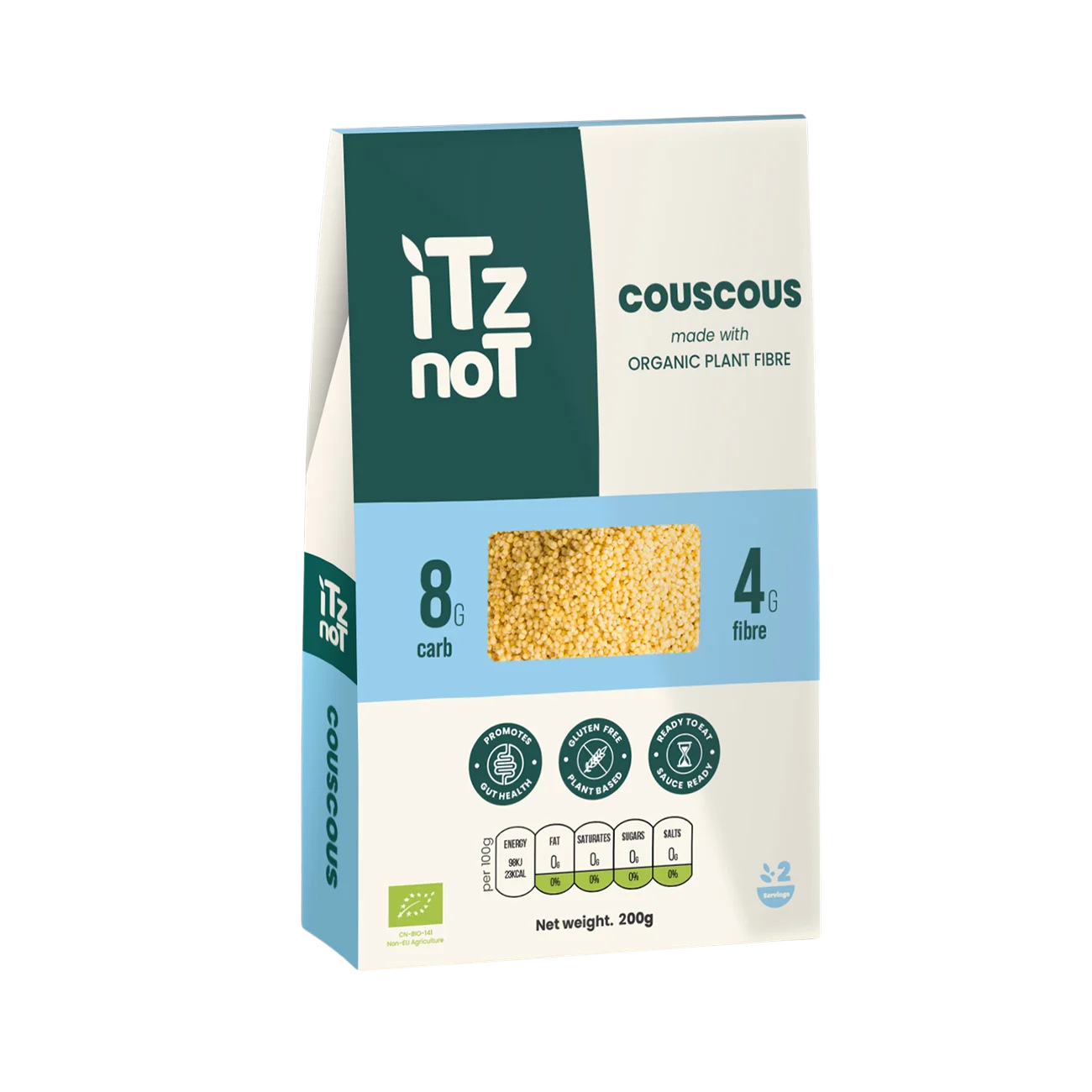
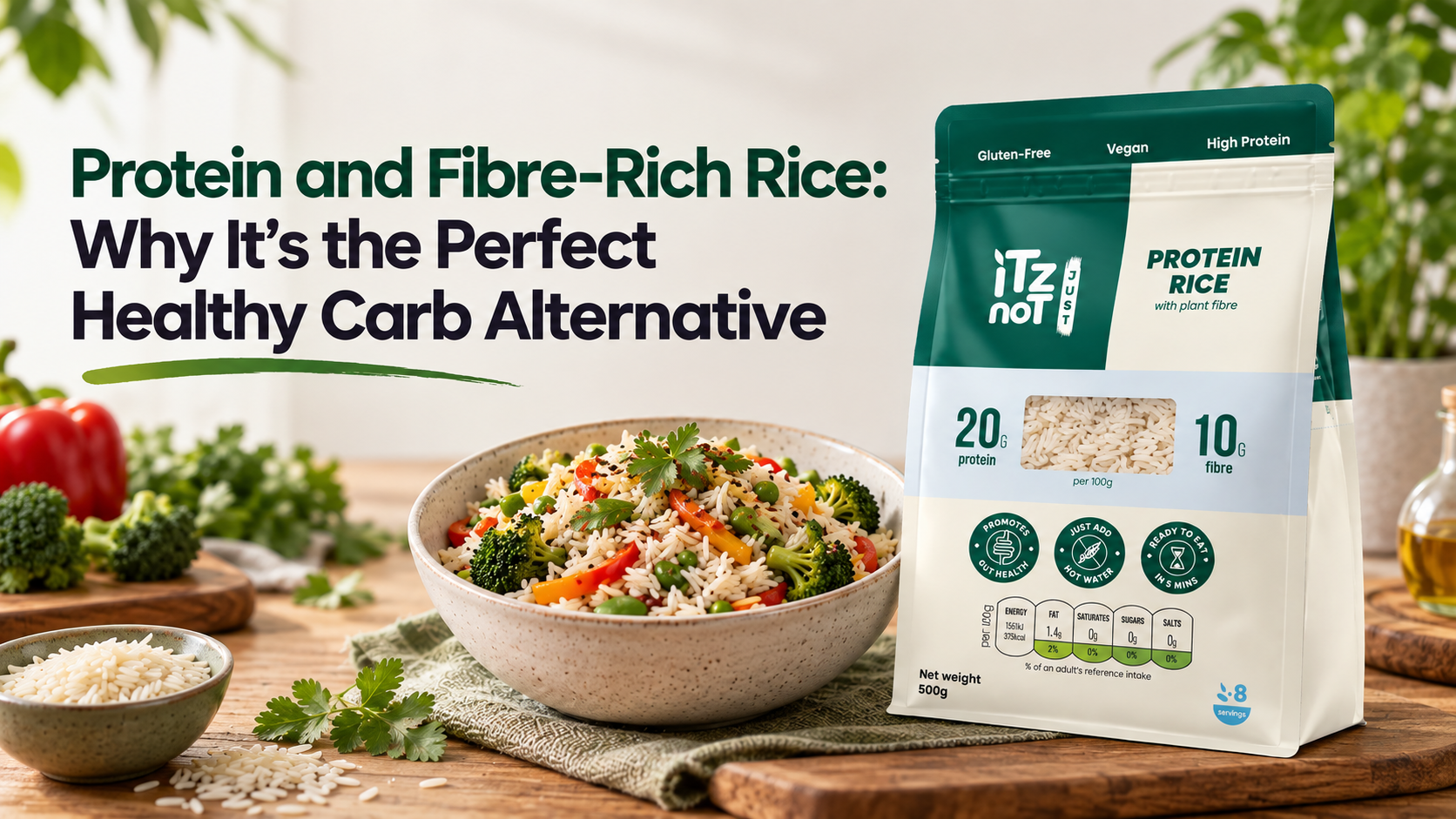
At breakfast, add oats, fruit or seeds to a protein-rich base. At lunch, include beans, lentils or chickpeas alongside vegetables and a wholegrain carbohydrate. At dinner, combine a protein source with vegetables and a fibre-rich carbohydrate. Convenience can also have a place in this approach. Protein Rice Pots can be used as one component of a quick meal when paired with other foods such as vegetables and a suitable protein source.
For everyday eating, a better strategy is to build meals with a thoughtful combination of protein, fibre, vegetables or fruit, and a suitable carbohydrate source. It is a simple principle, but one that can make meals feel more complete.
FAQs
What foods keep you full for longer?
Protein-rich foods, pulses, wholegrains, vegetables, whole fruit and other fibre-rich foods can contribute to satisfying meals. However, there is no universally “most filling” food because satiety varies with the food, portion, meal composition and individual response.
Does protein keep you fuller for longer?
Research supports an effect of acute protein intake on hunger and feelings of fullness. However, evidence from longer-term trials is less conclusive, so it is more accurate to say that protein can support short-term satiety rather than prolonged fullness.
Does fibre help you feel full?
Fibre can contribute to fullness, but different types of fibre can behave differently. Research on fibre and satiety has produced mixed results, while more recent evidence suggests that certain cereal fibres may have favourable effects on appetite and satiety.
Are carbohydrates bad if you want to stay full?
No. Wholegrain cereals, oats, potatoes, rice and other carbohydrate foods can form part of balanced, satisfying meals.
Is konjac a filling food?
Konjac contains glucomannan, a soluble fibre that forms a viscous gel when hydrated. Some research has investigated its effects on appetite and satiety.

Related post
12
Sep
26
Aug
RECENT POSTS

28.September.2026
Protein and Fibre Rich Rice: Why It’s the Perfect Healthy Carb Alternative
0 Comments