










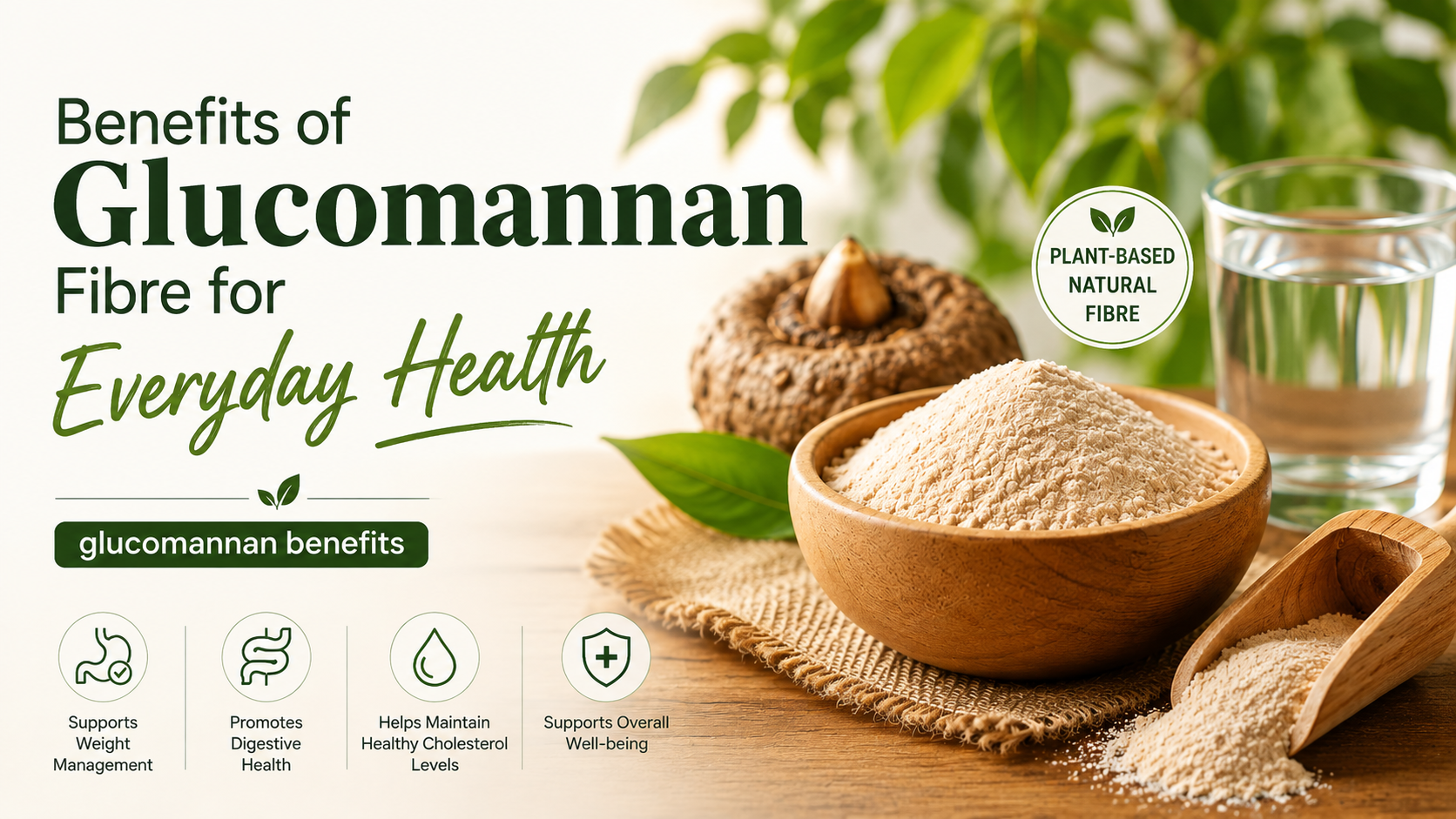
Benefits of Glucomannan Fibre for Everyday Health
Benefits of Glucomannan Fibre for Everyday Health
Fibre rarely receives the same attention as protein or healthy fats, yet it is an important part of a balanced diet. It supports healthy digestion, helps you feel satisfied after meals, and contributes to overall wellbeing. Despite the important role fibre plays in everyday health, many adults still fall short of their recommended daily fibre intake. One type of fibre that can help bridge this gap is glucomannan.
Unlike many wellness trends, glucomannan has been studied for decades. Its unique ability to absorb water and form a gentle gel in the digestive system has led researchers to investigate its role in digestive health, satiety and other aspects of metabolic wellbeing. While it is not a miracle ingredient, the evidence suggests it can be a useful addition to a balanced and fibre-rich diet.
If you've ever wondered about the connection between glucomannan and konjac, or why products such as konjac noodles, pasta and rice have become popular among health-conscious shoppers, this guide explains in practical terms. You'll also discover realistic ways to include glucomannan in your meals without changing the foods you already enjoy.
Before exploring glucomannan, if you're unfamiliar with the konjac plant and why it has been valued in traditional cuisine for centuries, our guide to Konjac provides a helpful introduction before we look at glucomannan fibre health benefits.
What Is Glucomannan and Where Does It Come From?
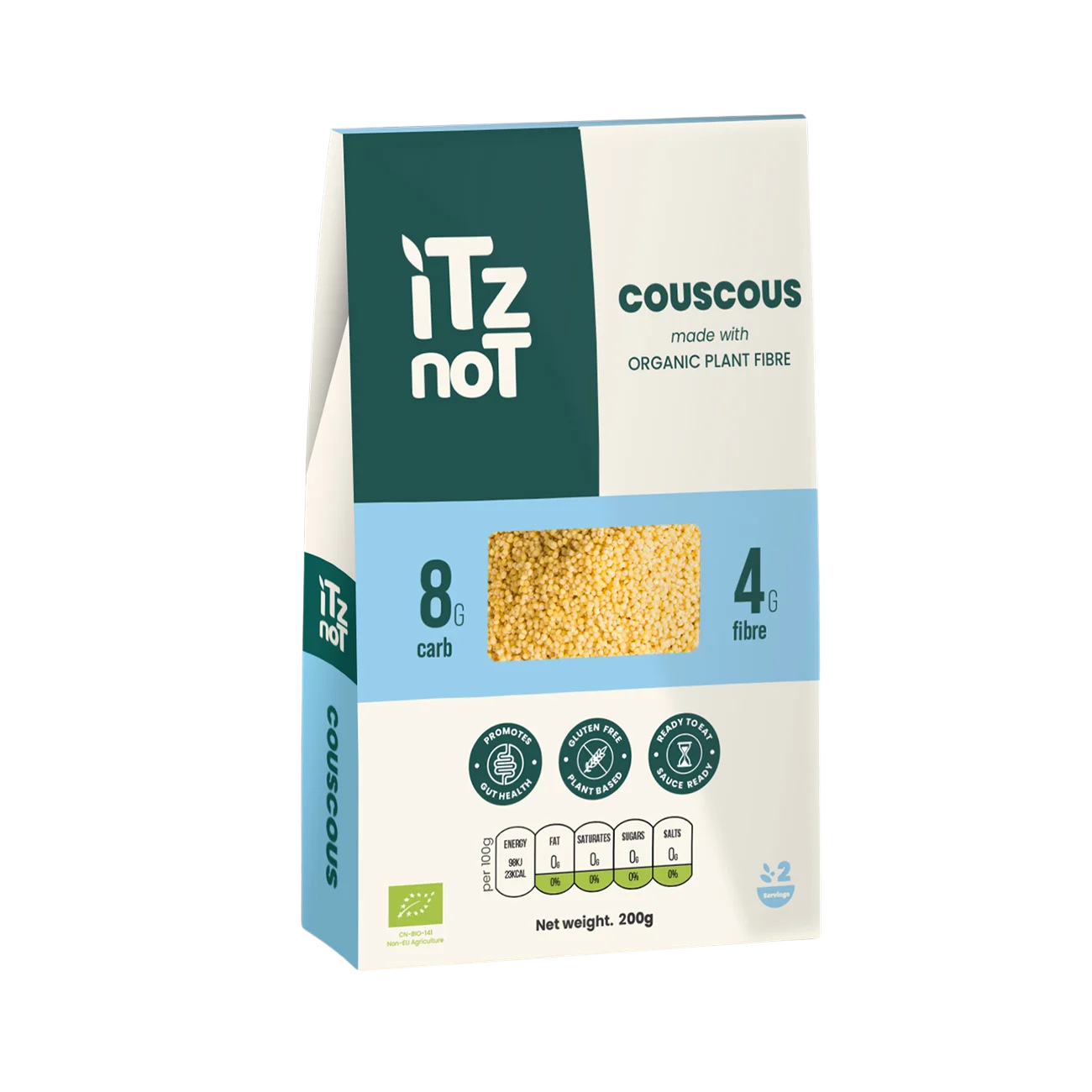
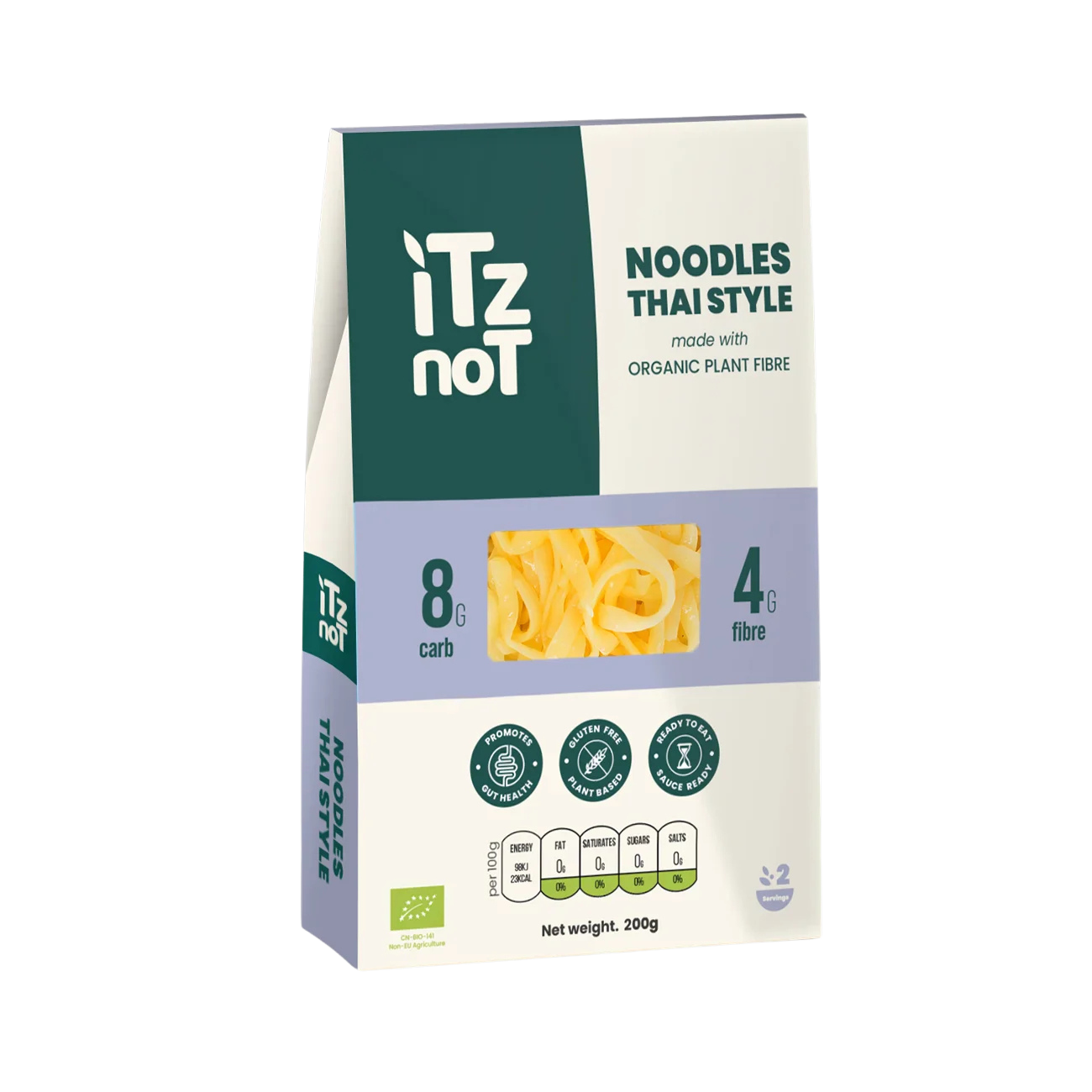
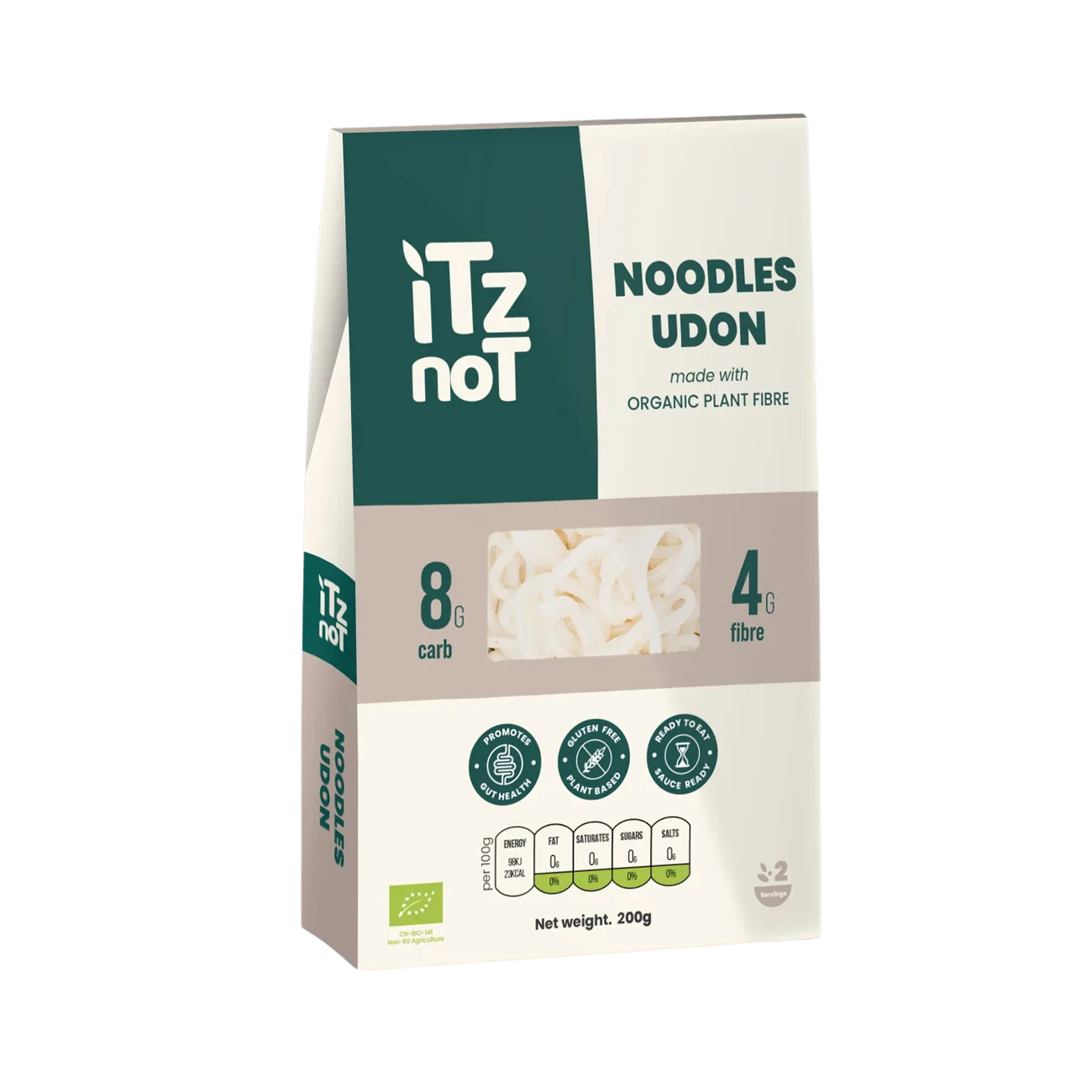
Glucomannan is a naturally occurring soluble dietary fibre extracted from the root of the konjac plant (Amorphophallus konjac), which has been cultivated across parts of Asia for centuries. Traditionally, konjac has been used to prepare foods such as shirataki noodles and konjac jelly, valued for their distinctive texture and versatility.
What makes glucomannan unique is its capacity to absorb water. Research shows it can absorb many times its own weight in liquid, creating a soft, gel-like consistency during digestion. This characteristic influences how food moves through the digestive tract and is central to many of the recognised benefits of glucomannan. It adapts well to a wide variety of dishes because glucomannan itself is flavourless. It absorbs herbs, spices and sauces, which are suitable for modern interpretations of noodles, rice, and pasta dishes. Many people first encounter glucomannan through:
-
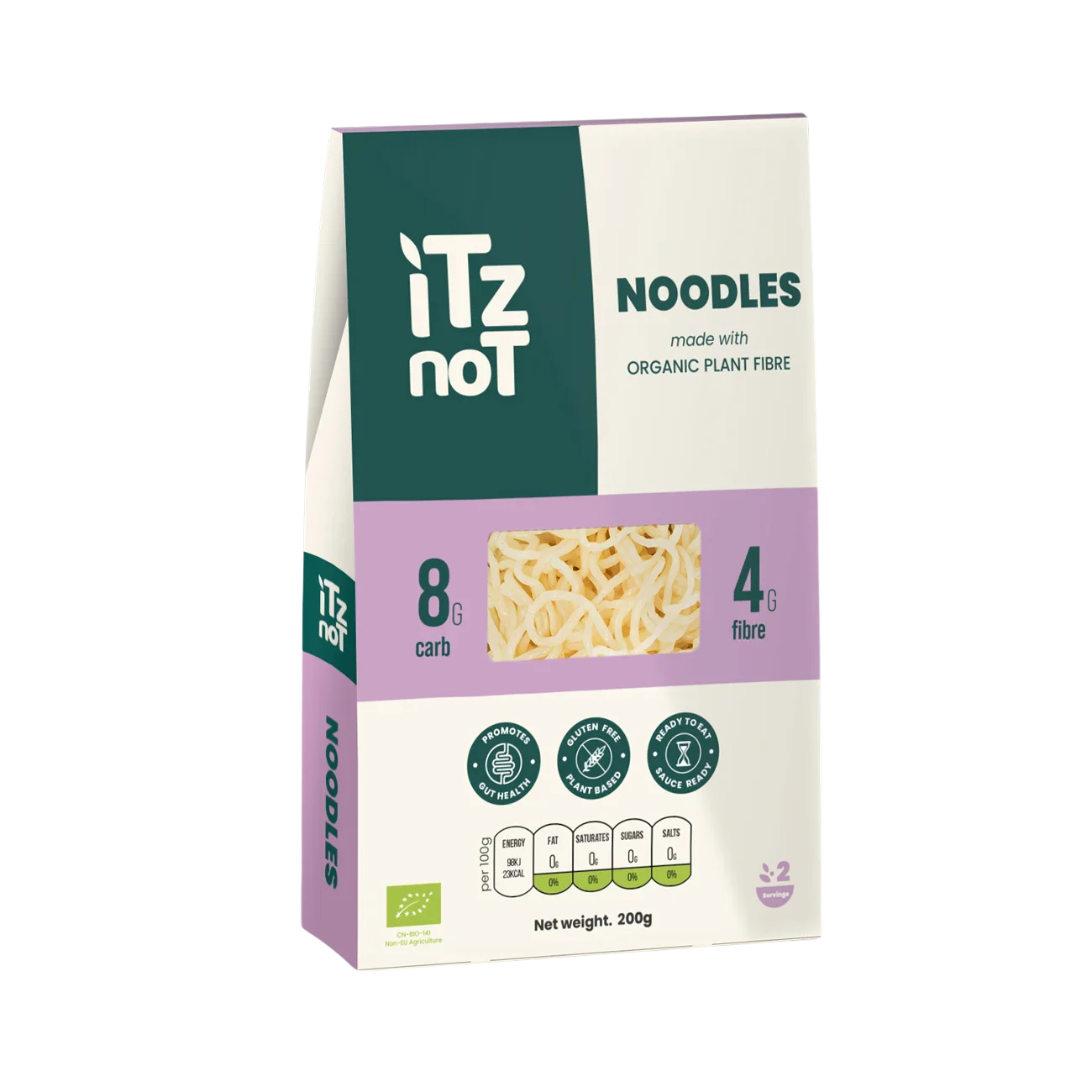
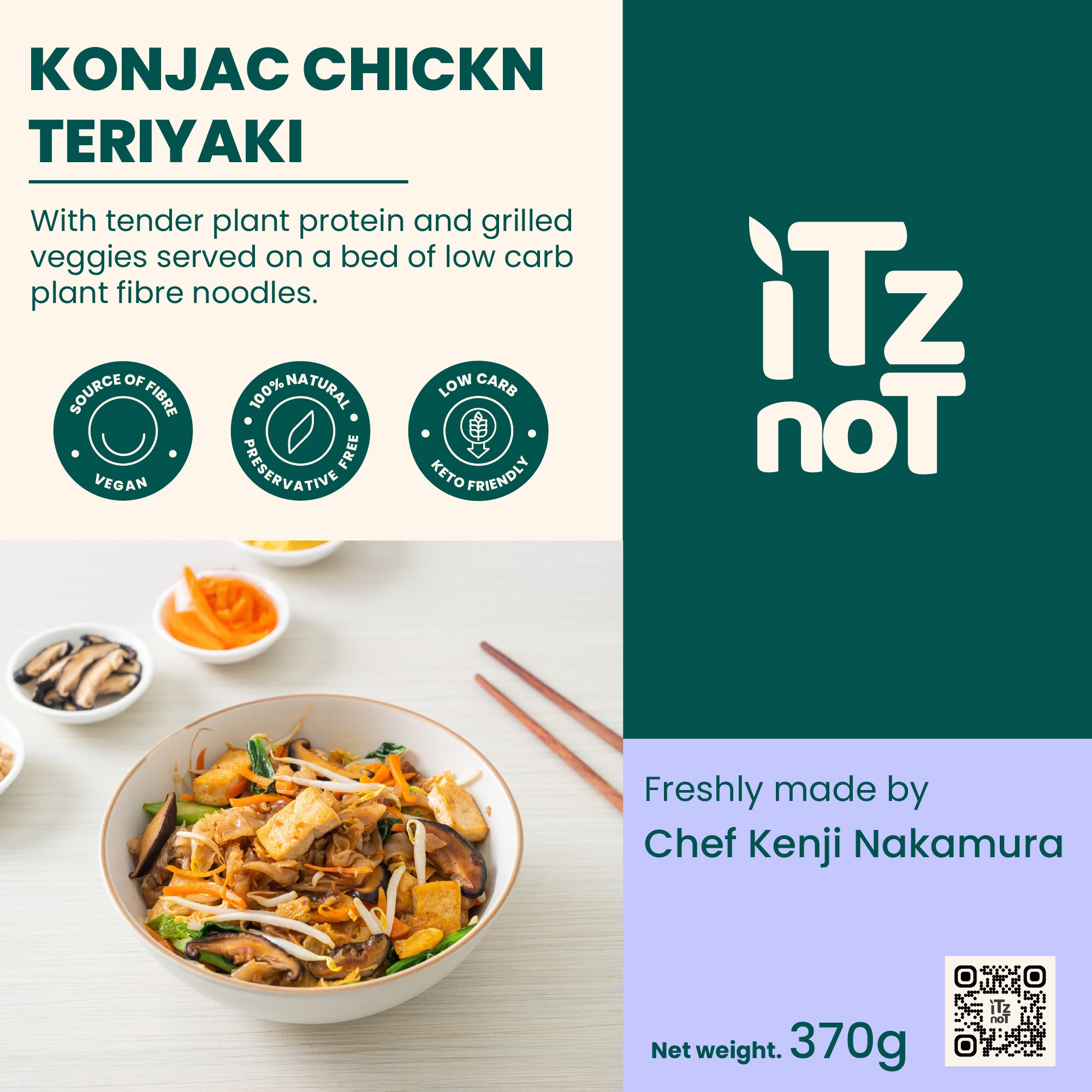
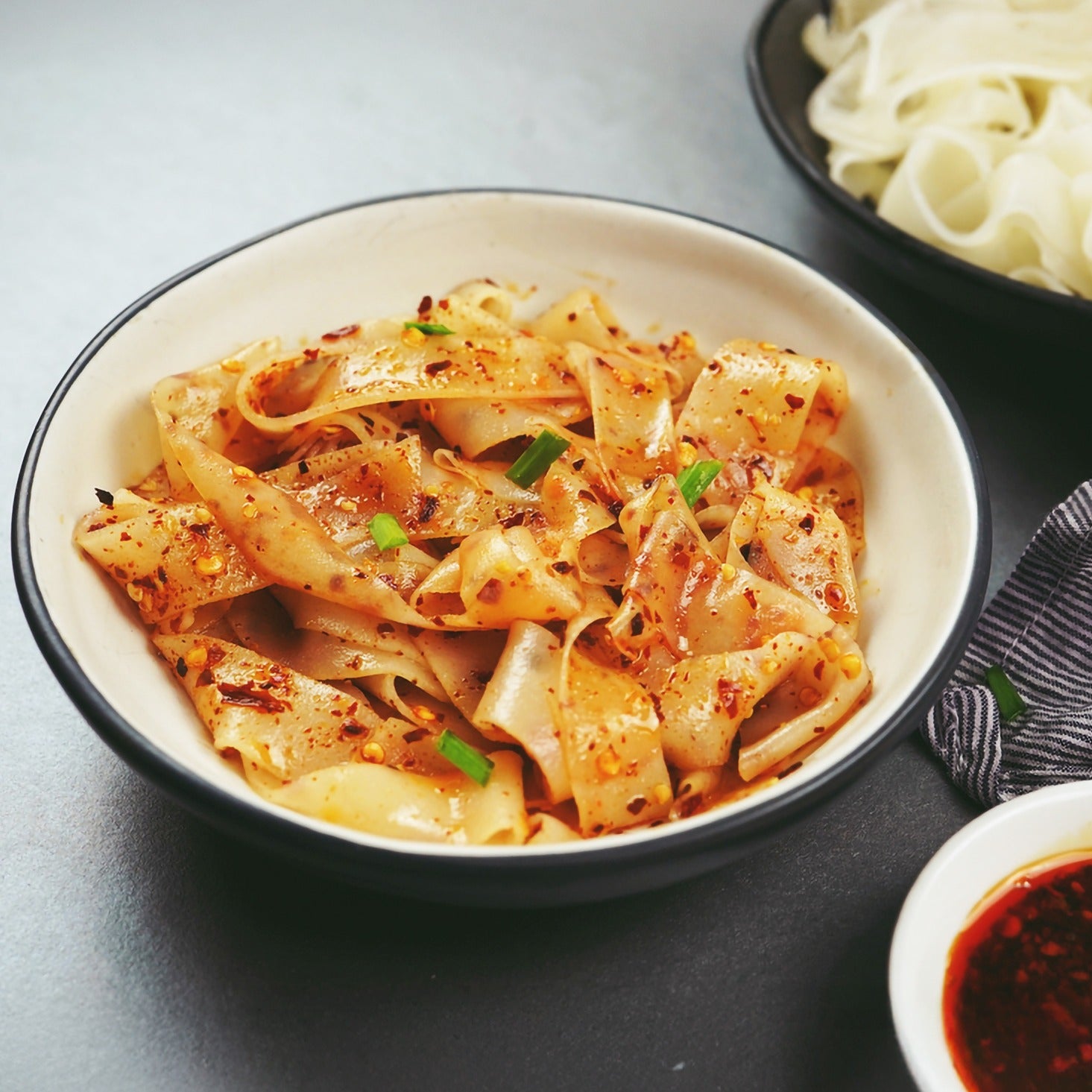
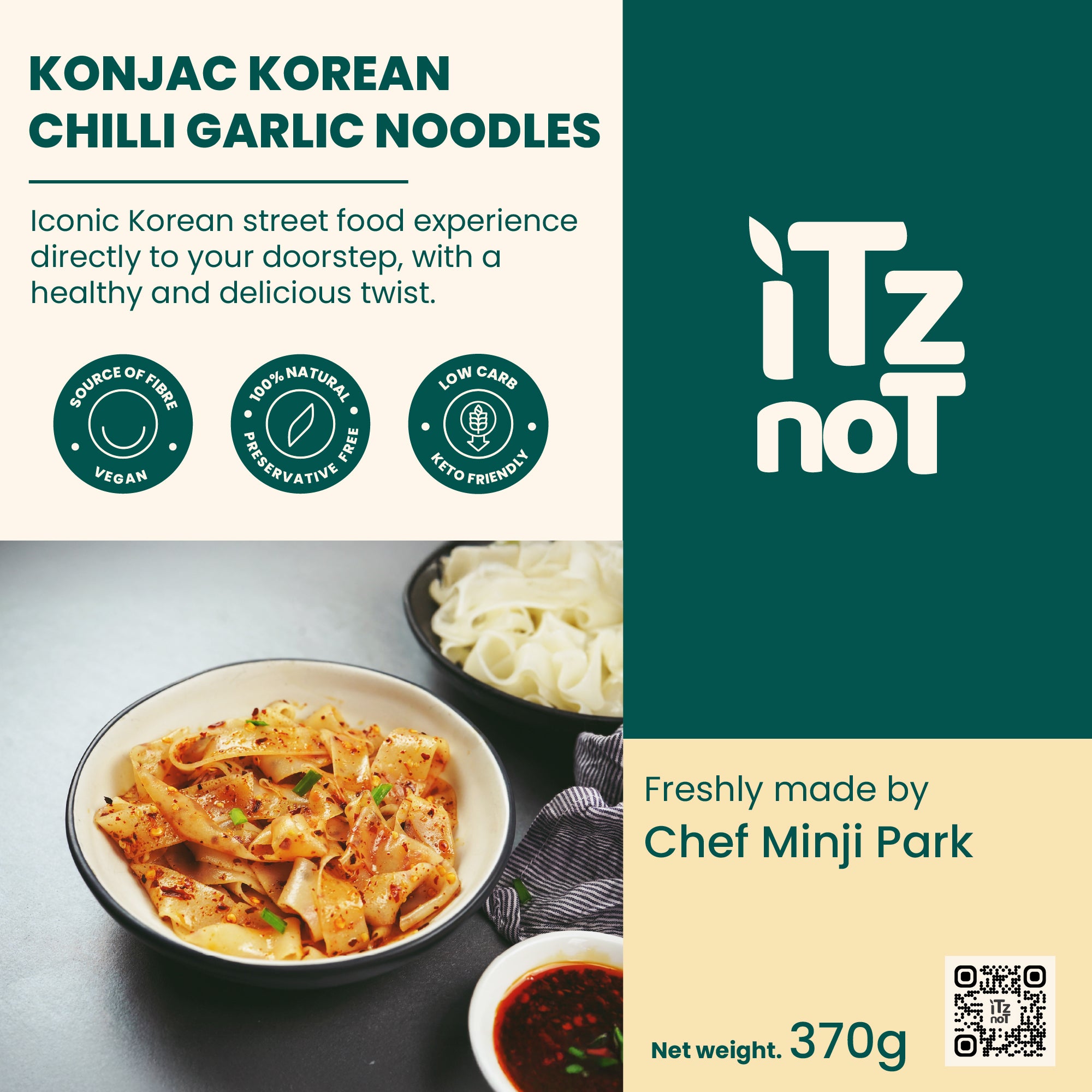
Konjac noodles
-
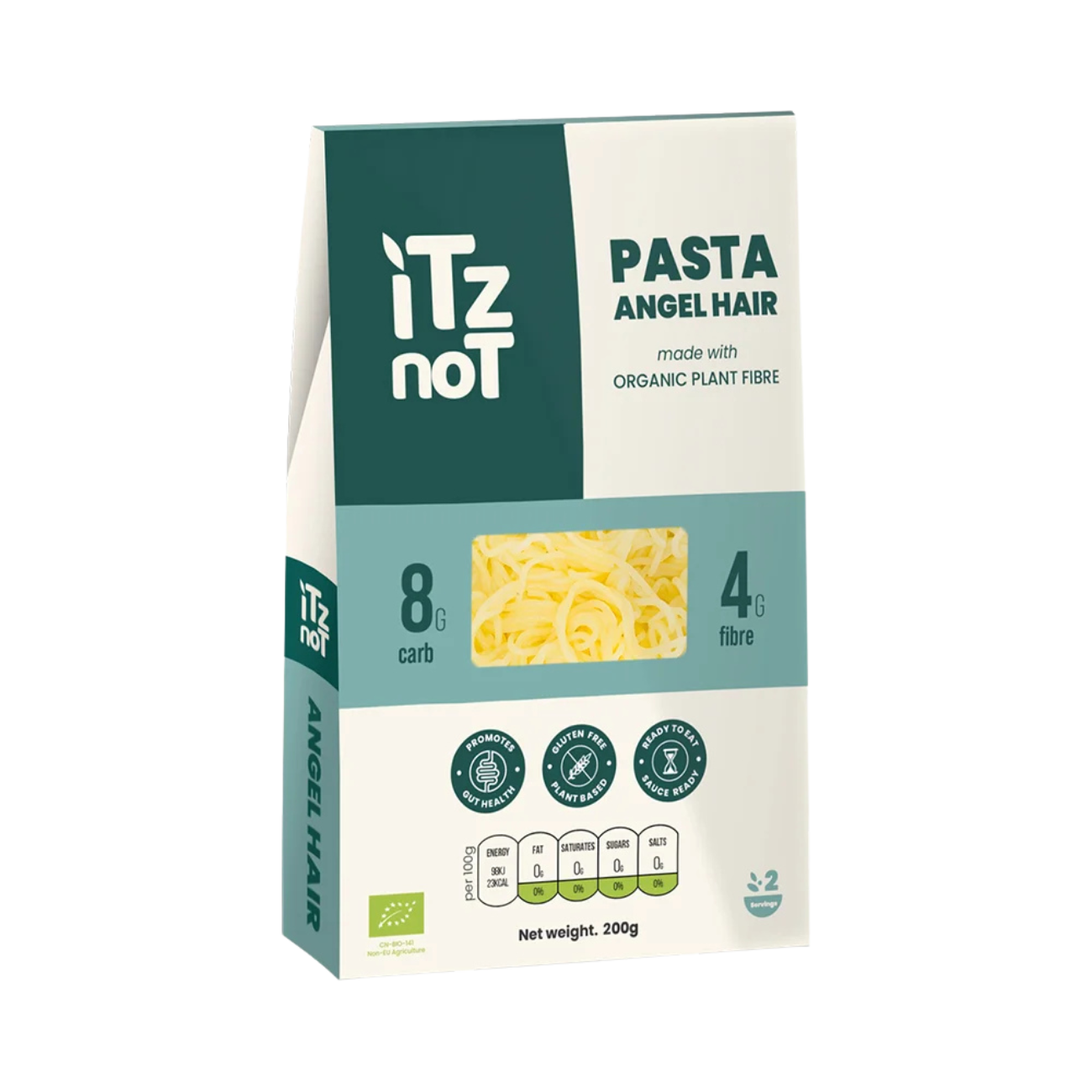
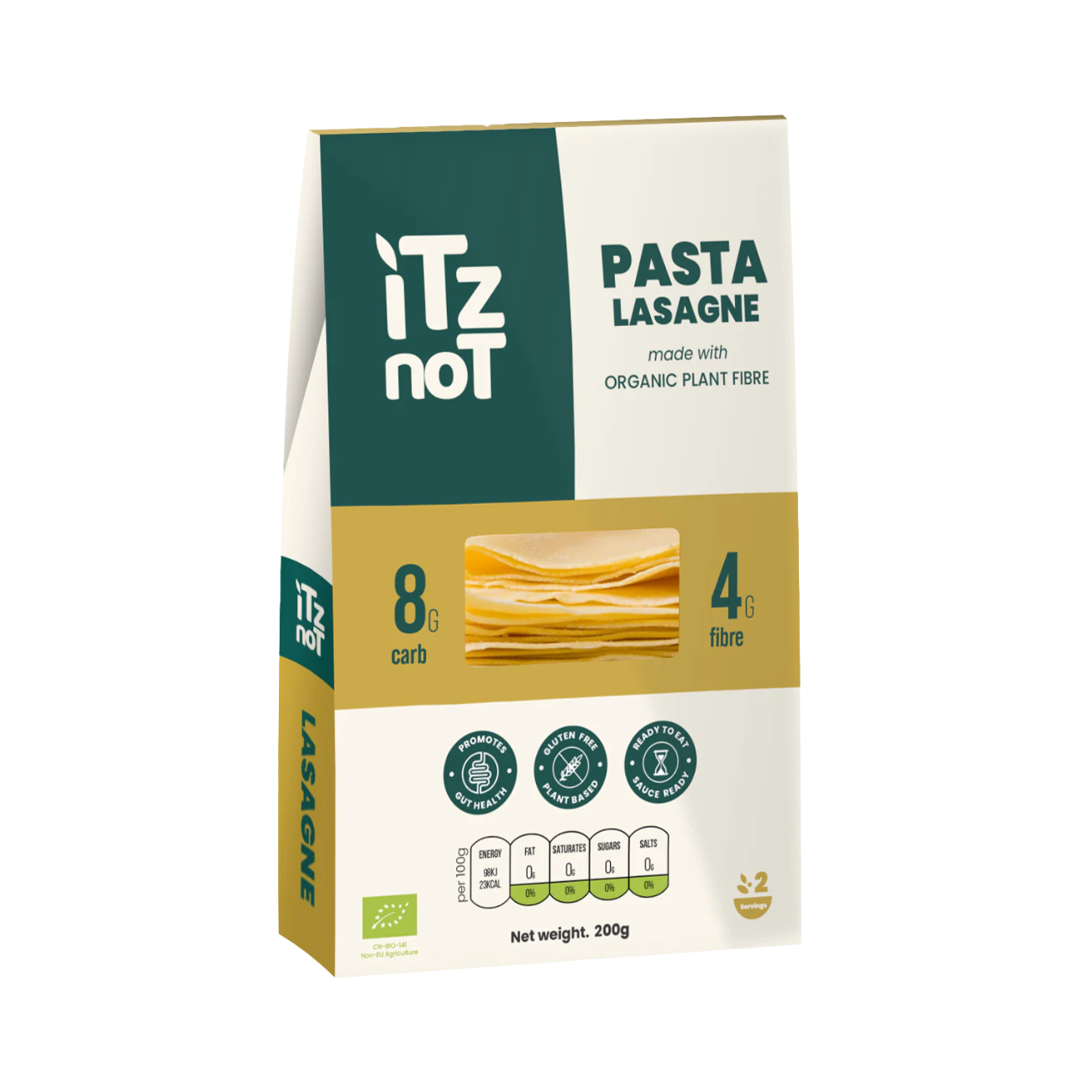
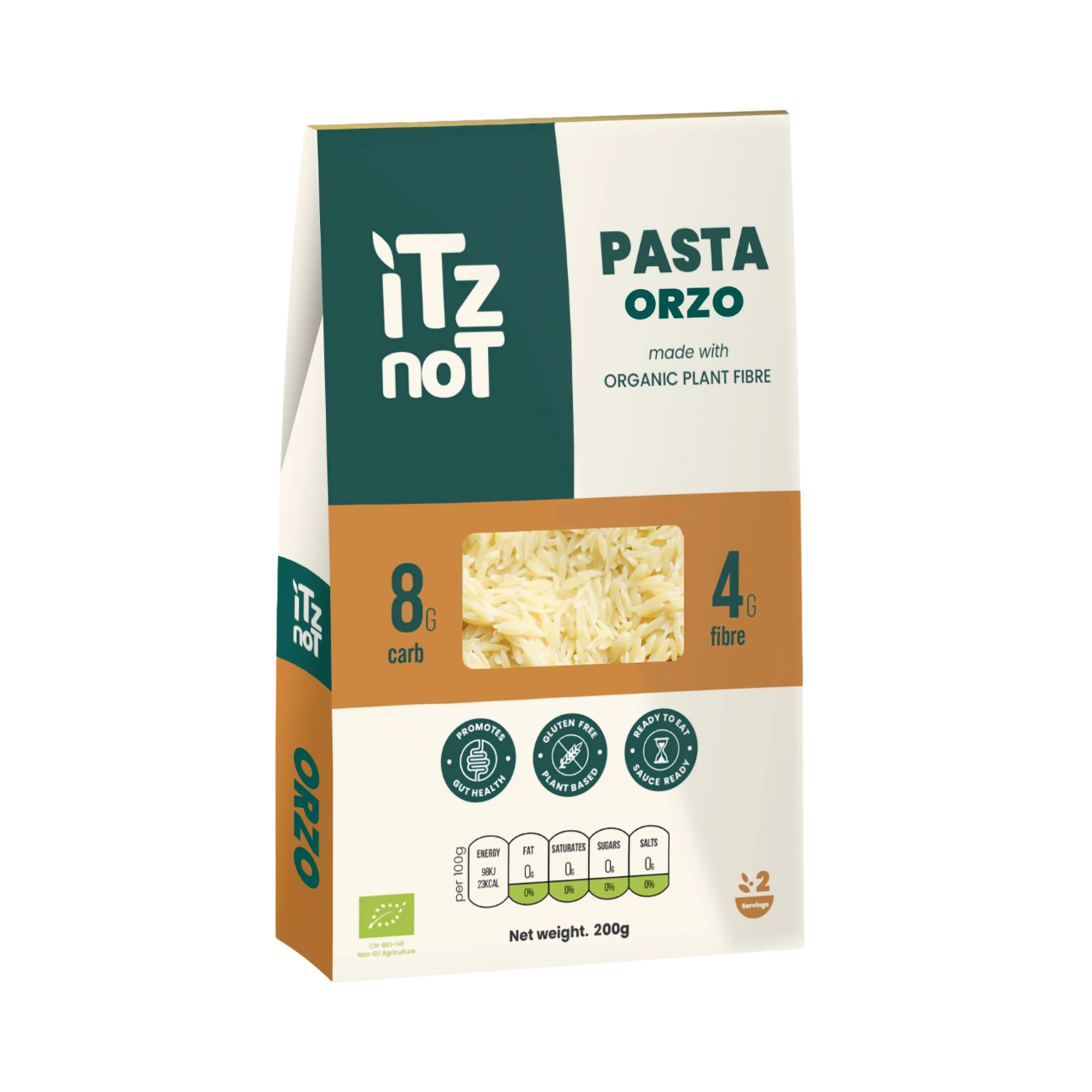
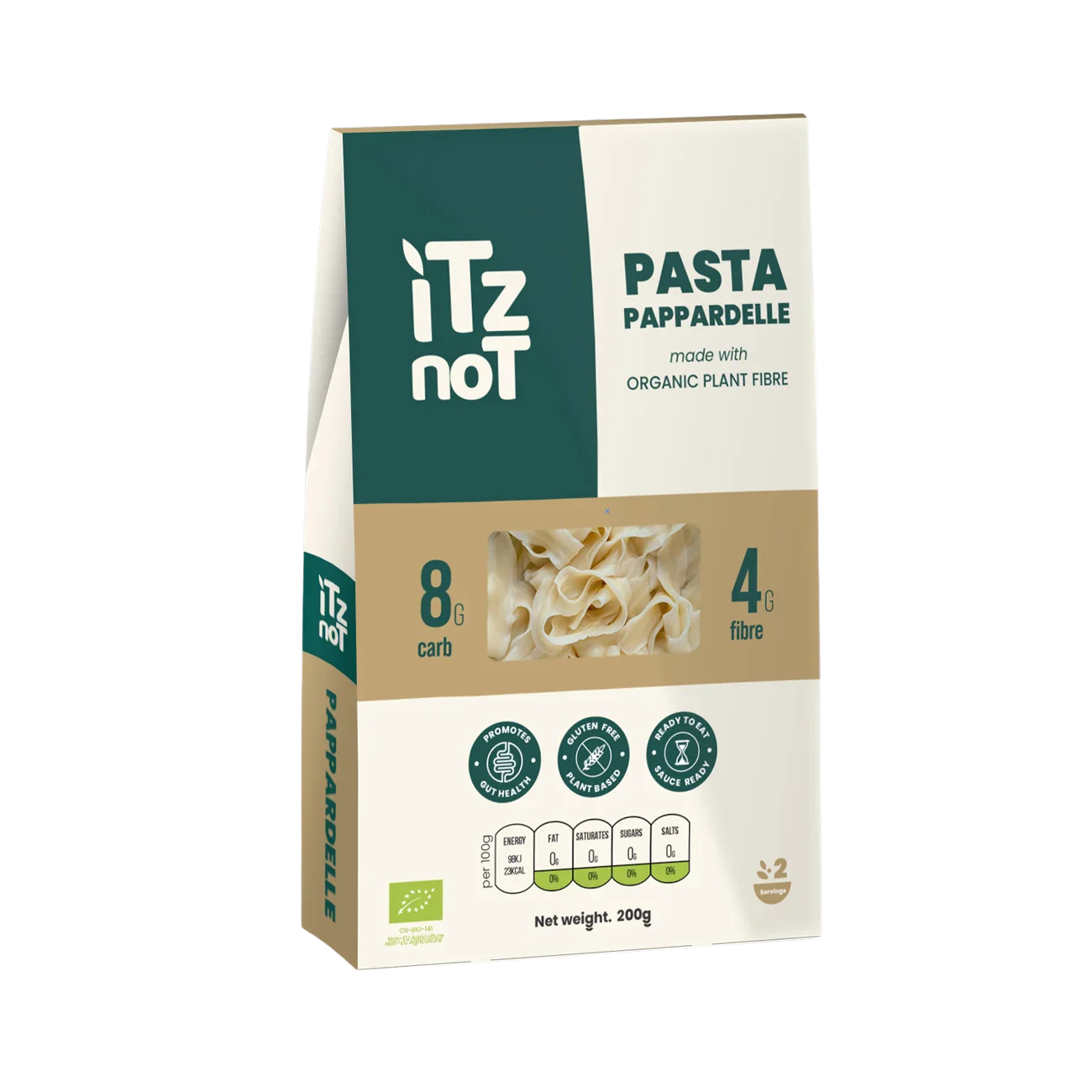
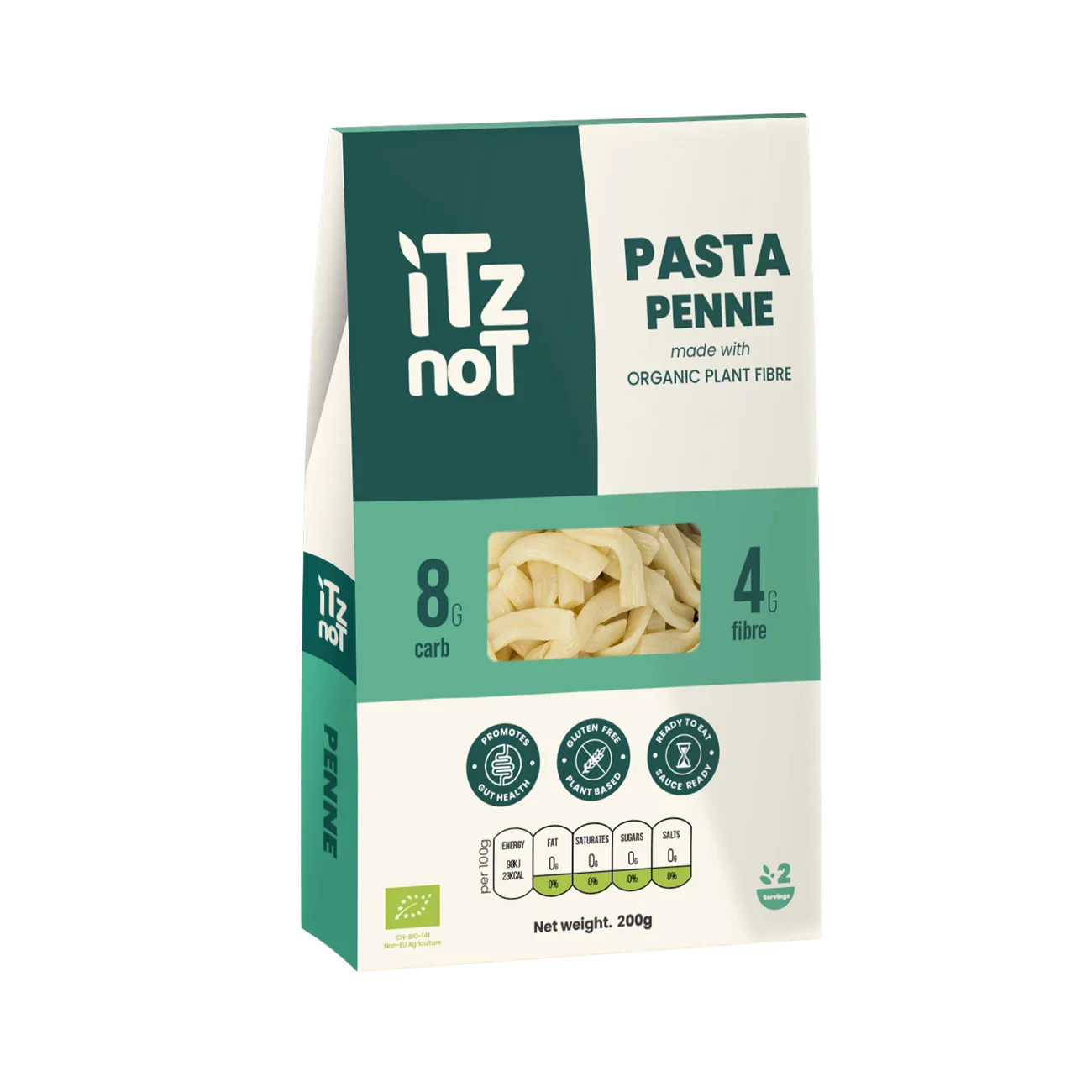
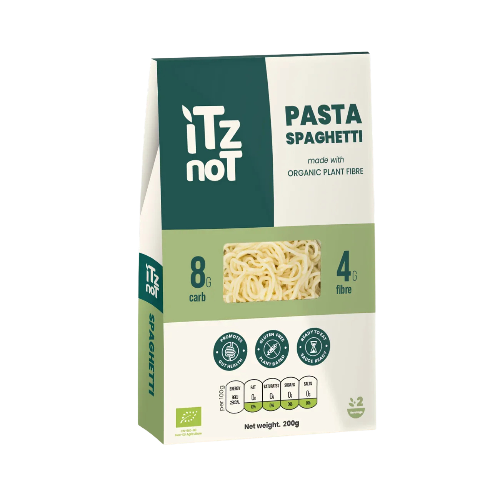
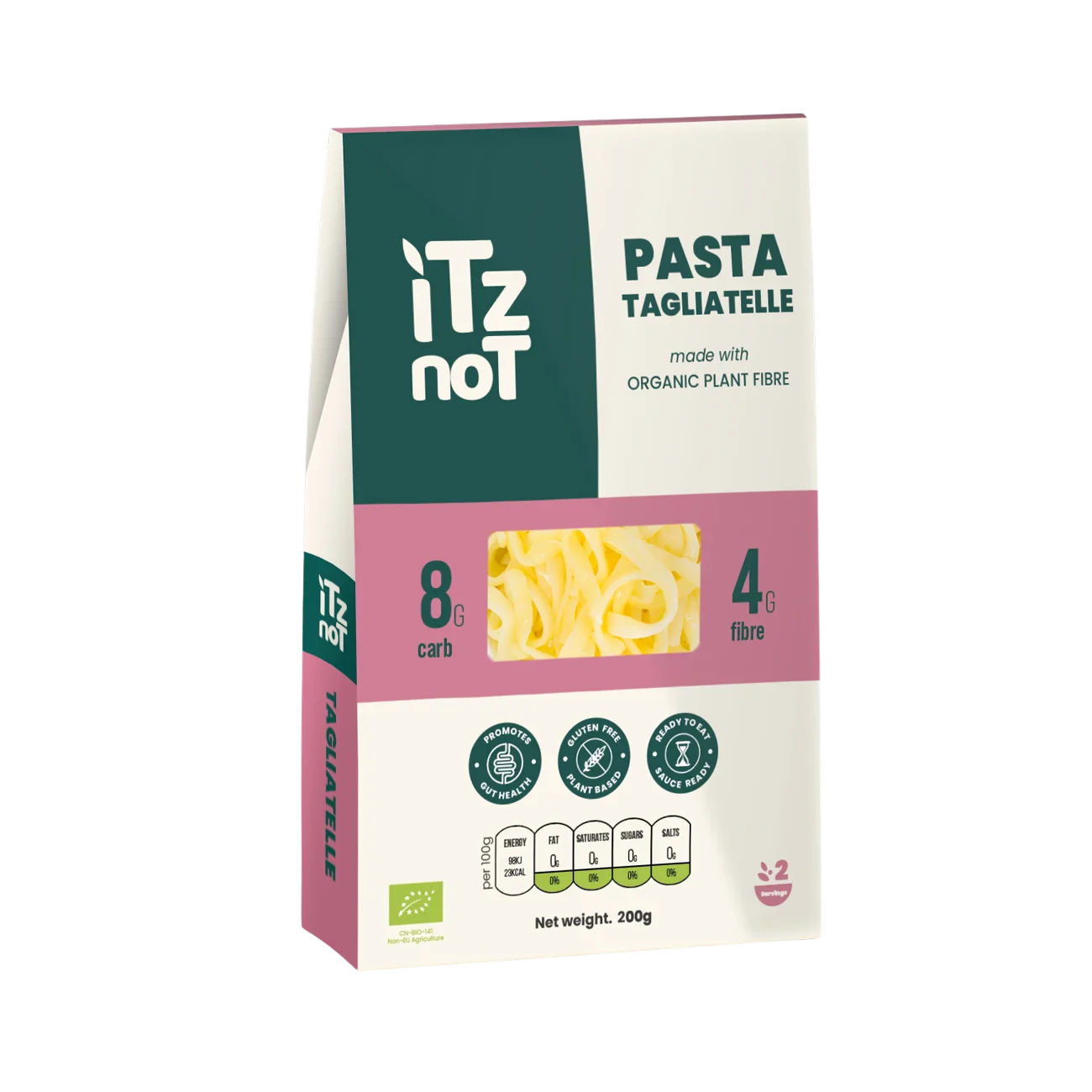
Konjac pasta
-
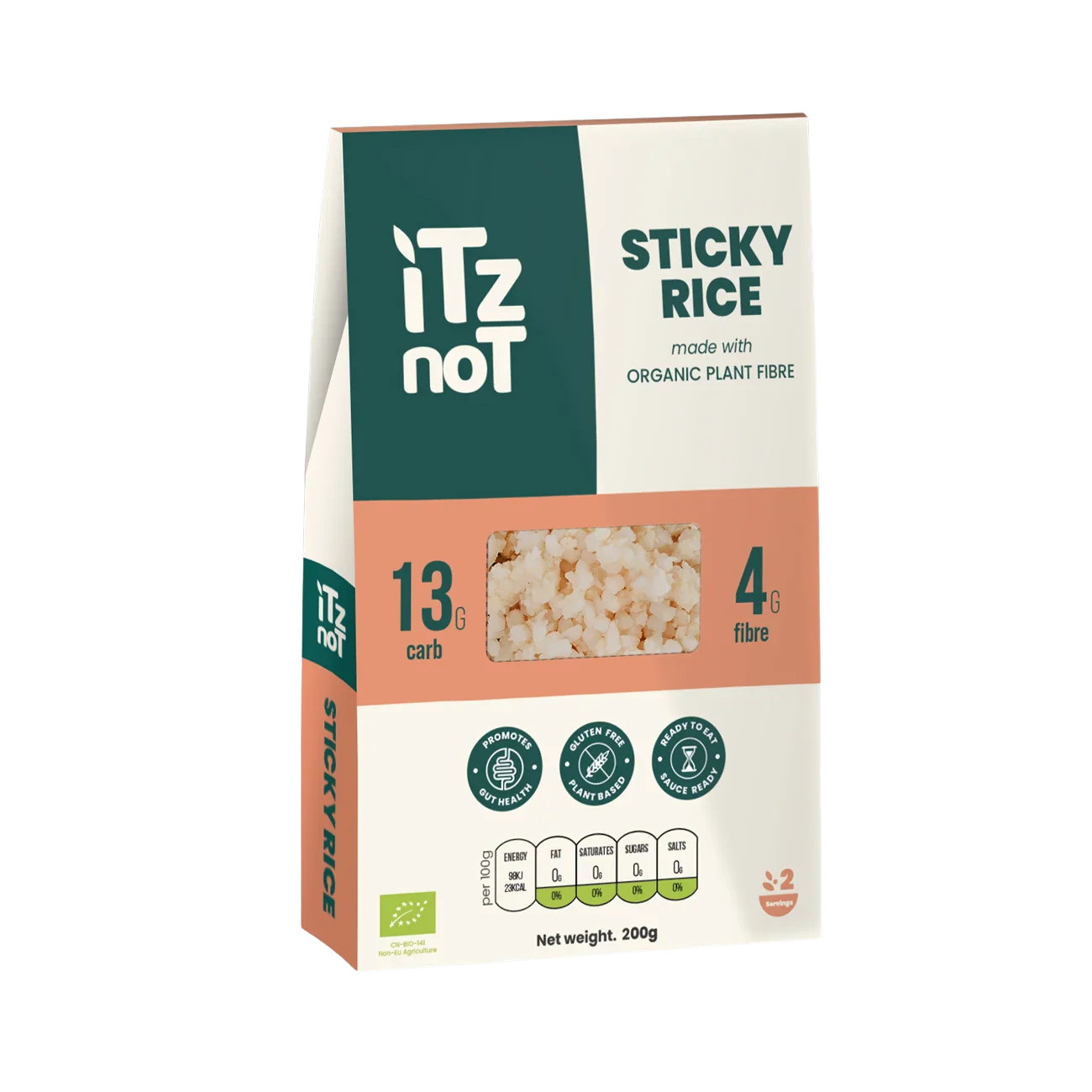
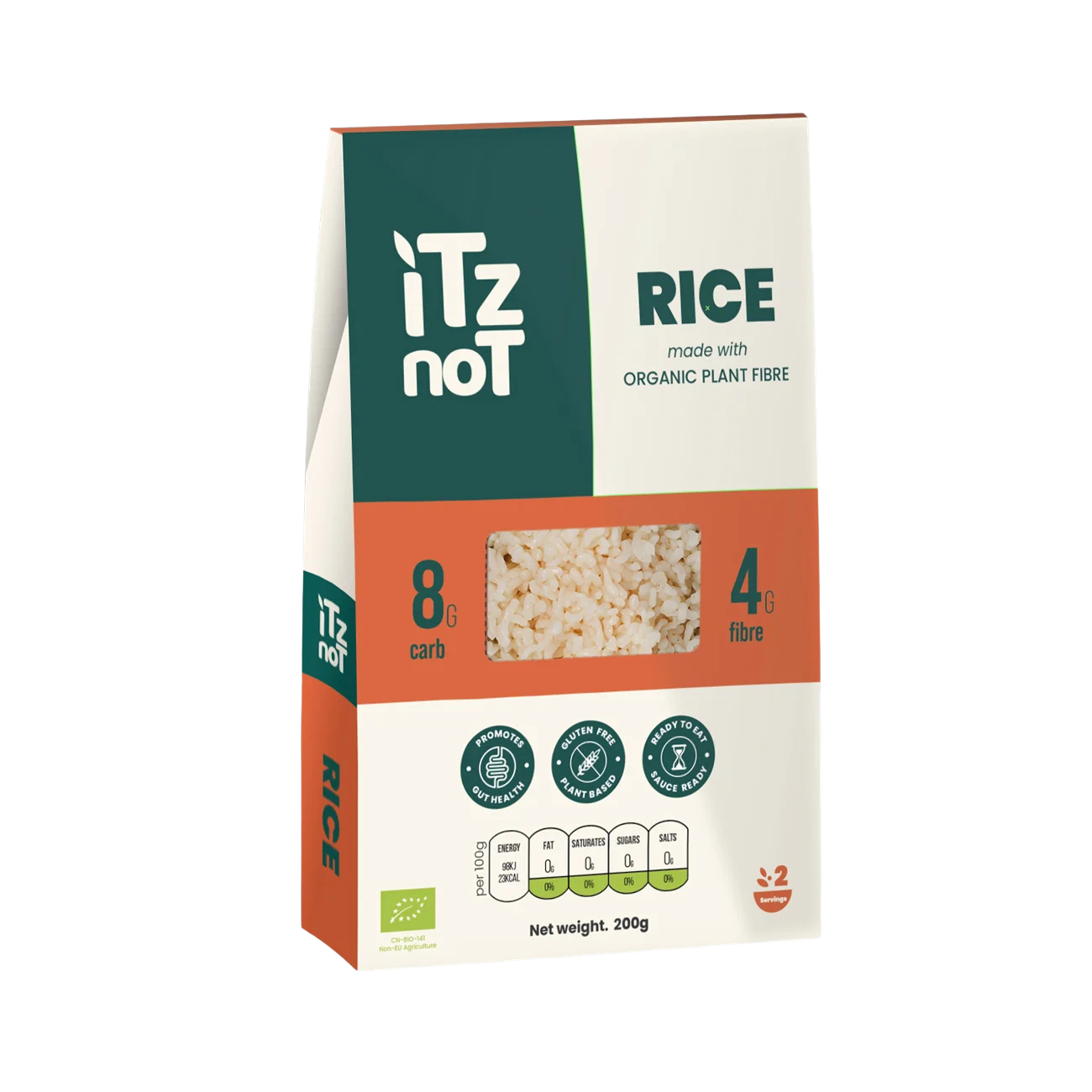
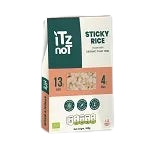
Konjac rice
These foods offer an easy way to increase fibre intake while enjoying familiar meals.
How Does Glucomannan Work in the Body?
Unlike digestible carbohydrates, glucomannan passes through the digestive system. When it comes into contact with water, it forms a gentle gel that slows the movement of food through the stomach and intestines. This process contributes to a greater feeling of fullness after meals and helps regulate the rate at which nutrients are absorbed.
One practical point often overlooked is hydration. Since glucomannan absorbs large amounts of water, it should always be consumed with adequate fluid. This helps the fibre expand safely and comfortably to support normal digestive functions.
Benefits of Glucomannan Fibre
1. Supports Healthy Digestion
Among the best-established glucomannan benefits is its contribution to digestive health. Dietary fibre supports regular bowel movements. Soluble fibres such as glucomannan also serve as food for beneficial bacteria in the large intestine. As these microbes ferment fibre, they produce compounds that maintain the health of the intestinal lining.
Many people notice that increasing fibre intake gradually, rather than all at once, makes the transition comfortable for allowing the digestive system to adapt naturally.
2. Helps You Feel Fuller for Longer
One reason glucomannan weight loss has become a popular search term is its effect on satiety. When glucomannan absorbs water, it increases in volume and forms a viscous gel. This slows stomach emptying, meaning meals may feel satisfying for longer. Feeling fuller between meals can make it easier for some people to manage portion sizes and reduce unnecessary snacking.
However, it's important to keep expectations realistic. Scientific reviews suggest that while glucomannan may support weight management as part of an energy-controlled diet, it is not a standalone solution for losing weight. Sustainable results still depend on overall dietary patterns, physical activity, and long-term lifestyle habits.
Rather than viewing glucomannan as a quick fix, it is more accurate to think of it as one tool that can support healthier eating behaviours.
3. May Support Healthy Cholesterol Levels
Research indicates that glucomannan may contribute to maintaining healthy cholesterol levels by binding to bile acids in the digestive tract. Since bile acids are produced using cholesterol, the body draws upon circulating cholesterol to replace those that are excreted. This process may help reduce LDL ("bad") cholesterol in some individuals when glucomannan is consumed regularly as part of a balanced diet.
It's worth noting that dietary fibre is only one component of heart health. A varied diet rich in vegetables, fruit, wholegrains, healthy fats and regular physical activity remains the foundation of cardiovascular wellbeing.
4. Support Healthy Blood Sugar Management
Another of the recognised benefits of glucomannan is its role in supporting healthy blood glucose management. Because glucomannan forms a viscous gel in the digestive tract, it can slow down the rate at which carbohydrates are digested and absorbed.
This may help to moderate the rise in blood glucose after a meal, particularly when glucomannan-rich foods are eaten alongside other nutrient-dense ingredients. Studies have shown improvements in certain markers of glycaemic control in some populations, although results vary depending on an individual's overall diet and health status.
Meals that combine fibre with lean protein, healthy fats and vegetables generally provide more sustained energy and help promote steady blood sugar levels throughout the day.
5. Makes Meals More Satisfying
Healthy eating shouldn't feel restrictive. This is one of the reasons glucomannan noodles make it easier to enjoy familiar dishes while increasing fibre intake. Unlike traditional noodles or rice, konjac-based alternatives absorb the flavours of sauces, herbs and seasonings well. The added fibre contributes to a more satisfying meal, especially when paired with:
-
Grilled chicken or salmon
-
Tofu or tempeh
-
Vegetables
-
Healthy fats such as avocado or olive oil
6. Naturally Fits Modern Healthy Dining Patterns
One of glucomannan's greatest strengths is its versatility. Foods made from konjac fit many contemporary eating preferences without requiring complicated meal planning. Depending on the specific product, glucomannan-based foods are often suitable for people following:
-
Gluten-free diets
-
Low-carb lifestyles
-
Calorie-conscious eating plans
-
Plant-based diets
-
Vegan diets
How to Include Glucomannan in Your Daily Diet
Adding glucomannan-rich foods to your weekly meals doesn't require a complete change in the way you cook. A few simple ideas include:
-
Swapping traditional noodles for konjac noodles in stir-fries
-
Adding konjac rice to homemade curries
-
Preparing meal-prep bowls with grilled vegetables and lean protein
-
Using konjac pasta in tomato-based or herb-based sauces
-
Adding noodles to miso or vegetable soups
Small changes like these often make healthier ingredients feel like a natural part of everyday cooking rather than a compromise.
Are There Any Precautions?
Glucomannan-containing foods can be enjoyed safely as part of a varied diet. However, because glucomannan absorbs large amounts of water, it's important to drink sufficient fluids when consuming it. This helps the fibre move comfortably through the digestive system.
If your current diet is low in fibre, increasing intake gradually may help to minimise temporary digestive discomfort while your gut adjusts. People taking prescription medication should also be aware that high-fibre supplements may affect the absorption of certain medicines. If you're using glucomannan supplements rather than foods, it's sensible to seek advice from a healthcare professional.
Conclusion
The growing interest in glucomannan benefits isn't driven by trends alone. Backed by decades of nutritional research, this naturally occurring soluble fibre offers a practical way to support digestive health, increase satiety, and make balanced eating feel more satisfying.
Rather than promising dramatic results, glucomannan demonstrates the value of small, consistent dietary choices. Choosing fibre-rich foods such as konjac noodles, pasta or rice can help to increase daily fibre intake while allowing you to continue enjoying the meals you already love.
Frequently Asked Questions
Is glucomannan the same as konjac?
Not exactly. Konjac is the plant, while glucomannan is the primary soluble fibre extracted from its root. Foods such as konjac noodles, pasta and rice are made using this fibre.
Are glucomannan noodles healthy?
Glucomannan noodles can be a healthy choice as part of a balanced diet. They provide soluble fibre and are commonly lower in digestible carbohydrates than traditional wheat noodles. Their nutritional profile varies between products, so it's always worth checking the label.
Does glucomannan help with weight loss?
Glucomannan may support weight management by increasing feelings of fullness, which may help reduce overall calorie intake. However, sustainable weight loss depends on overall eating habits, physical activity, and lifestyle, rather than any single ingredient.
How much glucomannan should I consume?
There is no universal recommendation for glucomannan-rich foods. If using supplements, always follow the manufacturer's instructions and consume them with plenty of water. For everyday eating, including fibre-rich foods regularly as part of a varied diet is generally recommended.
Is glucomannan suitable for gluten-free diets?
Yes. Pure glucomannan is naturally gluten free because it comes from the konjac root. However, always check product labels to ensure there has been no cross-contamination or the addition of gluten-containing ingredients during manufacturing.

Related post
12
Sep
26
Aug
RECENT POSTS

28.September.2026
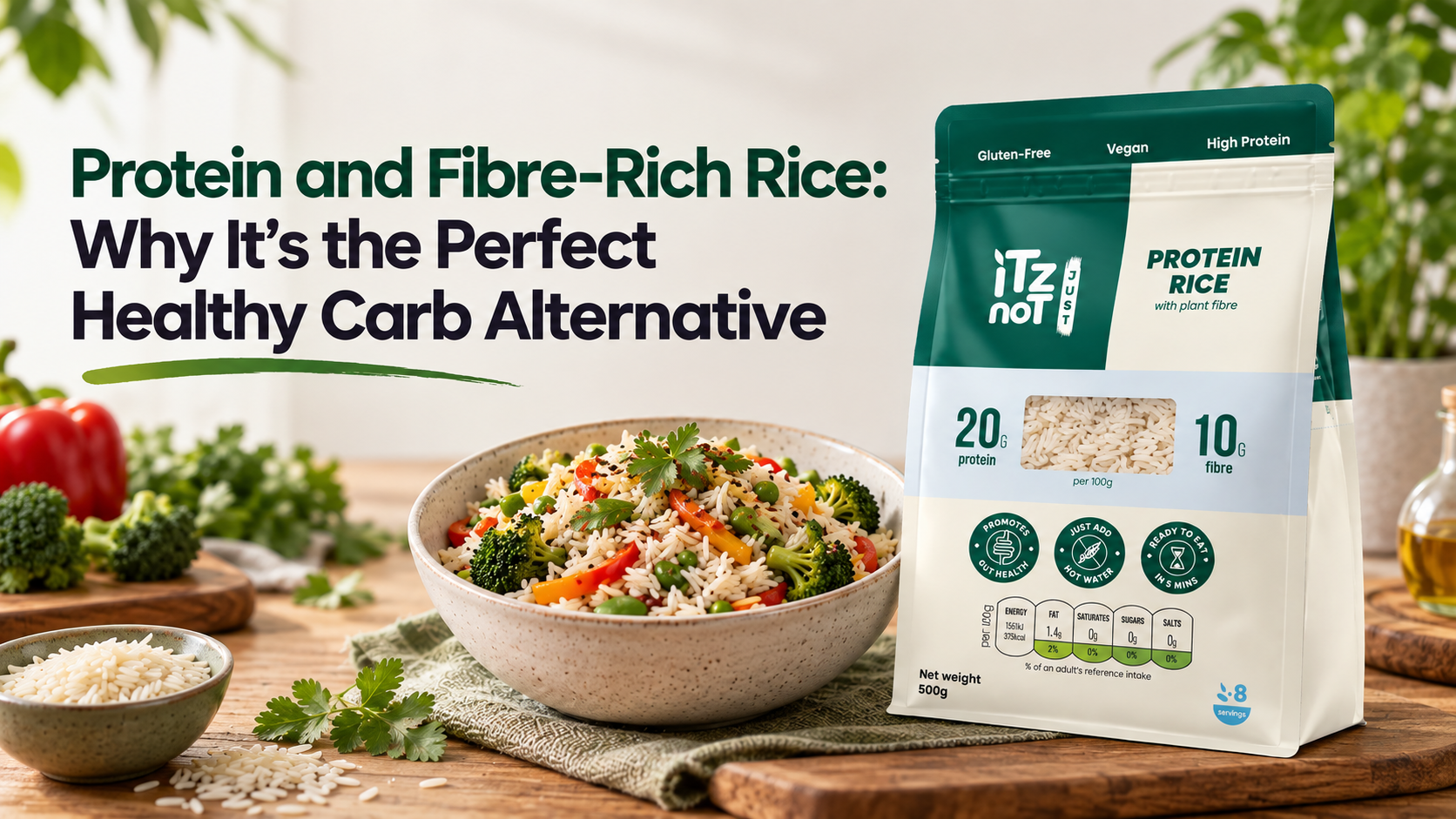
Protein and Fibre Rich Rice: Why It’s the Perfect Healthy Carb Alternative
0 Comments