











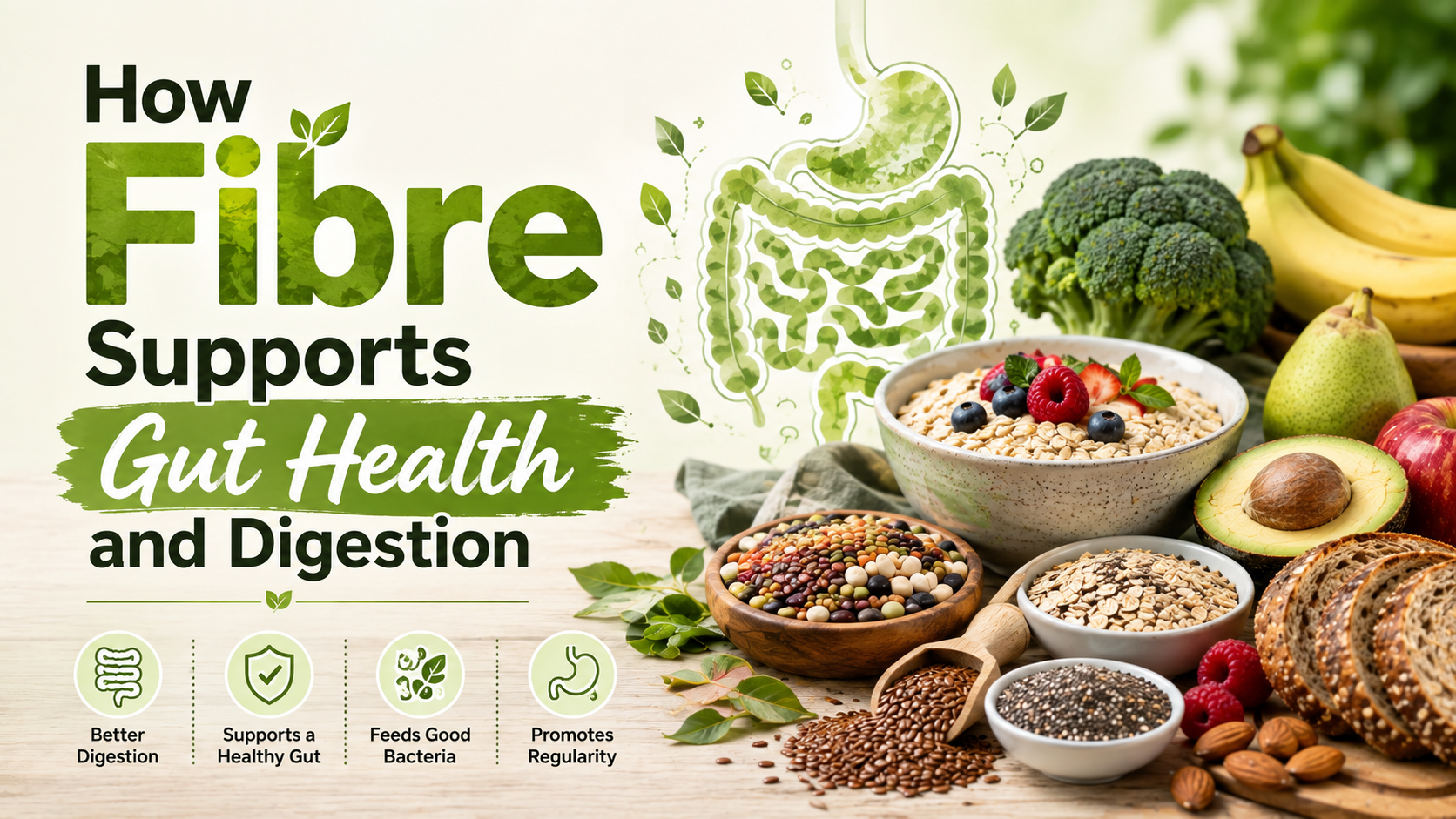
How Fibre Supports Gut Health and Digestion
How Fibre Supports Gut Health and Digestion
Your digestive system does far more than process food. It is home to trillions of microorganisms, collectively known as the gut microbiome that play an important role in digestion, nutrient absorption and overall wellbeing. One of the effective ways to support this complex ecosystem is through your diet, and fibre for gut health. While fibre is associated with regular bowel movements, its benefits go much further.
Certain types of fibre act as food for beneficial gut bacteria, helping them produce compounds that support a healthy digestive system and maintain the gut lining. This is why nutrition experts recommend eating a variety of plant-based foods for a balanced diet.
If you've ever wondered does fibre help gut health or which high fibre foods for gut health are worth adding to your meals, this guide brings practical advice for you. You'll learn how fibre supports the gut microbiome, discover the best fibre-rich foods to include in your diet and find different ways to build balanced meals that support long-term digestive health.
What Is Fibre and Why Does Your Body Need It?
Dietary fibre is a type of carbohydrate naturally found in plant foods. Unlike other carbohydrates, fibre isn't fully digested or absorbed by the small intestine. Instead, it travels through the digestive tract, where it performs several important functions before reaching the large intestine.
This characteristic makes fibre valuable for digestive health. Rather than serving as a direct source of energy, it supports healthy bowel function and provides food for beneficial gut bacteria.
Dietary Fibre Categories
Soluble Fibre
Soluble fibre dissolves in water to form a gel-like substance. During digestion, it slows the movement of food through the digestive system and is fermented by beneficial bacteria living in the colon.
Common sources include:
-
Oats
-
Barley
-
Apples
-
Pears
-
Citrus fruits
-
Beans
-
Lentil
Insoluble Fibre
Insoluble fibre behaves differently. It does not dissolve in water and instead adds bulk to stool, helping food move through the digestive tract more efficiently.
Good sources include:
-
Wholemeal bread
-
Brown rice
-
Wheat bran
-
Broccoli
-
Carrots
-
Nuts
-
Seeds
Soluble vs Insoluble Fibre
|
Feature |
Soluble Fibre |
Insoluble Fibre |
|
Water Solubility |
Dissolves in water |
Does not dissolve in water |
|
Action in Digestion |
Forms a gel during digestion |
Adds bulk to stool |
|
Gut Microbiome Impact |
Feeds beneficial gut bacteria |
Supports regular bowel movements |
|
Common Sources |
Found in oats, beans and fruit |
Found in vegetables, wholegrains and nuts |
Rather than choosing one over the other, aim to include a variety of fibre-rich foods throughout the week to support overall digestive health.
How Fibre Supports Gut Health
When discussing fibre for gut health, the conversation leads to the gut microbiome which contributes positively to digestion and overall wellbeing.
Supports Comfortable, Regular Digestion
One of fibre's most recognised benefits is supporting regular bowel movements. It maintains a normal digestive function when combined with adequate fluid intake. For many people, gradually increasing fibre intake, rather than making sudden dietary changes can help the digestive system adapt more comfortably.
Fibre Acts as a Natural Prebiotic
Some fibres are classified as prebiotics, meaning they selectively feed beneficial bacteria already living in the gut.
Foods naturally rich in prebiotic fibres include:
-
Onions
-
Garlic
-
Leeks
-
Chicory root
-
Asparagus
-
Oats
-
Bananas
Regularly including these foods within your diet helps to create favourable conditions for beneficial microbes to flourish naturally.
Why Gut Health Matters Beyond Digestion
Although digestion is the primary focus, the gut microbiome performs several other important functions. A healthy digestive system supports:
-
Efficient nutrient absorption
-
Production of certain vitamins by gut bacteria
-
Normal immune function, with a large proportion of immune cells associated with the gastrointestinal tract
-
Maintenance of the intestinal lining, which acts as a protective barrier between the gut and the rest of the body
Does Fibre Help Gut Health?
Research shows that diets rich in dietary fibre support a healthier gut microbiome by encouraging the growth and activity of beneficial bacteria. As these bacteria ferment certain fibres, they produce short-chain fatty acids (SCFAs), including butyrate, acetate and propionate. These compounds help to nourish the cells lining the colon and contribute to maintaining a healthy intestinal environment.
The benefits of fibre don't come from a single “superfood”. Instead, they result from consistently eating a broad range of fibre-rich foods over time. Wholegrains, vegetables, legumes, fruit, nuts and seeds each provide different types of fibre, helping to create a varied and resilient gut microbiome.
High Fibre Foods for Gut Health
Building meals around naturally fibre-rich ingredients is one of the simplest ways to support your digestive health. Below are some of the best high fibre foods for gut health, along with their nutritional benefits.
Wholegrains
Wholegrains retain the bran and germ of the grain, making them naturally richer in fibre than refined alternatives.
Good options include:
-
Oats
-
Barley
-
Wholemeal bread
-
Brown rice
-
Wholewheat pasta
-
Rye
Vegetables
Vegetables provide both soluble and insoluble fibre, alongside vitamins, minerals, and plant compounds.
Excellent choices include:
-
Broccoli
-
Brussels sprouts
-
Carrots
-
Sweet potatoes
-
Spinach
-
Kale
-
Peas
Fruit
Fruit provides fibre together with naturally occurring vitamins and antioxidants.
Some of the highest-fibre fruits include:
-
Pears
-
Apples (with the skin)
-
Raspberries
-
Blackberries
-
Oranges
-
Bananas
Legumes
Beans and pulses are among the richest sources of dietary fibre available.
Examples include:
-
Lentils
-
Chickpeas
-
Kidney beans
-
Butter beans
-
Black beans
Nuts and Seeds
Although eaten in smaller portions, nuts and seeds contribute to valuable fibre and healthy fats.
Consider including:
-
Chia seeds
-
Ground flaxseed
-
Almonds
-
Walnuts
-
Pumpkin seeds
Easy Ways to Eat More Fibre Every Day
Increasing your fibre intake doesn't require a complete overhaul of your diet. Small, consistent changes are often the most sustainable. Here are some ways to enjoy more high fibre foods for gut health throughout the day.
Start with Breakfast
Swap refined breakfast cereals for fibre-rich options such as porridge oats or overnight oats. Adding berries, sliced pear or ground flaxseed provides even more fibre while keeping breakfast satisfying.
Include Vegetables at Every Main Meal
Whether you're preparing a stir-fry, pasta dish or salad, vegetables can easily make up half the plate. This simple habit naturally increases your fibre intake while adding colour and flavour.
Choose Wholegrains More Often
Replacing white bread, white rice or refined pasta with wholegrain alternatives increases fibre without making meals feel restrictive.
Add More Beans and Lentils
Lentils work well in soups, curries and shepherd's pie, while chickpeas are an excellent addition to salads and roasted vegetable dishes.
Snack Smarter
Fresh fruit, a handful of almonds or oatcakes with hummus provide fibre alongside other valuable nutrients, making them more satisfying than highly processed snacks.
Common Mistakes When Increasing Fibre Intake
Adding more fibre to your diet is a positive step, but a few common mistakes can make the transition less comfortable.
Increasing Fibre Too Quickly
A sudden jump from a low-fibre diet to a high-fibre diet may lead to temporary bloating, excess gas or abdominal discomfort. Gradually increasing your intake over several weeks gives your digestive system and gut microbiome time to adapt.
Forgetting to Drink Enough Water
Fibre works alongside fluid. Drinking enough water helps fibre move comfortably through the digestive system and supports normal bowel function.
Relying Only on Fibre Supplements
While supplements may be appropriate in some situations following professional advice, whole foods provide much more than fibre alone. Fruit, vegetables, legumes and wholegrains also supply vitamins, minerals and naturally occurring plant compounds that contribute to overall health.
Making Fibre-Rich Meals Easier
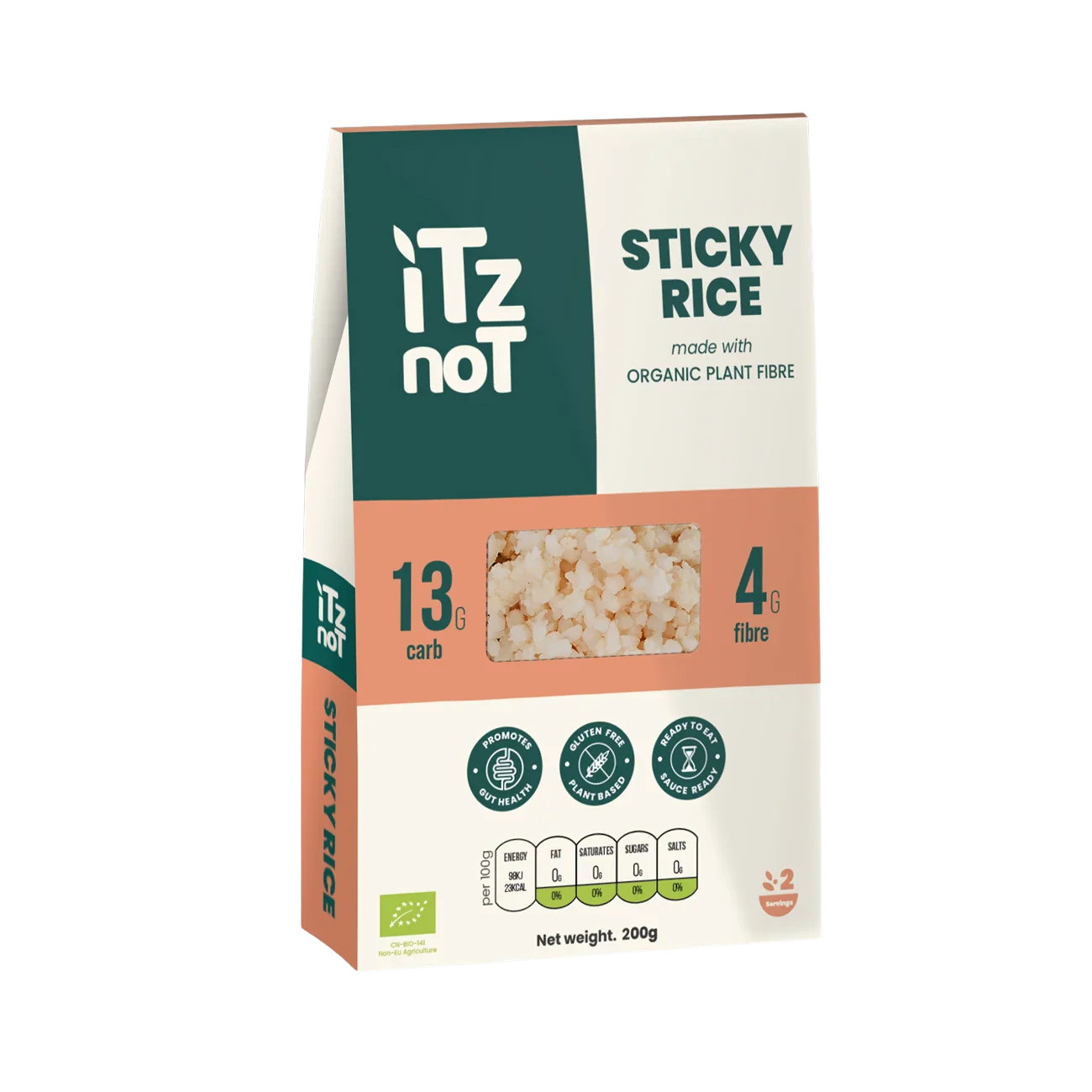
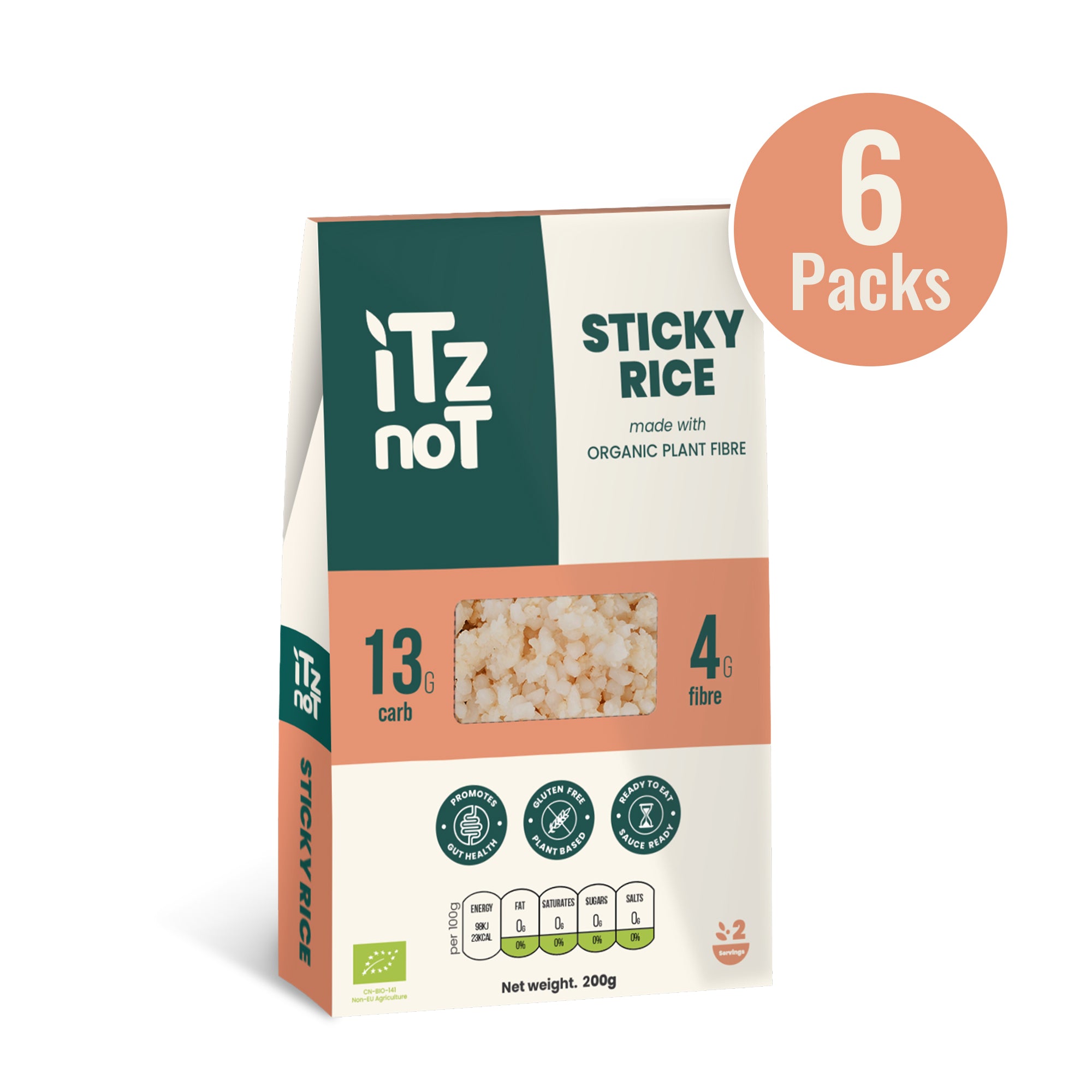
Eating enough fibre doesn't have to mean spending hours in the kitchen or following a restrictive eating plan. In fact, the most sustainable approach is often the simplest: build meals around vegetables, legumes, wholegrains and other plant foods, then choose convenient ingredients that complement those choices.
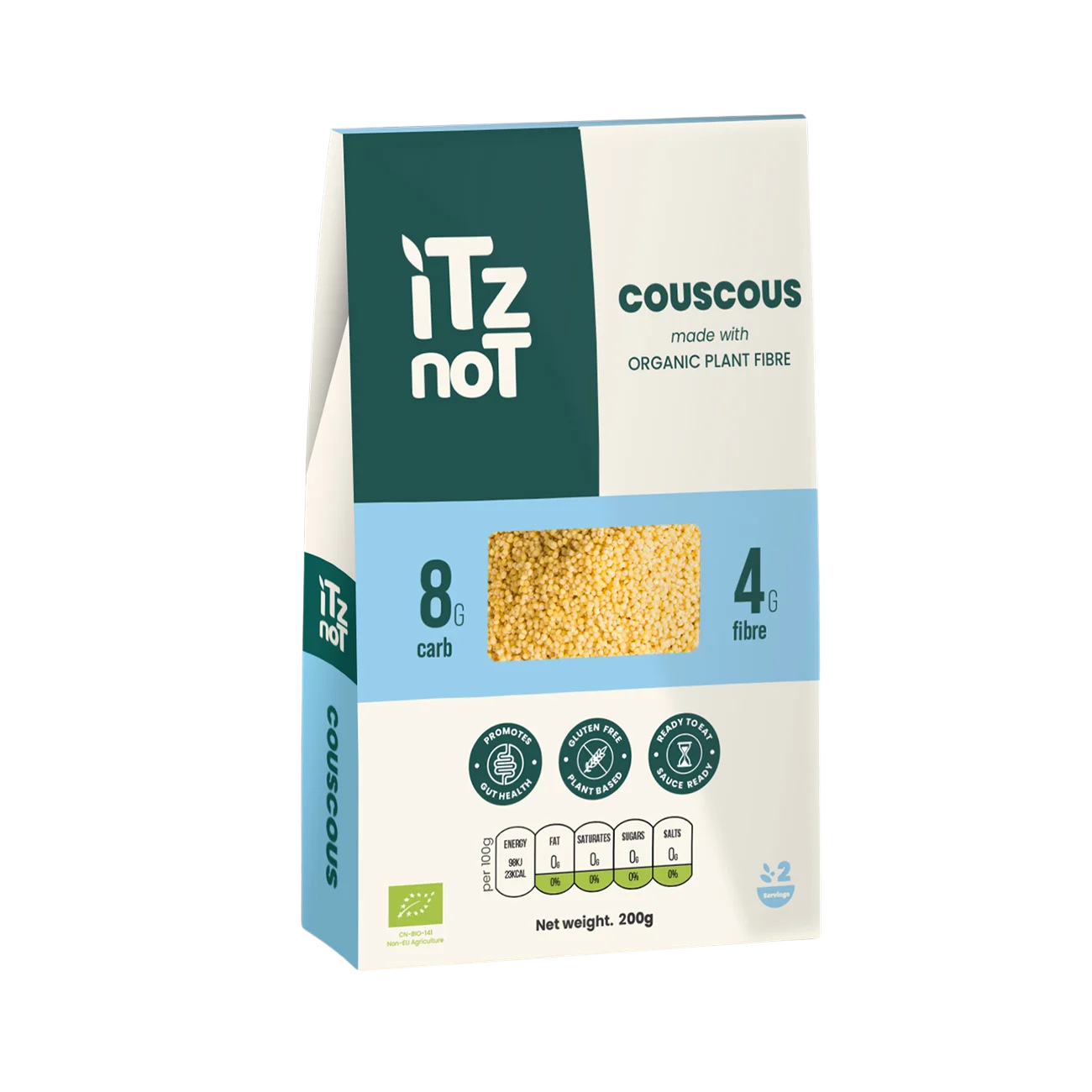
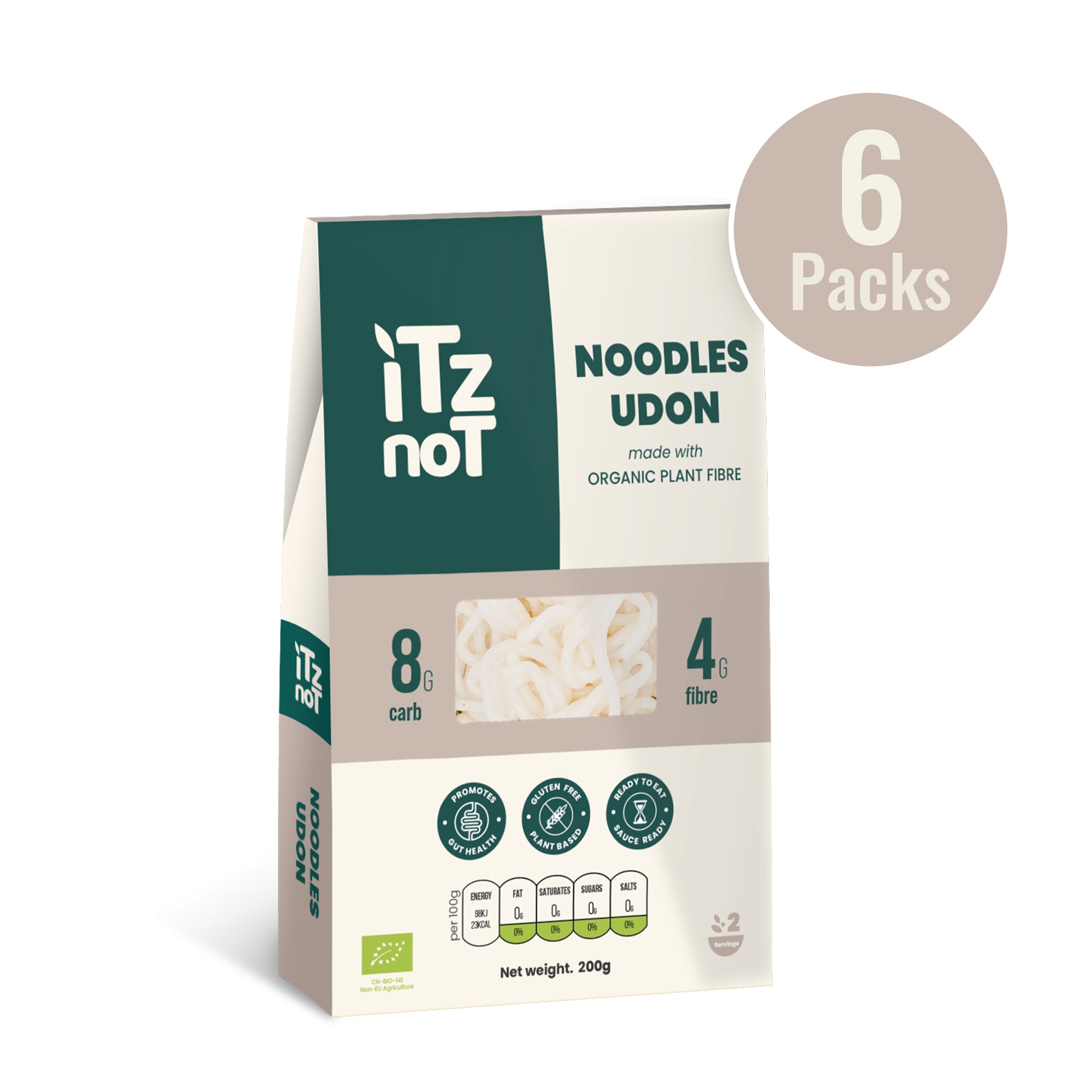
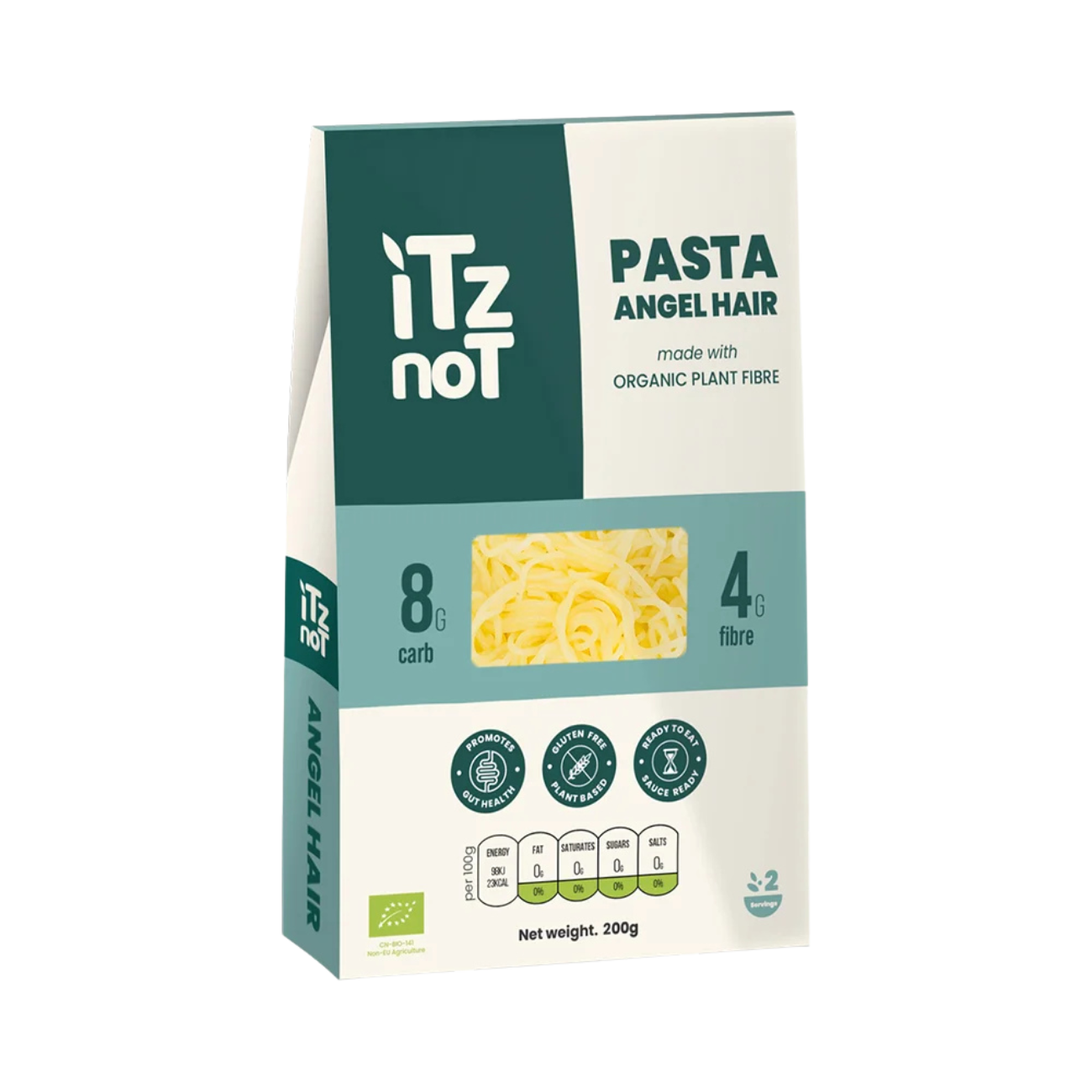
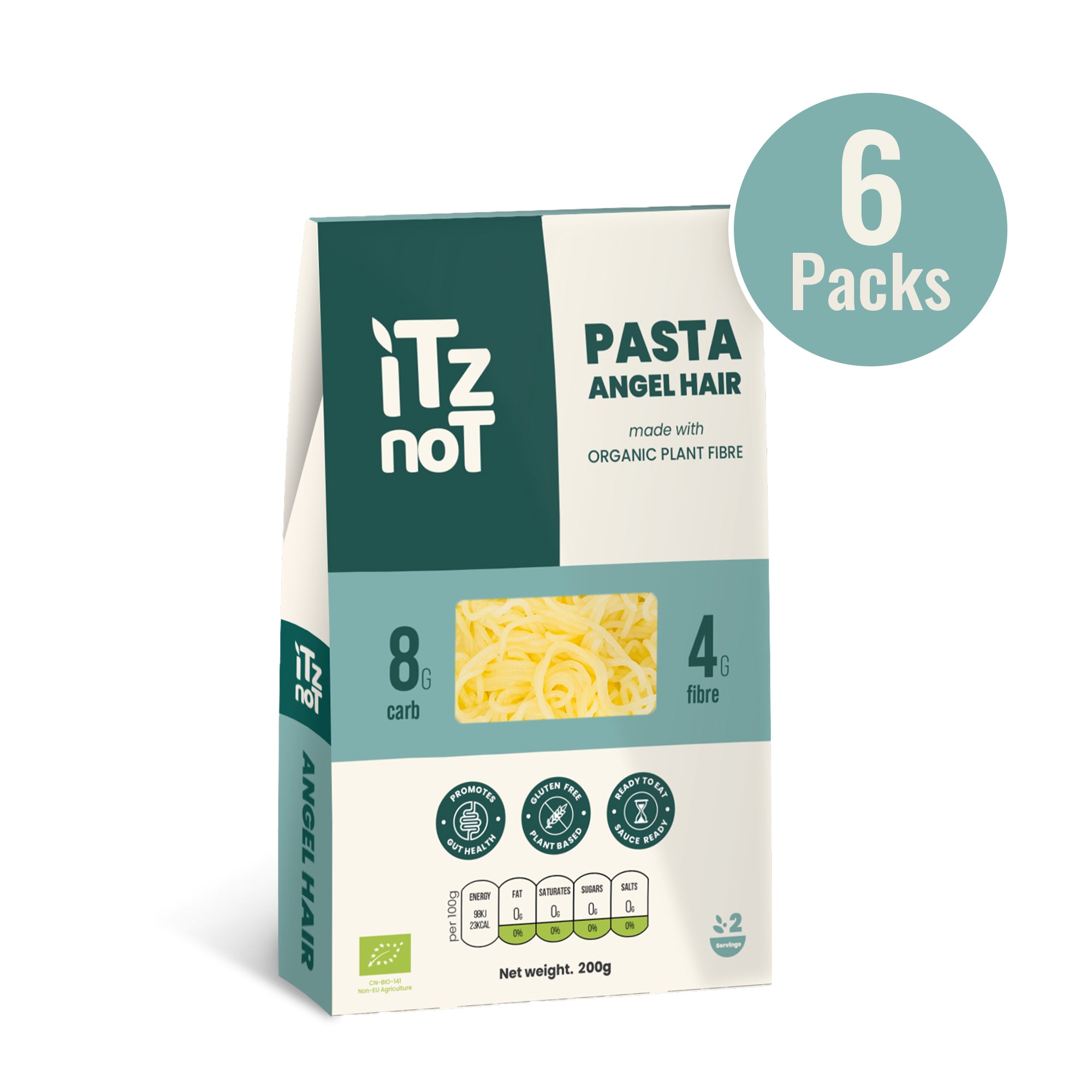
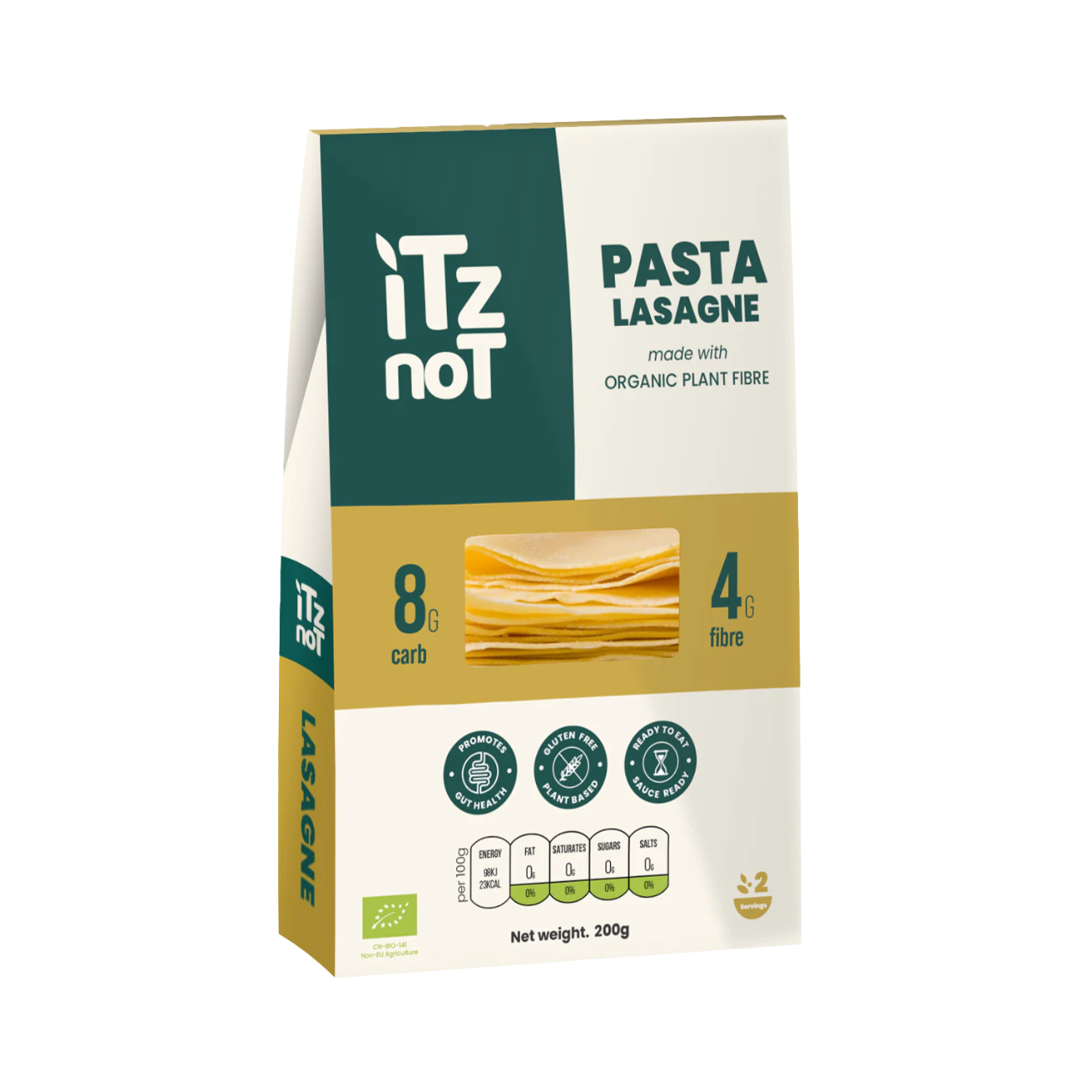
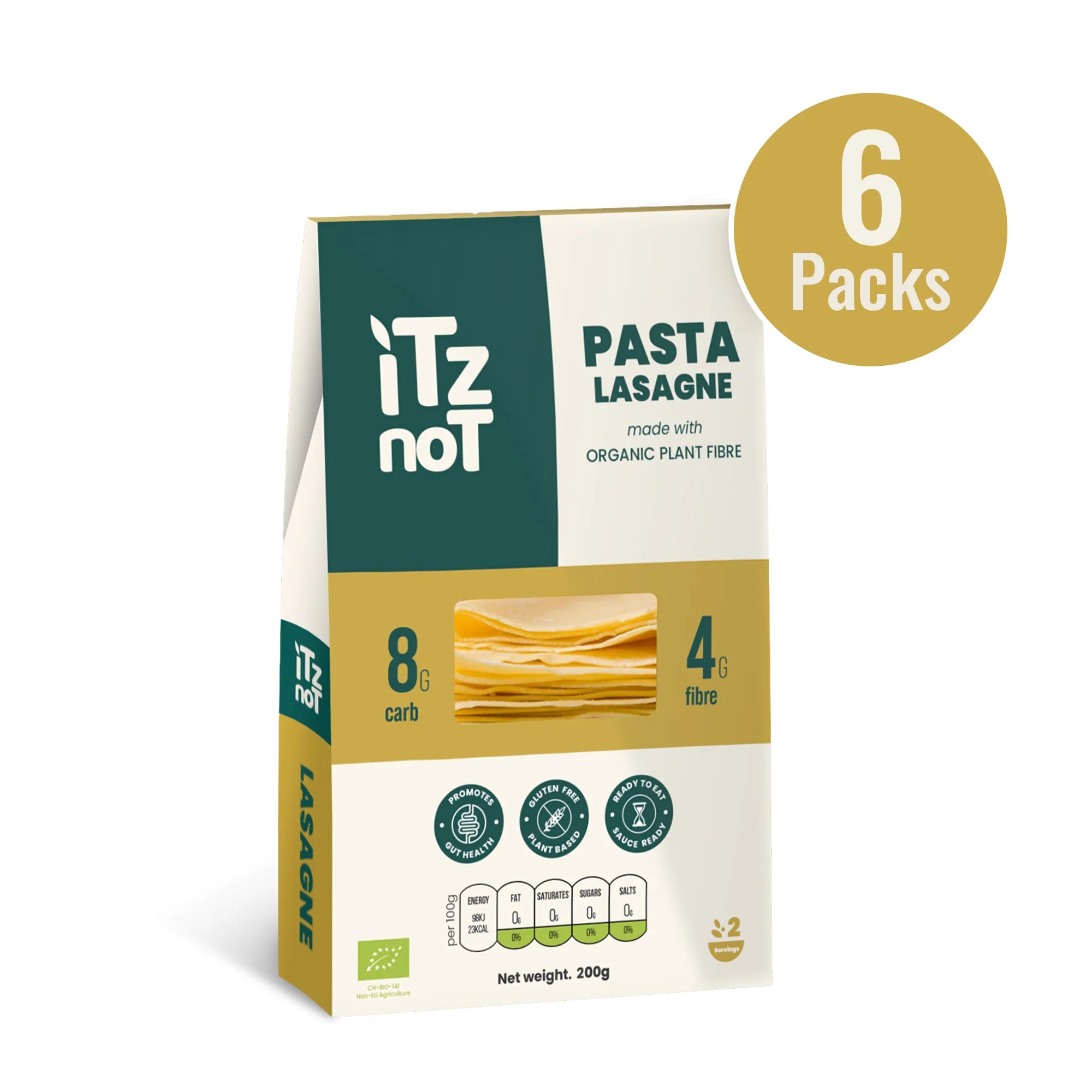
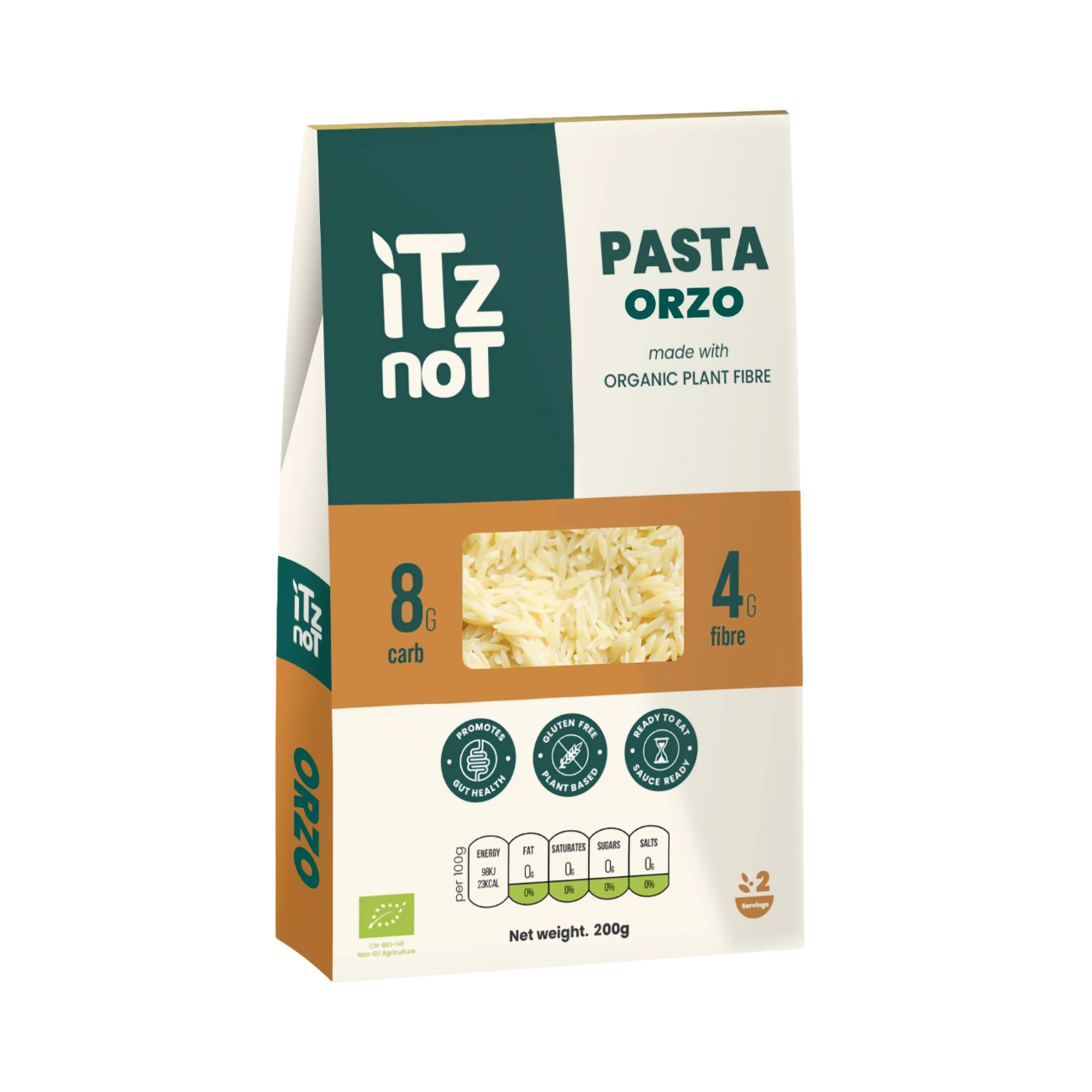
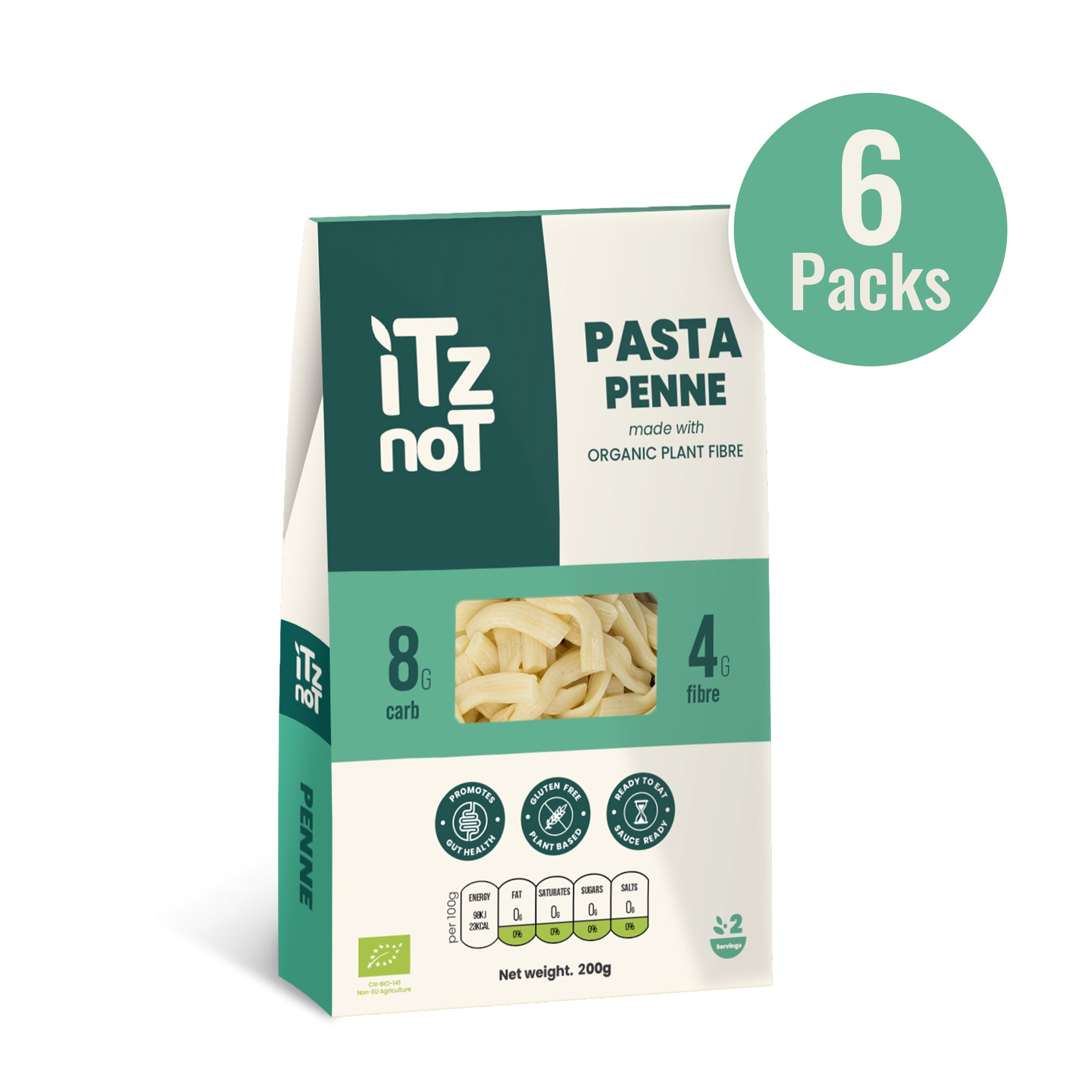
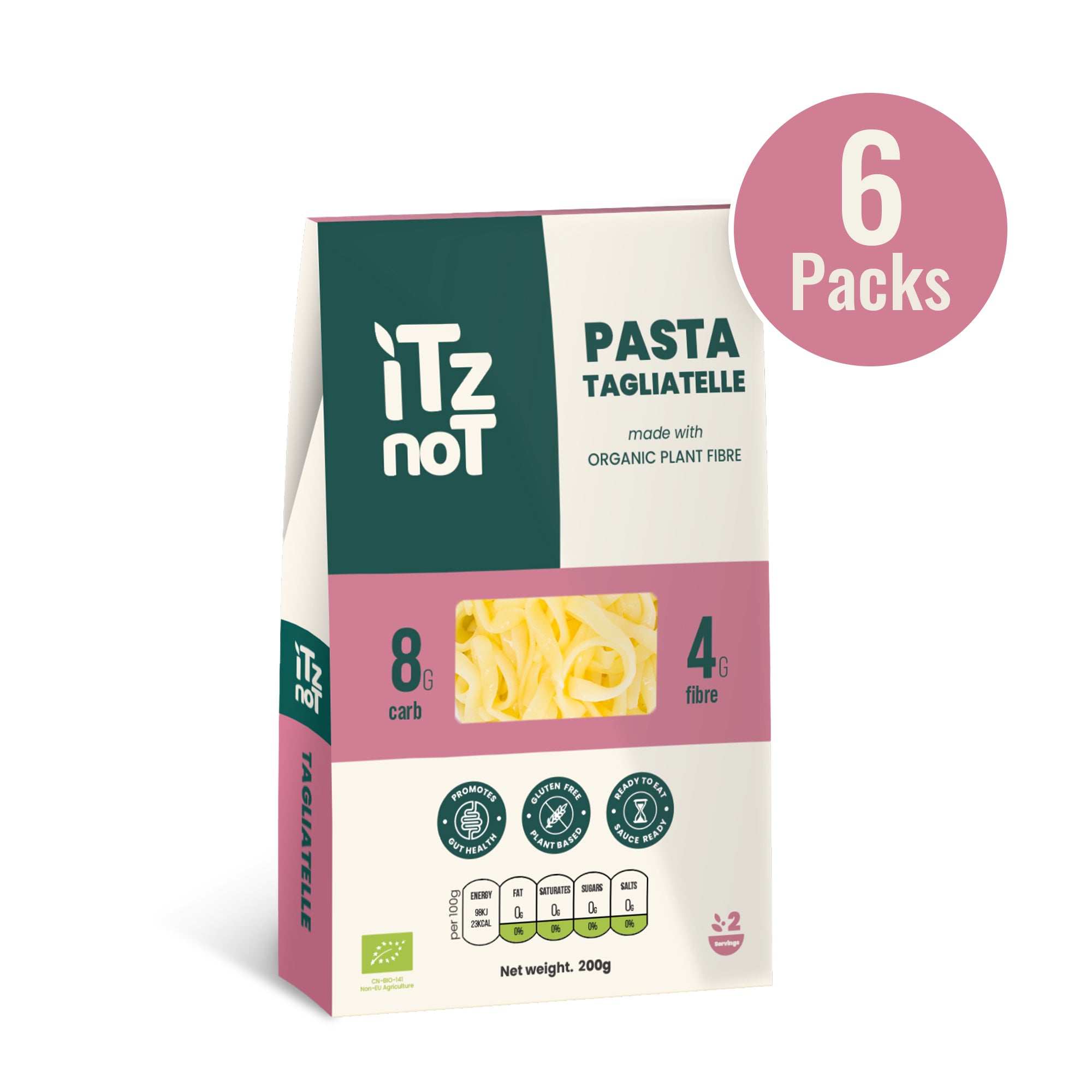
Pairing plenty of vegetables with low-carb konjac pasta can create a lighter meal that still feels satisfying. Konjac pasta is low in carbohydrates, making it an easy base for fibre-rich vegetables, lentils or sauces.
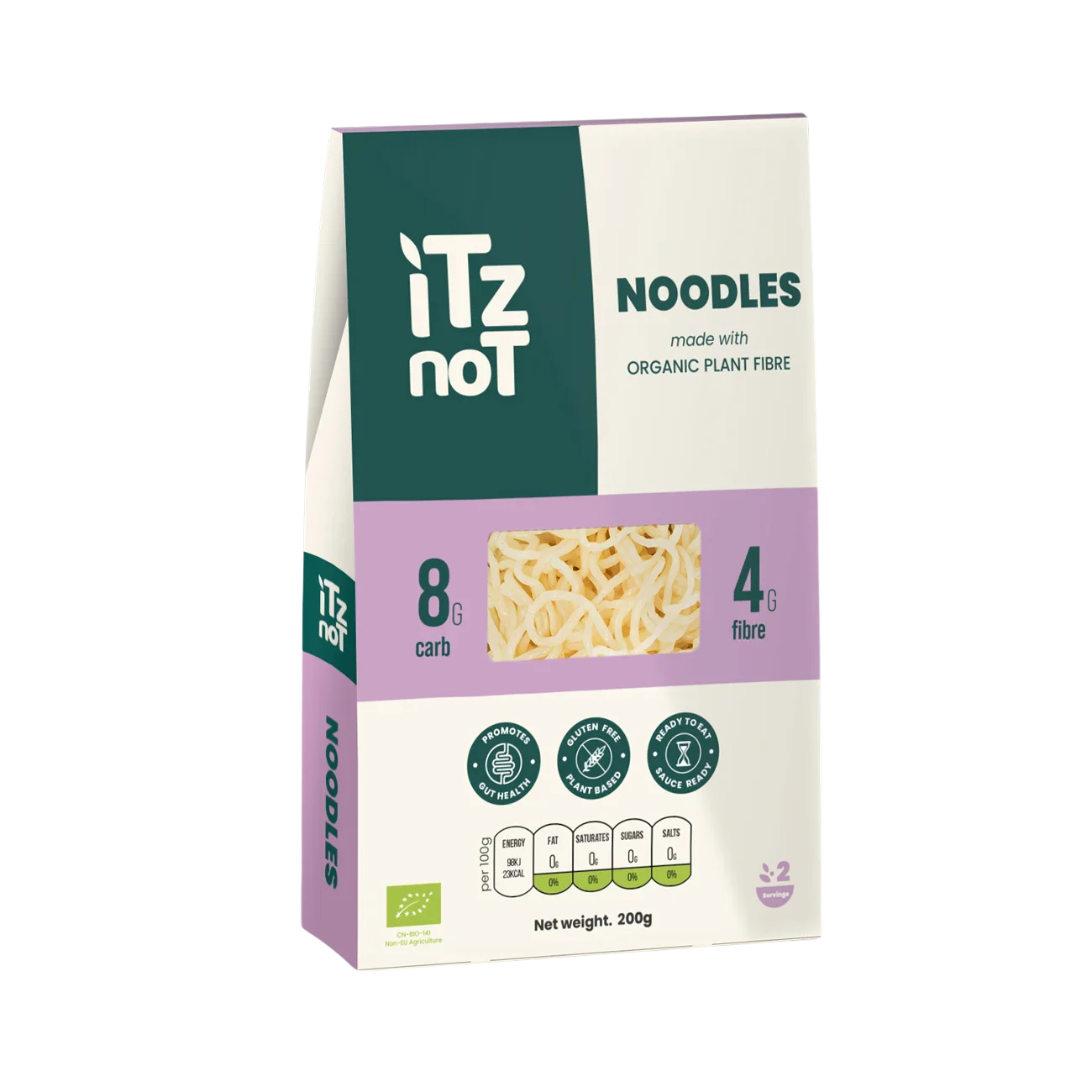
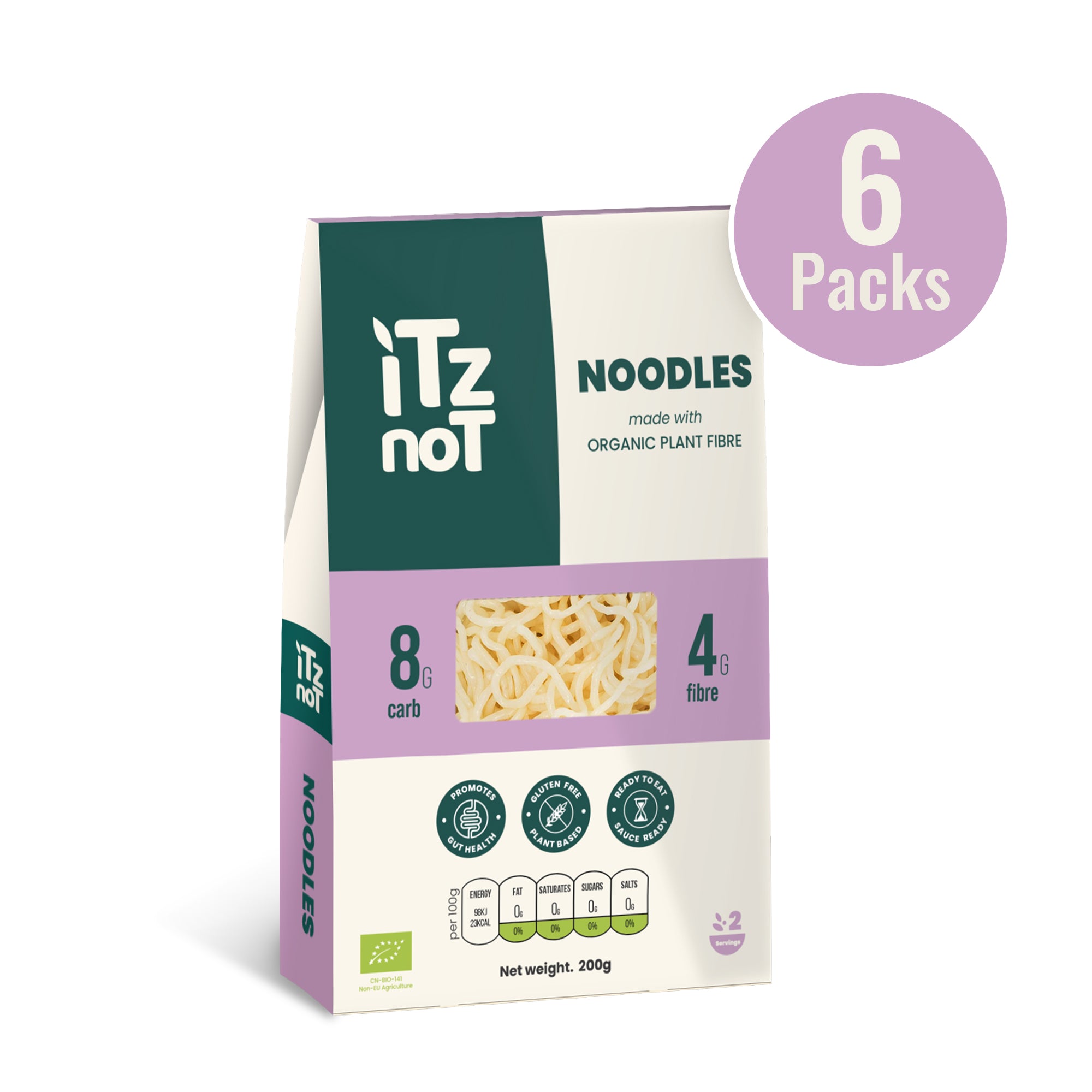
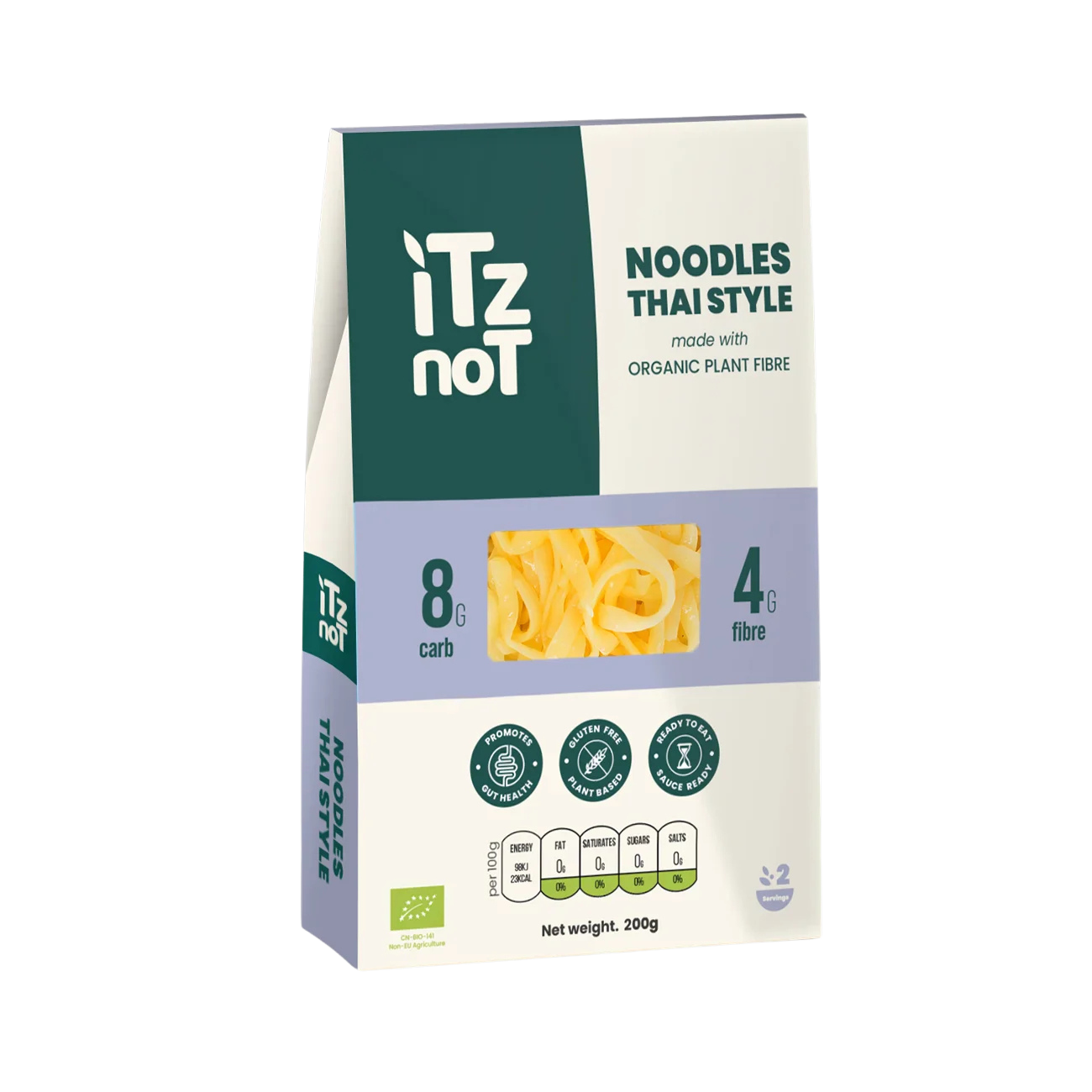
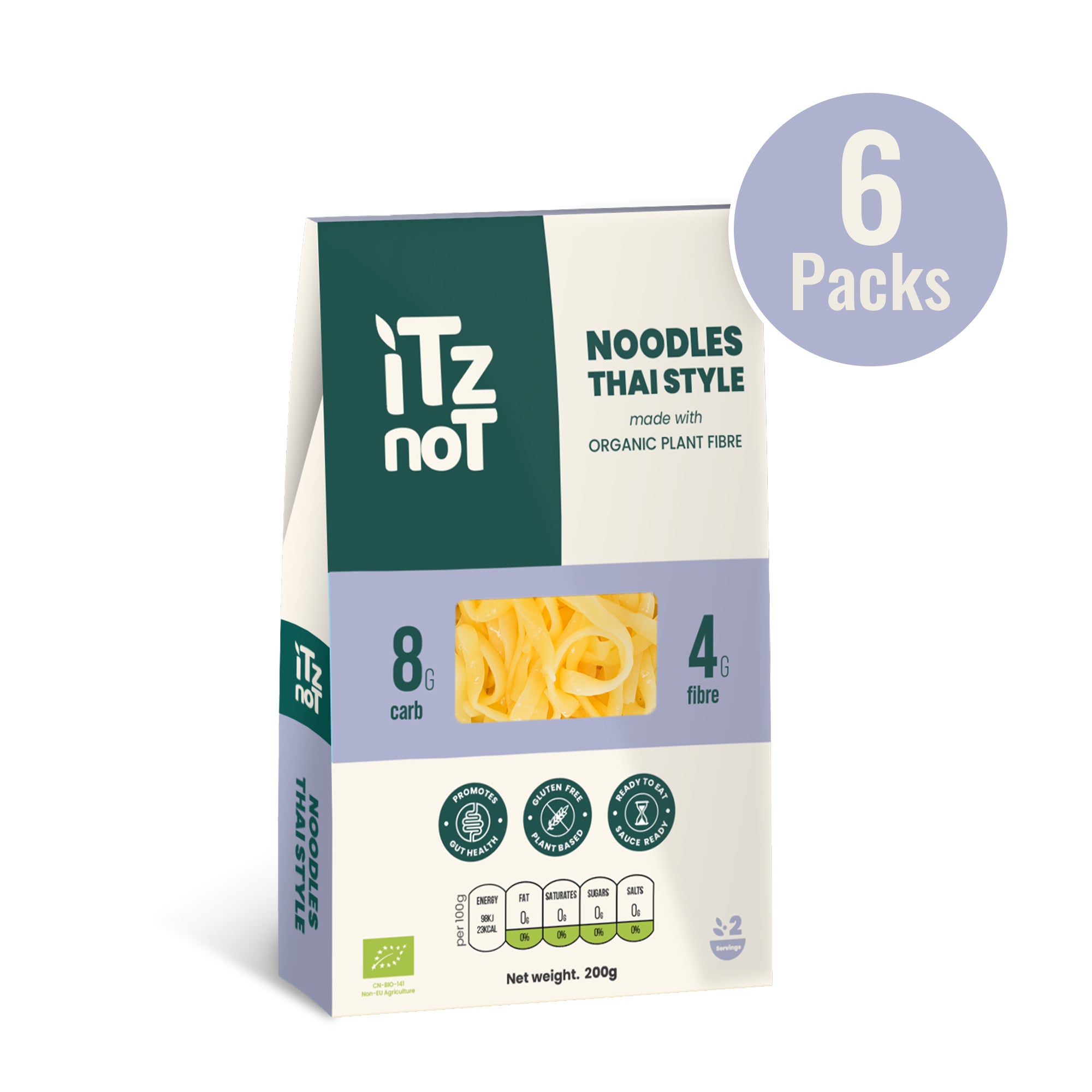
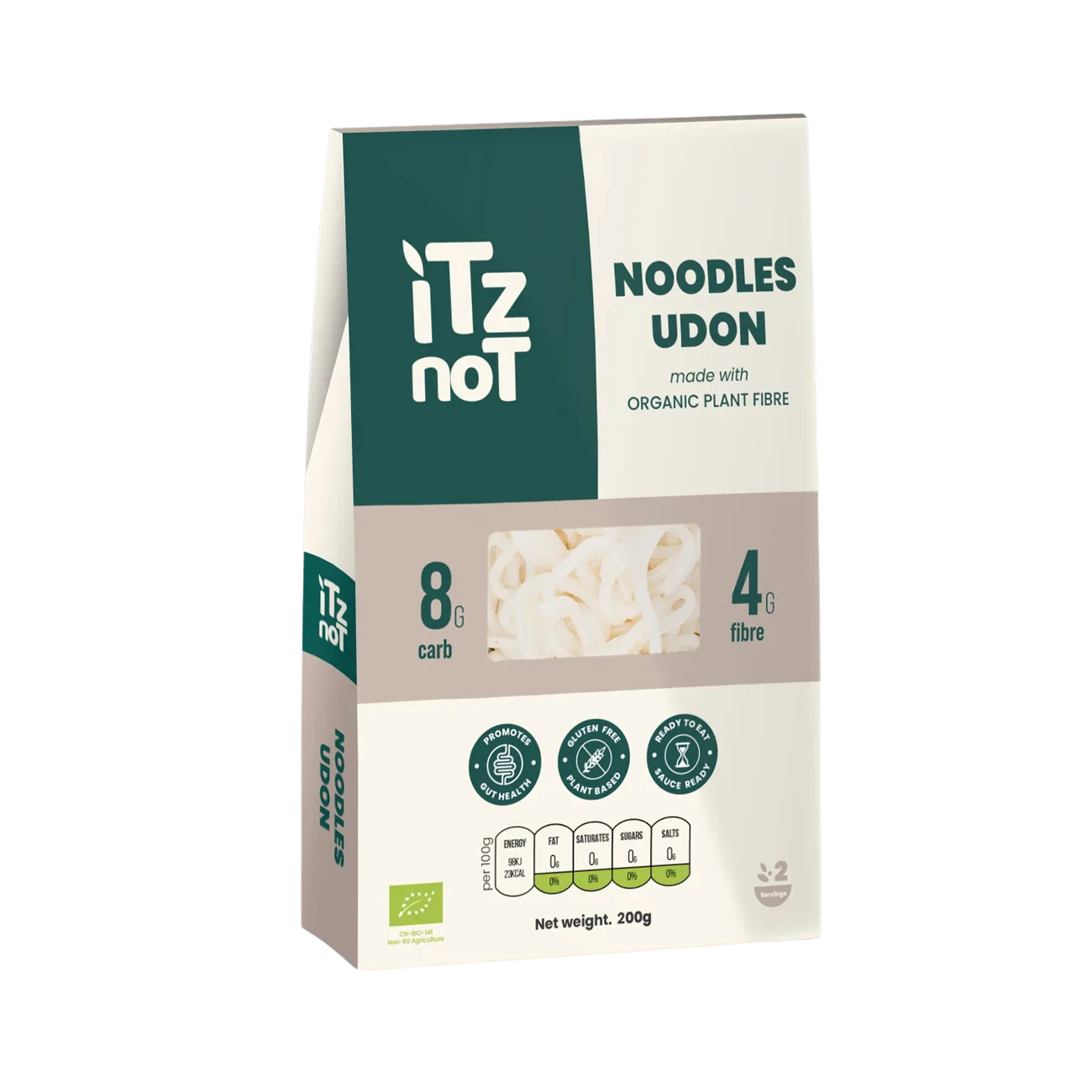
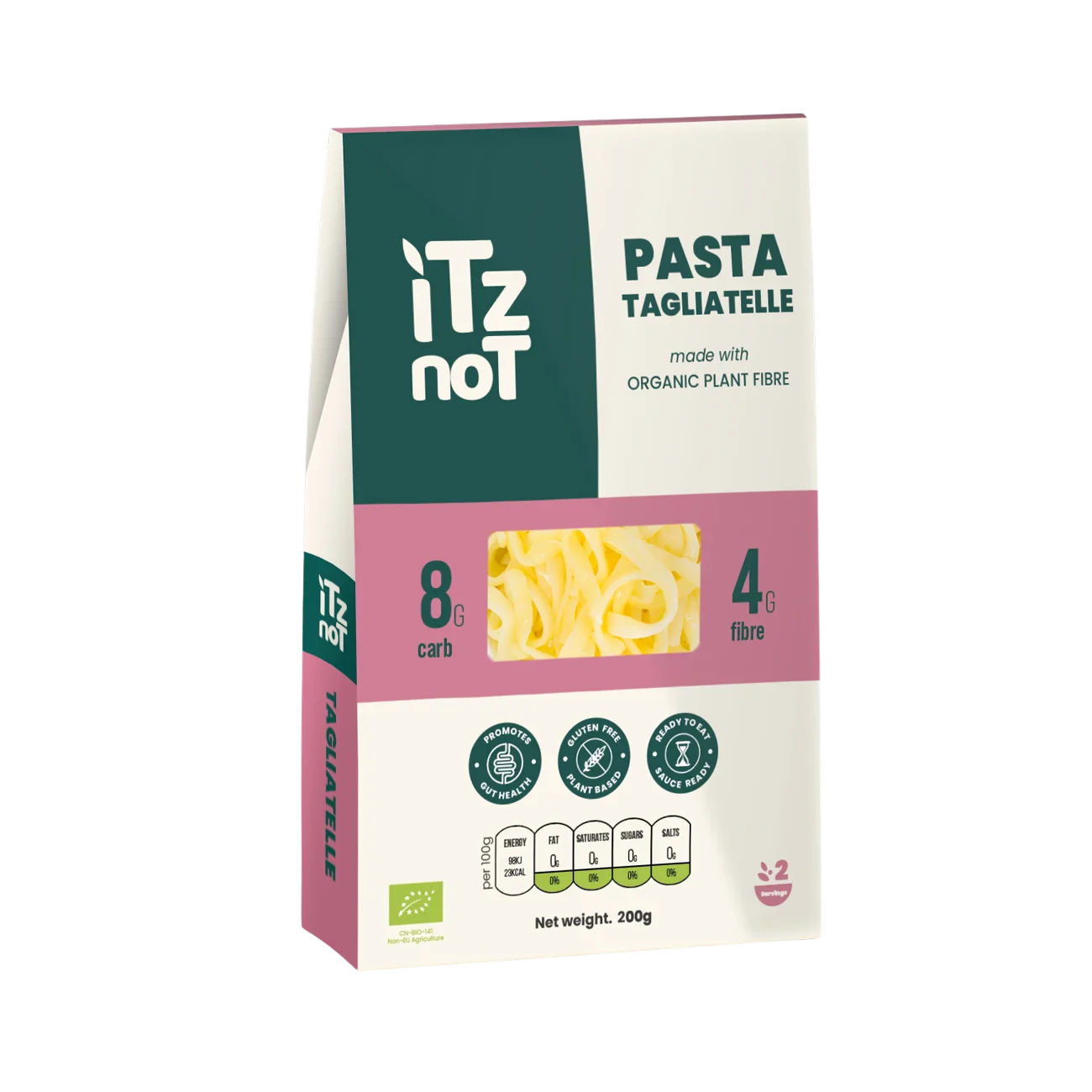
Similarly, healthy low-carb konjac noodles work well in vegetable-packed stir-fries, broths and grain-free noodle bowls. For busy professionals, planning balanced meals in advance can sometimes be the biggest challenge rather than knowing what to eat. Choosing healthy fresh meals that include plenty of vegetables, legumes and other wholesome ingredients can help you to maintain healthy eating habits when time is limited.
Conclusion
Supporting your digestive health doesn't require complicated diets or expensive supplements. Having a varied, plant-rich diet also provides plenty of dietary fibre every day.
Whether you're choosing wholegrains at breakfast, adding beans to a lunchtime salad or filling your evening meal with vegetables, these small decisions collectively support your gut microbiome and healthy digestion. Combined with consistency, these habits can help you to support long-term digestive wellbeing.
Frequently Asked Questions
Does fibre improve gut health?
Yes. Dietary fibre helps feed beneficial gut bacteria, supports the production of short-chain fatty acids and contributes to a healthy gut microbiome. It also promotes regular bowel movements and supports normal digestive function.
How much fibre do adults need each day?
Adults should aim for 30g of fibre per day as part of a healthy, balanced diet.
Does soluble or insoluble fibre matter more?
Both are important. Soluble fibre is fermented by beneficial gut bacteria and helps produce short-chain fatty acids, while insoluble fibre supports regular bowel movements.
Can eating too much fibre cause digestive discomfort?
Yes, particularly if fibre intake increases suddenly. Introducing fibre gradually and drinking enough water usually helps minimise temporary bloating or gas while your digestive system adjusts.

Related post
12
Sep
26
Aug
RECENT POSTS
28.September.2026
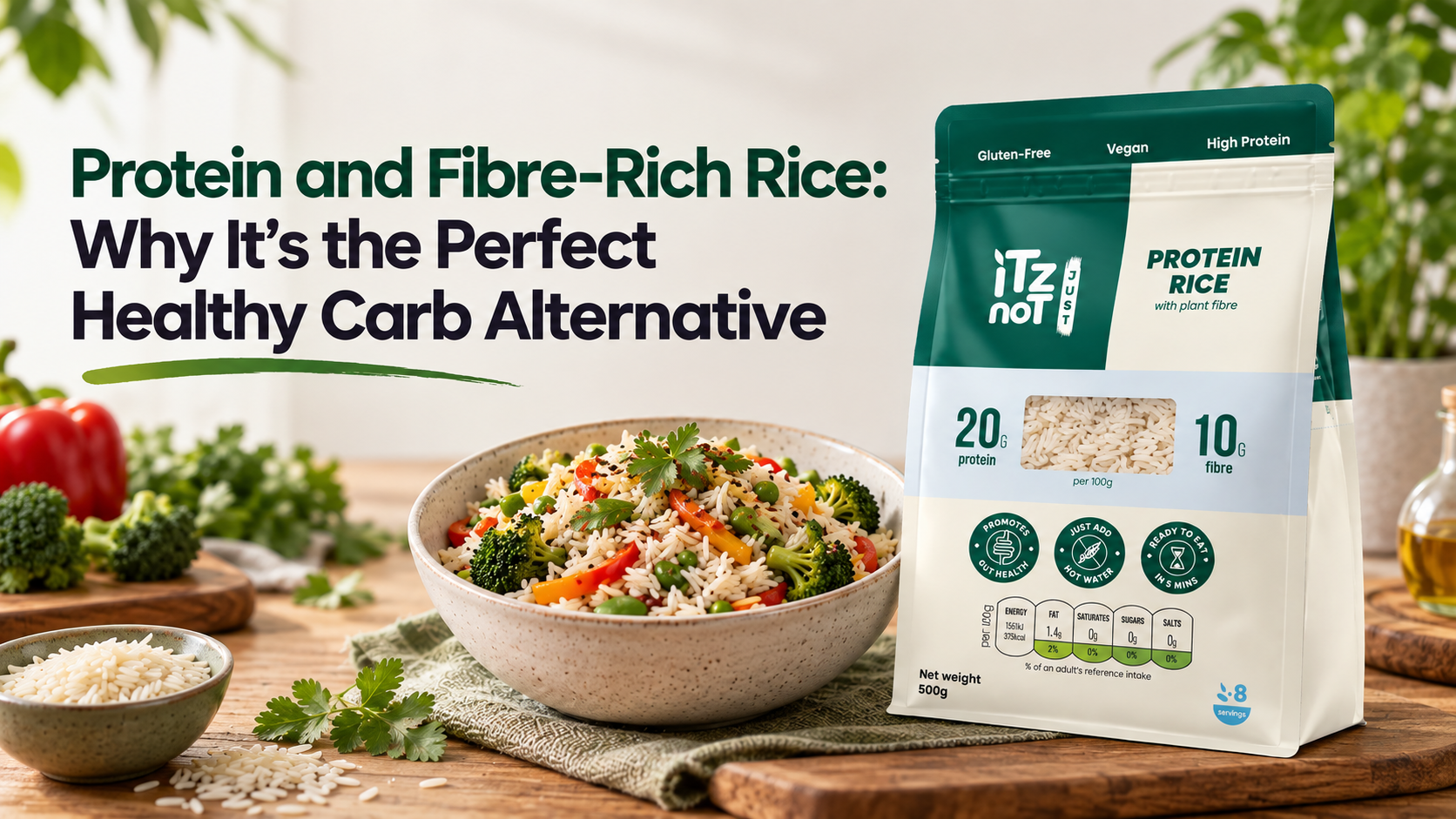
Protein and Fibre Rich Rice: Why It’s the Perfect Healthy Carb Alternative
0 Comments