






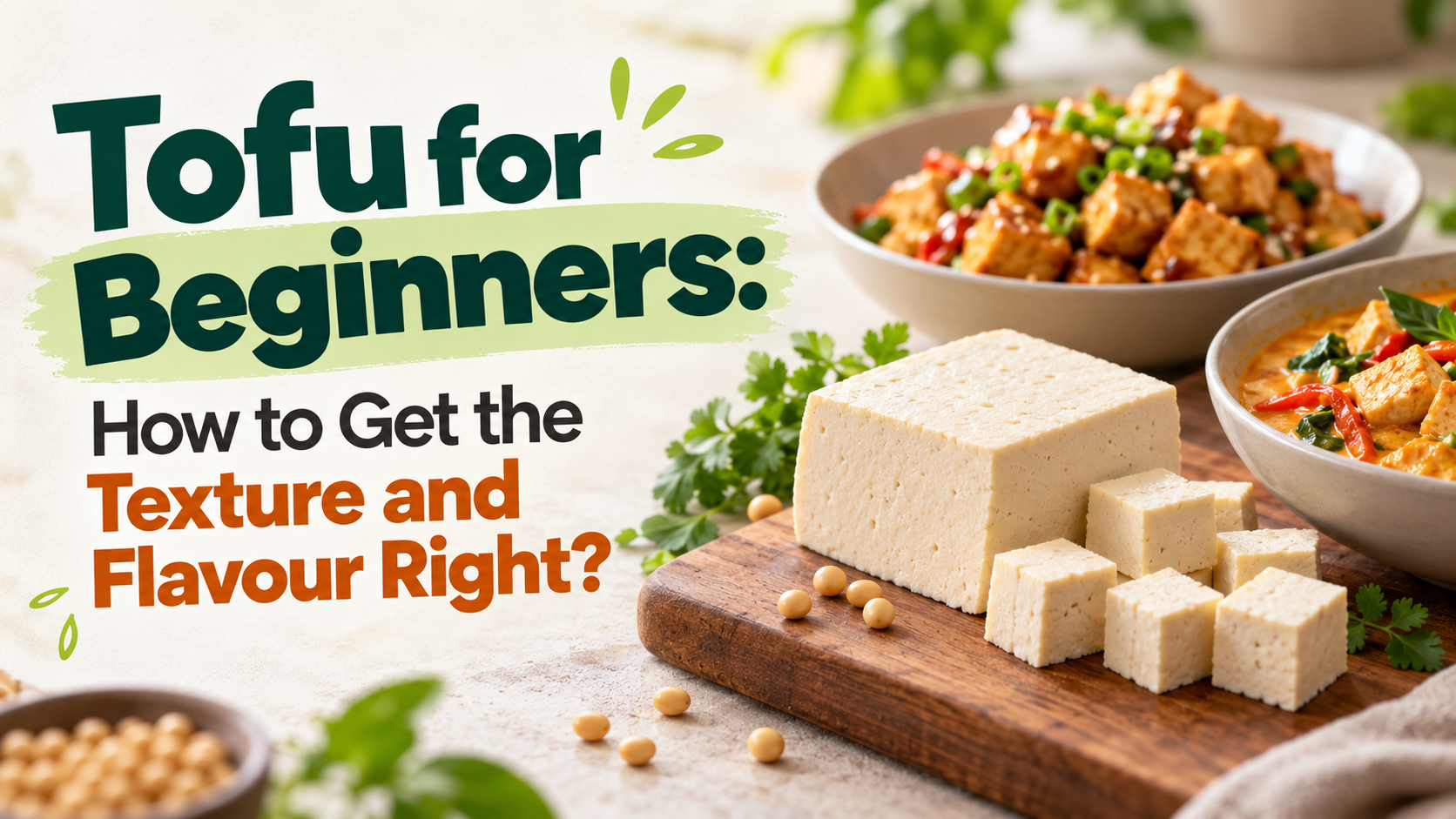
Tofu for Beginners: How to Get the Texture and Flavour Right
Tofu for Beginners: How to Get the Texture and Flavour Right
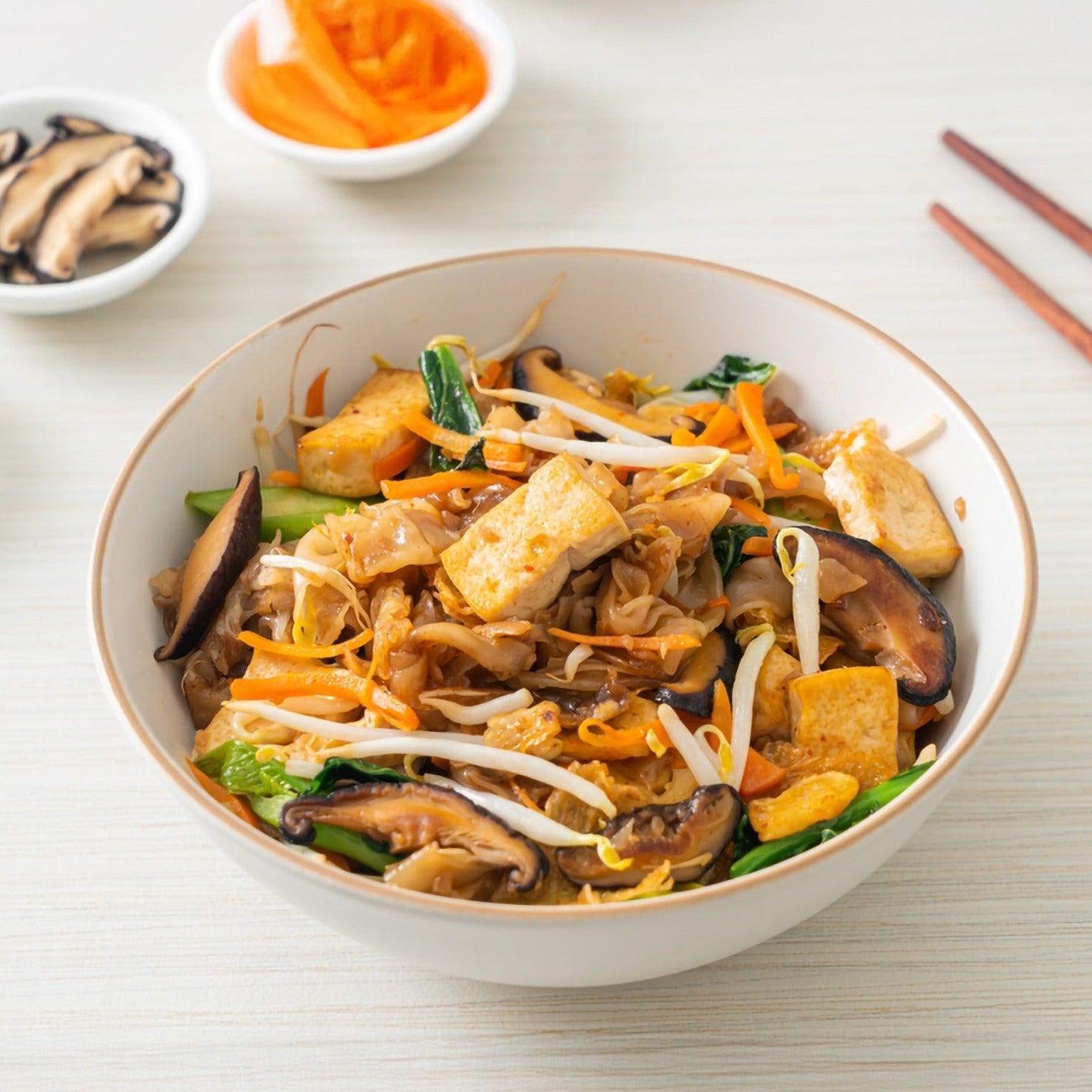
Tofu is a versatile ingredient that becomes much easier to cook once you understand how its texture works. Depending on the variety and cooking method, it can develop a golden crust in a frying pan, become firmer and chewier in the oven, or blend smoothly into sauces and soups.
These differences begin during production. Tofu is made by coagulating soya milk, and the coagulant used can influence the texture and characteristics of the finished product. Calcium sulphate is a traditional coagulant in Chinese tofu-making, while nigari, used in Japanese tofu production, is derived from seawater and consists primarily of magnesium chloride. The choice of coagulant is one of several factors that can affect the tofu’s final texture and flavour.
Understanding these differences can help you to choose the right tofu for your recipe and prepare it more effectively. If your tofu has turned out watery, fallen apart or lacked flavour in the past, a few simple adjustments can make a difference. This guide explains how to cook tofu and create satisfying meals with confidence.
What Is Tofu and How Is It Made?
Tofu is a food made by coagulating soya milk and pressing the resulting curds into blocks. The process is broadly similar to making cheese, although tofu uses soya beans rather than dairy milk. Its firmness depends partly on how much water remains in the finished product and how it is processed. Tofu has a naturally mild flavour, which makes it useful in a wide range of savoury dishes.
Different varieties suit different cooking methods:
-
Silken tofu: Soft and delicate, making it suitable for blended sauces, soups and creamy dishes.
-
Firm tofu: Holds its shape well in stir-fries, curries and pan-fried dishes.
-
Extra-firm tofu: A practical choice for cubes, slices and baked tofu when you want a more substantial texture.
Firm or extra-firm tofu is usually the easiest place to start for beginners, if the aim is to achieve a golden exterior without the pieces falling apart.
Should You Drain or Press Tofu Before Cooking?
Draining or pressing tofu can improve its texture, but the method you choose depends on the type of tofu and the dish you are preparing. Removing excess moisture can help firm tofu brown more effectively in a frying pan or oven, while some recipes work perfectly well without pressing.
What Is the Difference Between Draining and Pressing Tofu?
Draining involves removing the liquid from the tofu packaging before cooking. You can then gently pat the surface dry with a clean kitchen towel or kitchen paper. This is often sufficient when adding tofu to a curry, soup or saucy stir-fry, where a crisp exterior is not the main priority.
Pressing, on the other hand, involves applying gentle pressure to remove additional moisture trapped within the tofu. This can help firm up the texture and make the surface easier to brown. It is useful when preparing crispy tofu cubes, pan-fried slices or baked tofu.
When Should You Press Tofu Before Cooking?
Pressing is most useful when you want tofu to develop a golden exterior. Consider pressing firm or extra-firm tofu when you are:
-
Pan-frying or baking tofu: Removing excess moisture can help the outside brown more effectively.
-
Preparing tofu steaks or slices: A firmer block is easier to cut, handle and turn during cooking.
-
Grilling tofu: Reducing moisture can help the pieces retain their structure on the grill.
-
Adding a coating: A drier surface can help a light coating adhere more effectively.
-
Preparing marinated tofu: Removing some moisture help the marinade coat the tofu more evenly, although the depth of flavour also depends on the marinade and marinating time.
How to Press Tofu Without Special Equipment
You do not need to buy a tofu press to prepare tofu at home. A clean kitchen towel, two flat plates or chopping boards, and a suitable weight are usually enough.
1. Drain the tofu: Remove the block from its packaging and pour away the liquid.
2. Wrap it carefully: Place the tofu inside a clean tea towel or several layers of kitchen paper.
3. Apply gentle pressure: Set the wrapped block on a plate or chopping board, place another flat surface on top and add a modest weight, such as a saucepan.
4. Leave it to press: Allow around 15-30 minutes, depending on the tofu and recipe. Replace the towel if it becomes very wet.
5. Prepare for cooking: Remove the weight, unwrap the tofu and pat away any remaining surface moisture before cutting or seasoning it.
Avoid using excessive weight, as this can crack the block or cause the edges to crumble. If you need to press tofu for an extended period, keep it refrigerated rather than leaving it out on the worktop.
When Can You Skip Pressing Tofu?
Pressing is not necessary for every recipe. If you are short on time, draining the tofu and patting it dry may be all you need. You can generally skip pressing when:
-
Making tofu curry: Tofu can be added to the sauce without developing a crisp exterior first. Drain it and pat it dry, then follow your recipe.
-
Preparing tofu scramble: Crumbled tofu does not need to retain the shape of a whole block.
-
Blending sauces or dips: Silken tofu is designed for soft, smooth preparations and should not be pressed.
-
Using very firm, low-moisture tofu: Some products are already dense enough to cook without additional pressing.
For silken tofu, handle it gently and drain it only if the recipe requires it. Pressing can damage its delicate structure.
How Do You Decide Which Method to Use?
As a simple rule, press tofu when texture and browning are important; drain and pat it dry when the tofu will be crumbled, blended or cooked in a sauce. The variety of tofu you buy also matters, so check the packaging for preparation advice. Once you know when to press tofu and when to skip the step, you can spend less time preparing it and more time building flavour.
How Can You Make Tofu More Flavourful?
Tofu's mild flavour is part of its versatility, but it also means that seasoning deserves attention. The best approach is to match the flavour to the rest of your meal instead of using the same marinade for everything.
Here are three simple combinations to try:
-
Asian-inspired dish: Combine soy sauce, garlic, ginger and a little lime juice. Add chilli if you enjoy heat.
-
Mediterranean-style meal: Use olive oil, lemon, oregano, black pepper and chopped herbs.
-
Warming autumn dish: Try smoked paprika, garlic and thyme, then serve the tofu with roasted vegetables.
Allow time for the marinade to coat the tofu. A short marinating period can flavour the surface, while thicker pieces may need longer. Do not assume that a quick soak will season the centre as thoroughly as the outside. You can also build flavour during cooking. Brown the tofu first, then toss it with a well-seasoned sauce. This approach gives you control over both texture and taste. Explore the tofu collection for seasoned options that can simplify meal preparation.
Is Tofu Good for You?
Tofu can be a useful source of plant-based protein and can form part of a balanced diet. It is made from soya beans, and its nutritional composition varies by product and serving size. The ingredients and preparation method also affect the overall nutritional profile of a meal. How you serve tofu matters, too. Pairing it with vegetables, grains or other ingredients you enjoy can help to create varied meals with different flavours and textures. If you have a soya allergy, check ingredient labels carefully.
Conclusion
Good tofu cooking starts with choosing the right variety, managing moisture and giving the pieces enough time to brown. Once these basics become familiar, tofu can work in everything from stir-fries and tofu curry to baked dinners and seasonal vegetable bowls.

Related post
12
Sep

26
Aug
RECENT POSTS

28.September.2026
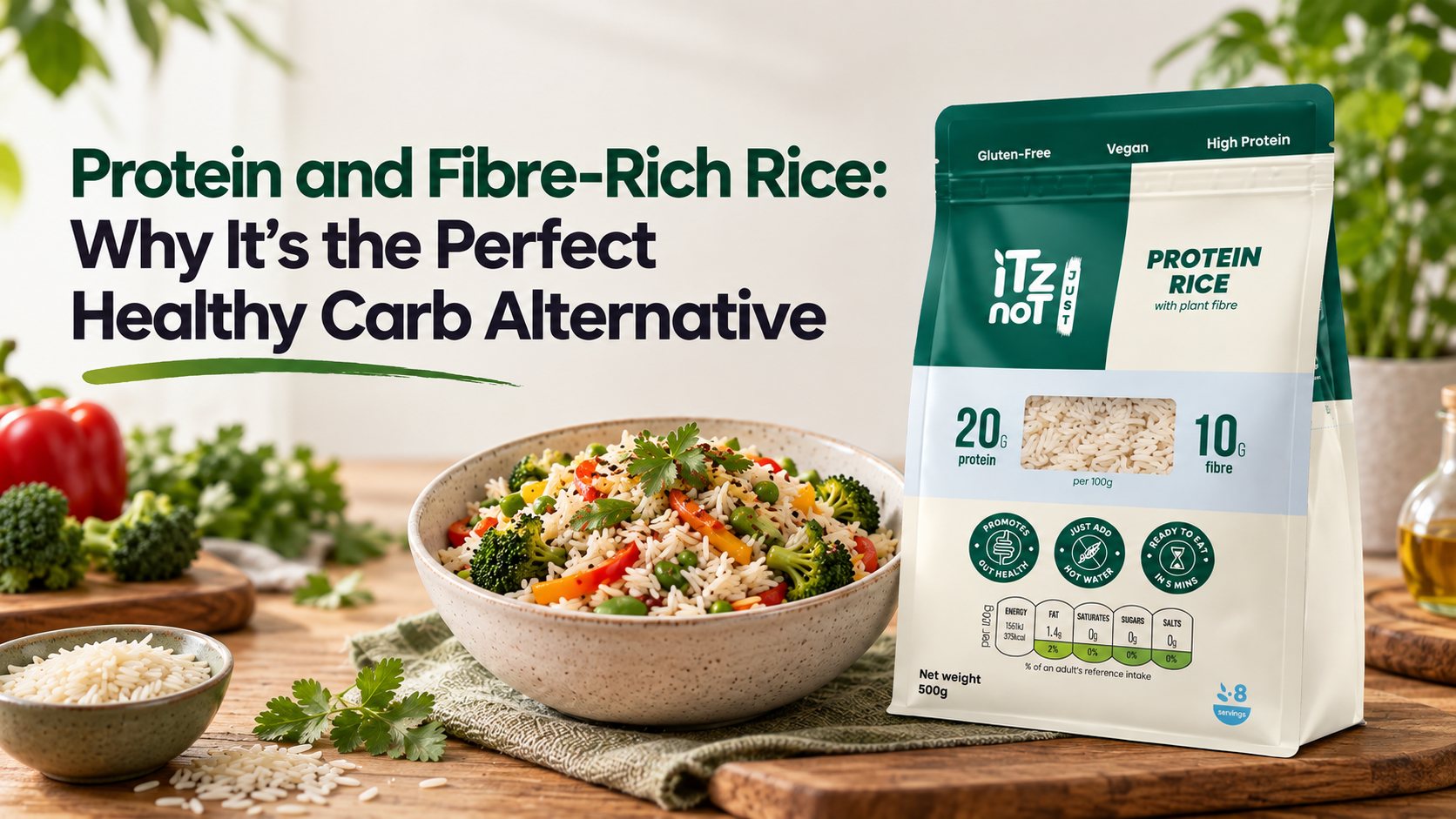
Protein and Fibre Rich Rice: Why It’s the Perfect Healthy Carb Alternative
0 Comments