












How to Build Balanced Meals Without Compromising on Taste
How to Build Balanced Meals Without Compromising on Taste
A balanced meal shouldn't force you to choose between nutrition and enjoyment. A bowl of curry, a grain salad or a comforting stir-fry can all be examples of balanced meals when they combine the right mix of nutrients and satisfying flavours.
Rather than following restrictive diet guidelines, building a balanced plate is about creating meals that provide steady energy, essential nutrients, and genuine enjoyment. Protein supports muscle maintenance and repair, fibre helps support digestive health, healthy fats contribute to satiety, and carbohydrates remain an important source of energy for most people. Together, these components create meals that feel complete instead of restrictive.
What Does a Balanced Meal Really Look Like?
A balanced meal isn't defined by cutting out entire food groups or counting every calorie. Instead, it's about combining foods that work together to provide the nutrients your body needs while keeping you satisfied between meals.
This means building meals around vegetables and fruit, wholegrain or higher-fibre, protein sources and small amounts of unsaturated fats. Dairy or fortified alternatives can also contribute important nutrients such as calcium, depending on individual dietary preferences. This approach encourages variety helping people to develop eating habits that are sustainable over the long term.
The Four Building Blocks of Every Balanced Plate
Protein
Protein helps maintain muscle mass, supports tissue repair and contributes to feeling fuller after meals. Good everyday options include fish, lean poultry, eggs, beans, lentils, tofu and reduced-fat dairy products.
Carbohydrates
Carbohydrates remain an essential source of energy. Choosing wholegrain varieties, oats, potatoes with their skins, pulses or higher-protein rice products can provide additional fibre and nutrients compared with refined alternatives.
Healthy Fats
Unsaturated fats from foods such as olive oil, avocados, nuts and seeds support overall health and improve both texture and flavour. Including modest portions also helps meals feel more satisfying.
Vegetables
Aim to fill around half your plate with vegetables where practical. Different colours provide different vitamins, minerals and plant compounds, while fibre supports digestive health and contributes to fullness.
Build Better Balanced Meals in Five Simple Steps
1. Start with Quality Protein
Protein provides the foundation for many balanced meals because it helps support muscle maintenance and contributes to satiety after eating.
Animal-based options such as chicken, turkey, fish, eggs and Greek yoghurt are all excellent choices. For those following vegetarian or plant-based diets, beans, lentils, chickpeas and tofu provide valuable protein alongside other nutrients.
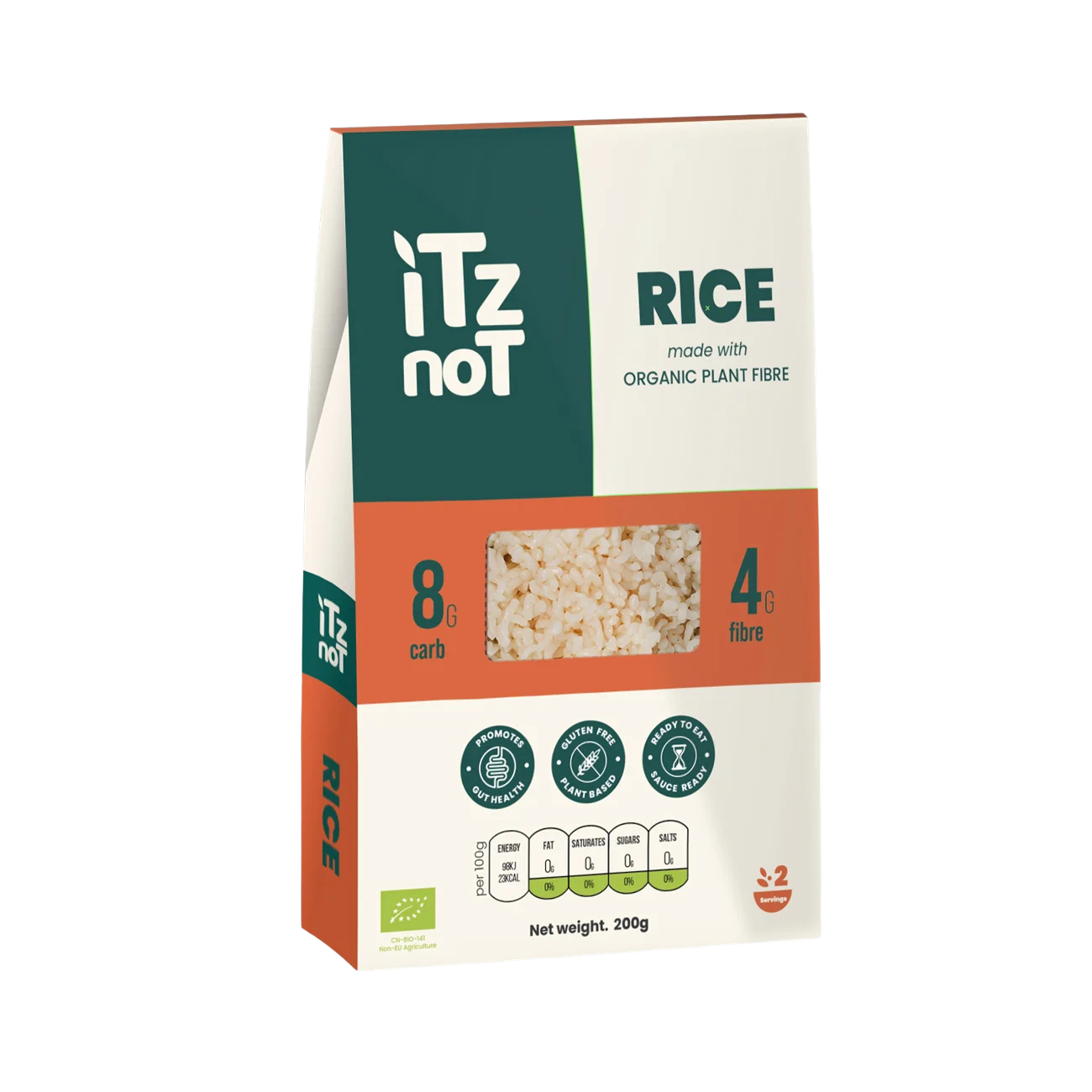
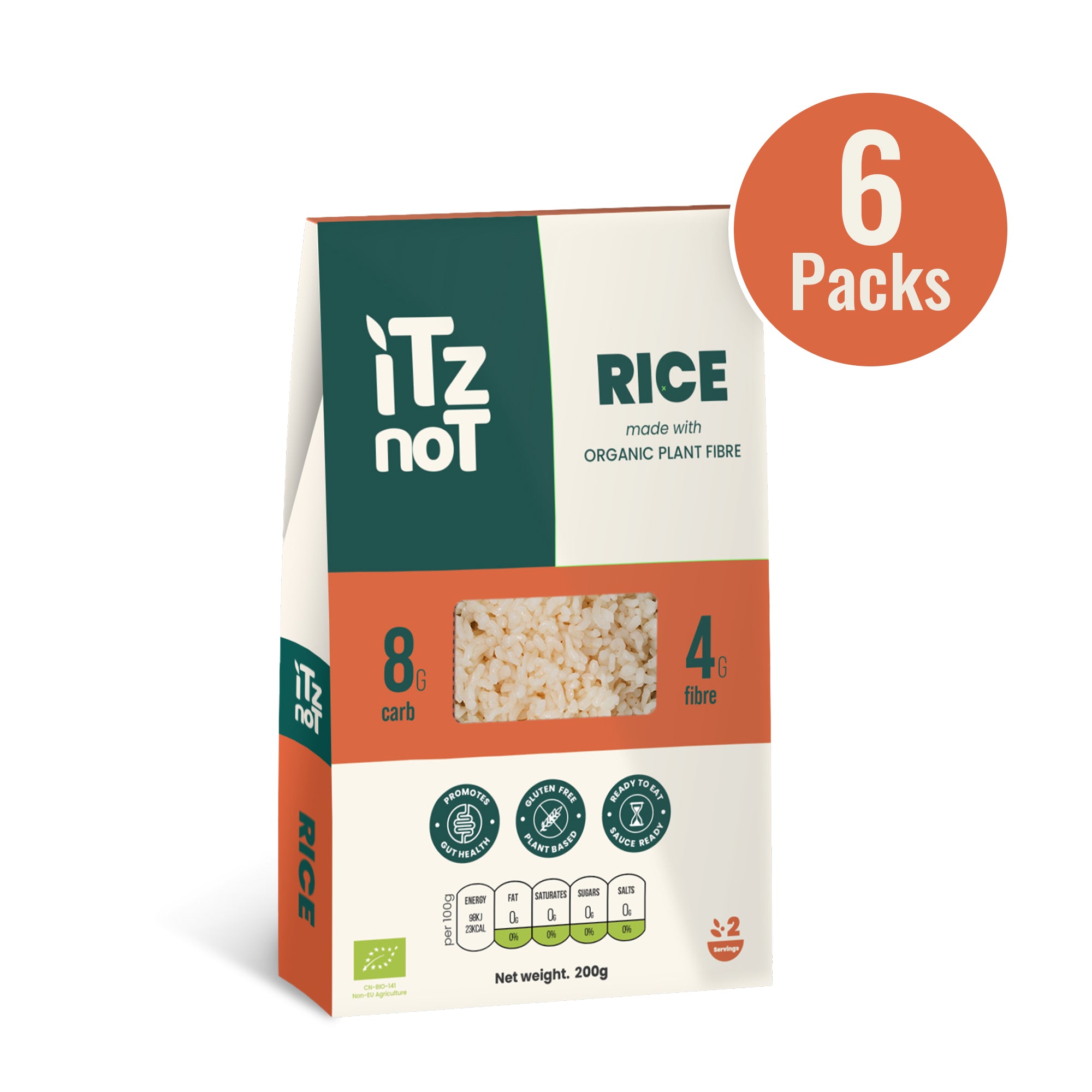
You can incorporate more plant-based meals, as tofu options provide versatility across stir-fries, salads, grain bowls and curries without compromising texture or flavour. High protein rice products can help increase protein intake to deliver the familiar comfort of rice-based dishes.
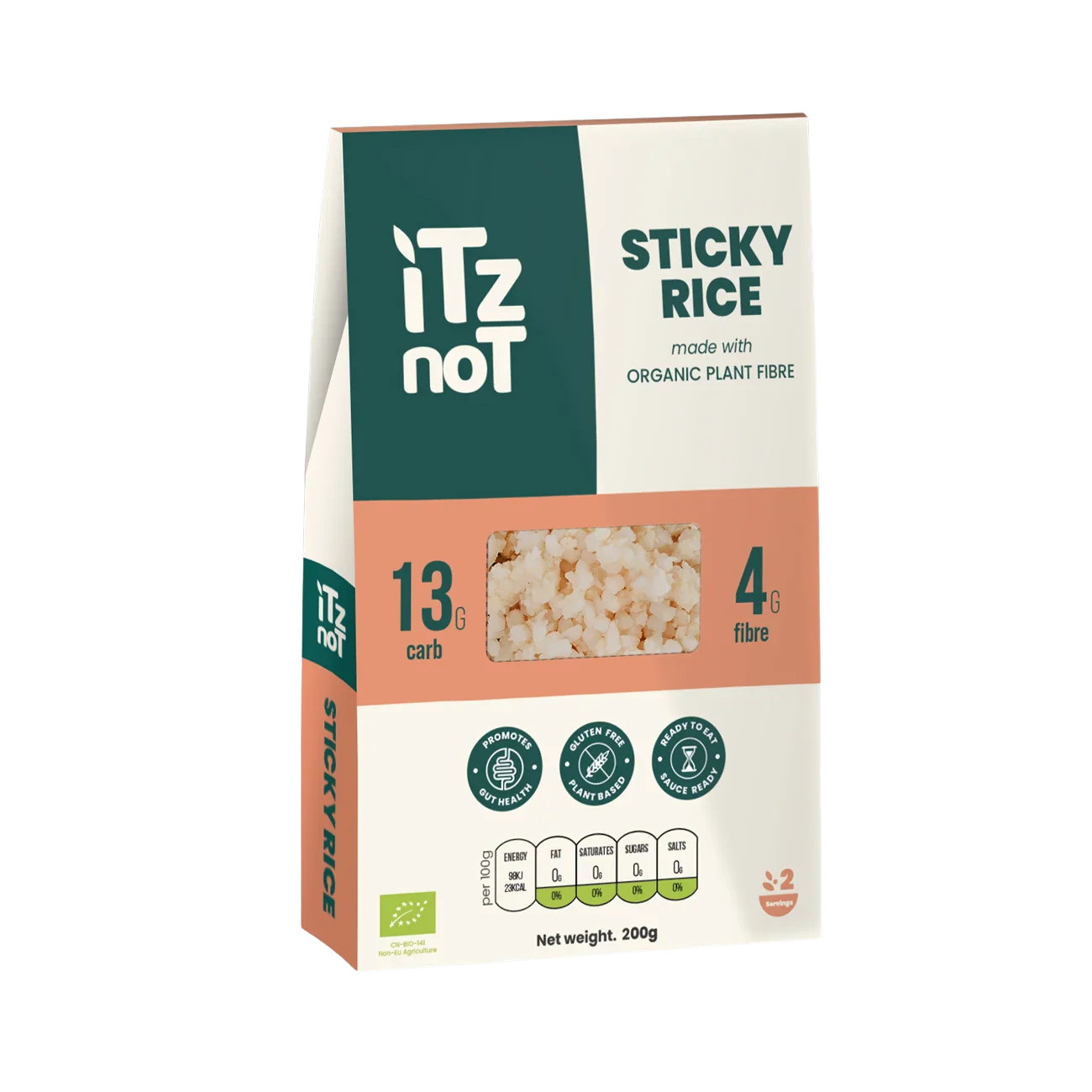
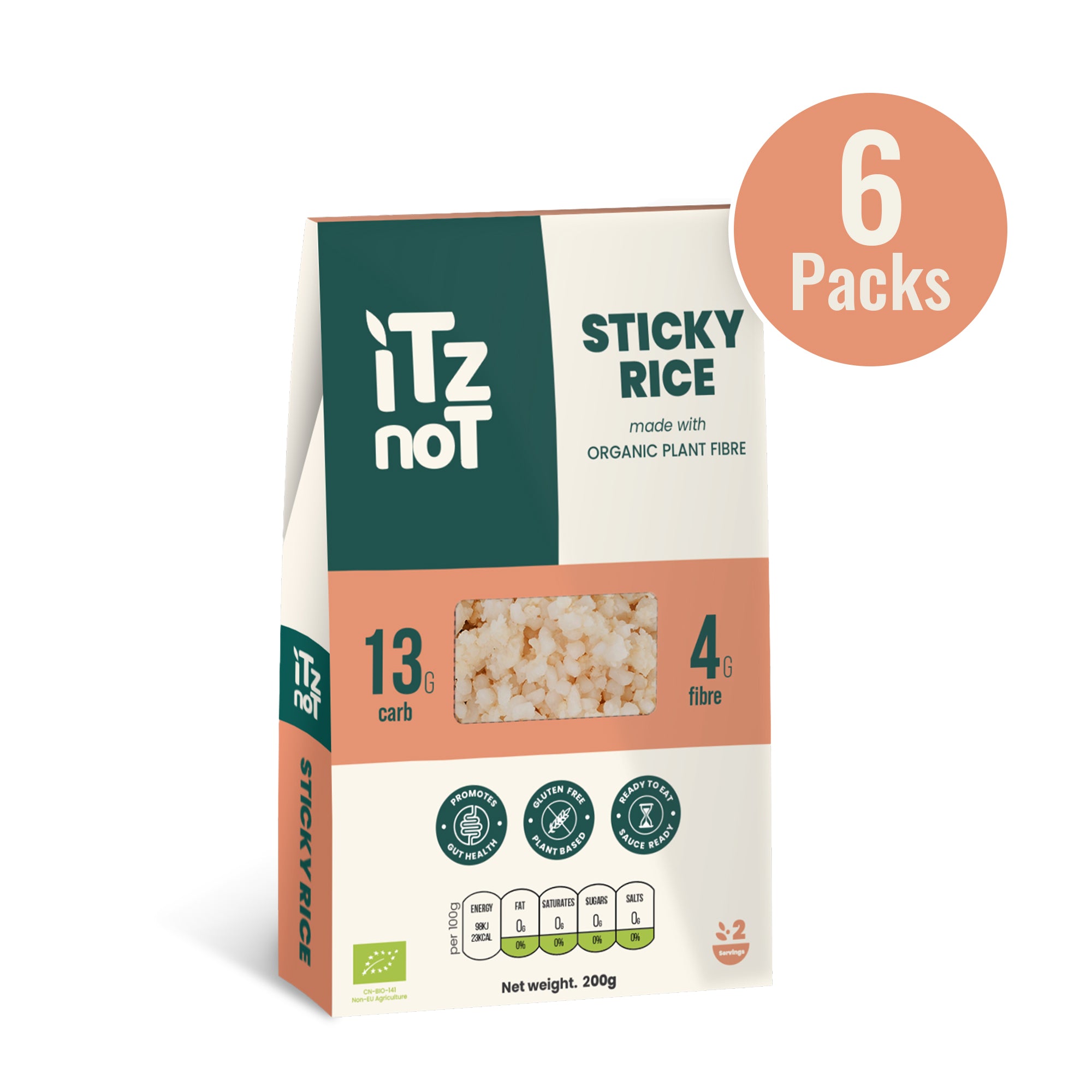
One practical option is protein rice, which can be used in grain bowls, curries, stir-fries or alongside grilled fish and vegetables as part of weekly healthy meals with rice.
2. Choose Carbohydrates
Carbohydrates are sometimes unfairly portrayed as something to avoid, yet they remain the body's preferred source of energy. The key is choosing carbohydrates that offer more than energy alone.
Wholegrain rice, oats, quinoa, barley, sweet potatoes and pulses provide fibre alongside vitamins and minerals, helping meals feel more satisfying. Fibre also slows digestion, which can contribute to steadier energy levels throughout the day.
3. Add Plenty of Vegetables
One of the simplest ways to improve the nutritional quality of a meal is to increase the variety of vegetables. Different colours often indicate different naturally occurring plant compounds. Orange vegetables such as carrots and butternut squash provide beta-carotene, while dark green vegetables like broccoli, kale and spinach contribute folate, vitamin K and other essential nutrients. Red peppers and tomatoes are rich in vitamin C and other beneficial compounds.
Rather than serving vegetables as a small side dish, allow them to become a central part of the meal. Roast Mediterranean vegetables with herbs and olive oil. Build salads with roasted beetroot, leafy greens and seeds. Also stir-fry broccoli, mangetout, peppers and mushrooms with fresh ginger. Add spinach or peas to curries, soups and pasta dishes.
4. Healthy Fats
Healthy fats play several important roles within a balanced diet. Unsaturated fats help the body absorb fat-soluble vitamins such as A, D, E and K, contribute to normal body functions and enhance the flavour and texture of food.
Adding modest amounts of olive oil to roasted vegetables, sliced avocado to grain bowls or a handful of nuts to salads can transform a meal from merely nutritious to genuinely satisfying. The emphasis should remain on quality rather than quantity. Small portions of healthy fats complement other food groups without overwhelming the balance of the meal.
Many traditional Mediterranean-inspired dishes naturally demonstrate this principle. They rely on vegetables, pulses, grains and moderate amounts of olive oil, creating meals that are nourishing and enjoyable.
5. Finish with Herbs, Spices and Texture
When people feel healthy food lacks flavour, the issue is often seasoning rather than nutrition. Fresh herbs, spices, citrus zest and garnishes can elevate even the simplest ingredients.
Consider how a few finishing touches change a meal:
-
Fresh basil lifts tomato-based dishes.
-
Coriander adds freshness to curries and grain bowls.
-
Lemon zest brightens roasted vegetables.
-
Toasted sesame seeds add crunch to stir-fries.
-
Freshly ground black pepper enhances natural flavours without adding extra calories
Creamy avocado, crunchy seeds, crisp vegetables and tender grains create contrast that keeps your meals interesting. These subtle details help to transform balanced meals into dishes that are pleasing rather than merely functional.
Easy Healthy Meal Ideas
Balanced eating becomes easier when you have reliable meal combinations that fit naturally into everyday life. Instead of focusing on strict recipes, think in terms of building blocks that can be mixed and matched according to the season, your schedule and personal preferences.
Breakfast
A balanced breakfast should provide lasting energy rather than a quick sugar spike.
Some simple ideas include:
-
Greek yoghurt with berries, nuts and oats.
-
Poached eggs on wholegrain toast with grilled tomatoes.
-
Overnight oats with chia seeds, natural yoghurt and fresh fruit.
Each combines protein, fibre and carbohydrates to help support satiety throughout the morning.
Lunch
Lunch is an ideal opportunity to incorporate healthy meals with rice.
-
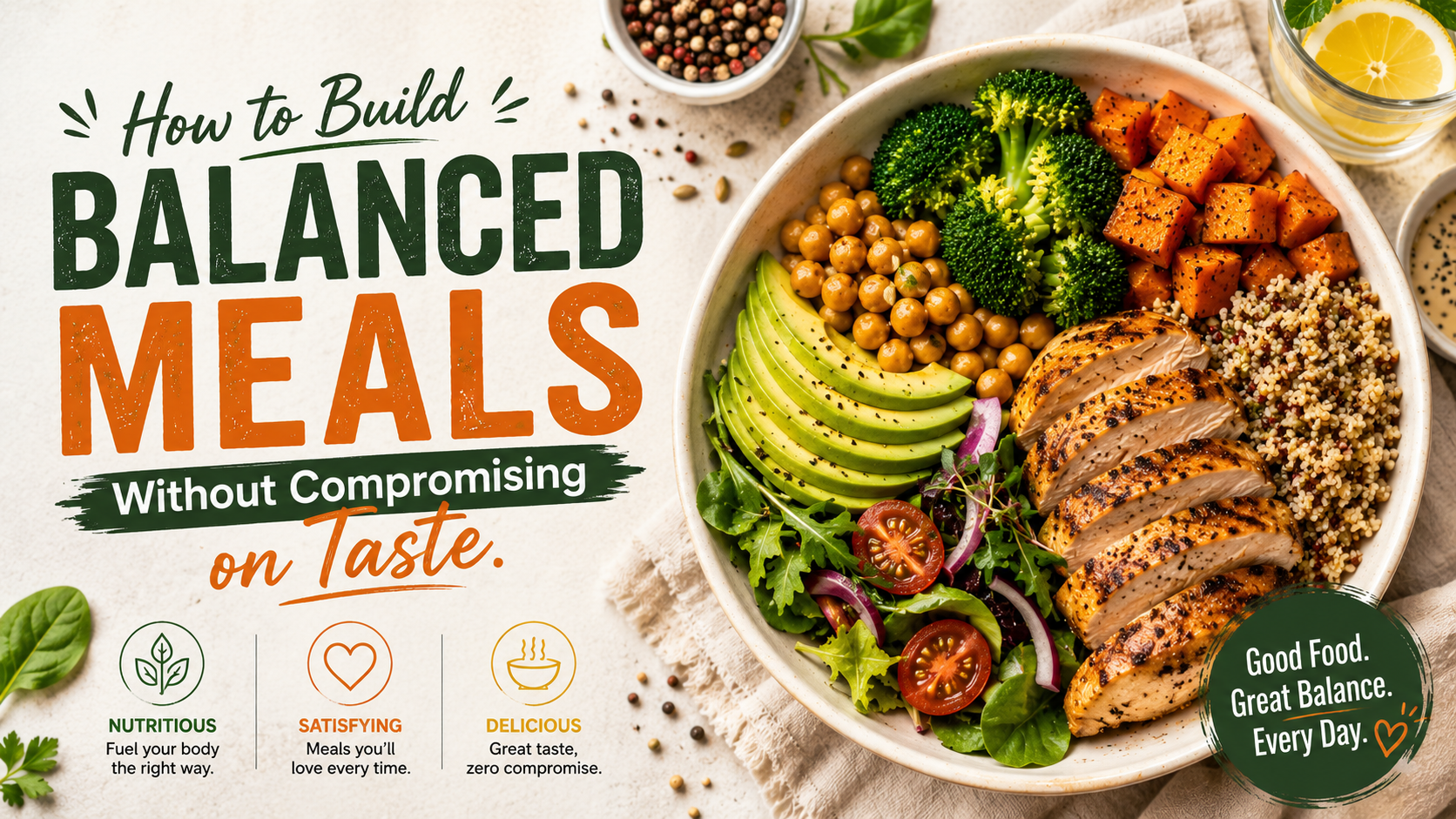
A nourishing grain bowl might include grilled chicken or tofu, roasted vegetables, leafy greens and Protein Rice, finished with olive oil and lemon dressing. It offers a balanced combination of protein, carbohydrates, healthy fats and fibre without feeling heavy.
-
Other options include lentil salads, salmon with roasted vegetables or chickpea bowls with tahini dressing.
Dinner
Dinner is traditionally the largest meal of the day for many families, so keeping your evening portions balanced is essential for sustained energy and healthy digestion.
-
A baked salmon fillet with roasted seasonal vegetables and wholegrain rice creates a satisfying combination of protein, healthy fats and fibre.
-
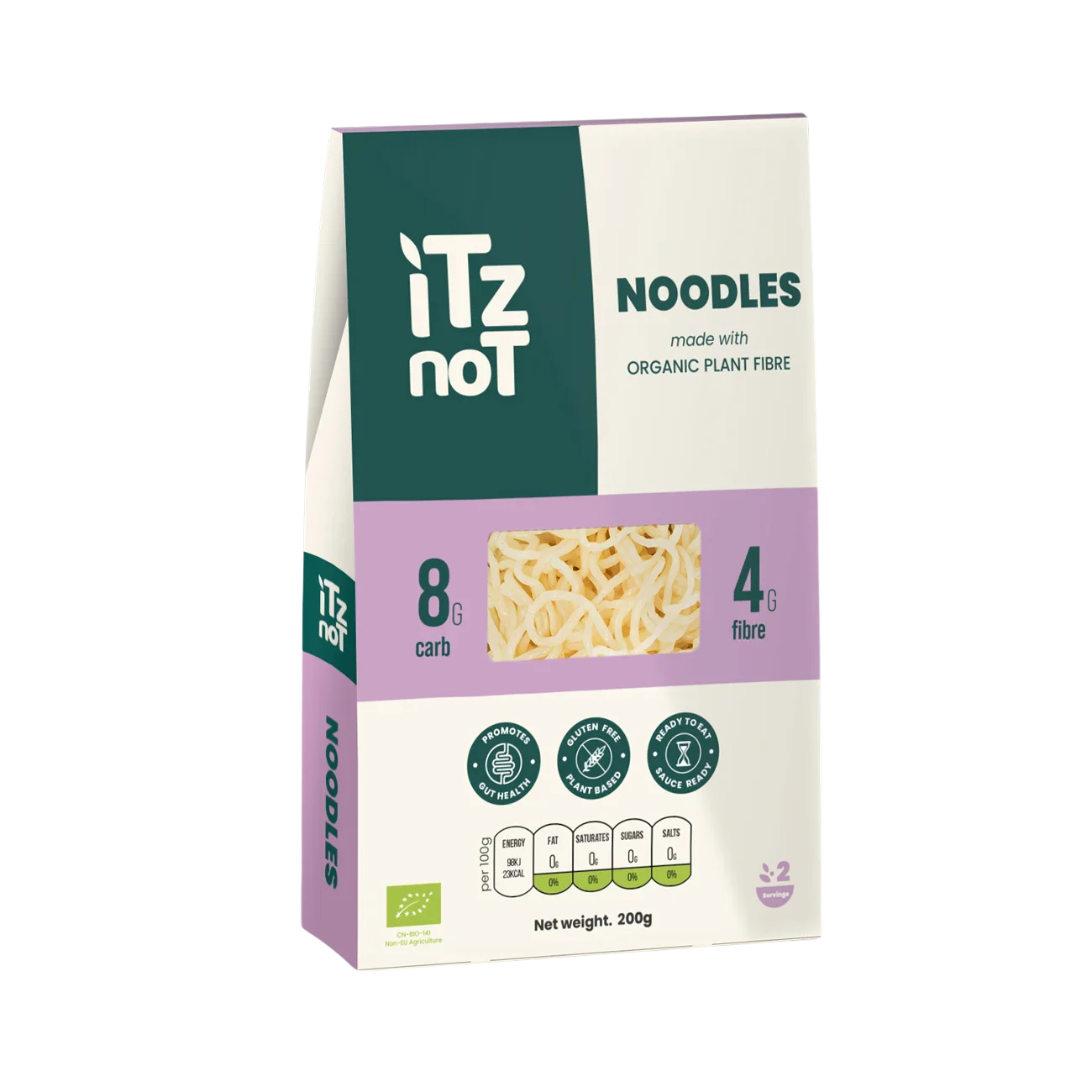
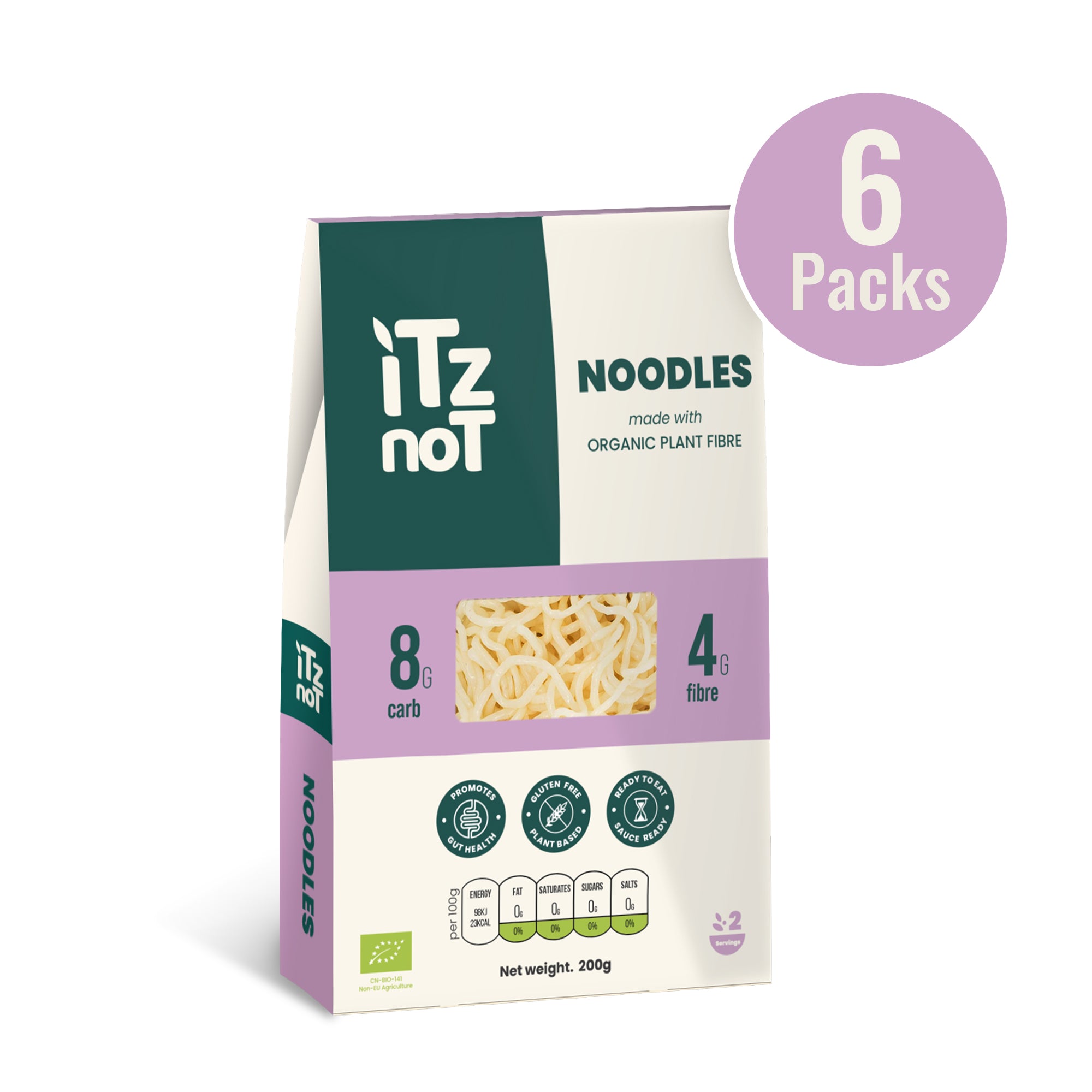
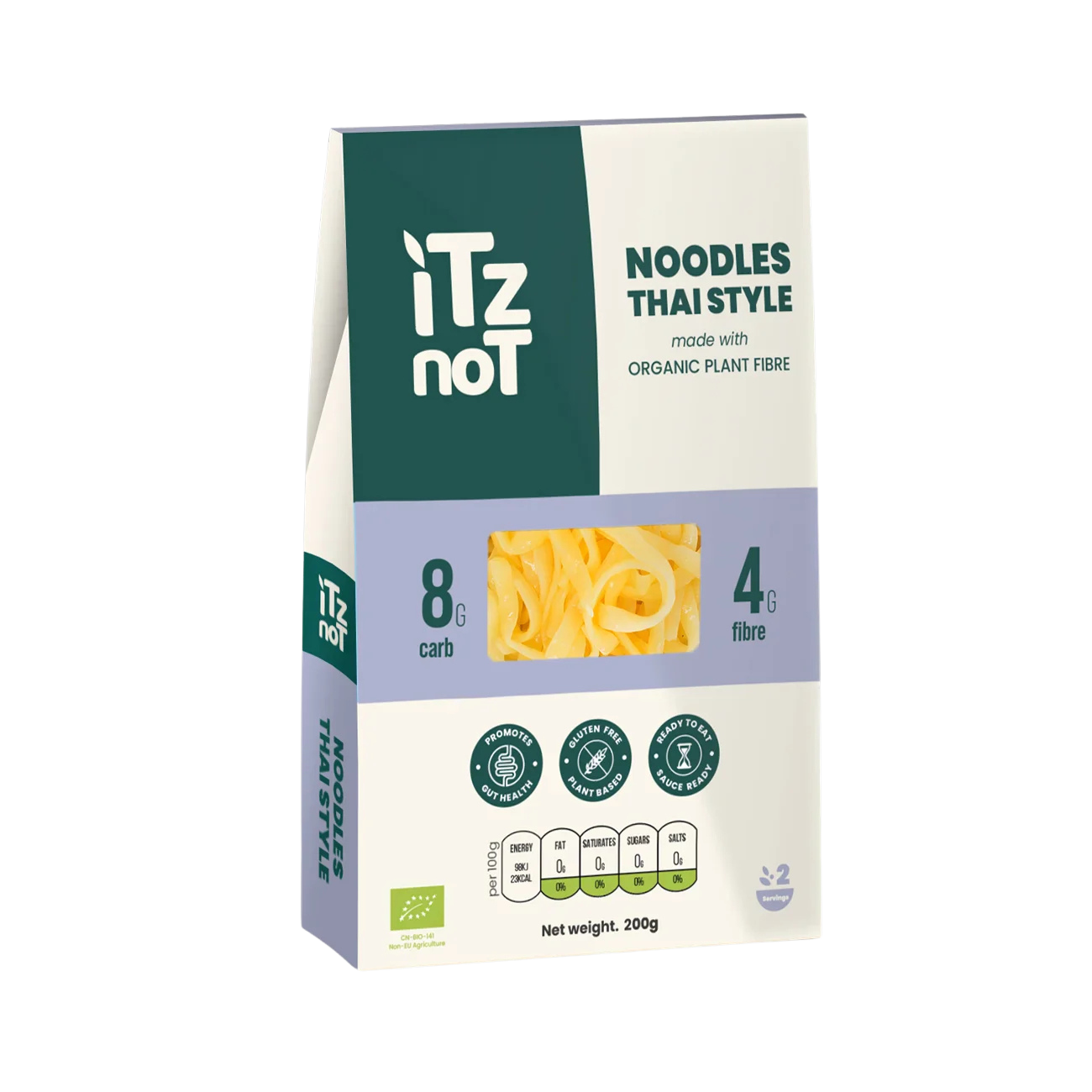
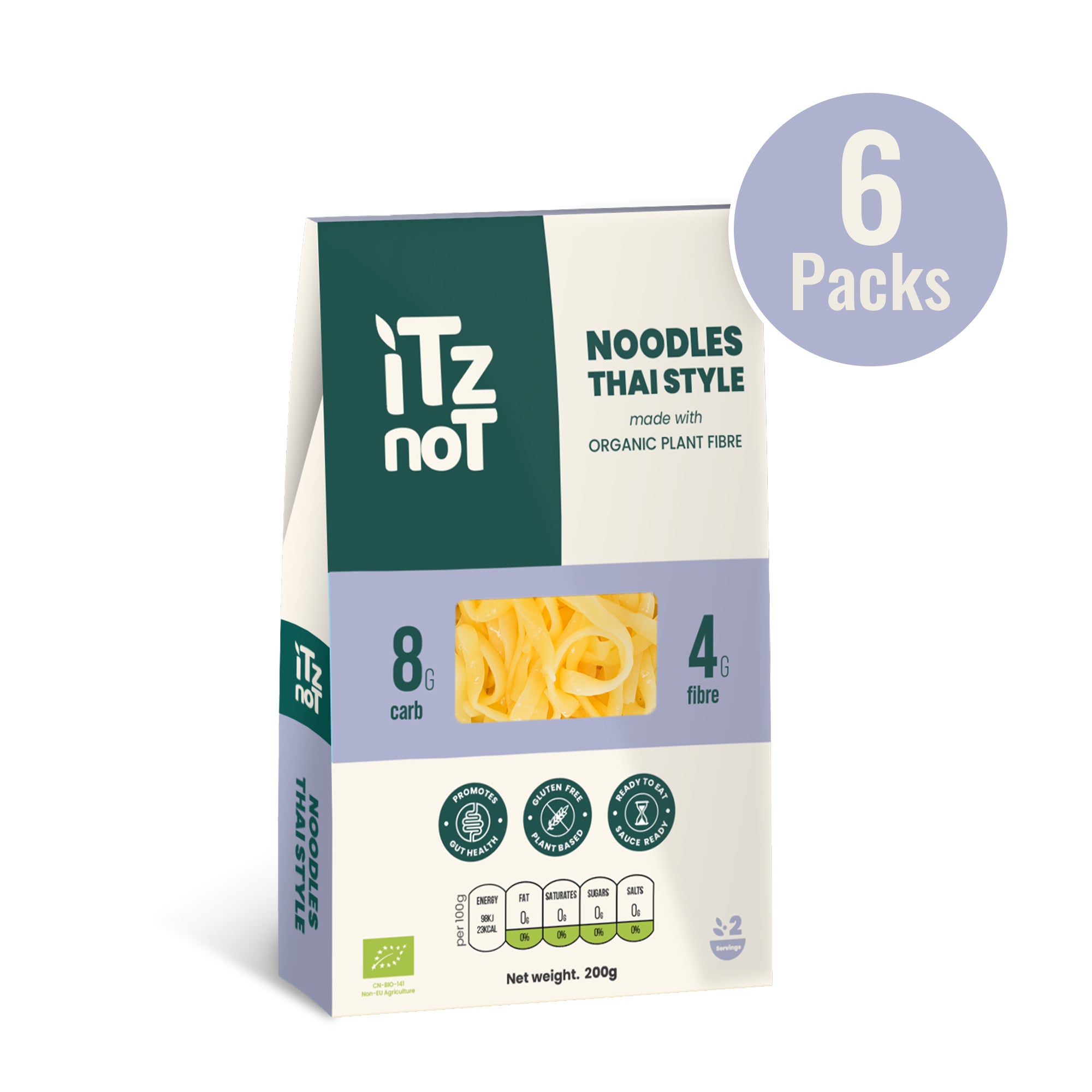
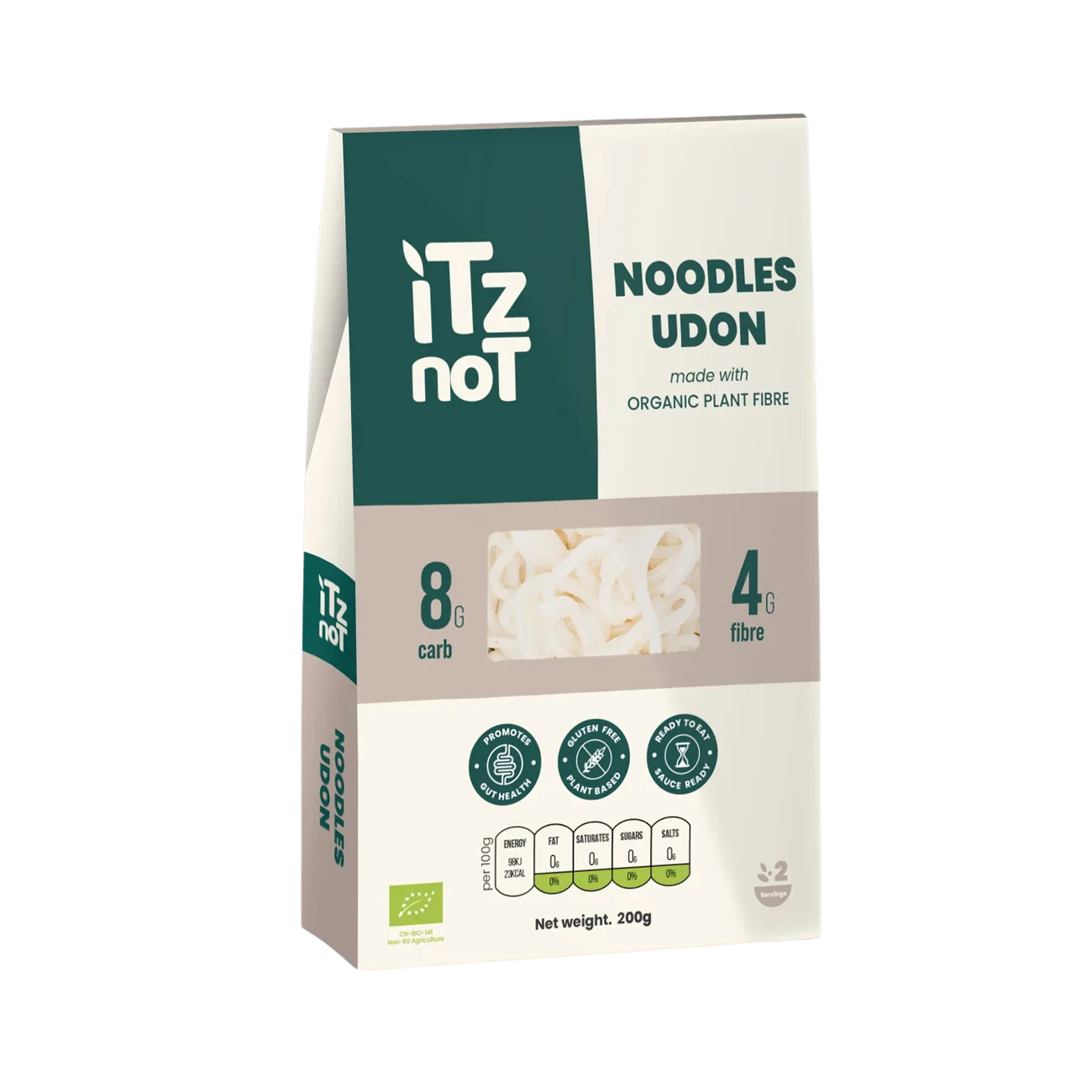
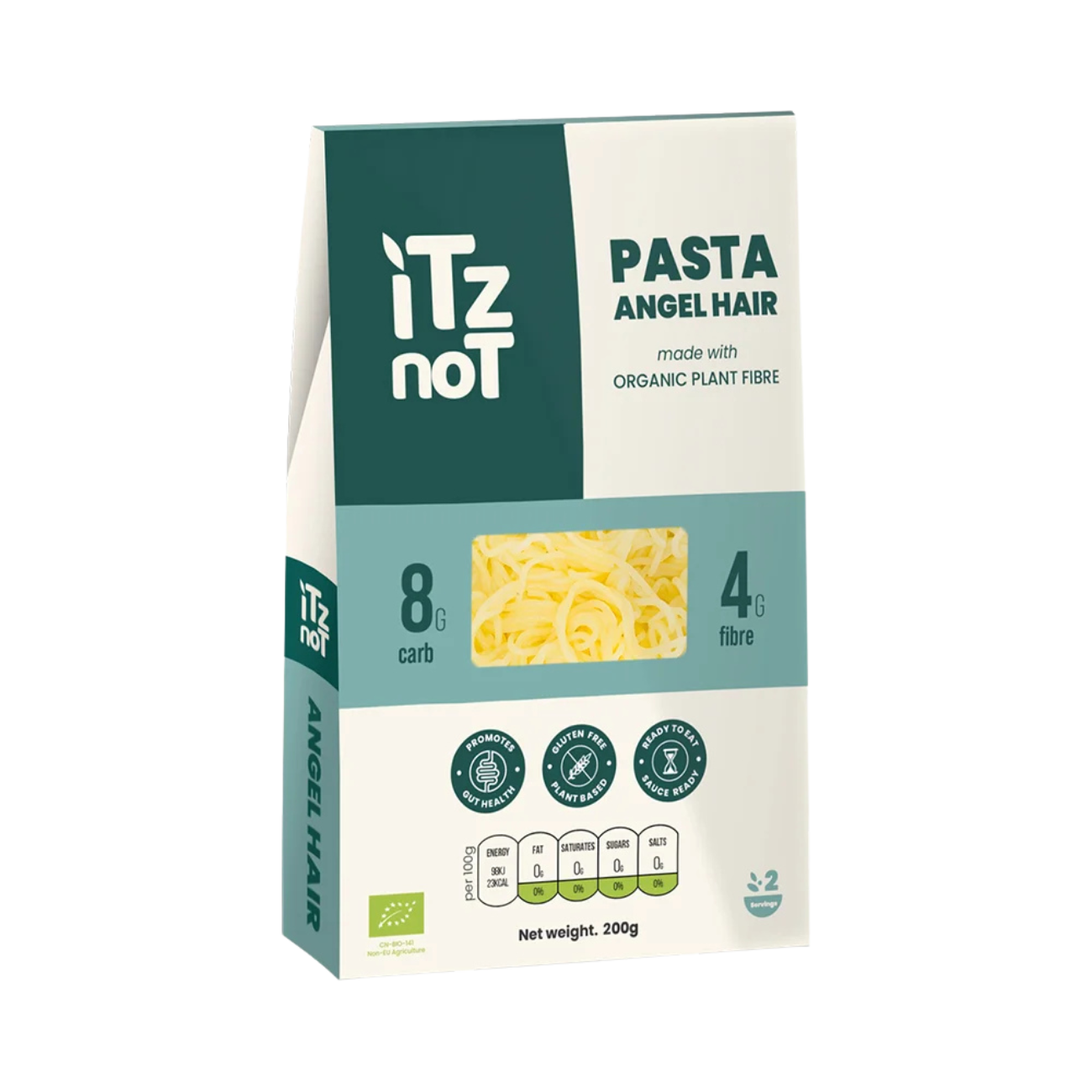
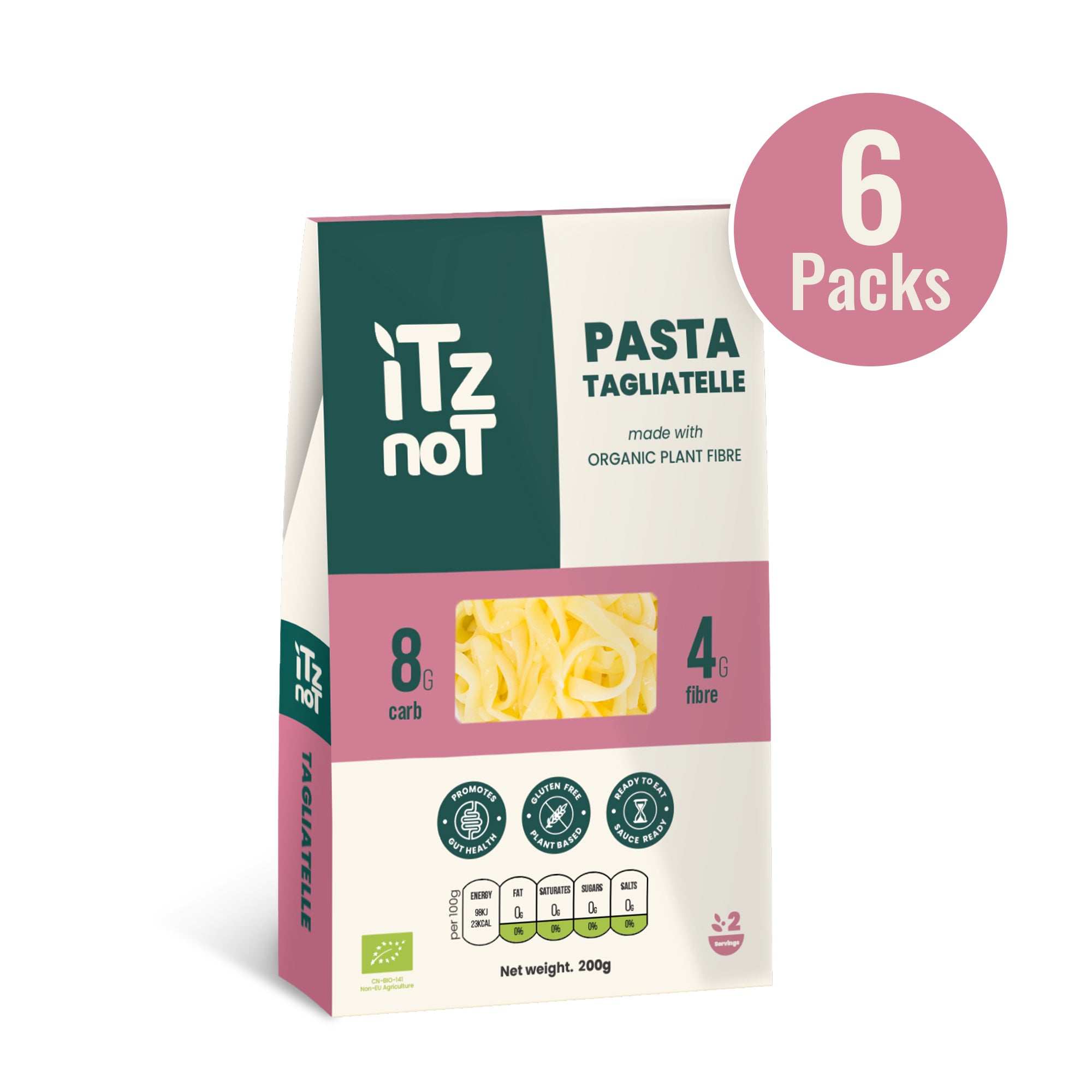
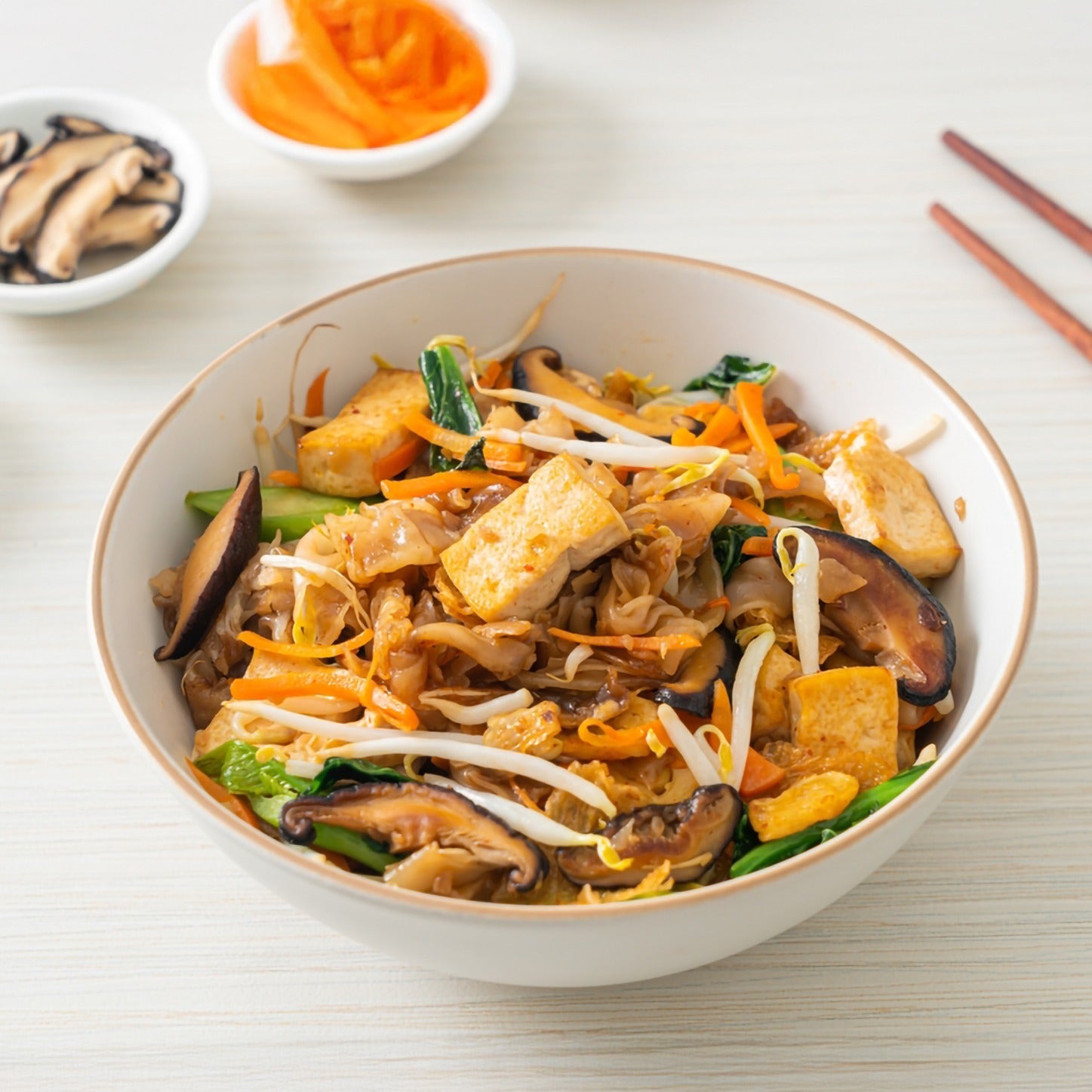
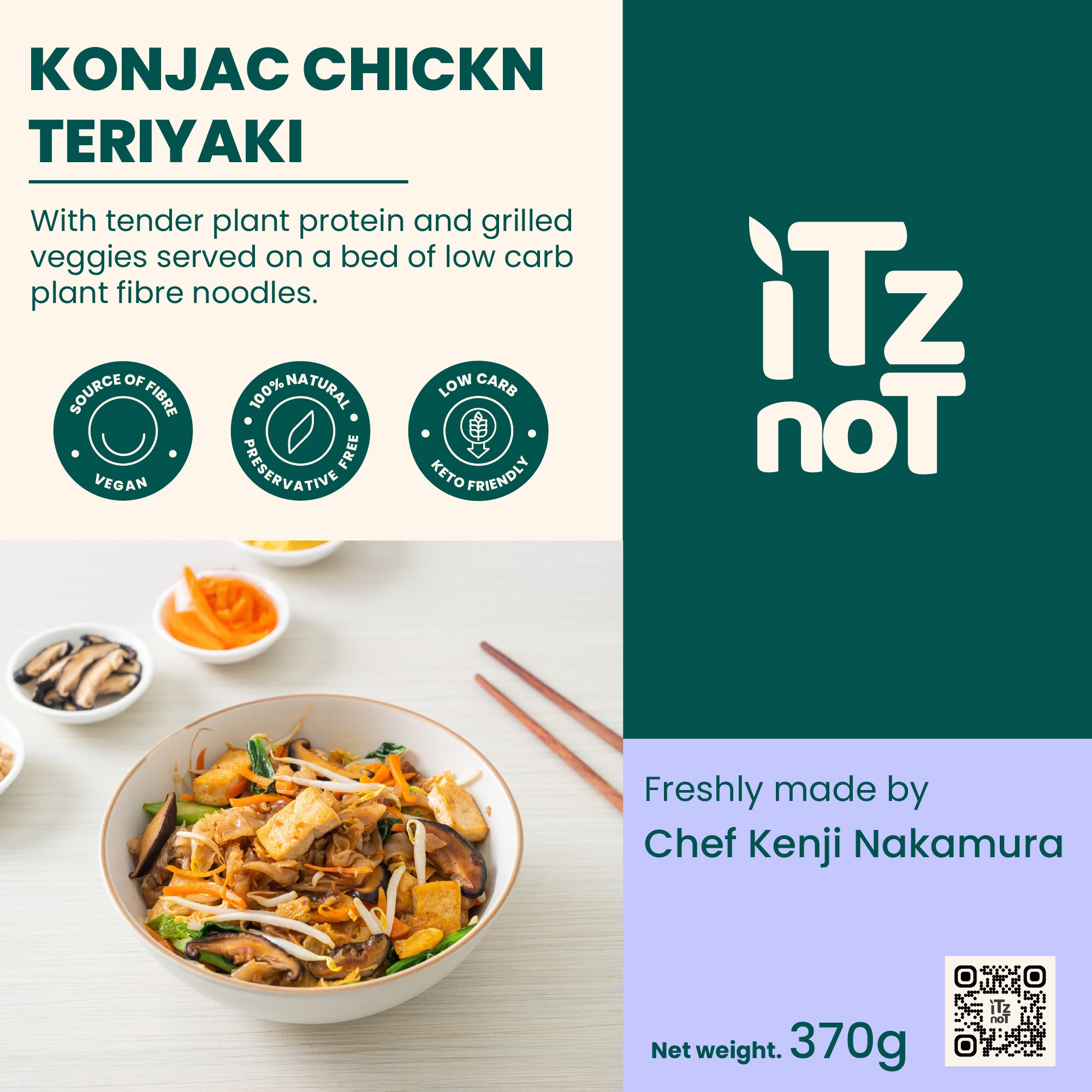
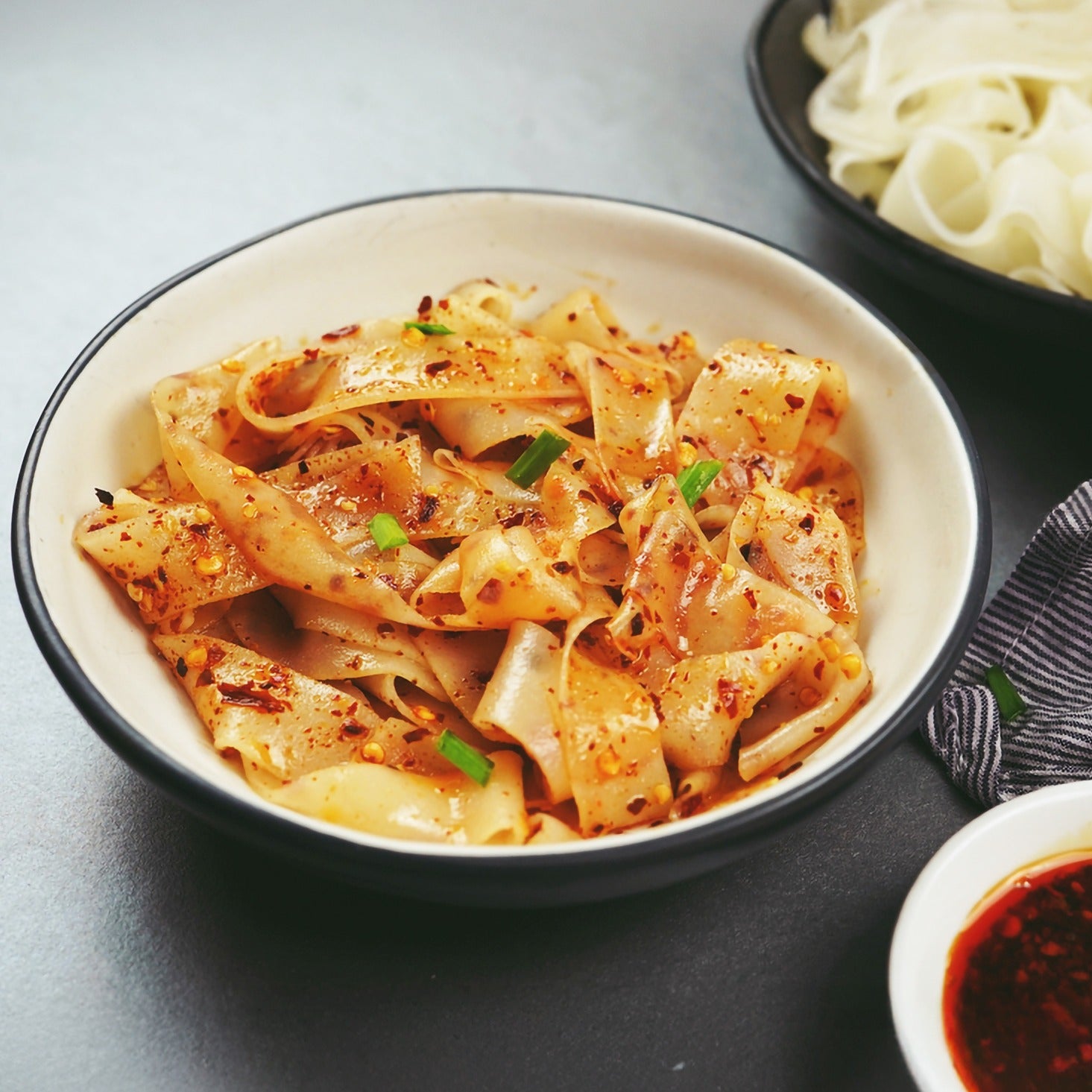
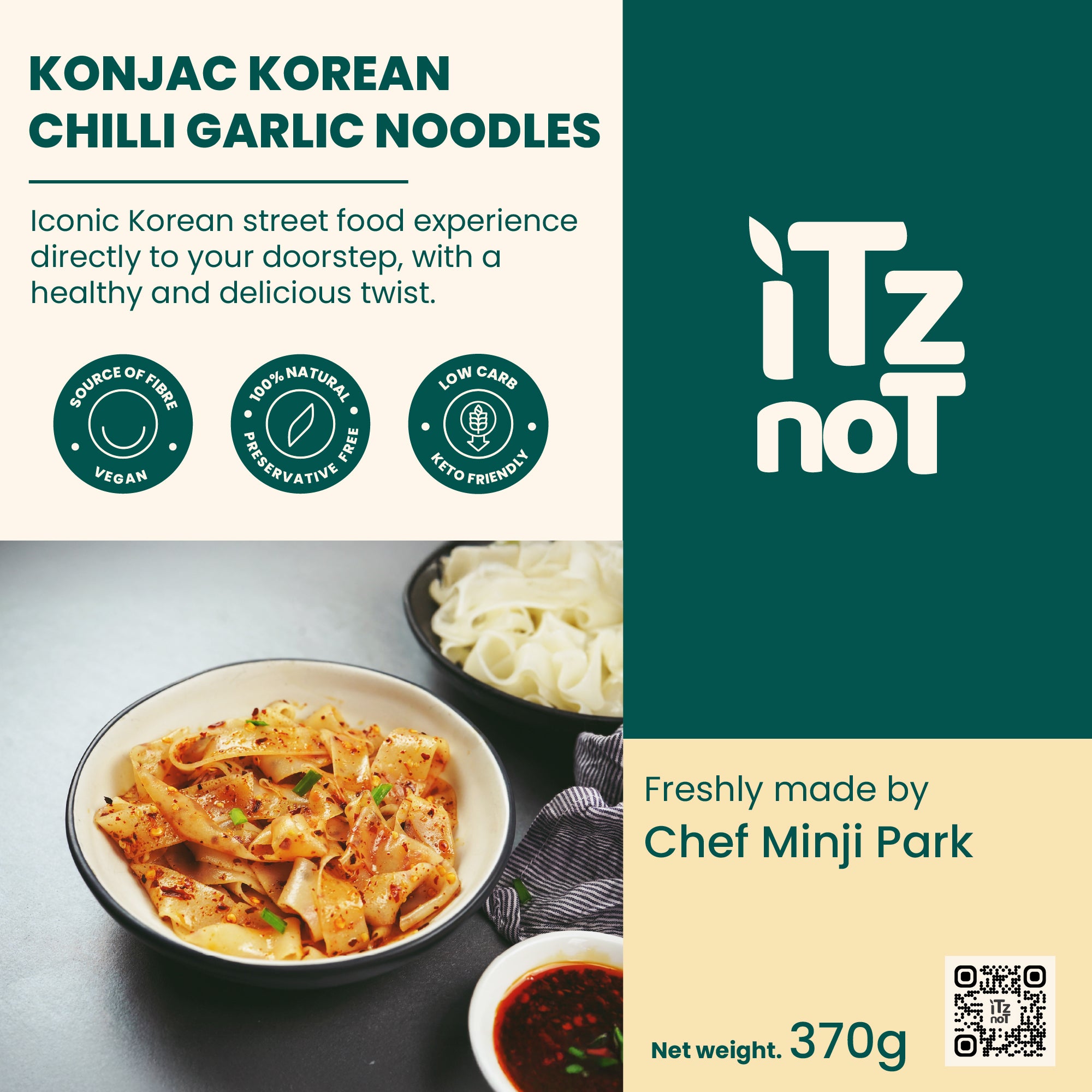
Stir-fries are another excellent choice because they're naturally adaptable. Lean protein, vegetables, and quality noodles can come together in less than 30 minutes.
-
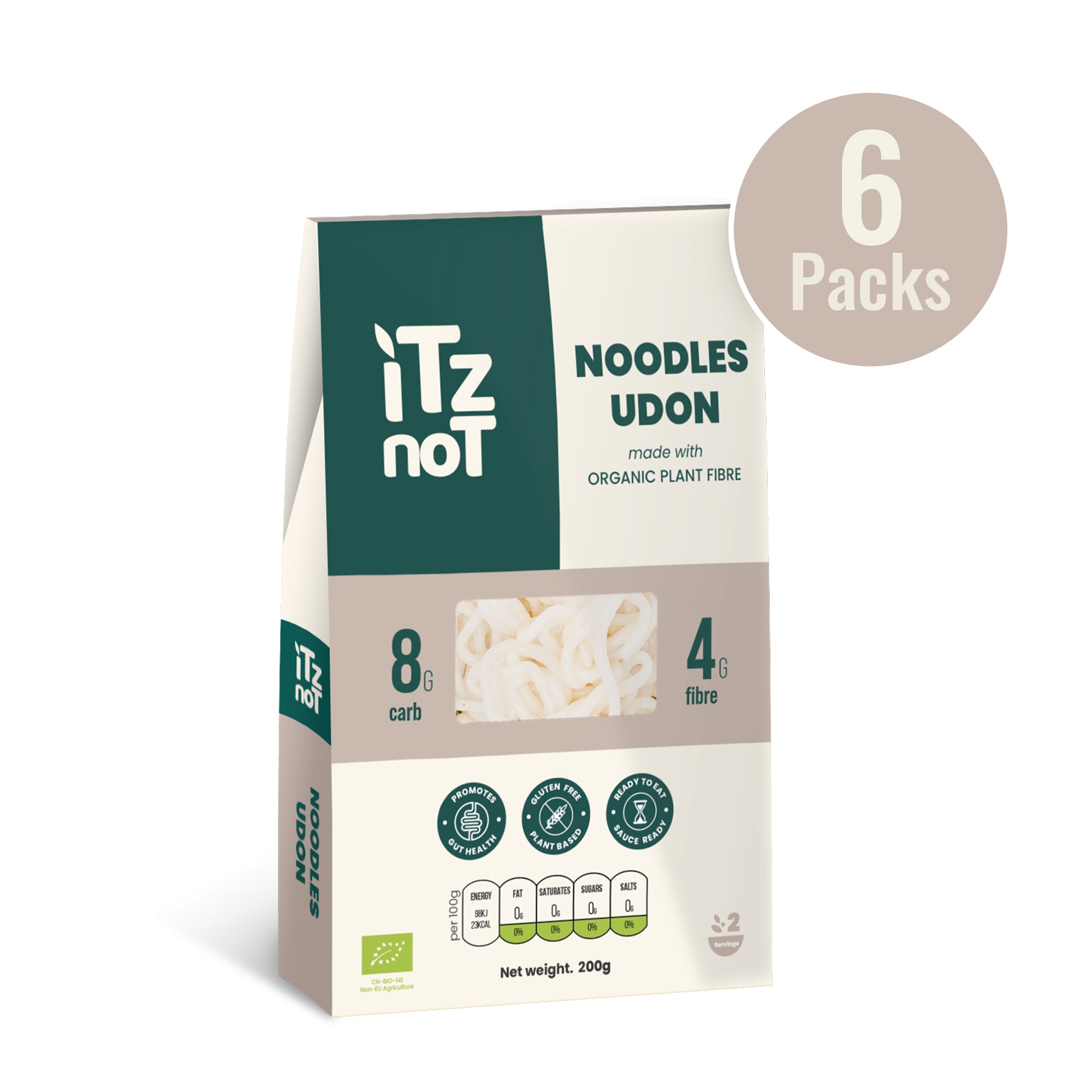
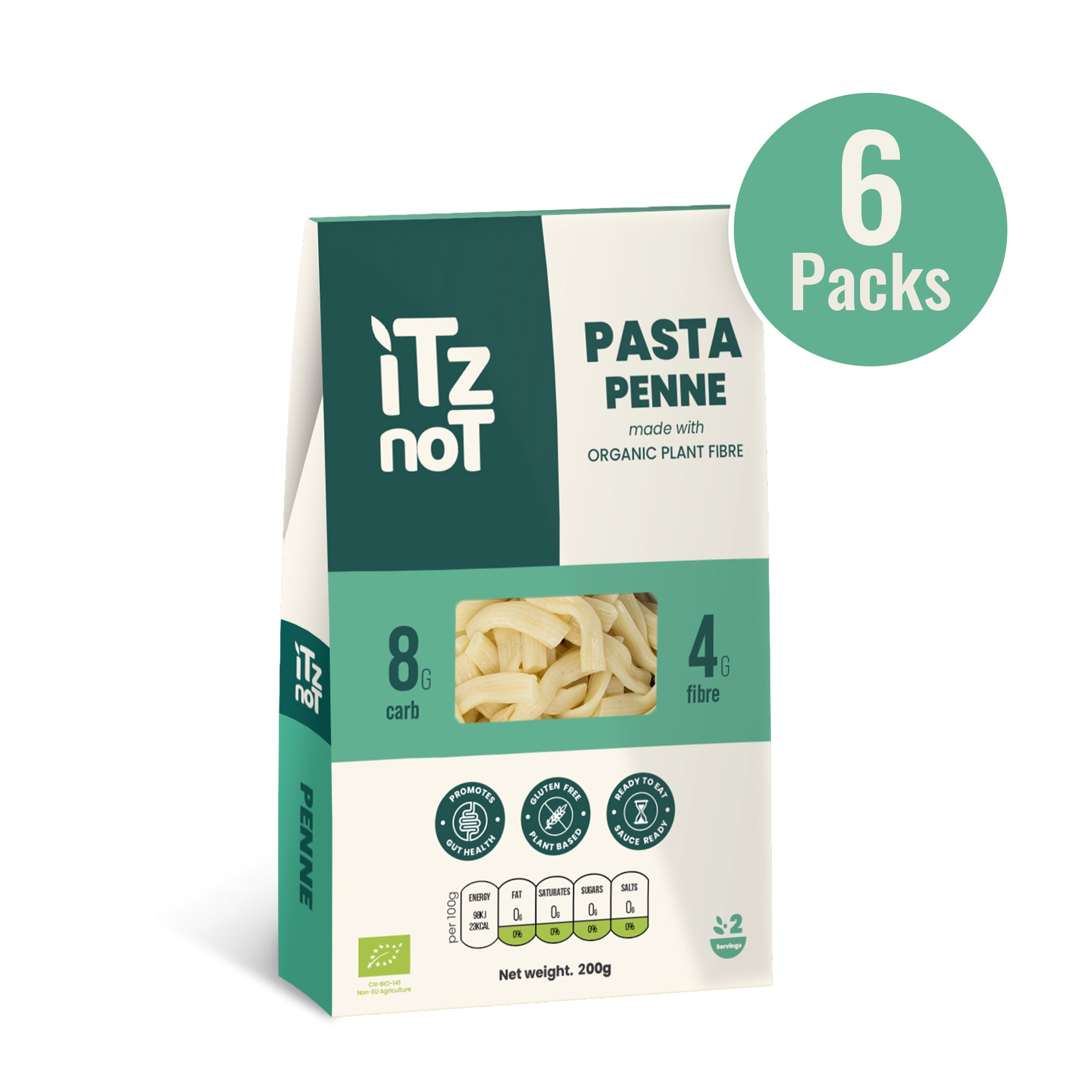
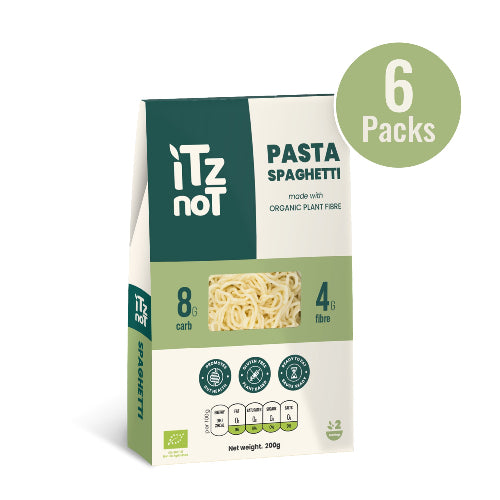
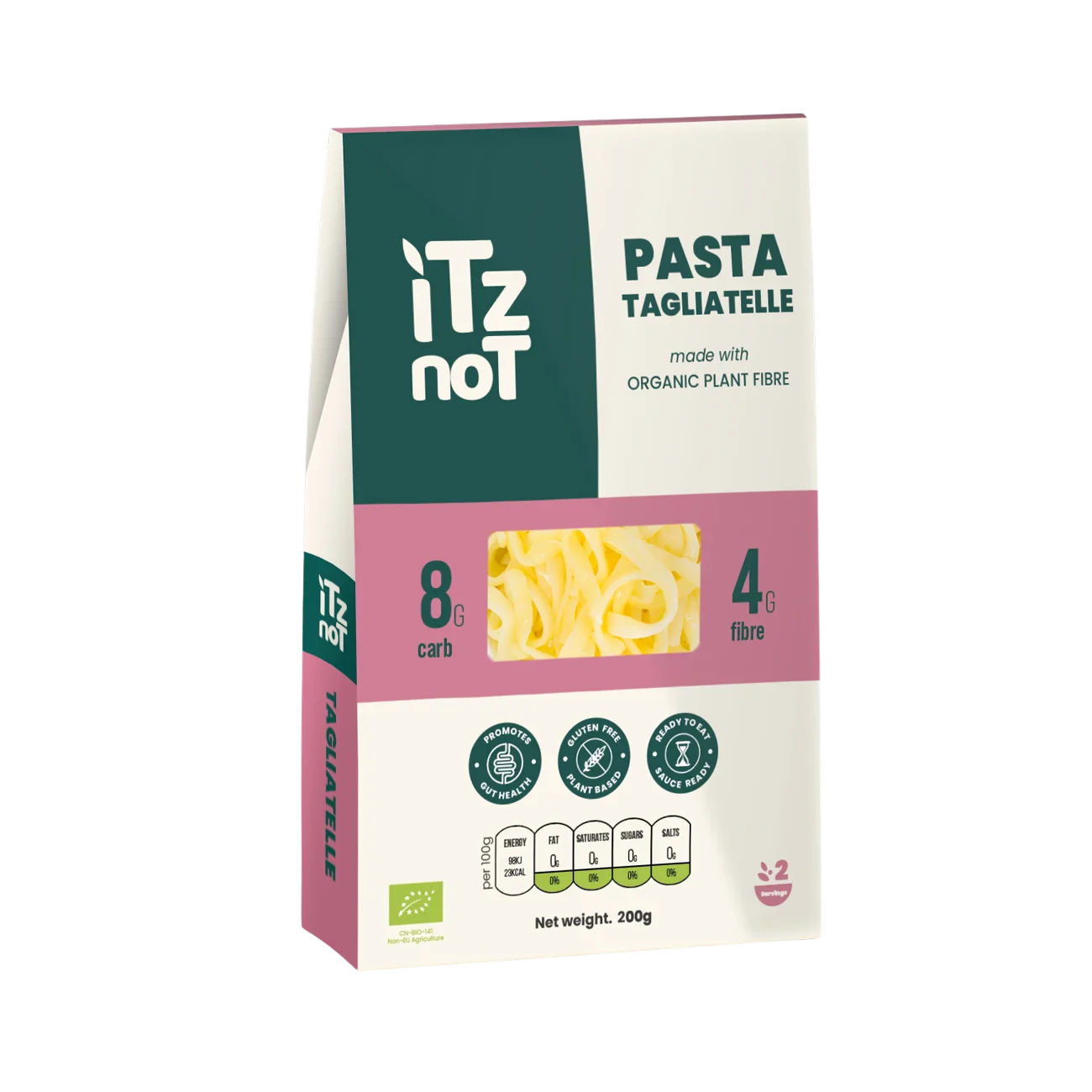
Opting for healthy low-carb noodles is an excellent way to enjoy comforting stir-fries or warming noodle soups to keep your evening macros perfectly balanced.
Make Healthy Meal Ideas Part of Your Routine
Meal planning doesn't need to be elaborate either. Even deciding on three or four balanced dinners at the start of the week reduce the likelihood of relying on less nutritious convenience foods.
If you're searching for balanced and healthy meals ideas, it's also worth experimenting with new ingredients from time to time. Different herbs, spices, grains and vegetables introduce variety while helping to expand your repertoire of healthy meal ideas. If you're looking for further inspiration, the healthy recipe collection offer a range of creative dishes that demonstrate how balanced eating can be both nourishing and full of flavour.

Related post
12
Sep
26
Aug
RECENT POSTS

28.September.2026
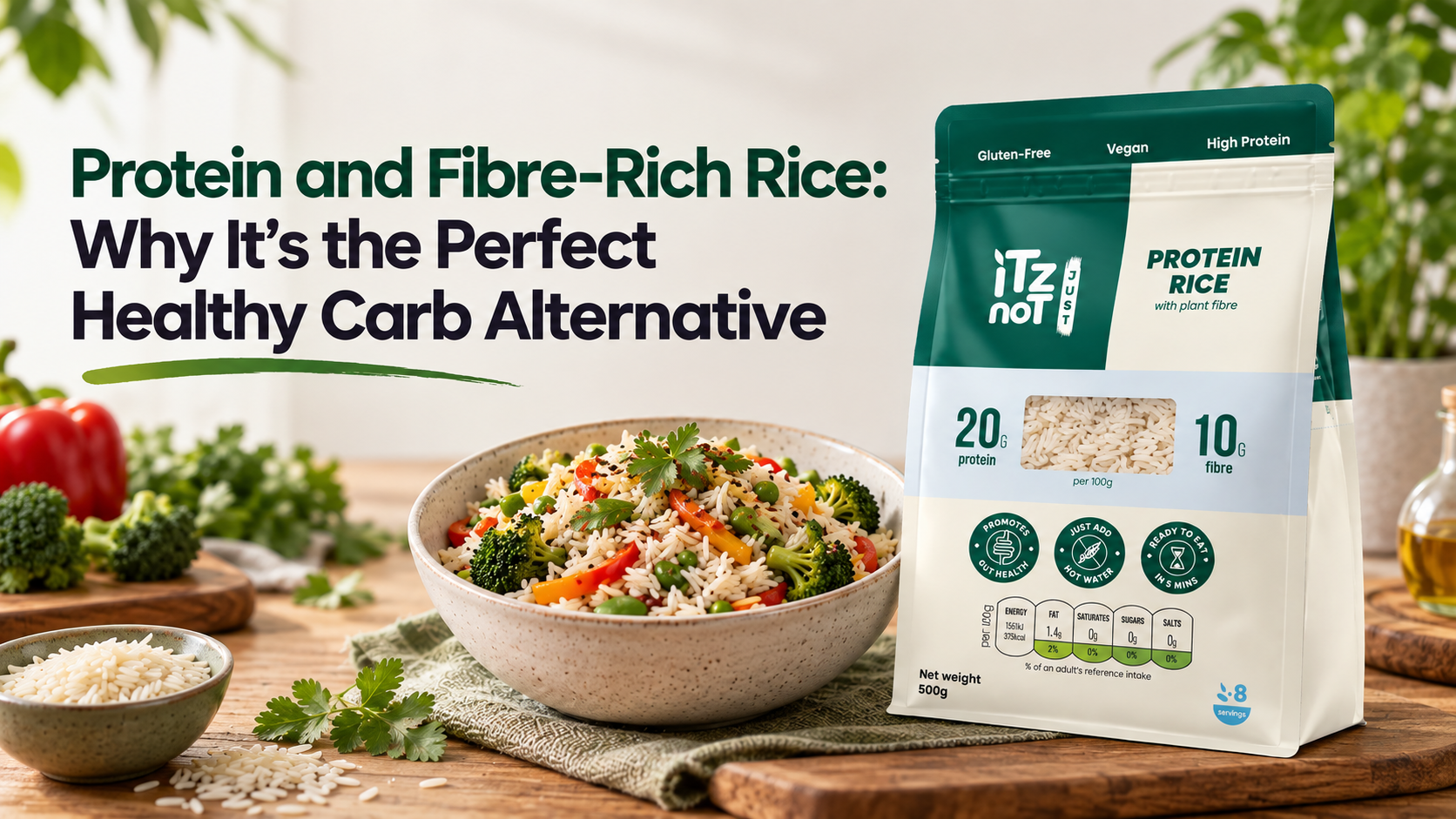
Protein and Fibre Rich Rice: Why It’s the Perfect Healthy Carb Alternative
0 Comments