












The Hidden Pot of Gold: The Key to Digestive Well-Being and Insulin Sensitivity
The Hidden Pot of Gold: The Key to Digestive Well-Being and Insulin Sensitivity
At iTz noT, we recognise that creating great-tasting food involves careful processes as well as a strong understanding of nutrition. We aim to make this knowledge more accessible by exploring the science behind the ingredients we use.
By incorporating ingredients naturally containing resistant starch into everyday meals, it is possible to support digestive wellbeing and maintain more stable energy levels. At iTz noT, we are passionate about helping people make informed food choices that align with a healthier and more balanced lifestyle.
Carb-in-name-only: The Untold Story of Resistant Starch(RS)
Unlike typical digestible carbohydrates, resistant starch behaves more like dietary fibre. It resists digestion in the small intestine and passes through largely intact, where it can then be fermented in the large intestine by gut bacteria.
This unique property makes it function in a similar way to fibre, contributing to digestive processes and the production of beneficial compounds in the gut.
Resistant starch is naturally formed in certain foods, particularly when starchy foods such as rice and potatoes are cooked and then cooled. During this process, some of the digestible starch is converted into a more resistant form, which is less readily broken down during digestion compared with freshly cooked starch.
Because of these characteristics, resistant starch is often studied for its potential role in supporting gut health and contributing to a balanced diet when included as part of a varied and nutritious eating pattern.
The Science: How Cooling Supercharges Resistant Starch
It might sound strange, but the overall method of steaming and cooling starchy foods triggers a broad molecular level restructuring. This forms the starch granules into gelatine, which allows them to digest better while cooking. However, the subsequent cooling can trigger a phenomenon known as retrogradation. This process is the realignment of starch molecules into a crystalline lattice structure that is resistant to enzymatic digestion.
Erlangen and Delcour conducted a pioneering study consistently reporting that the resistant starch content of common staple foods (such as rice and potato) increased after the cooling step (Erlangen & Delcour, 1995). Fortunately, reheating cooled foods barely reduces their increased resistant starch content, making it an easy way to add more resistant starch to your diet.
Health Benefits of Resistant Starch: The Complete Guide
Improved Insulin Sensitivity
Resistant starch has a well-established effect on glucose metabolism by slowing down the absorption of sugar in the blood. That slow-whoosh gives it a subdued postprandial glycaemic response that makes it practically miraculous for food for people with blood sugar to regulate.
American Journal of Clinical Nutrition: Robertson et al. In representation of this background, Robertson et al. (2005) reported that dietary-resistant starch improved insulin sensitivity by as much as 10%(P=0.01) and increased activity factors, such as glucose and genes related to starch metabolism, which suggests that the incorporation of foods or starches with high resistant starch content has favourable metabolic consequences.
Best Strategies to Cultivate a Robust Microbiome
Resistant starch provides a substantial prebiotic substrate for the extensive population of healthy bacteria that populate the colon. These genera ferment resistant starch in the colon to SCFAs, especially butyrate). Butyrate is a cornerstone of colonic health due in part to its role as an anti-inflammatory and as an energy substrate for colonic epithelial cells.
Now, a pioneering work from Bindles et al. Microbial Ecology in Health & Disease 2015: Higher doses of resistant starch is incredibly effective at increasing beneficial bacteria, especially bifidobacteria, in your gut.
Assist in Maintaining a Healthy Weight and the Sense of Fullness
Resistant starch is a secret for healthy weight management. It is hard to digest, so it takes a long time to travel through the gastrointestinal tract, allowing you to stay full longer. Furthermore, colonic fermentation causes the release of gut satiety hormones that may reduce total caloric intake.
In Appetite, supplemented with substantial amounts of resistant starch intake, Willis et al. (2009) report a landmark study that was significantly associated with increased satiety of participants after meals, signalling the response of permanent weight control.
How to include Resistant Starch more Flexibly
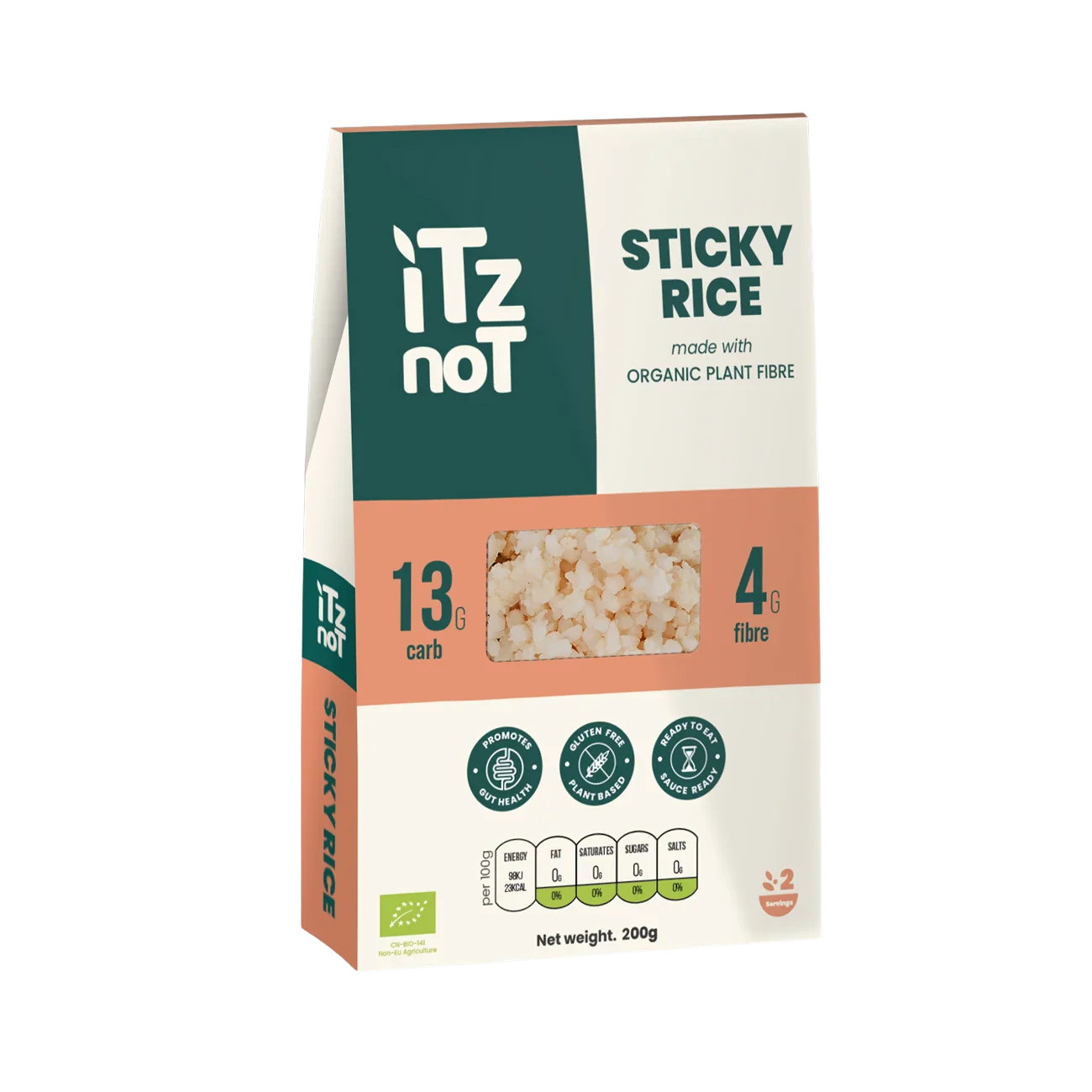
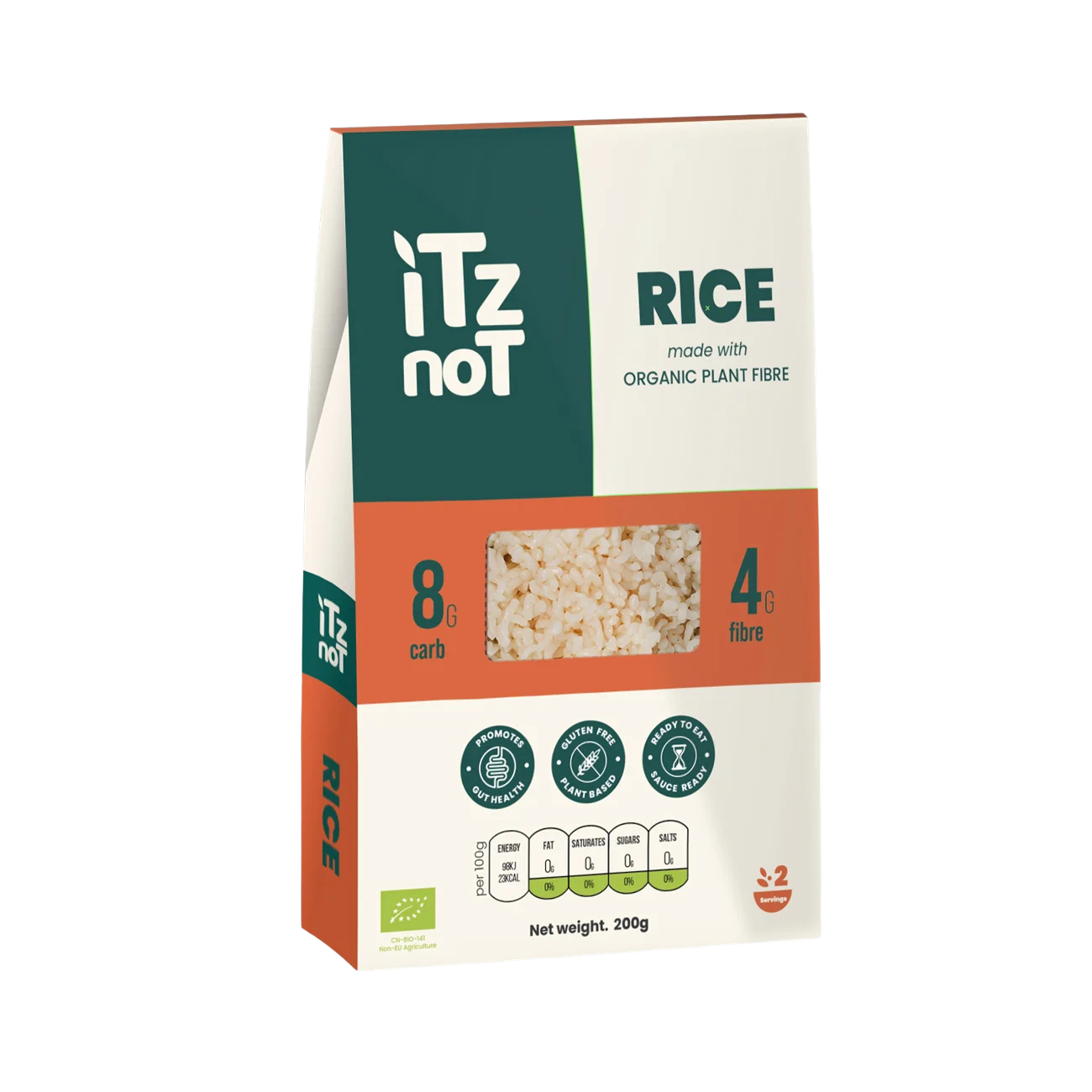
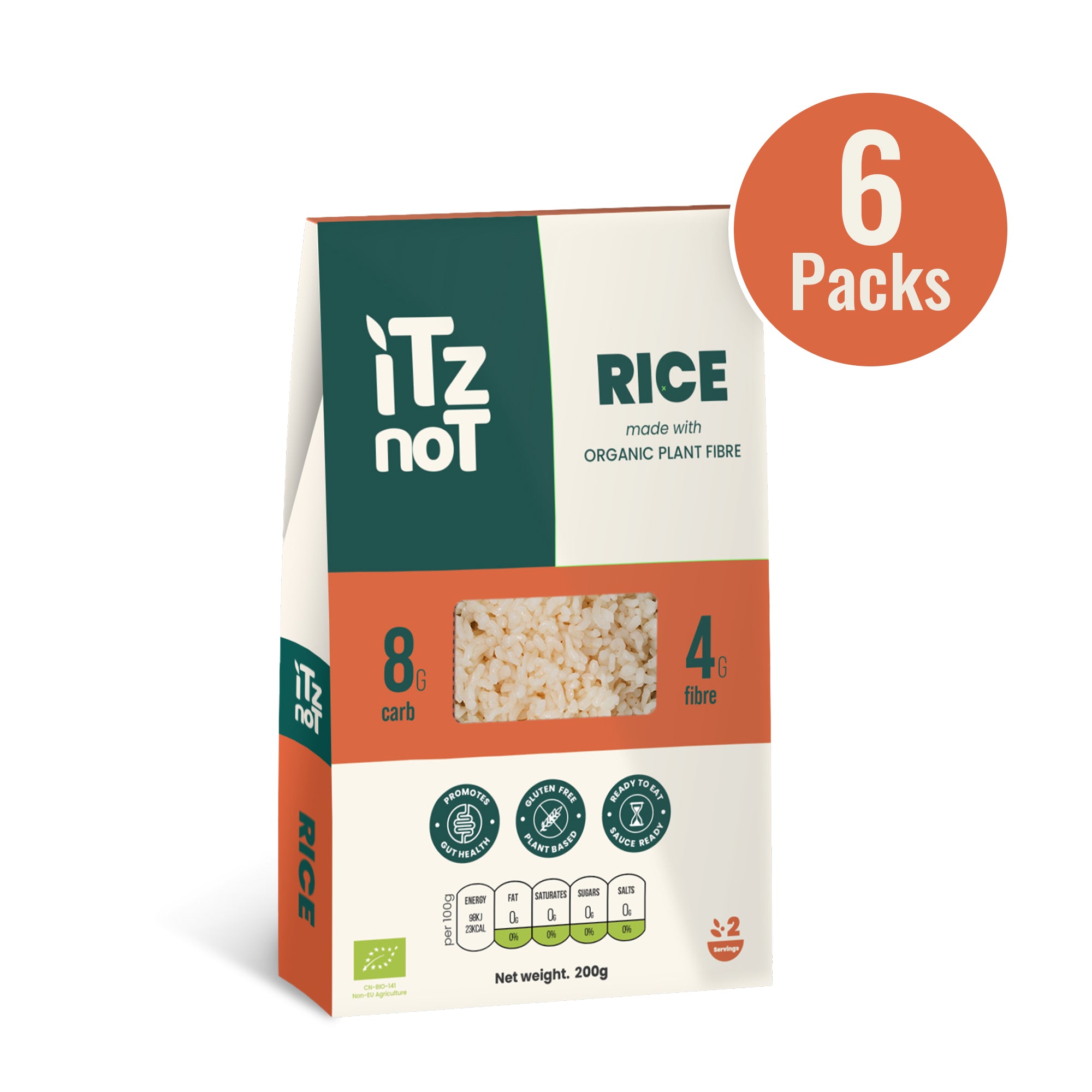
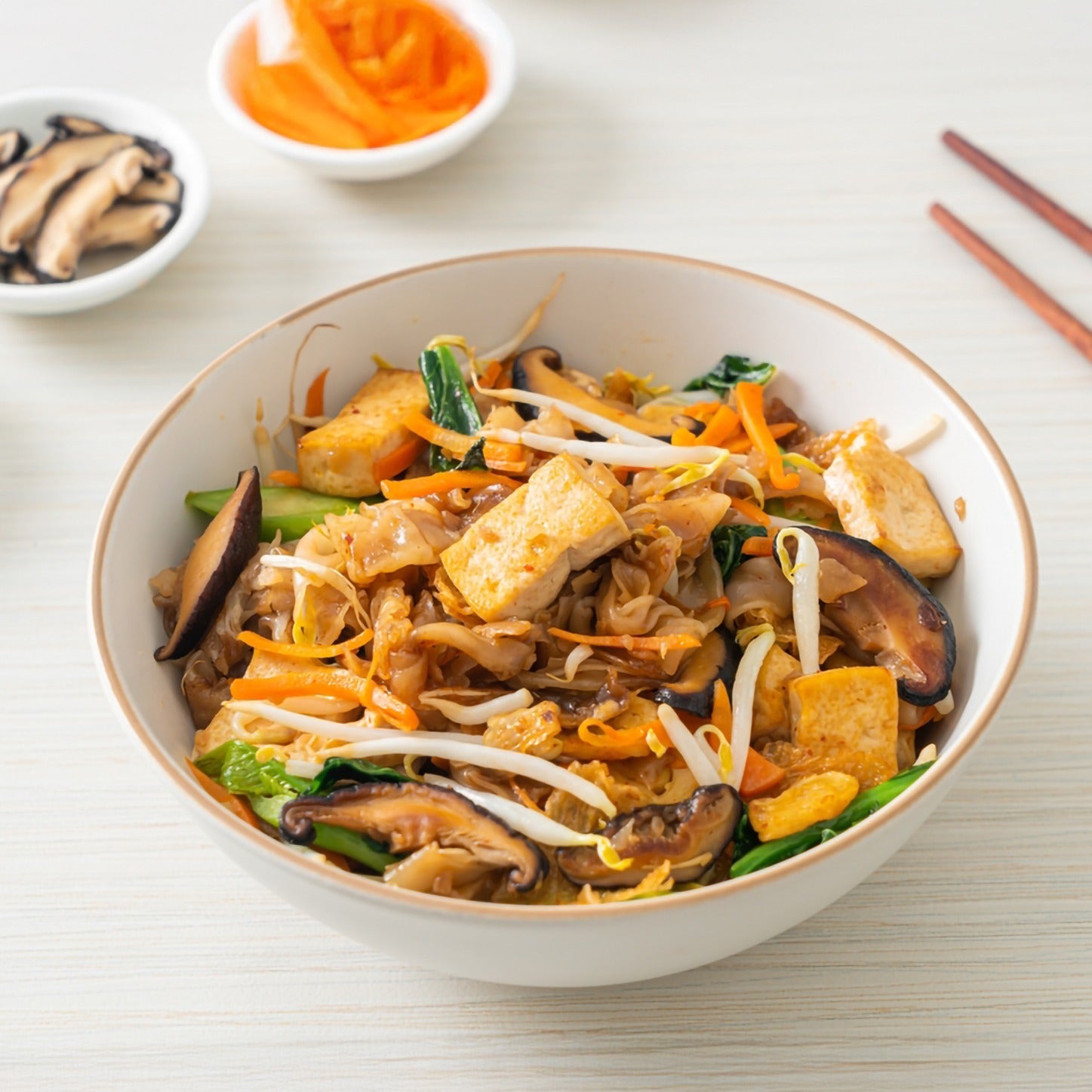
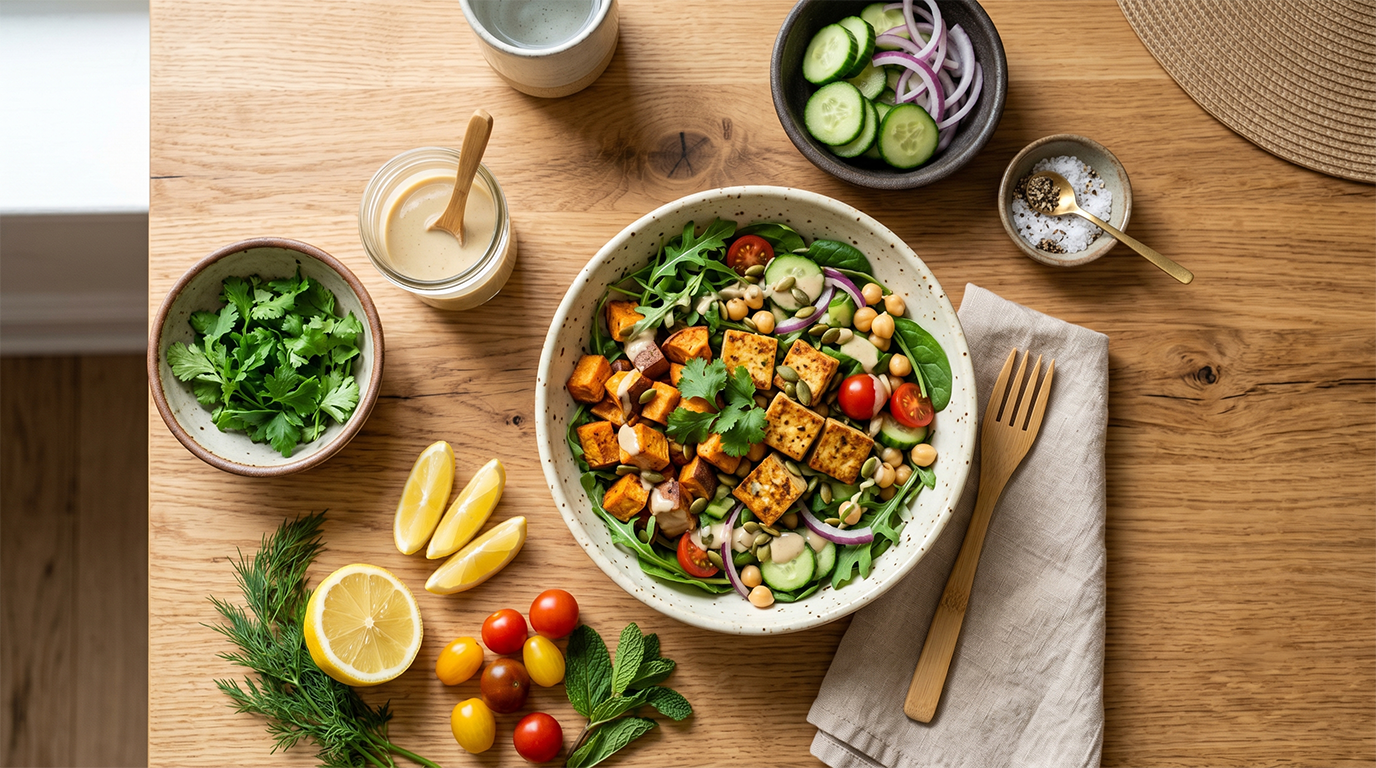
It is easy to get the benefits of resistant starch by cooking and cooling starchy foods. Our iTz Not Just Tofu, for instance, can be made with konjac rice. Chill it and eat it as a gorgeous fresh salad, or warm it up again for a cozy hot meal while remaining packed with the same resistant starches as before.
Having a clearer picture regarding the scientifically proven advantages of resistant starch makes it easier to make dietary choices that improve your health and well-behaved wellness.

Related post
22
May
08
May
22
Apr
RECENT POSTS