








The Rise of GLP-1 Food Products: Nutritional Benefits, Ingredients and Foods to Avoid
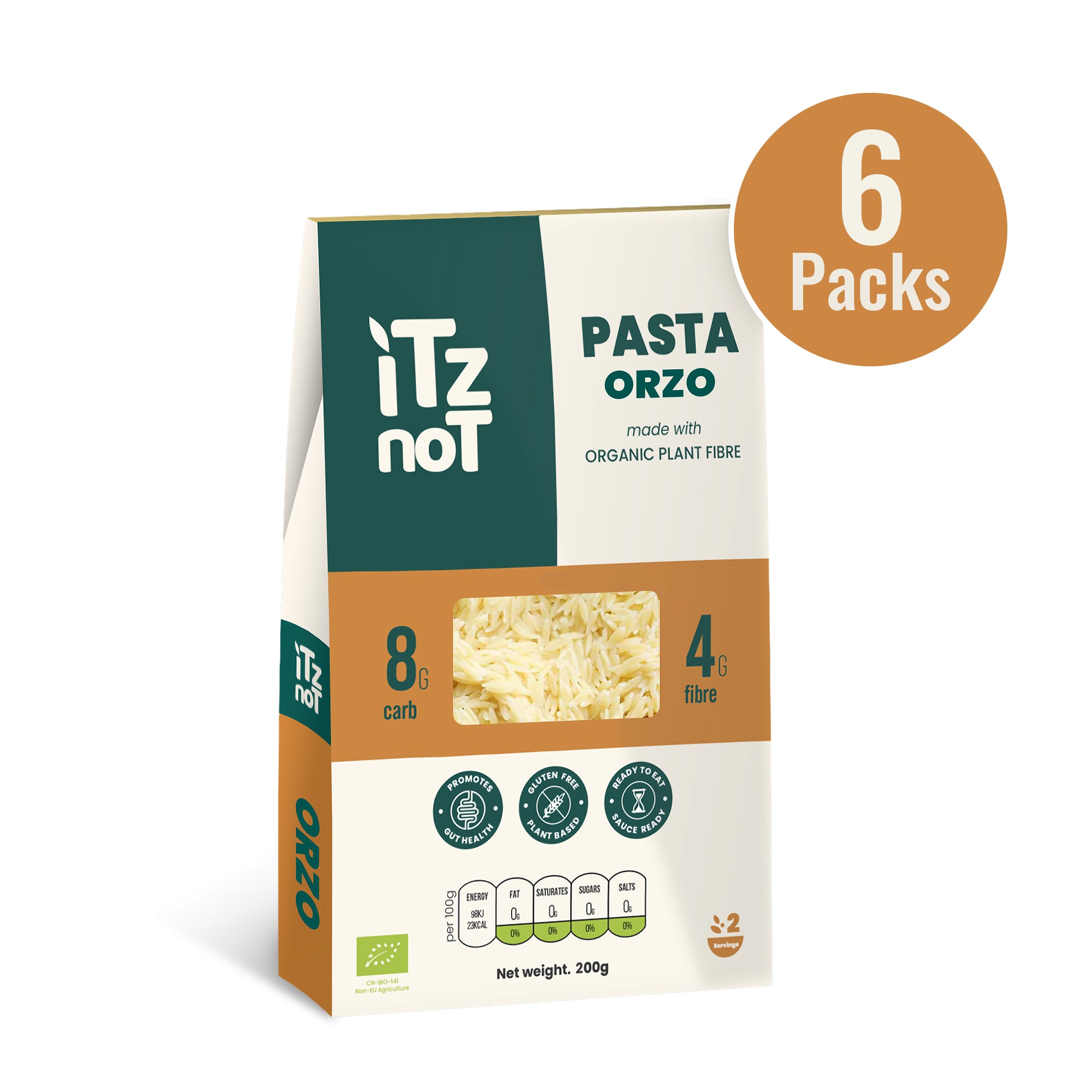
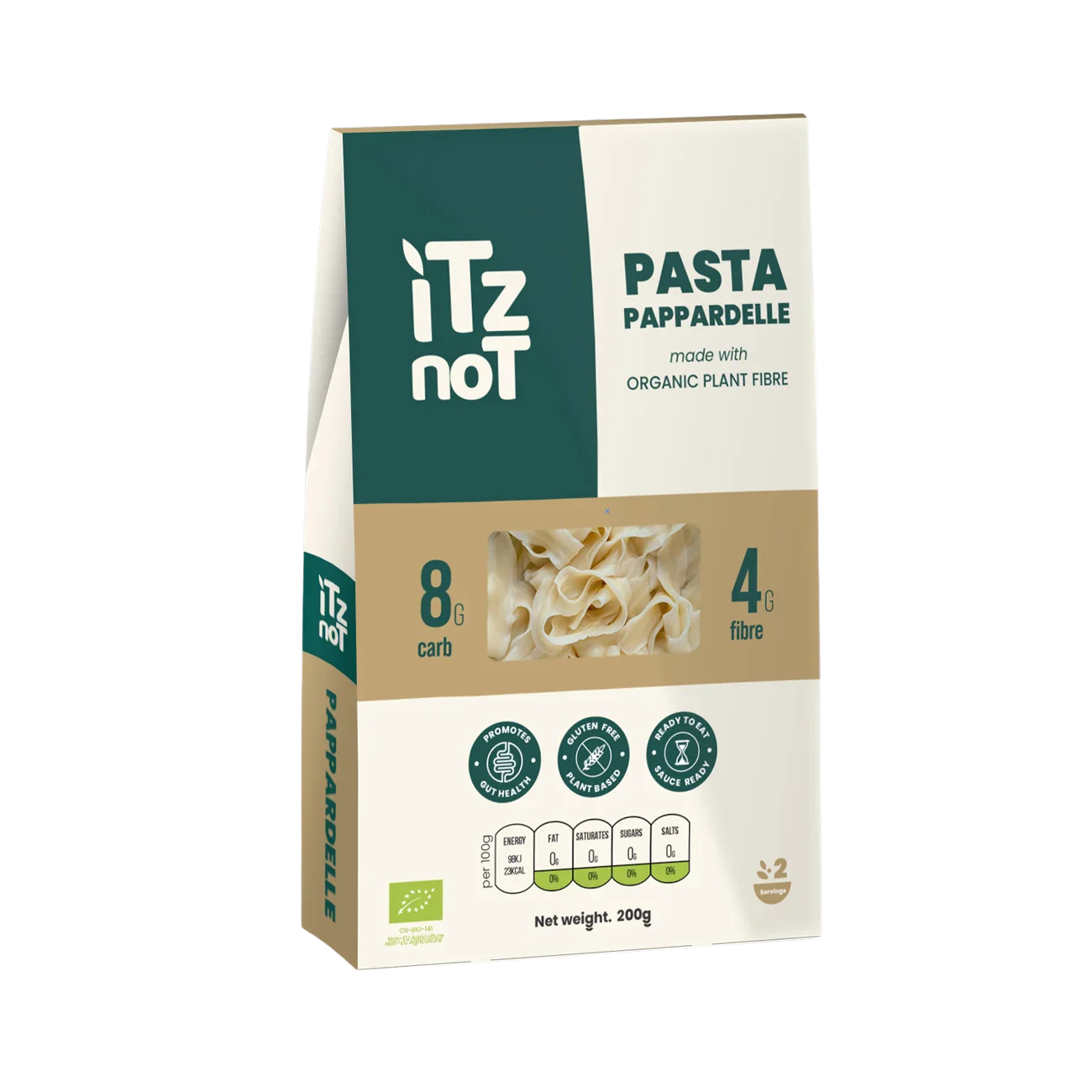
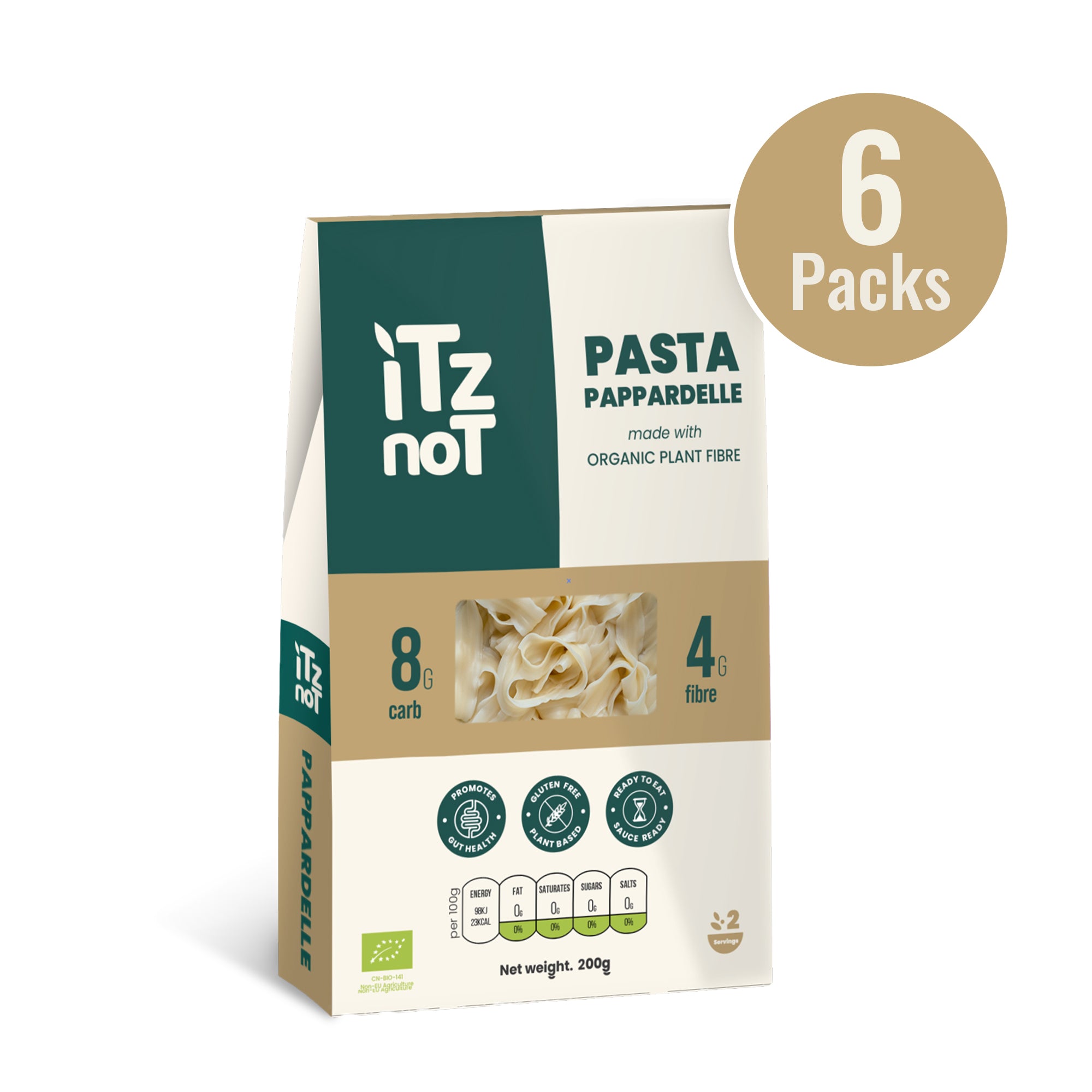
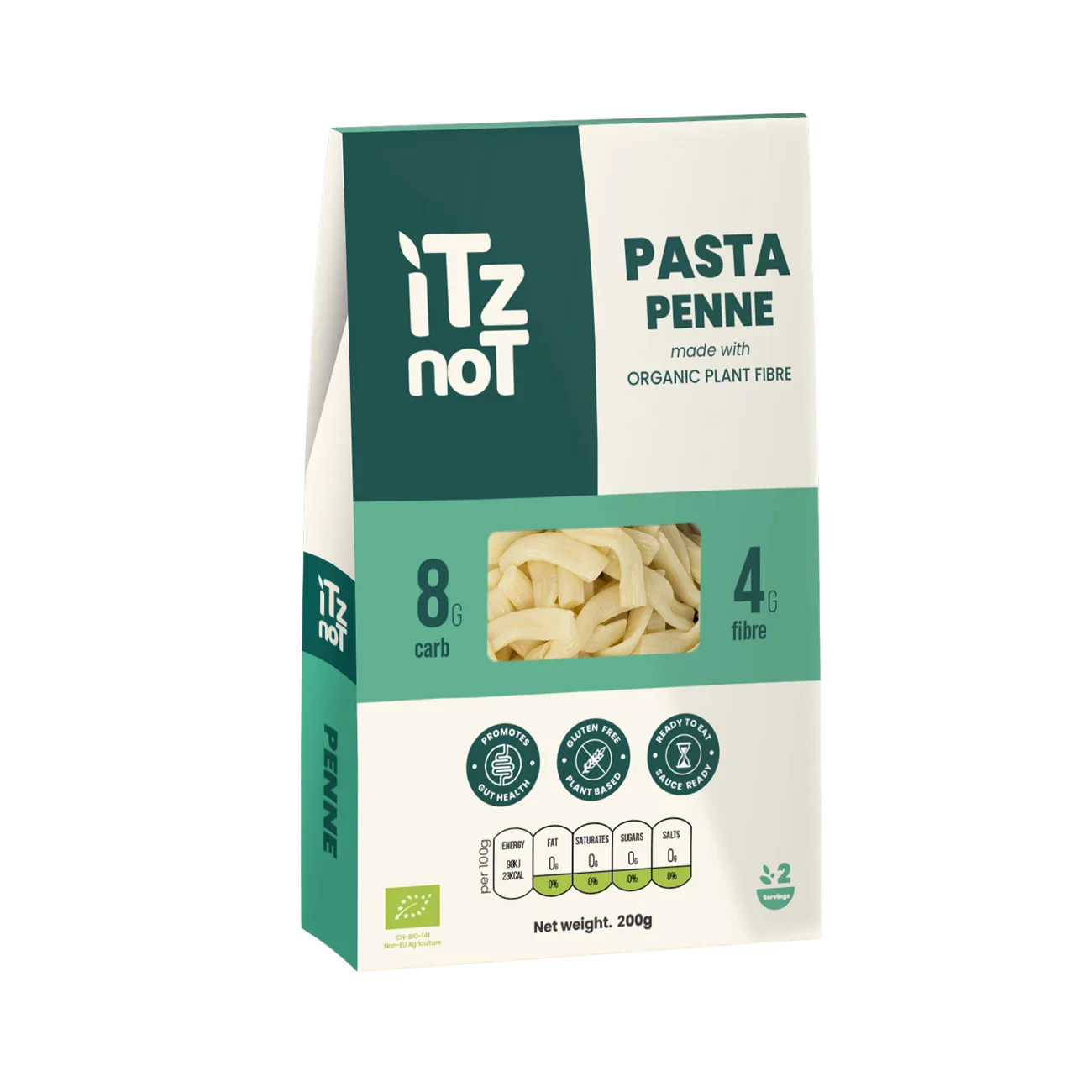
GLP-1 (Glucagon-like peptide-1) food products have started to attract more interest as people look for ways to manage their appetite and look after their health. These foods plays a role in helping you feel satisfied after eating and reducing the urge to overeat and keeping blood sugar levels more balanced. Instead of being complicated, GLP-1-friendly foods tend to focus on familiar options that contain fibre, protein and a good mix of nutrients. Many people choose them as part of a long-term approach to eating, aiming for better hunger control, steady energy levels and overall metabolic support.
GLP-1 food products are items to support the body’s natural use of the hormone glucagon-like peptide-1 (GLP-1), which helps to control appetite and digestion. It can help to manage your hunger and blood sugar. Foods labelled as GLP-1-friendly tend to be rich in protein and fibre, and low in added sugar and refined carbs. These products aim to work alongside normal eating patterns to promote better appetite control and nourishment.
GLP-1-friendly foods are those that focus on being high in protein and fibre. These nutrients play an important role in supporting health, especially when appetite is reduced. When people lose weight, they can also lose muscle mass, particularly if they are not getting enough protein or doing resistance exercises. Maintaining muscle is important not only for strength but also because muscle tissue helps burn calories, even at rest. Eating GLP-1-friendly foods can help provide the protein needed to protect muscles while supporting a feeling of fullness.
From a marketing perspective, companies can highlight the nutritional benefits of GLP-1-friendly foods, such as their protein, fibre, and appetite-supporting qualities. However, they cannot make medical or weight-loss claims. Any statements about GLP-1 friendliness must be based on nutritional evidence, not positioned as a guaranteed way to lose weight.
Key Ingredients Found in GLP-1 Food Products
Built with simple ingredients that help you feel full for longer and support steady energy levels throughout the day.
-
High in protein from sources like lean meat, dairy, beans, and lentils
-
Protein helps manage hunger and supports muscle health
-
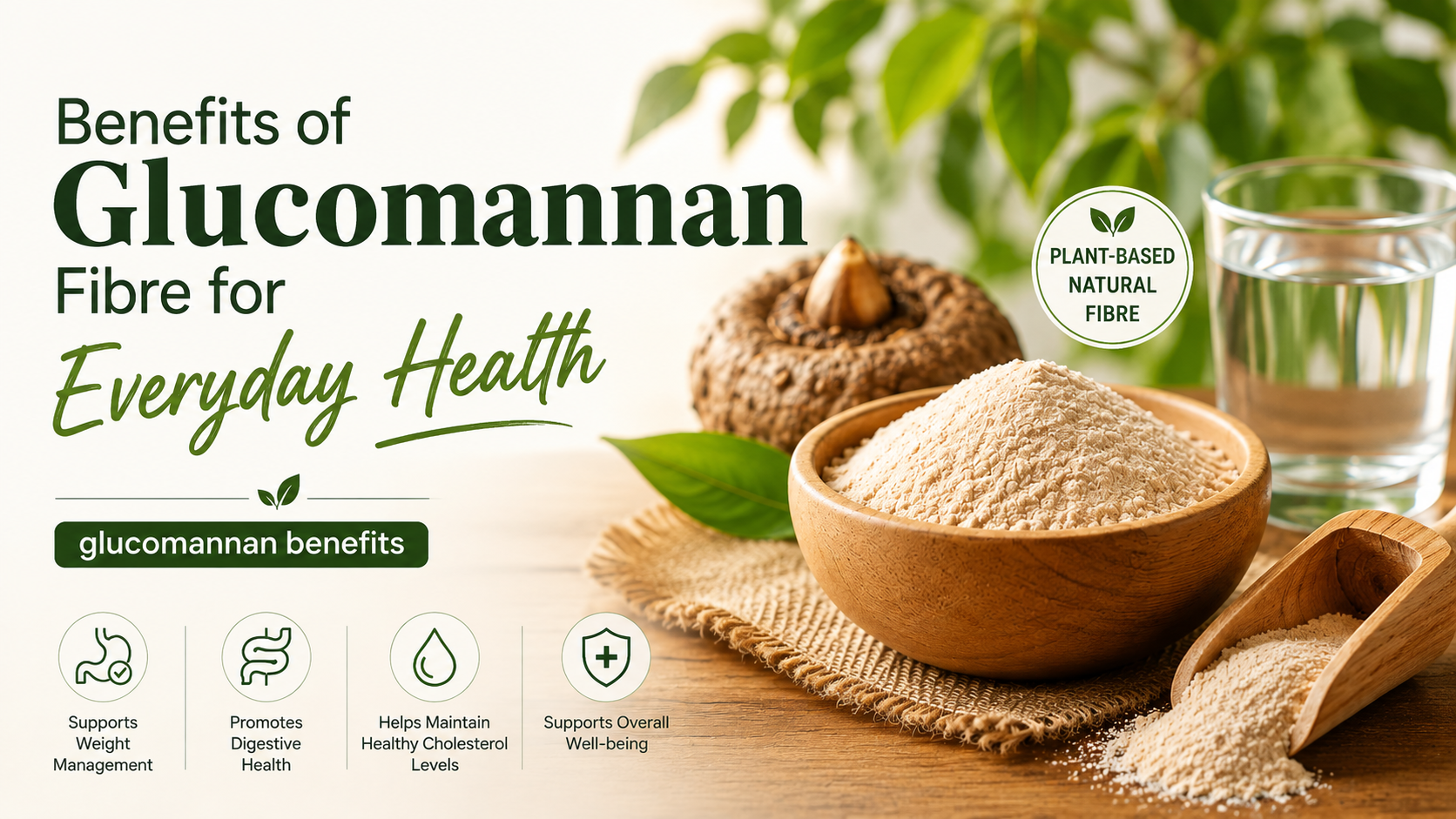
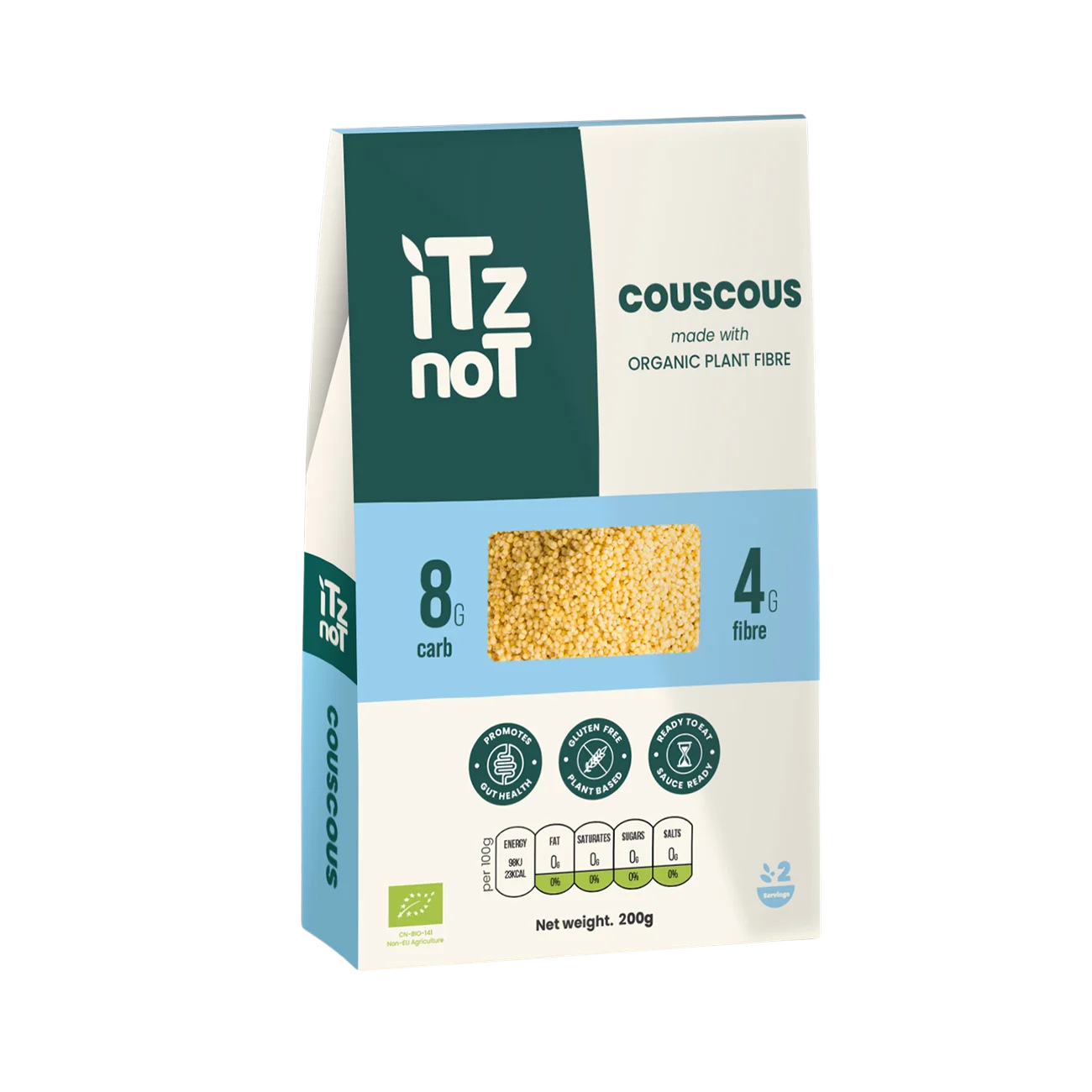
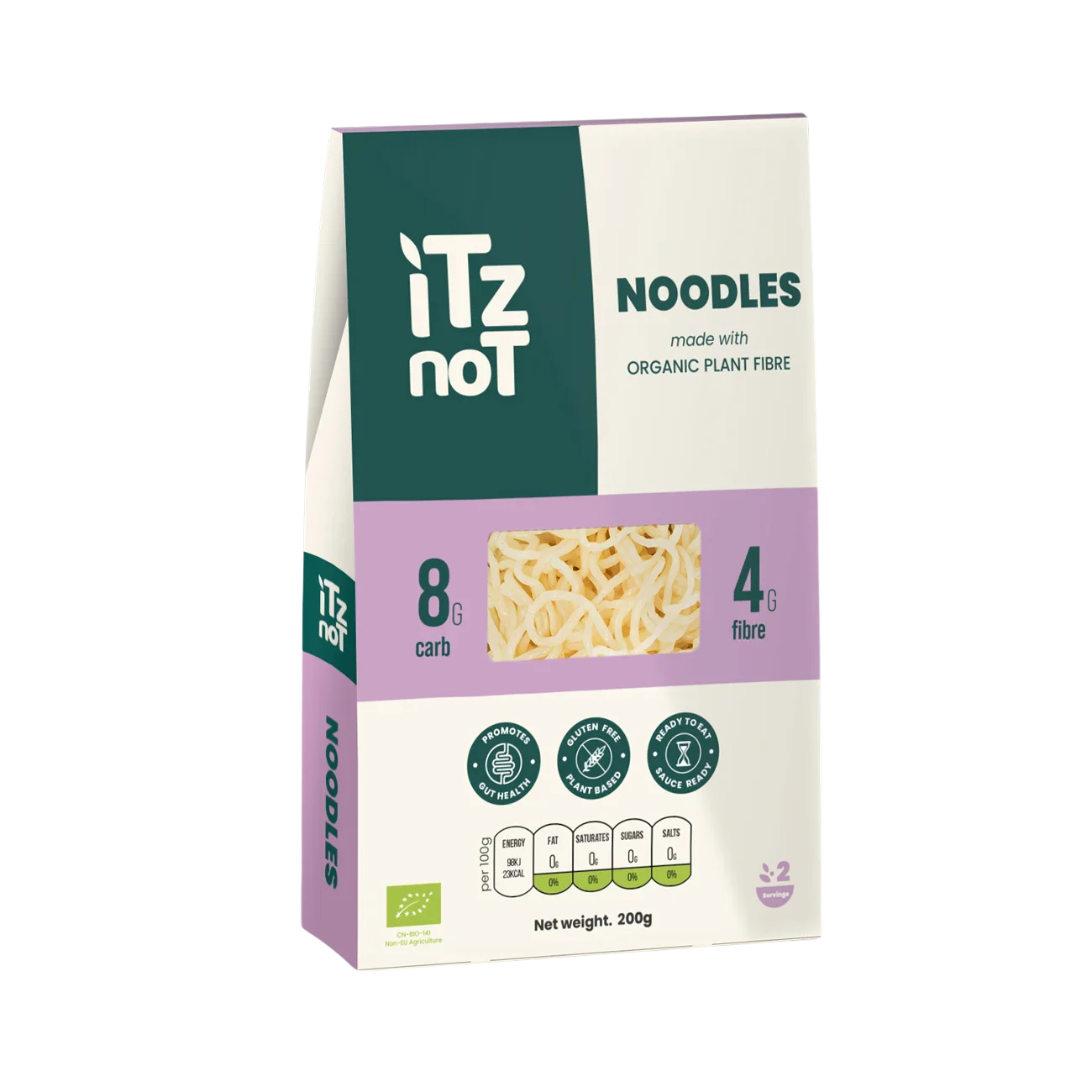
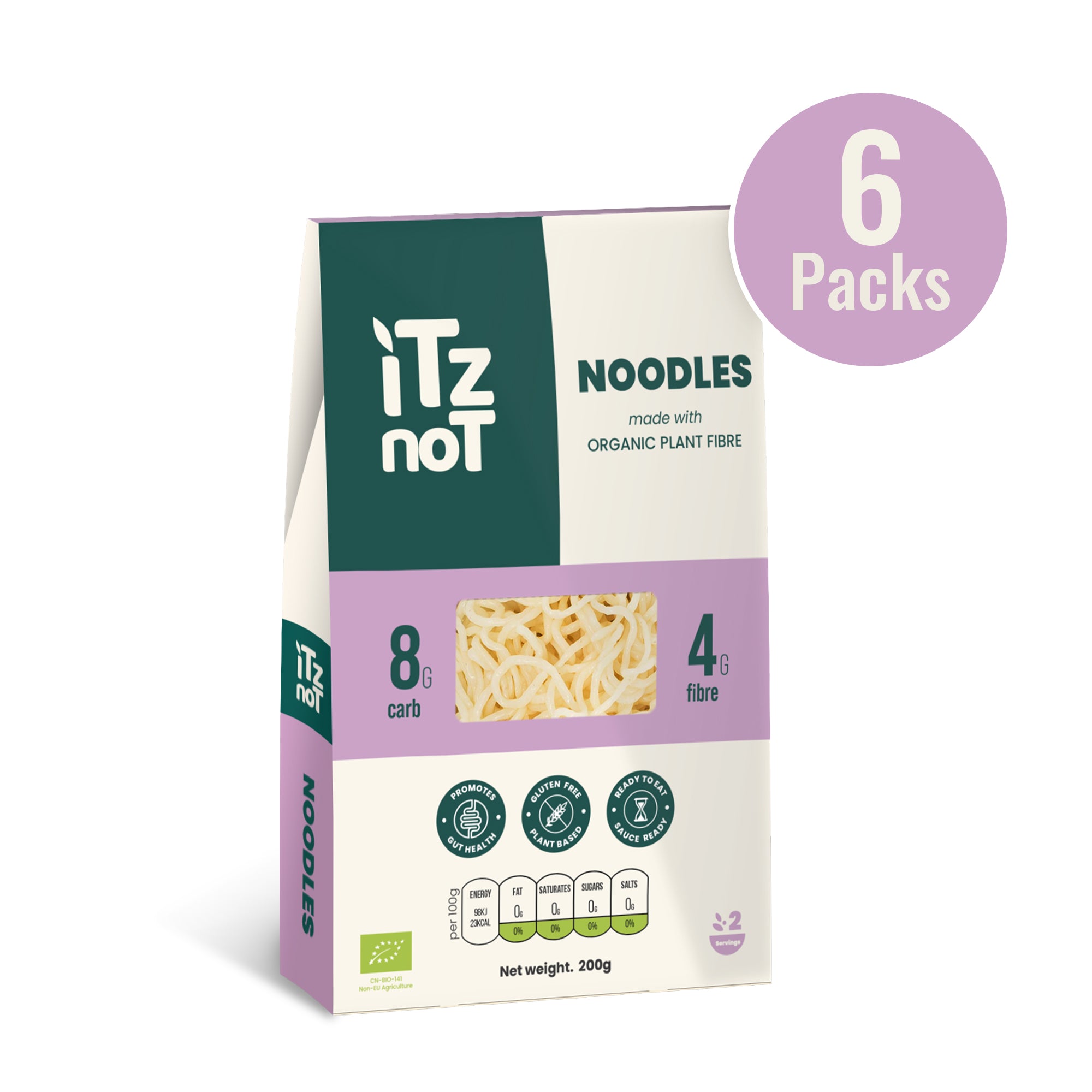
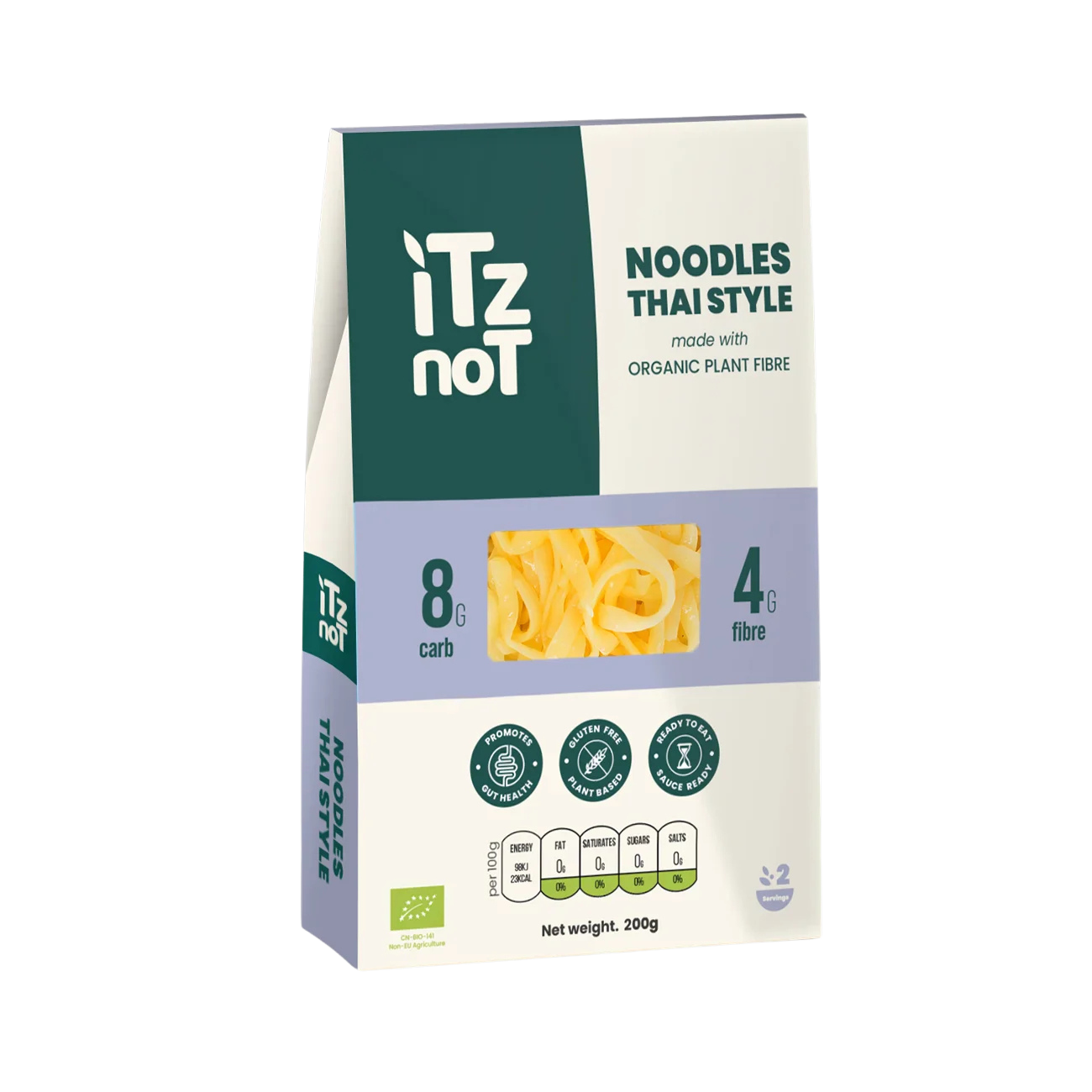
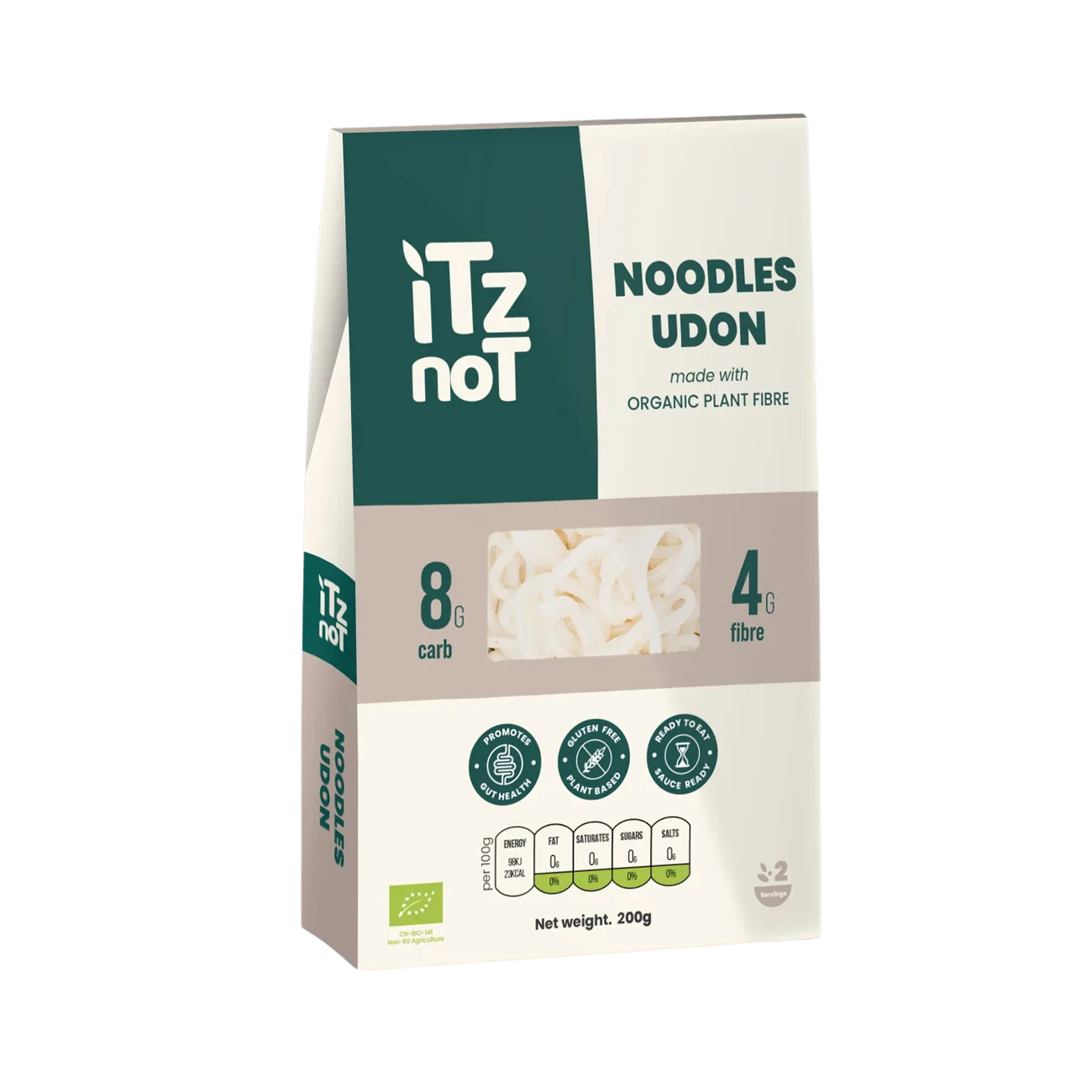
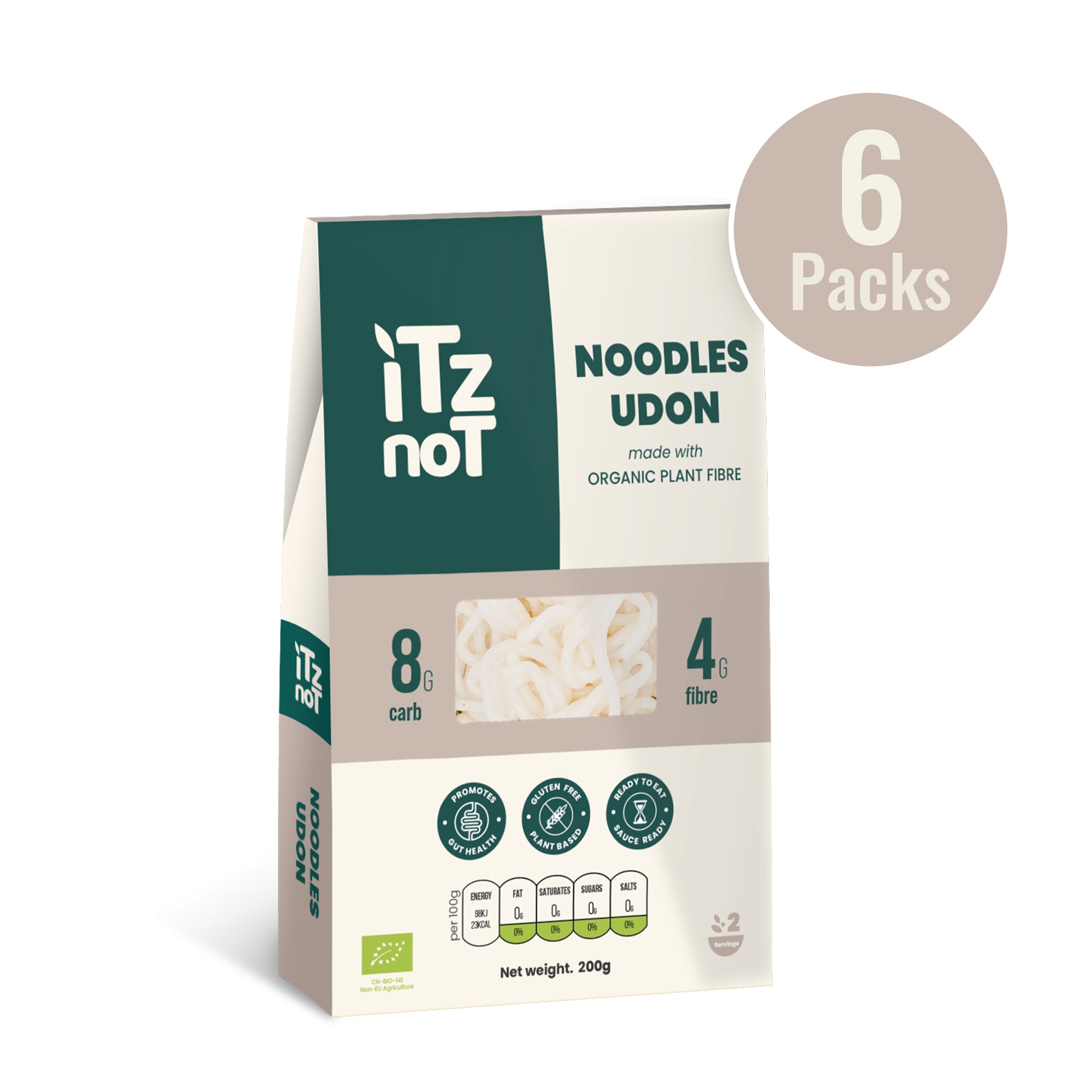
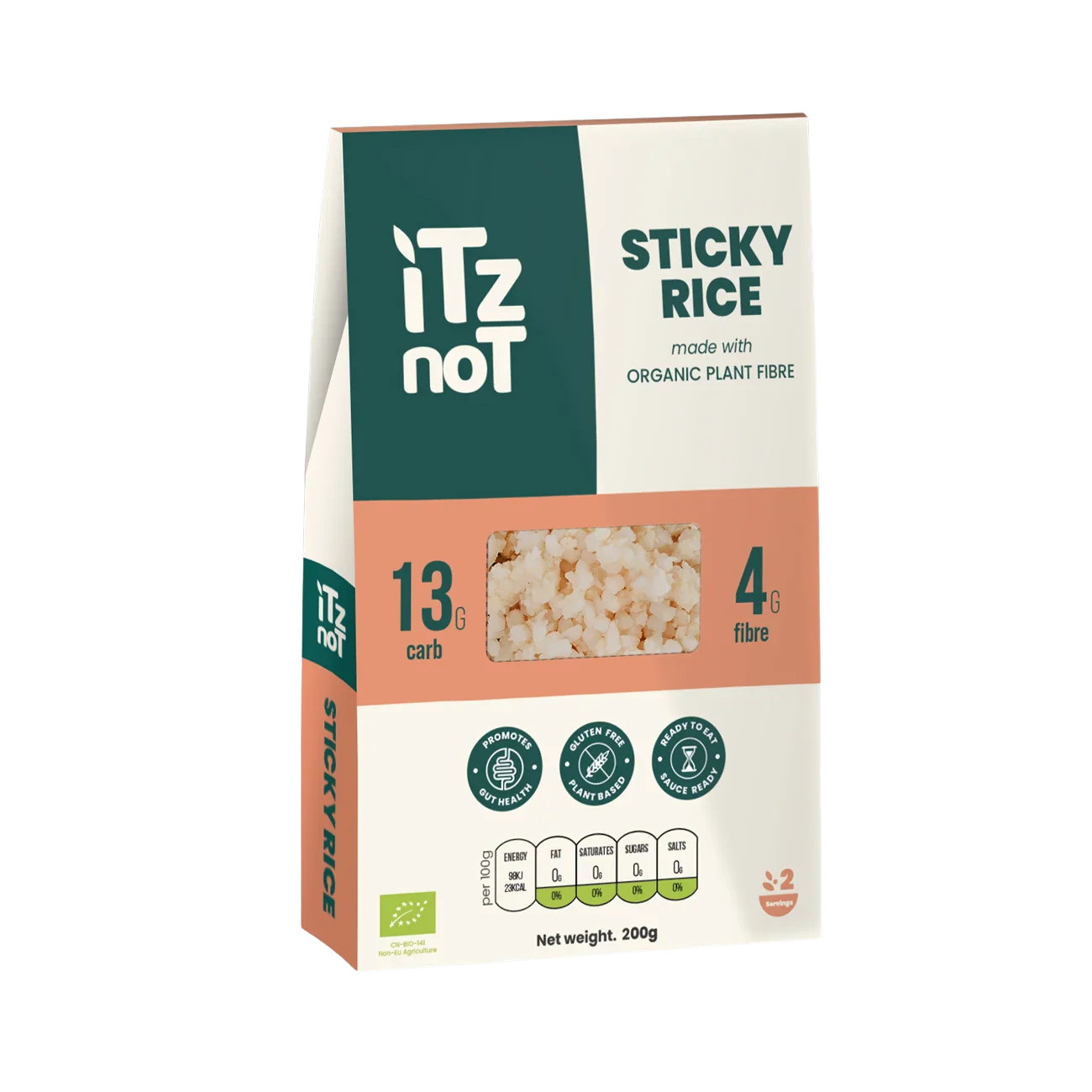
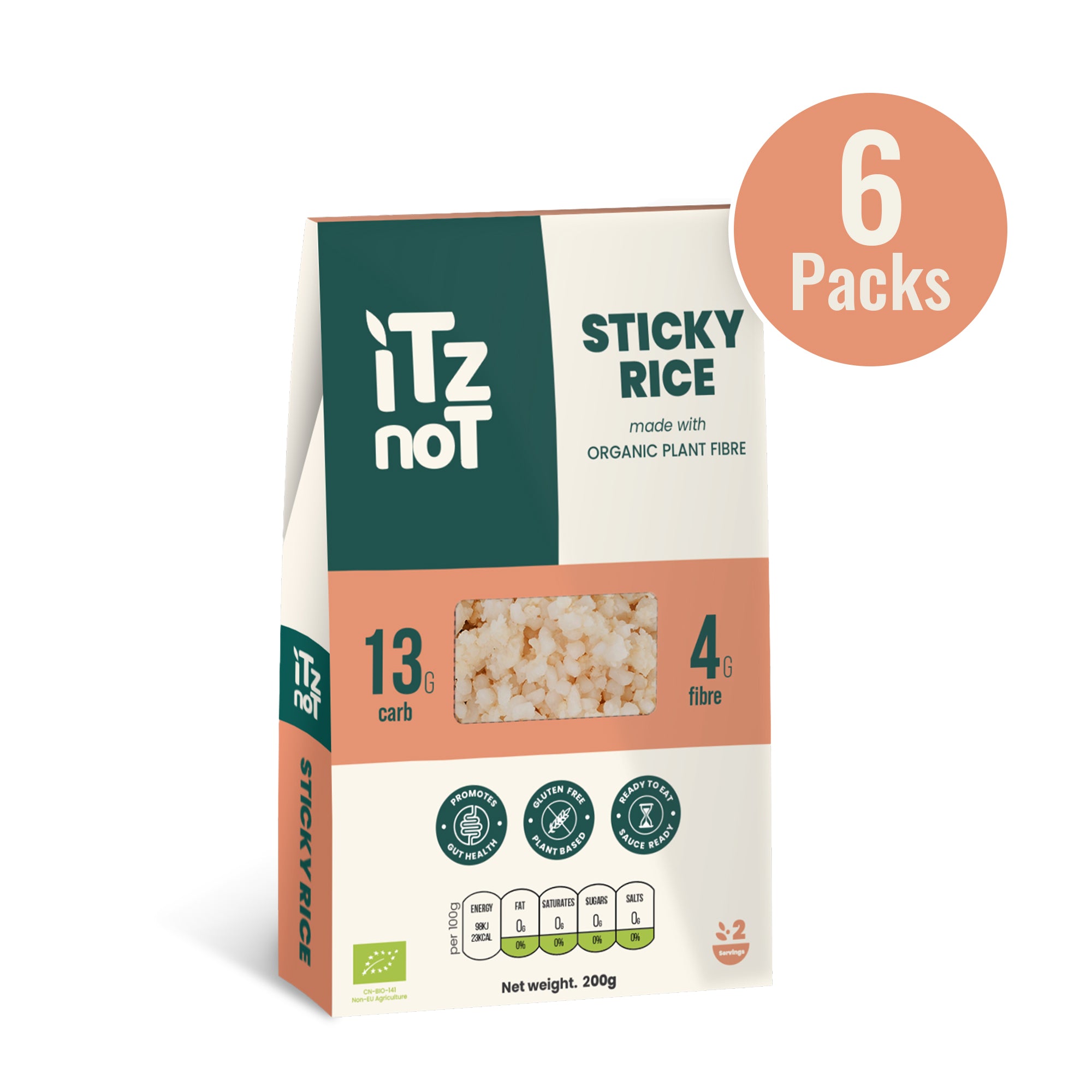
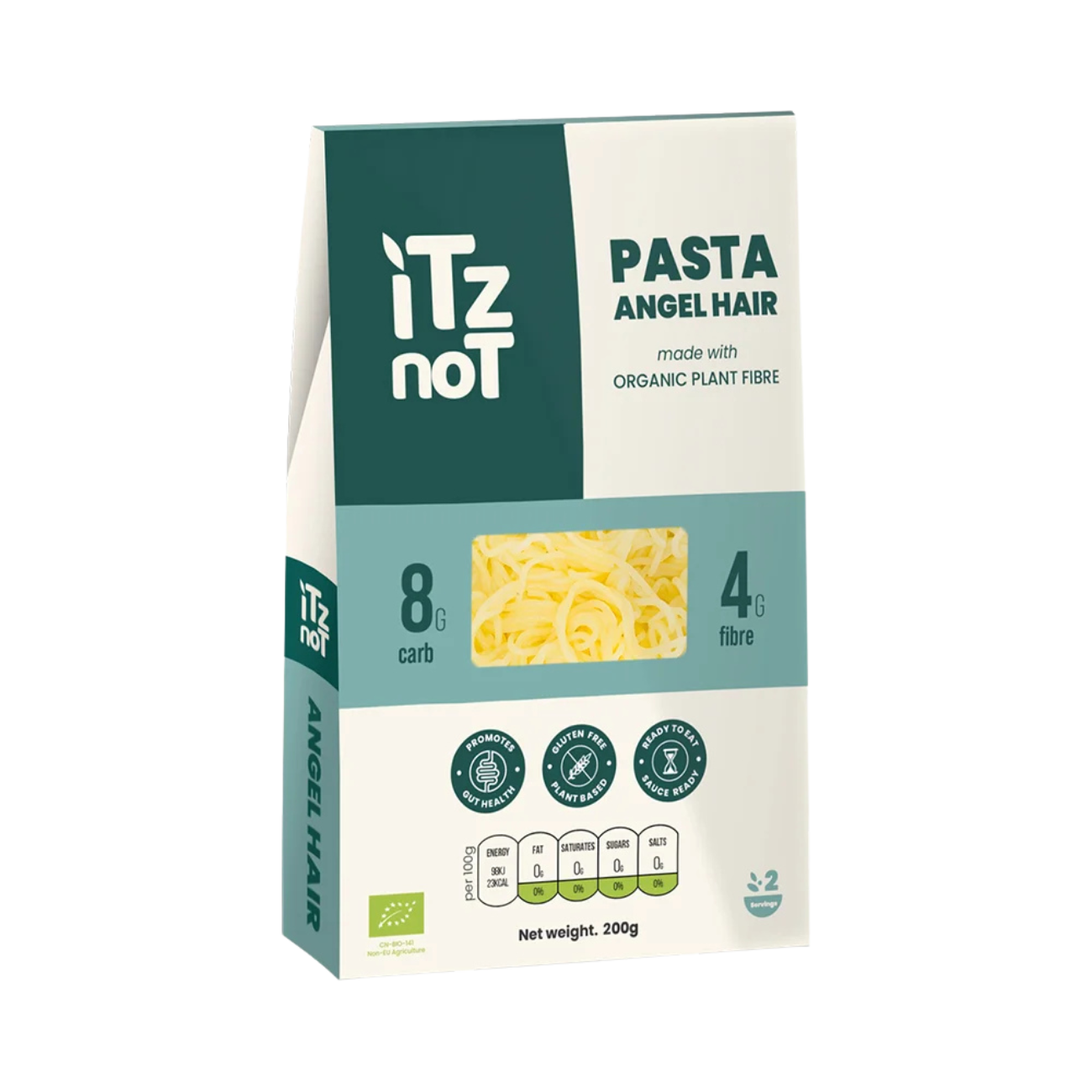
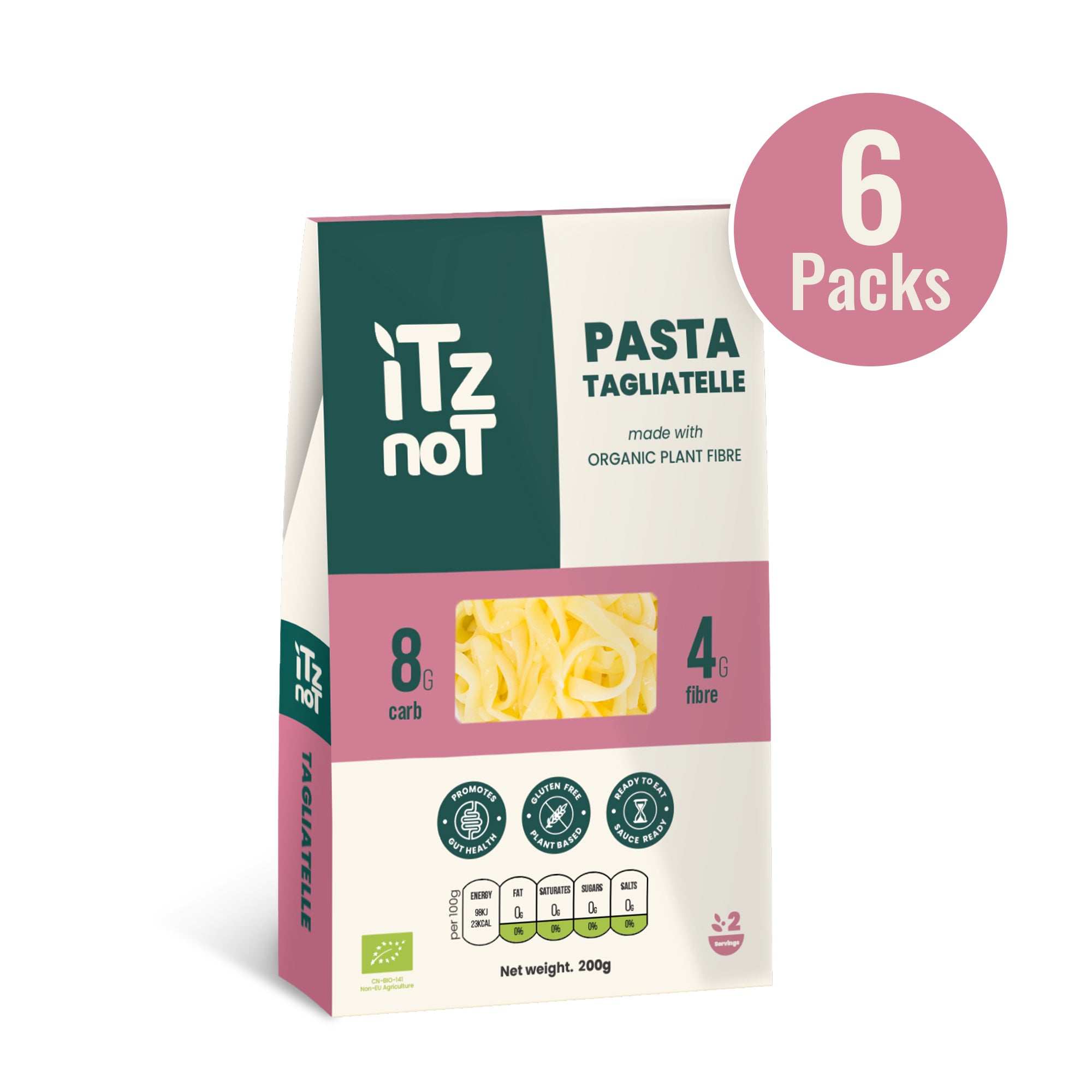
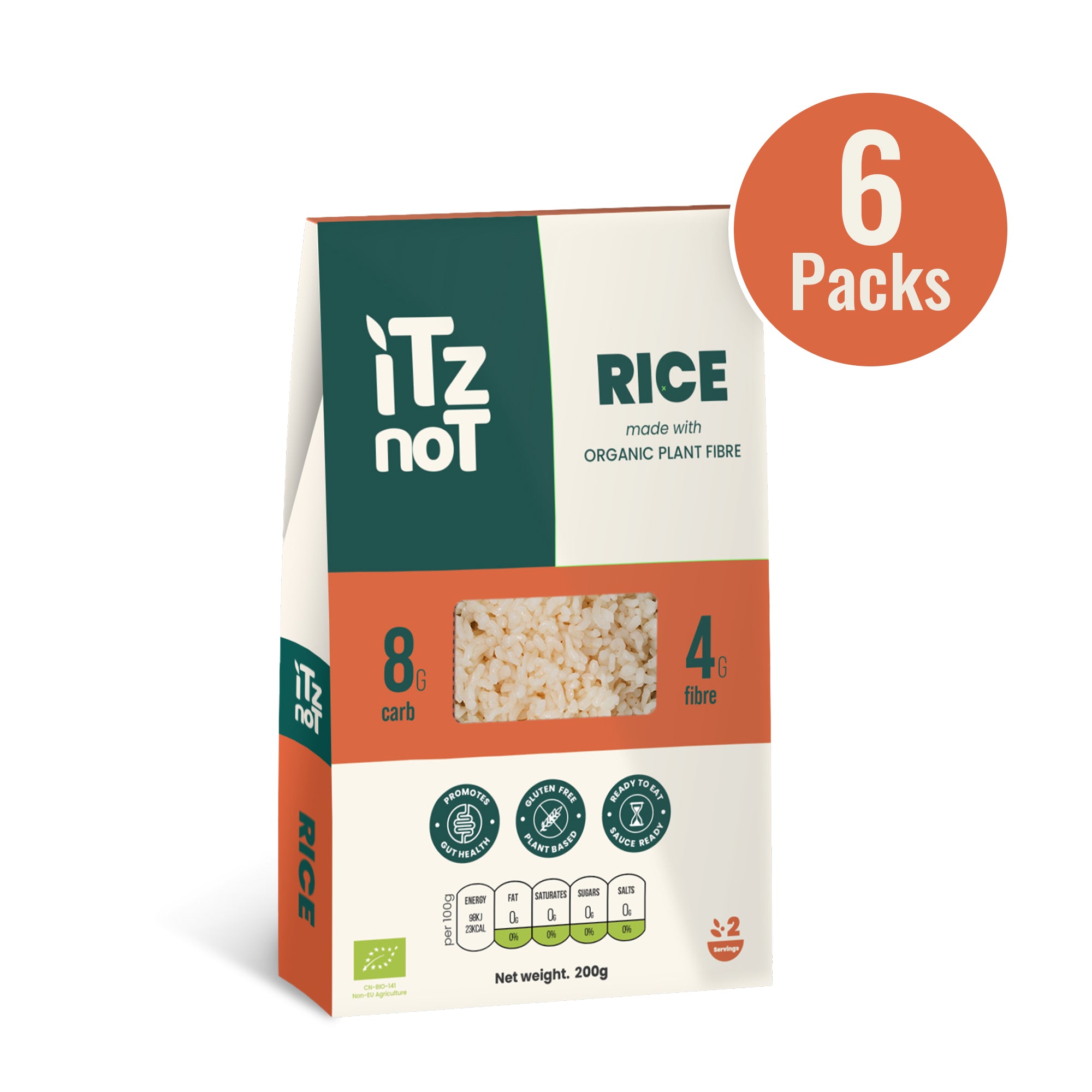
Rich in fibre from whole grains and prebiotic ingredients
-
Fibre slows digestion and helps you feel satisfied after meals which include healthy fats from nuts, seeds, and avocados
-
Healthy fats provide lasting energy without sharp blood sugar rises
-
Low in added sugar and refined carbohydrates that helps to prevent sudden hunger and energy crashes
Foods to Limit for Better GLP-1 Support
Some foods can make side effects from GLP-1 products more noticeable, though everyone’s body reacts differently. It may take a bit of trial and error to see which foods affect you most. In general, it’s a good idea to reduce or avoid:
-
Foods high in added sugar, such as sugary drinks, candies, desserts, and fruit juices
-
Highly processed or packaged snacks
-
Spicy foods, including hot sauces and chilli peppers
-
Refined carbohydrates, including white bread, plain crackers, and white rice
-
Fatty foods, like fried items or pizza
Conclusion
The GLP-1-friendly label is a new addition to grocery shelves. To understand why a product carries this label, it is important to look at the ingredient list and nutritional information. Two key nutrients to focus on are protein and fibre. Both help you feel full for longer and support steady blood sugar levels. Protein also helps protect muscle mass during weight changes, while fibre can ease constipation, which may sometimes occur with GLP-1 use. GLP-1-friendly meals can be a nutritious choice for almost anyone looking to maintain fullness, energy, and digestive health.

Related post
12
Sep
26
Aug
RECENT POSTS

28.September.2026
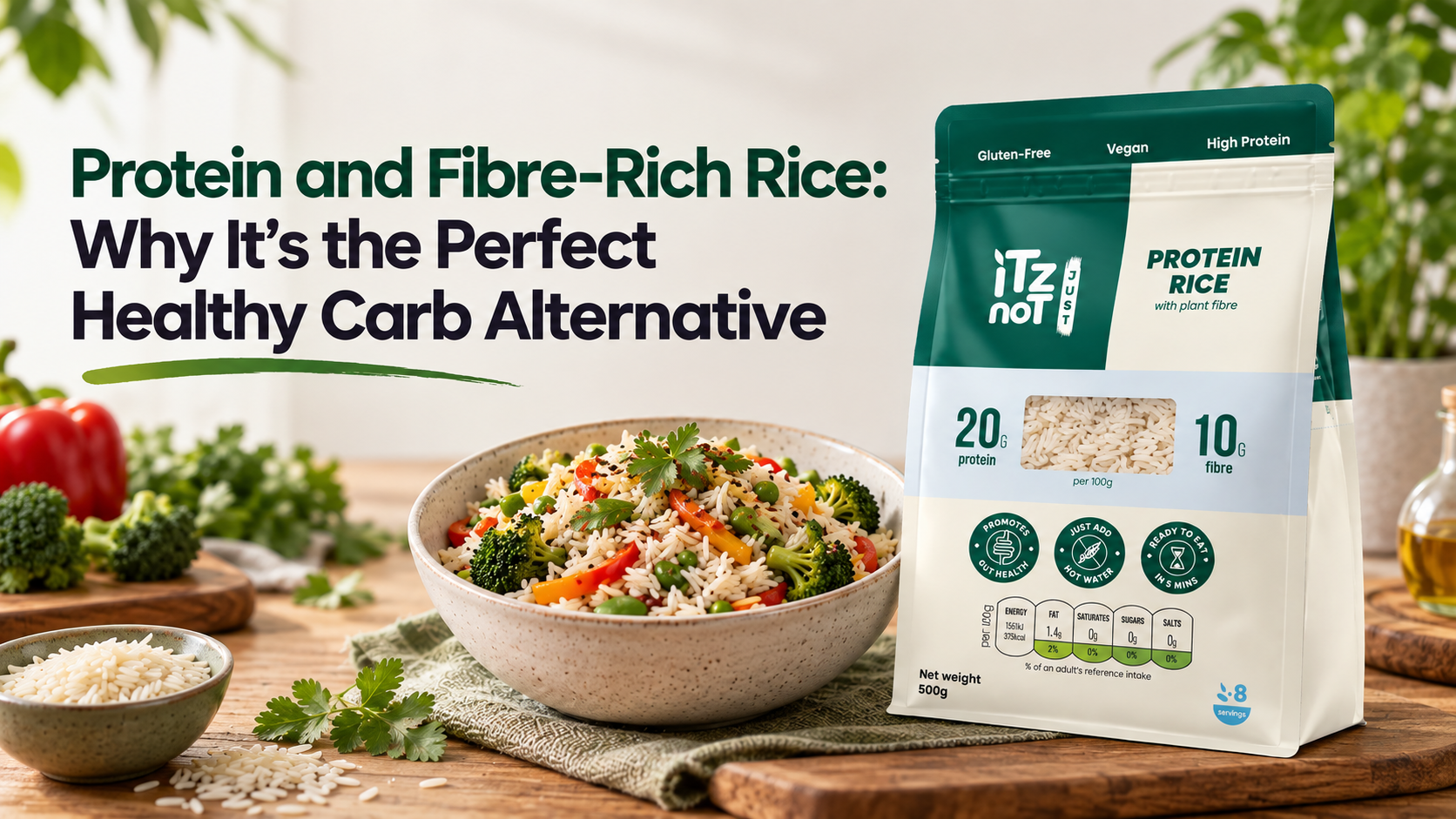
Protein and Fibre Rich Rice: Why It’s the Perfect Healthy Carb Alternative
0 Comments