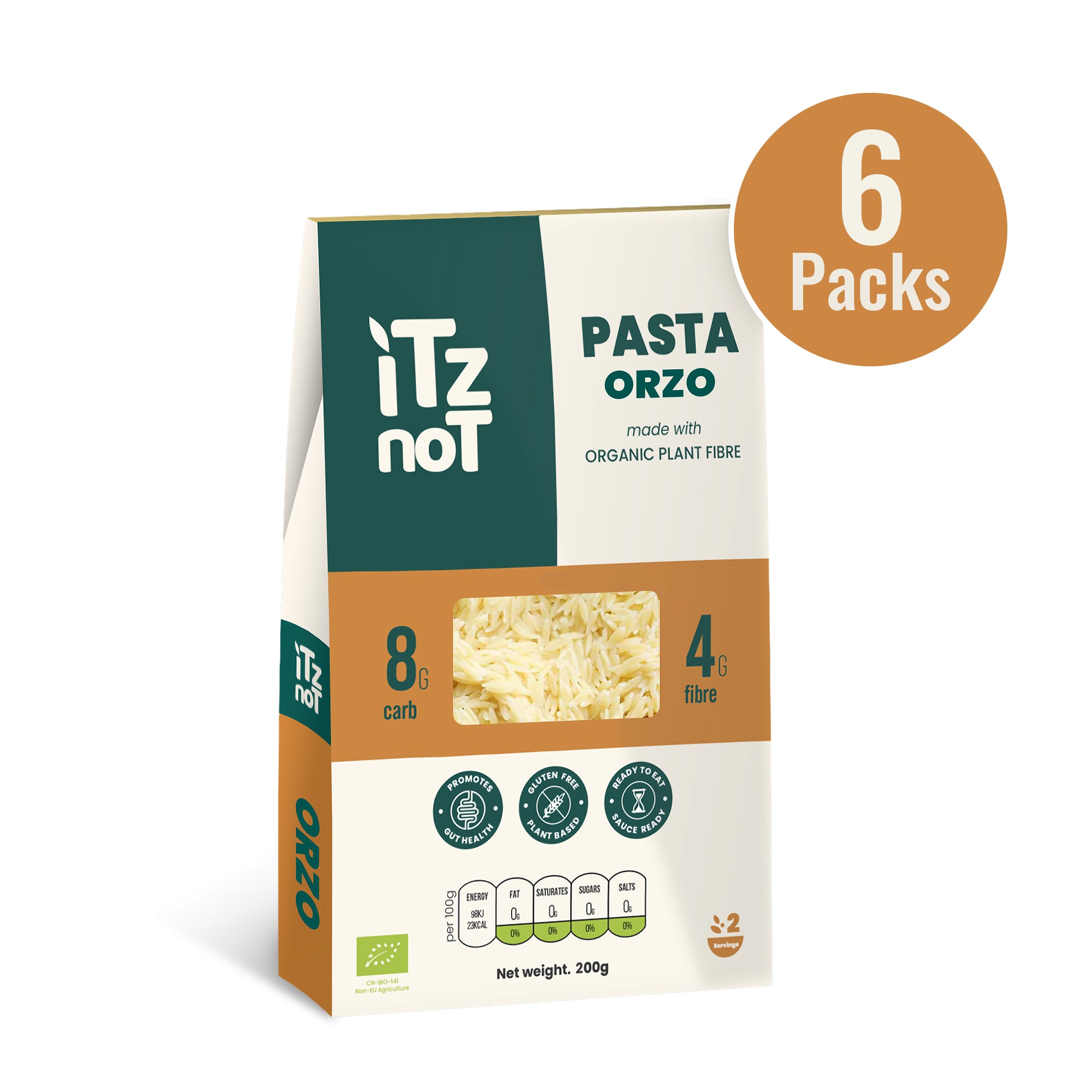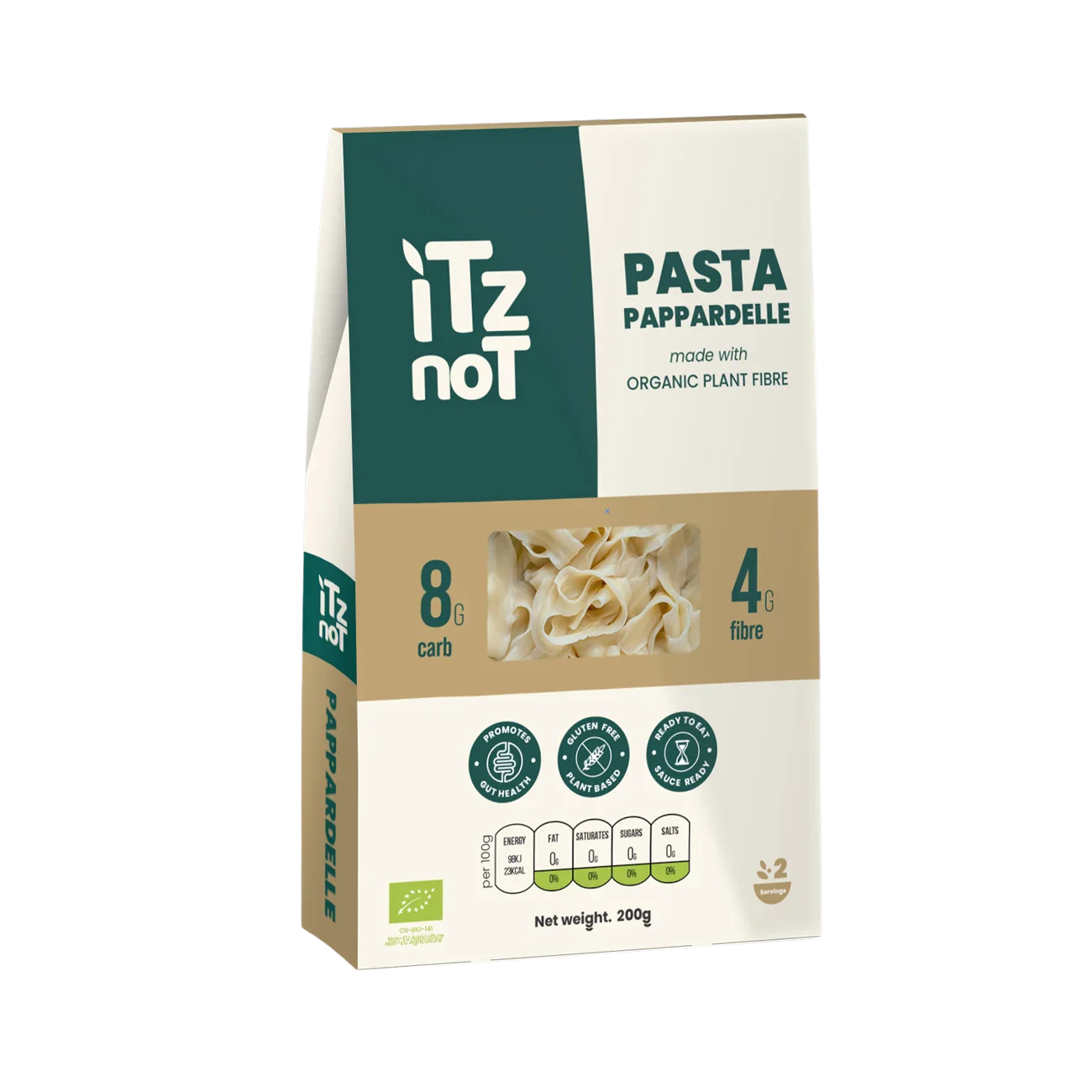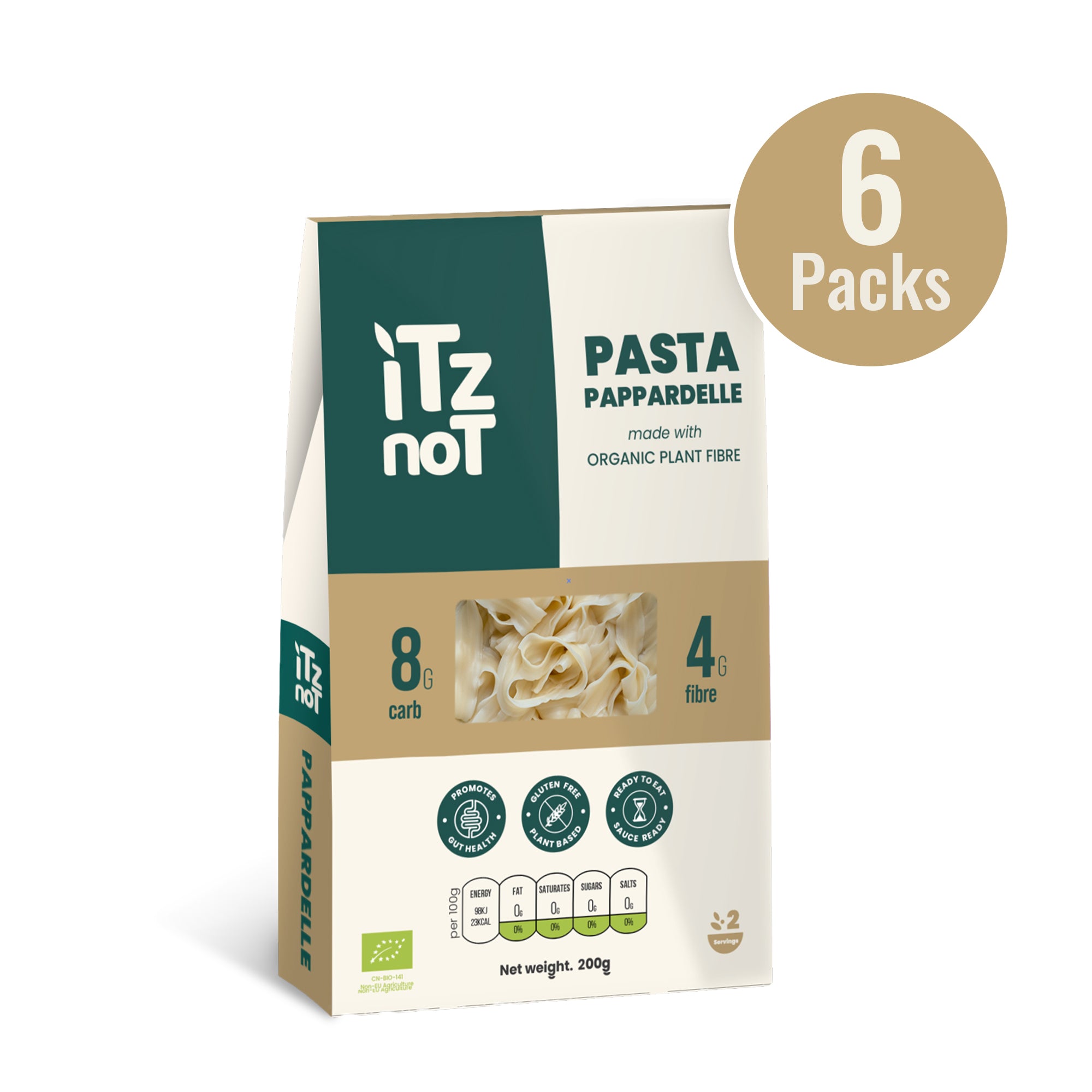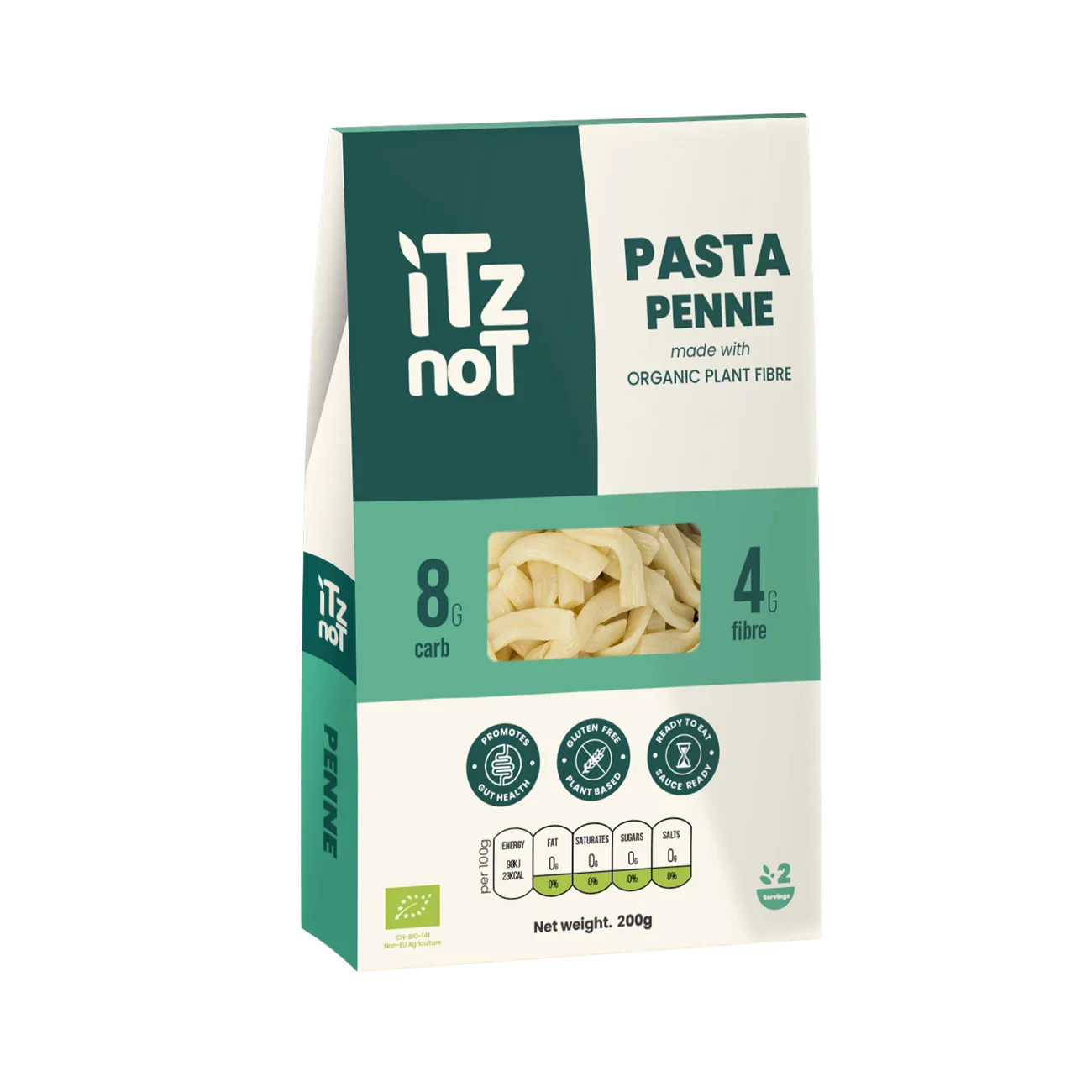













What is Konjac? Benefits, Uses and Why It’s Good for Your Health
In today’s approach to health, ingredients matter more than ever. At ItzNot, we believe nutrition should feel intentional, balanced and refined. One ingredient attracting growing interest within the wellness sector is konjac. This naturally fibre-rich root vegetable is long established in Asian culinary traditions, which is valued for its role in supporting weight management and balanced blood sugar levels.
Konjac offers a way to increase your fibre intake without excess calories or carbohydrates. It is subtle in flavour yet powerful in function. But what exactly is it and why has it become such a valued ingredient in nutrition?
What Is Konjac?
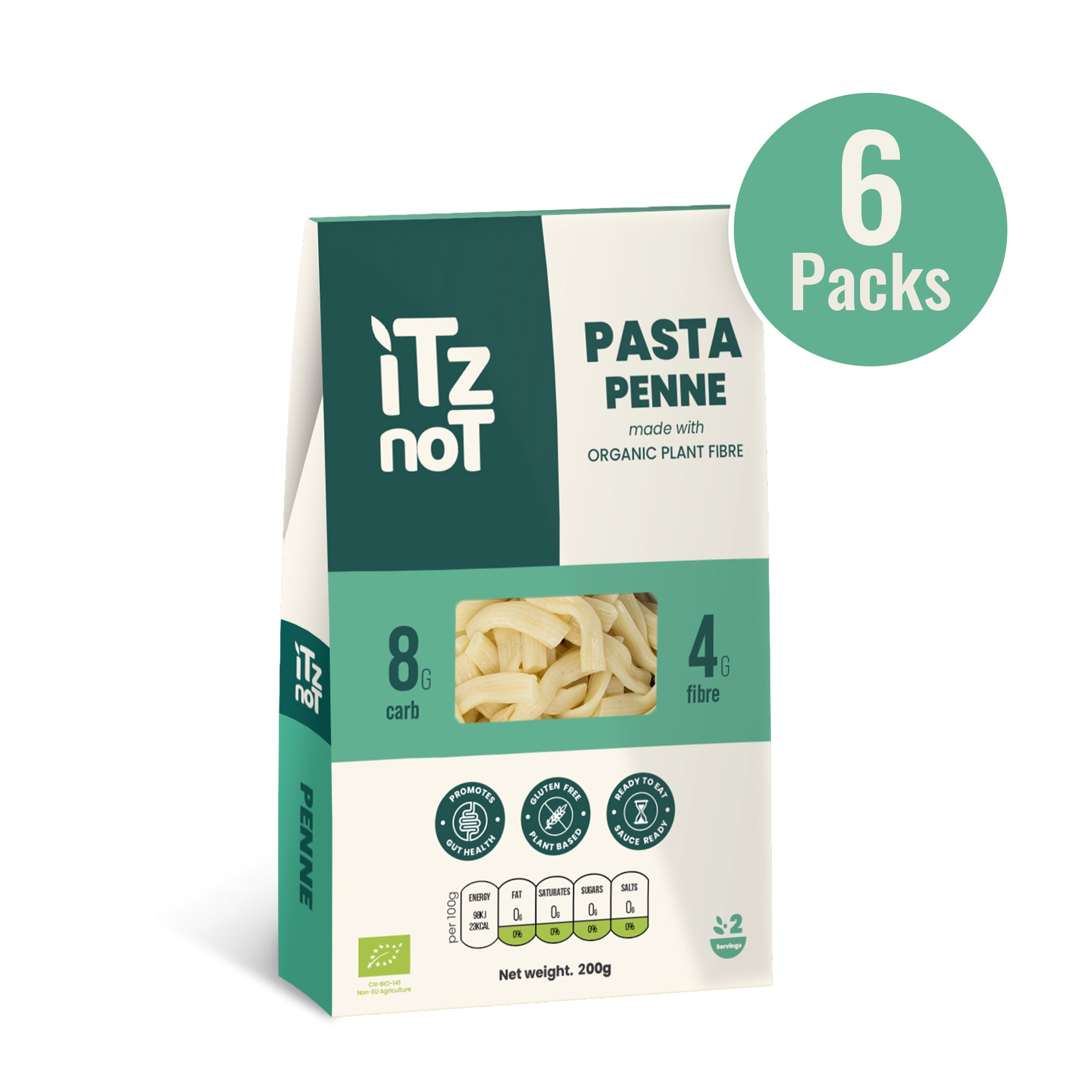
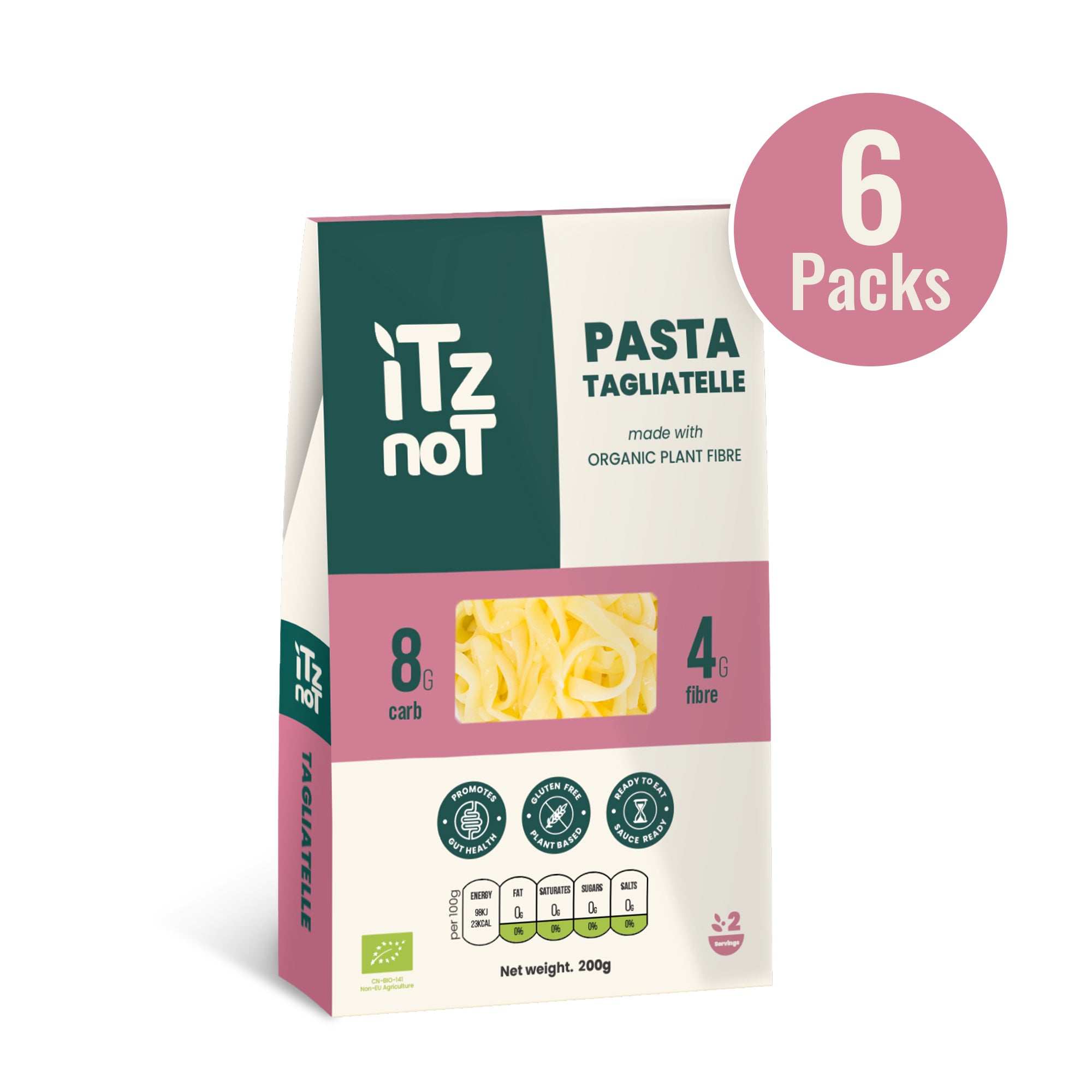
Konjac, which is also referred to as elephant yam, comes from the plant Amorphophallus konjac. It has been cultivated and consumed in parts of Asia for centuries. The edible portion is an underground bulb known as a corm. What makes this corm unique is its high content of glucomannan, a water-soluble dietary fibre. It is naturally low in calories, carbohydrates, and fat. The konjac-based foods are widely used as low-calorie alternatives to traditional pasta, rice and noodles.
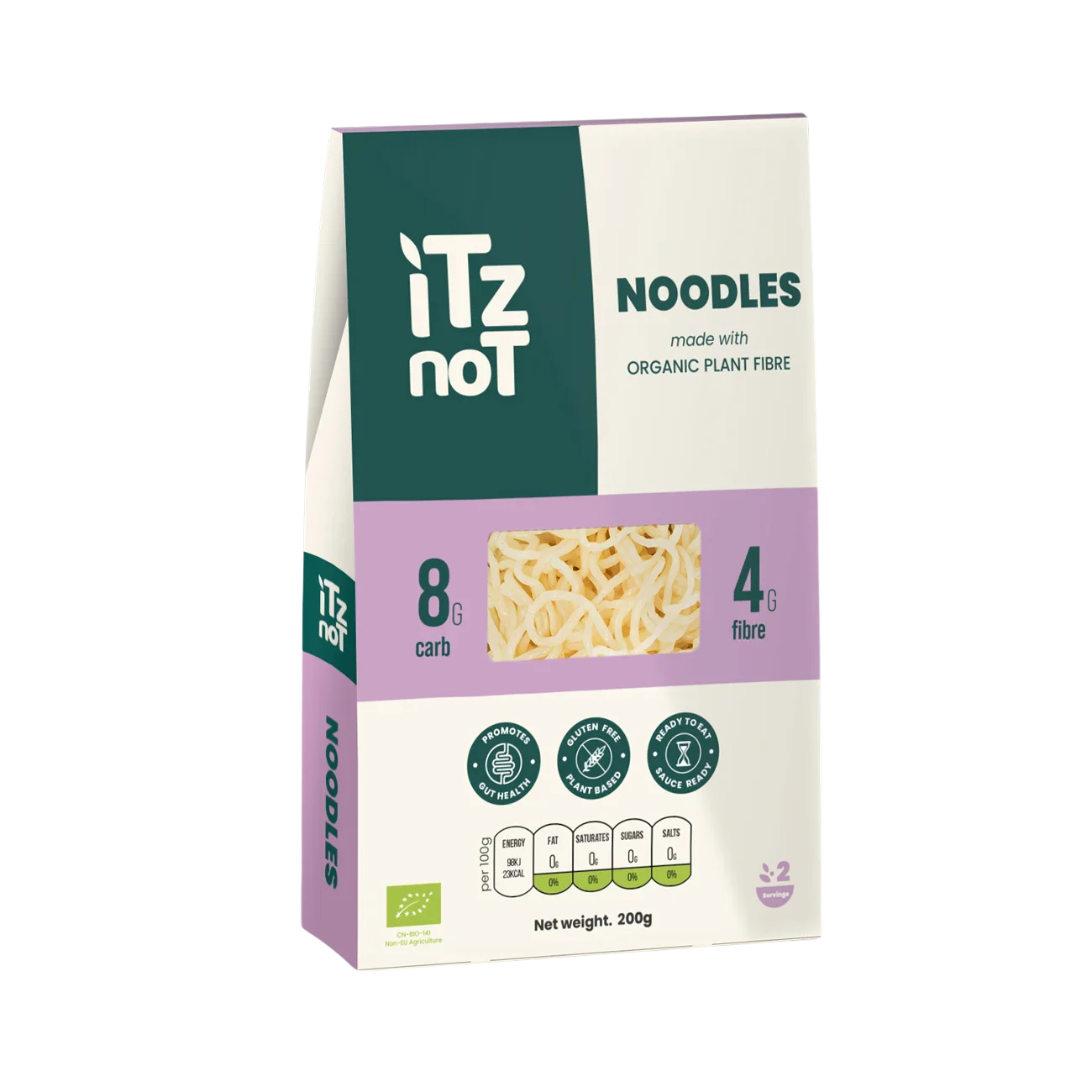
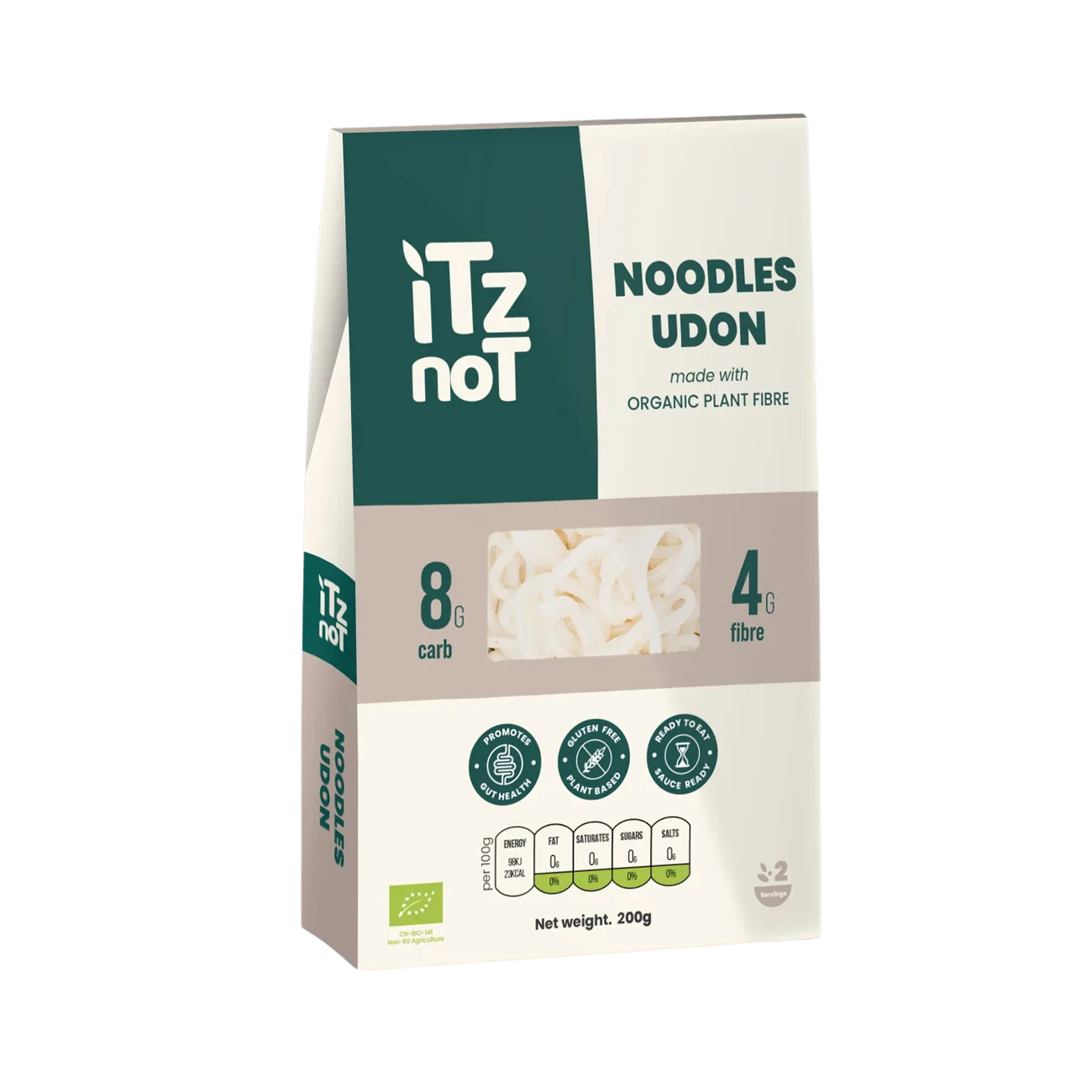
When processed, konjac can be transformed into flour or shaped into foods such as konjac noodles, often known as shirataki noodles. These products are valued for their neutral taste and ability to absorb surrounding flavours, making them versatile in a balanced diet.
What is Glucomannan Fibre?
The primary functional component of konjac is glucomannan fibre. This is a natural water-soluble fibre. Research suggests that Konjac glucomannan may support metabolic health because of the way it behaves when mixed with liquid. Once dissolved, it forms a thick, gel-like texture. This natural thickness increases the viscosity of digestive juices, which means food moves more slowly through the stomach and small intestine. This slower process can help to reduce sharp rises in blood glucose after meals and can also prolong the feeling of fullness. The gel-like fibre may gently coat food particles within the digestive tract to regulate the value of postprandial blood glucose.
Why We Use Konjac in Food?
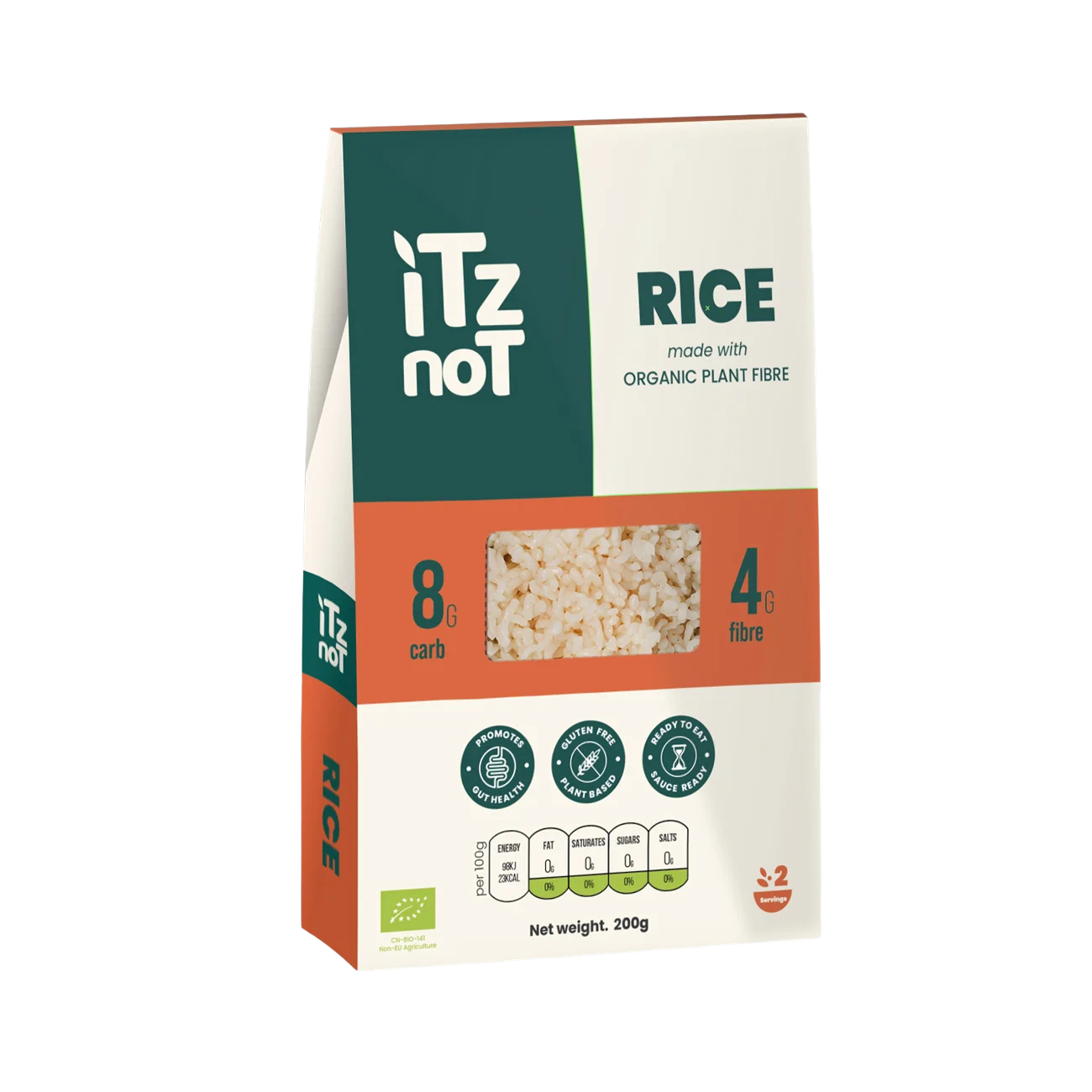
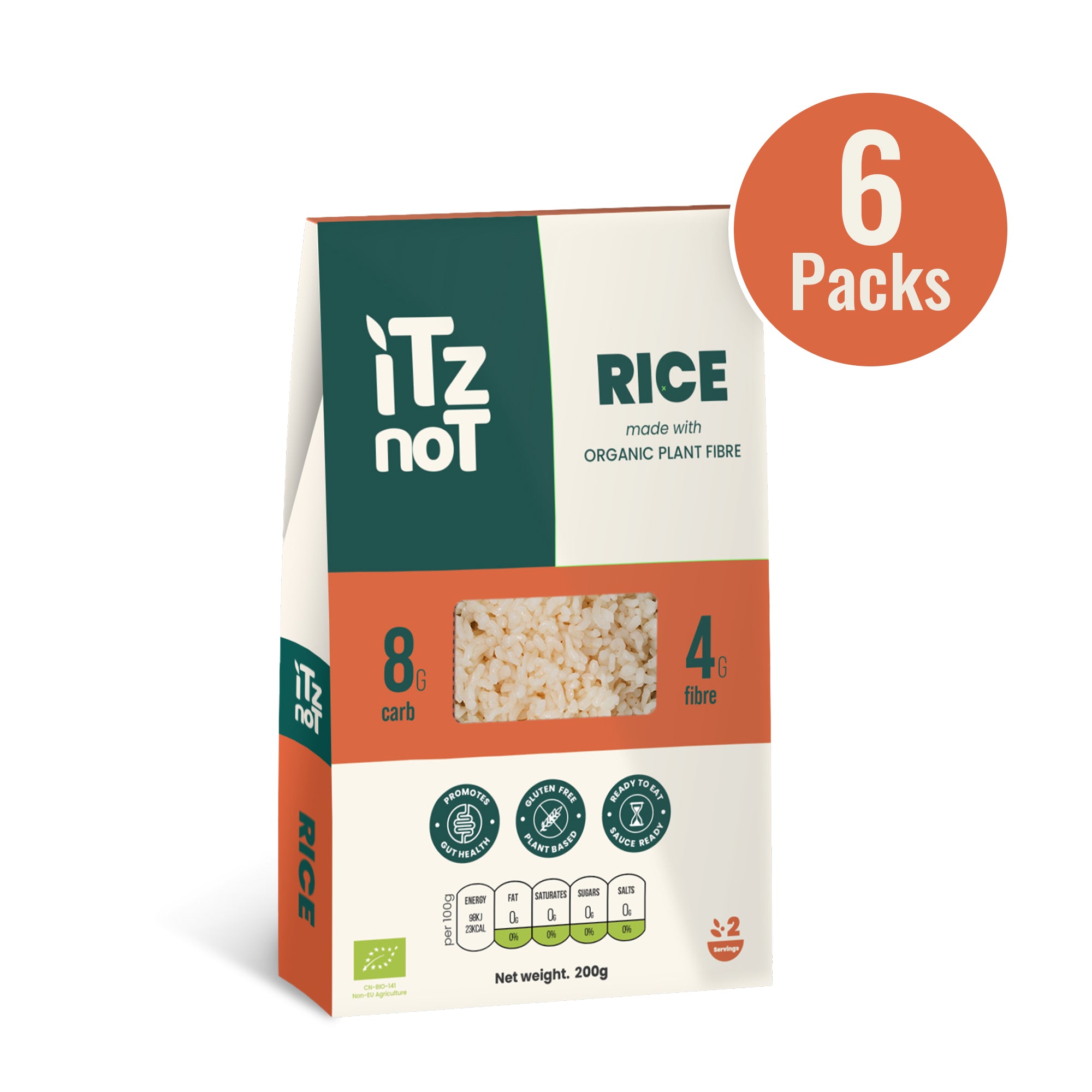
At ItzNot, ingredient selection is guided by tradition and science. Konjac allows us to create high-fibre, low-calorie meals that feel satisfied without being heavy. It offers a way to increase fibre intake without excess calories and a versatile texture that complements flavour profiles. Konjac flour is used in food production to improve texture and structure. In noodles and rice products, it provides a satisfying bite.
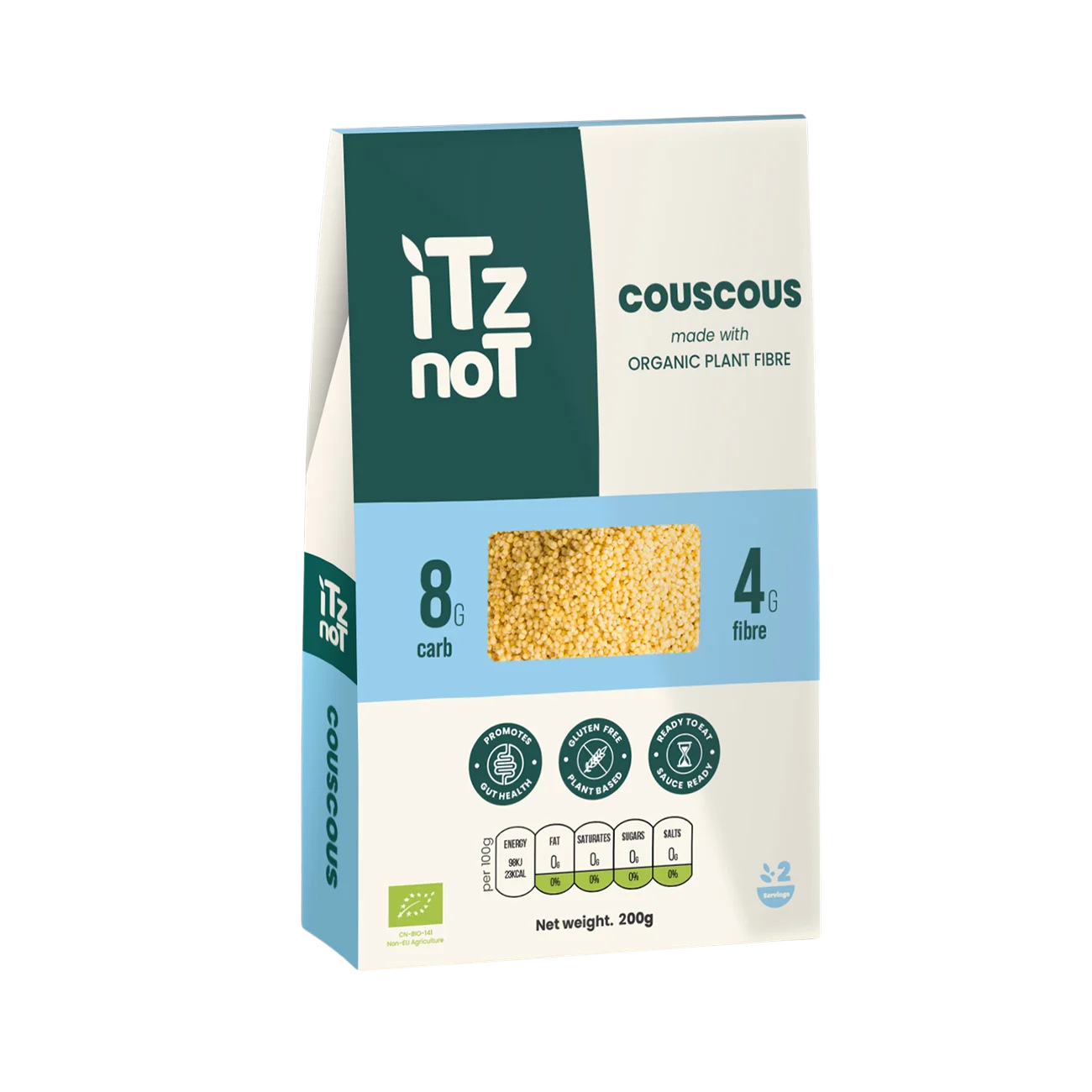
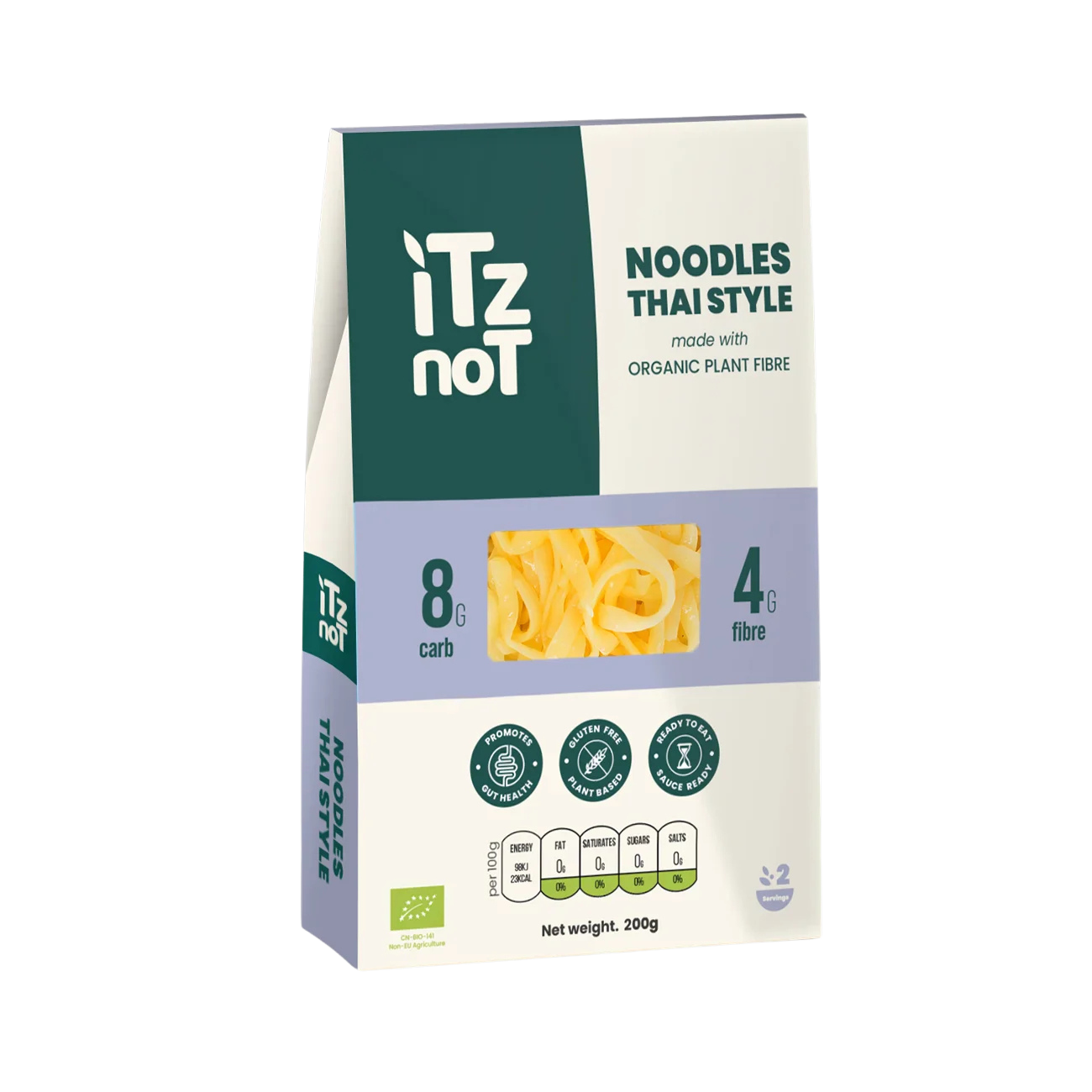
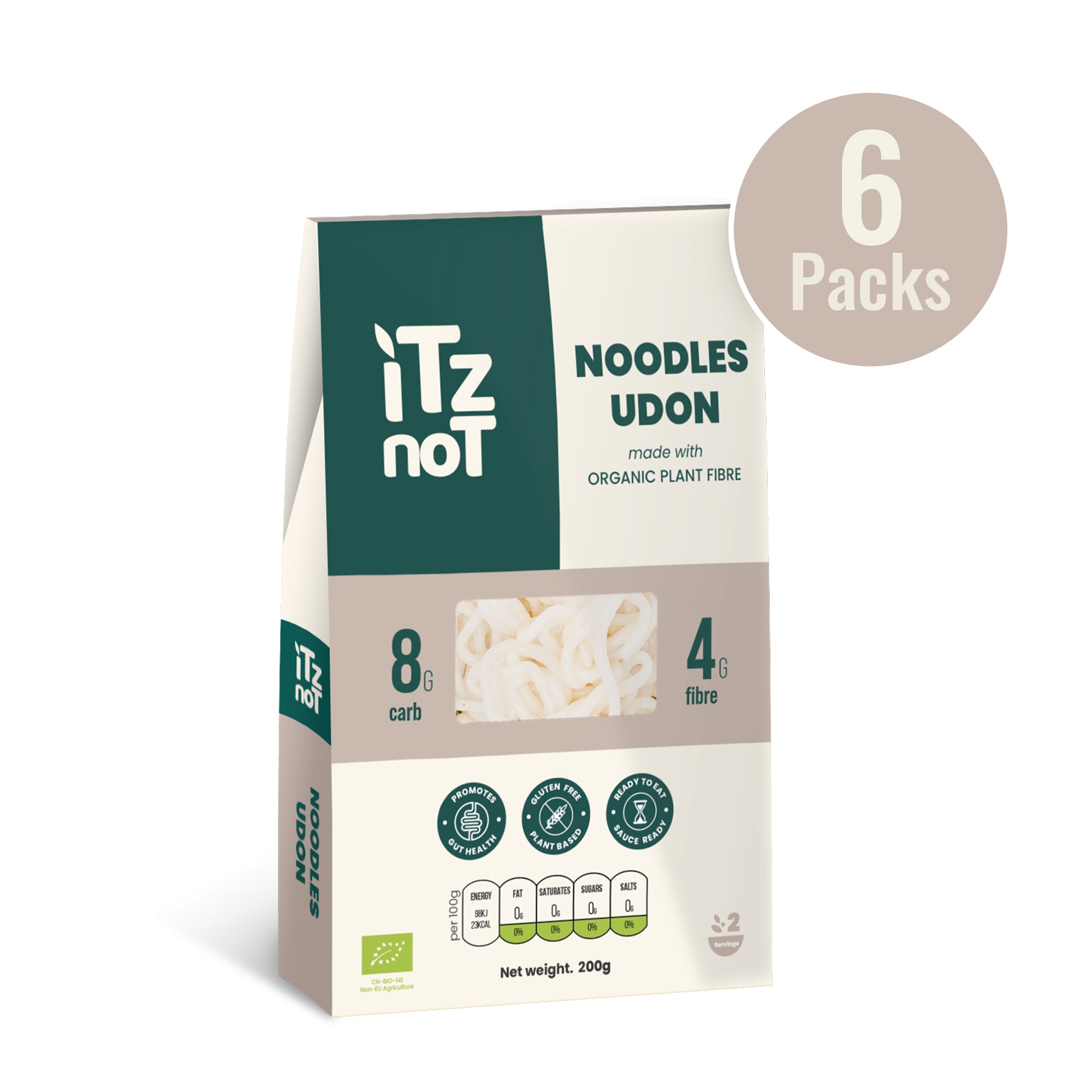
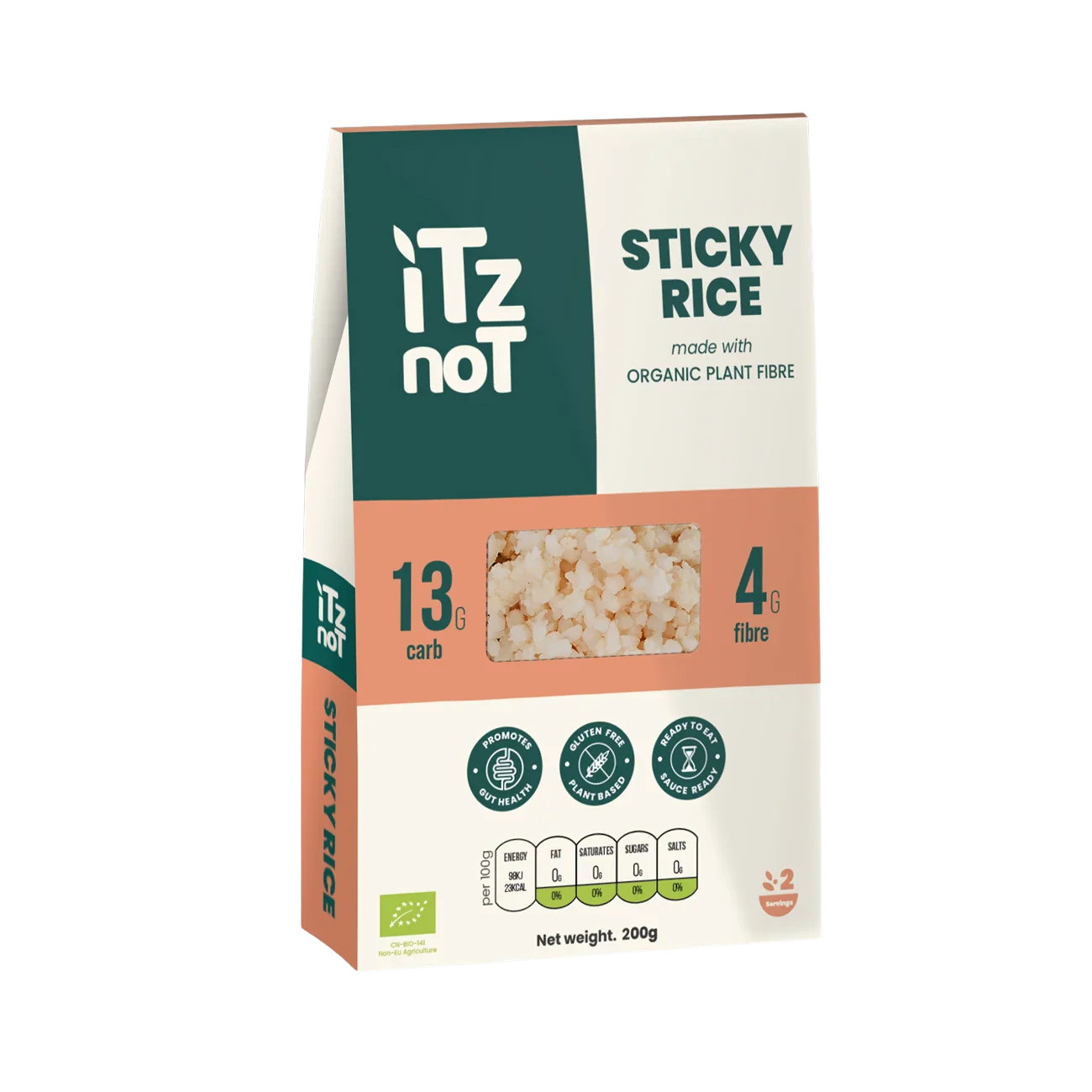
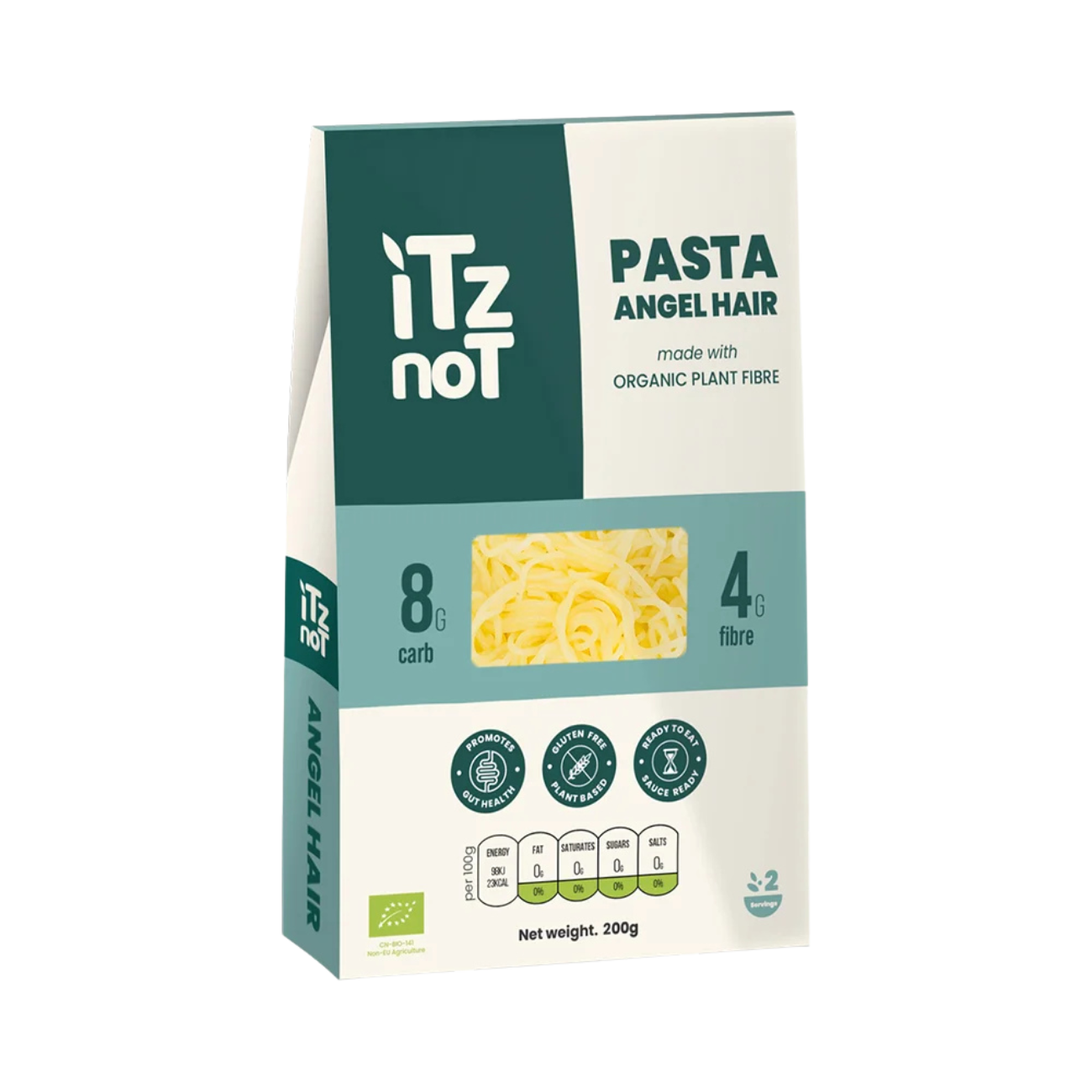
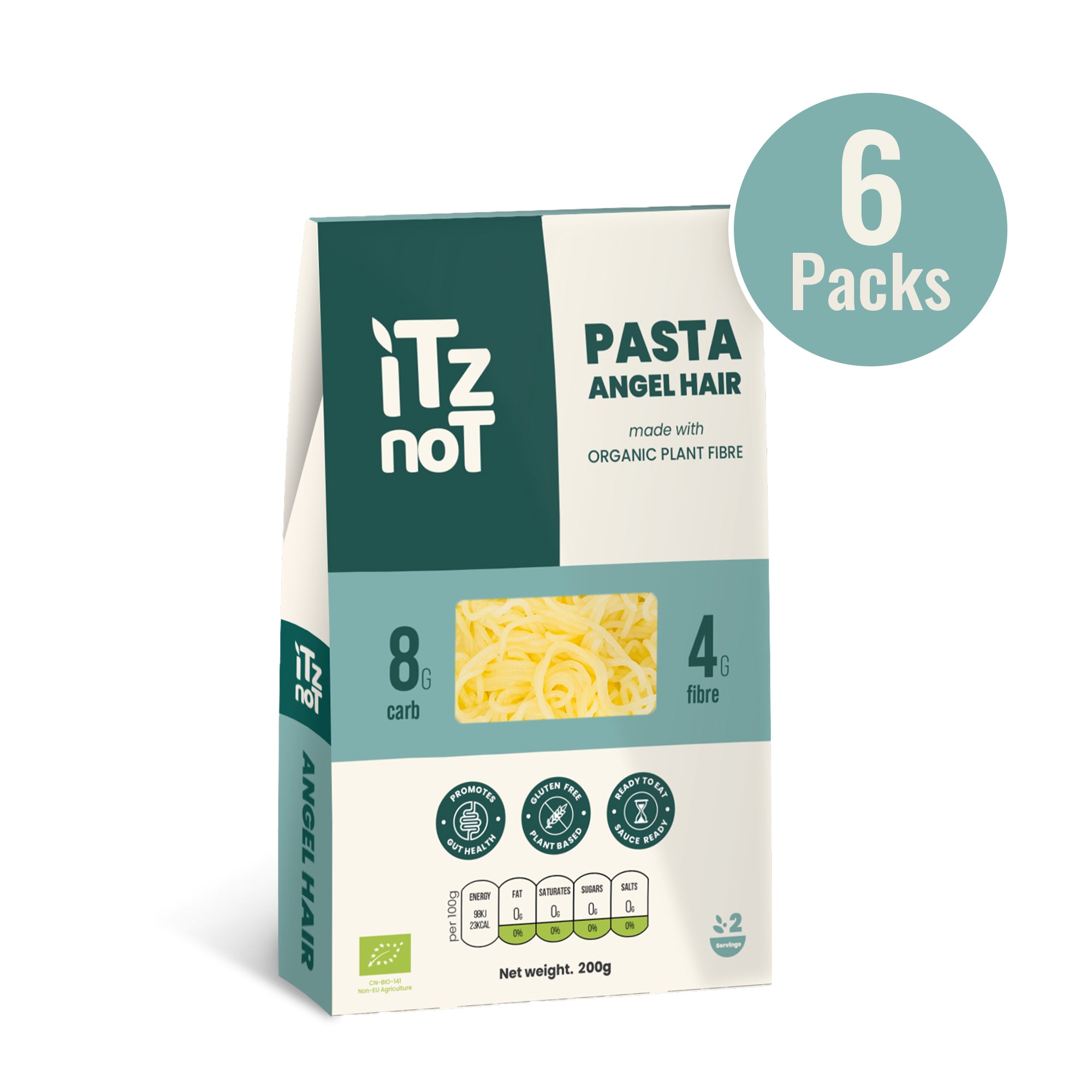
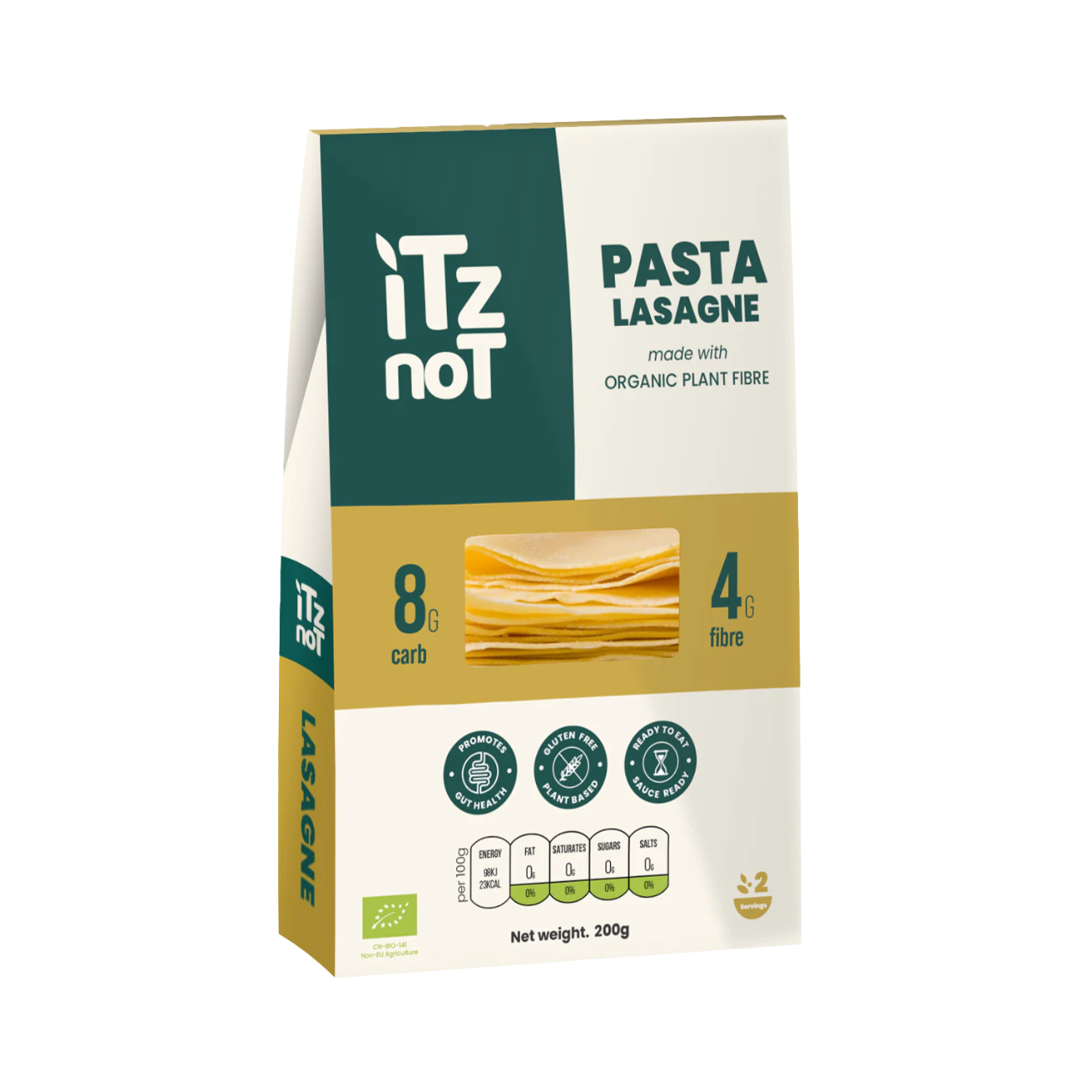
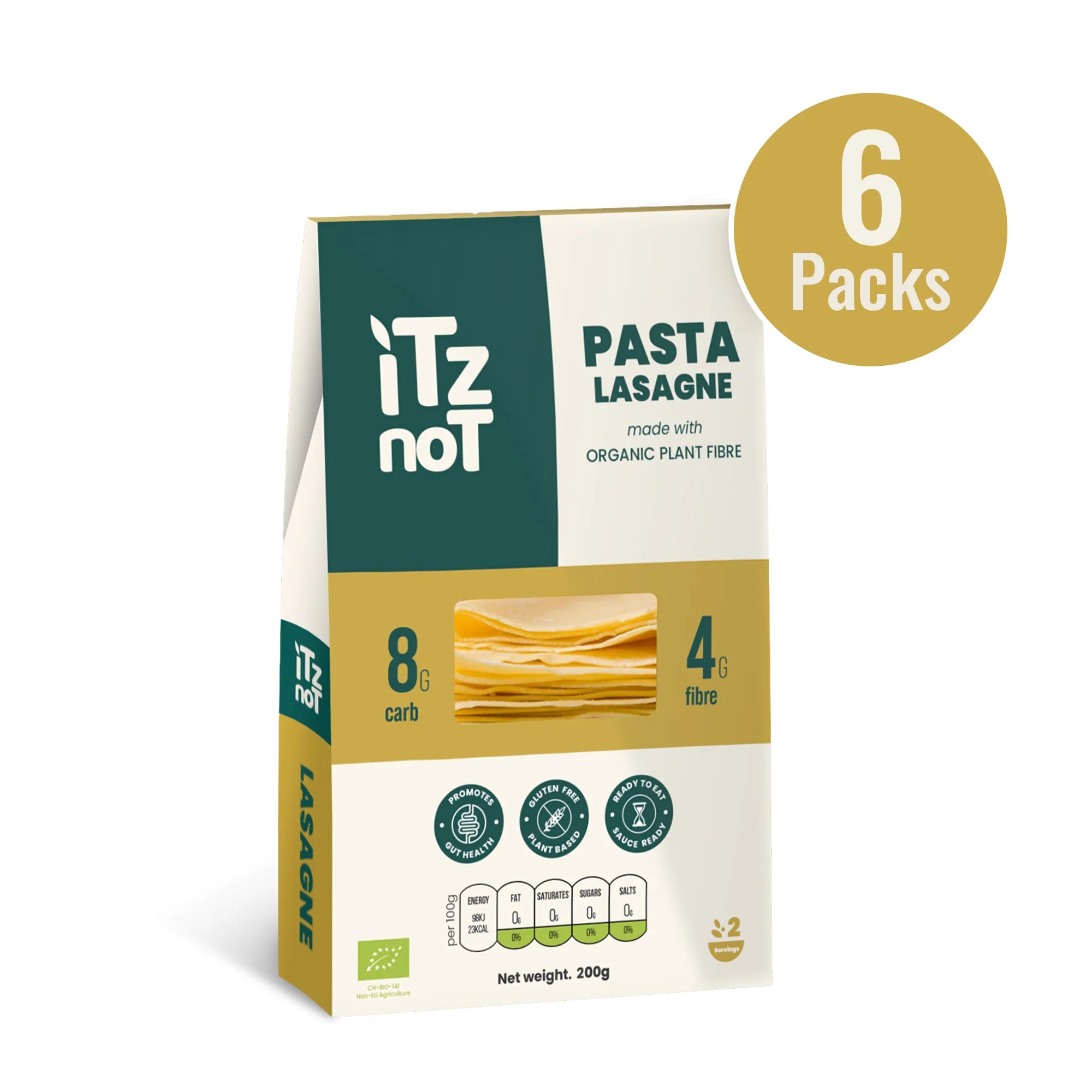
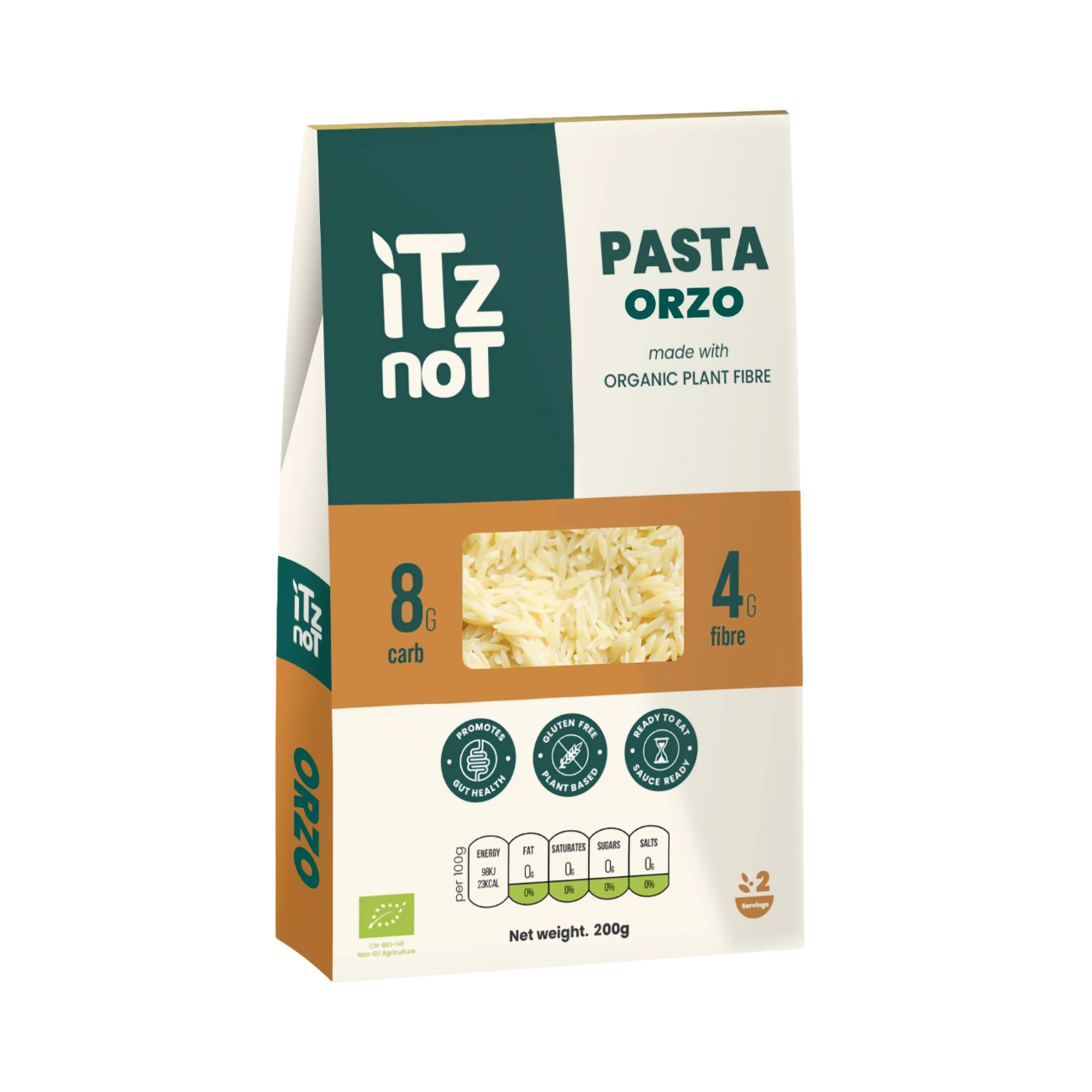
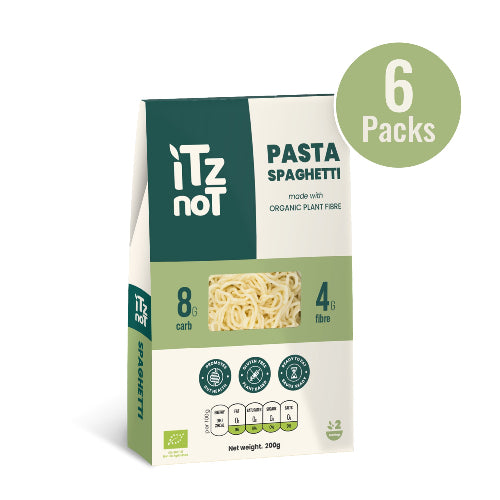
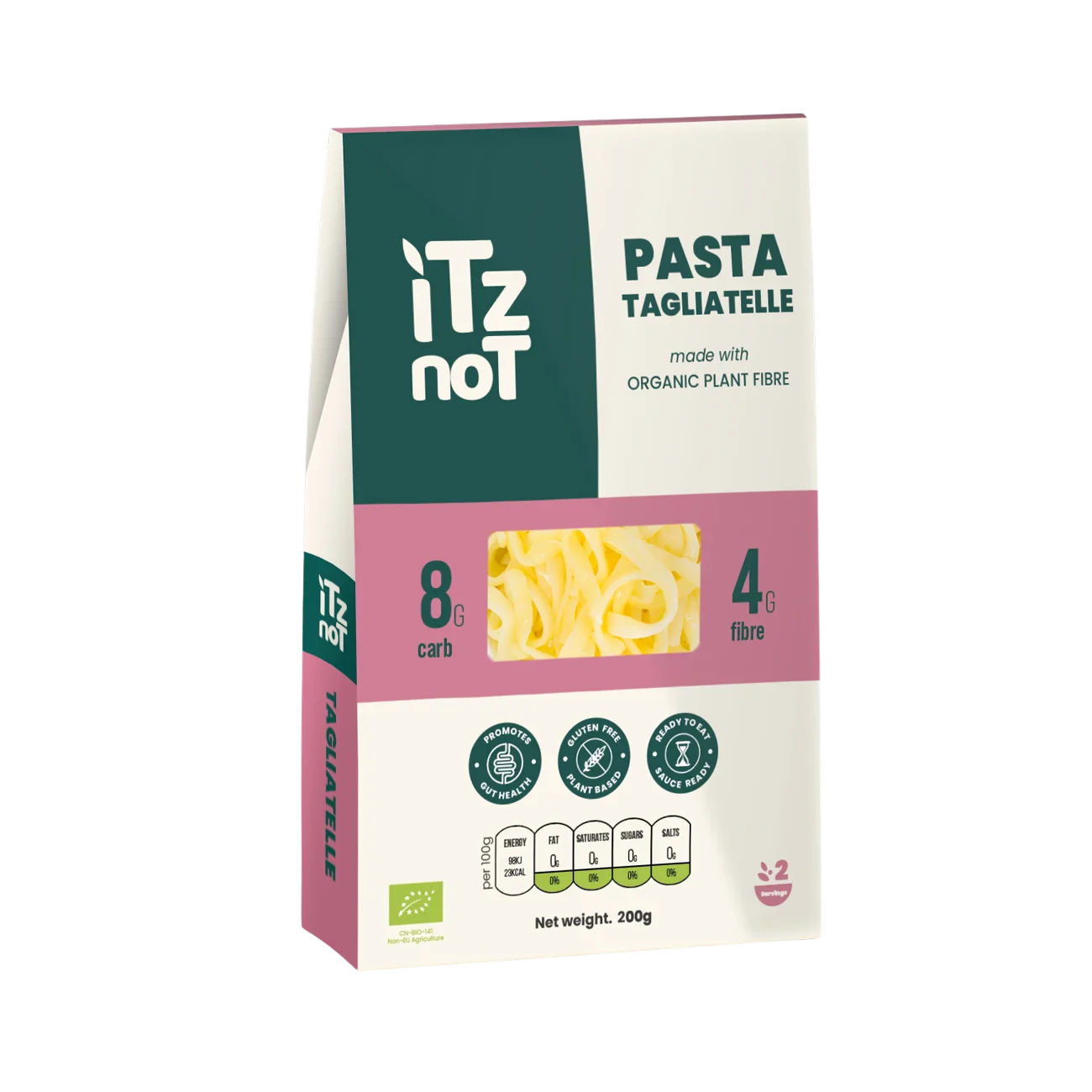
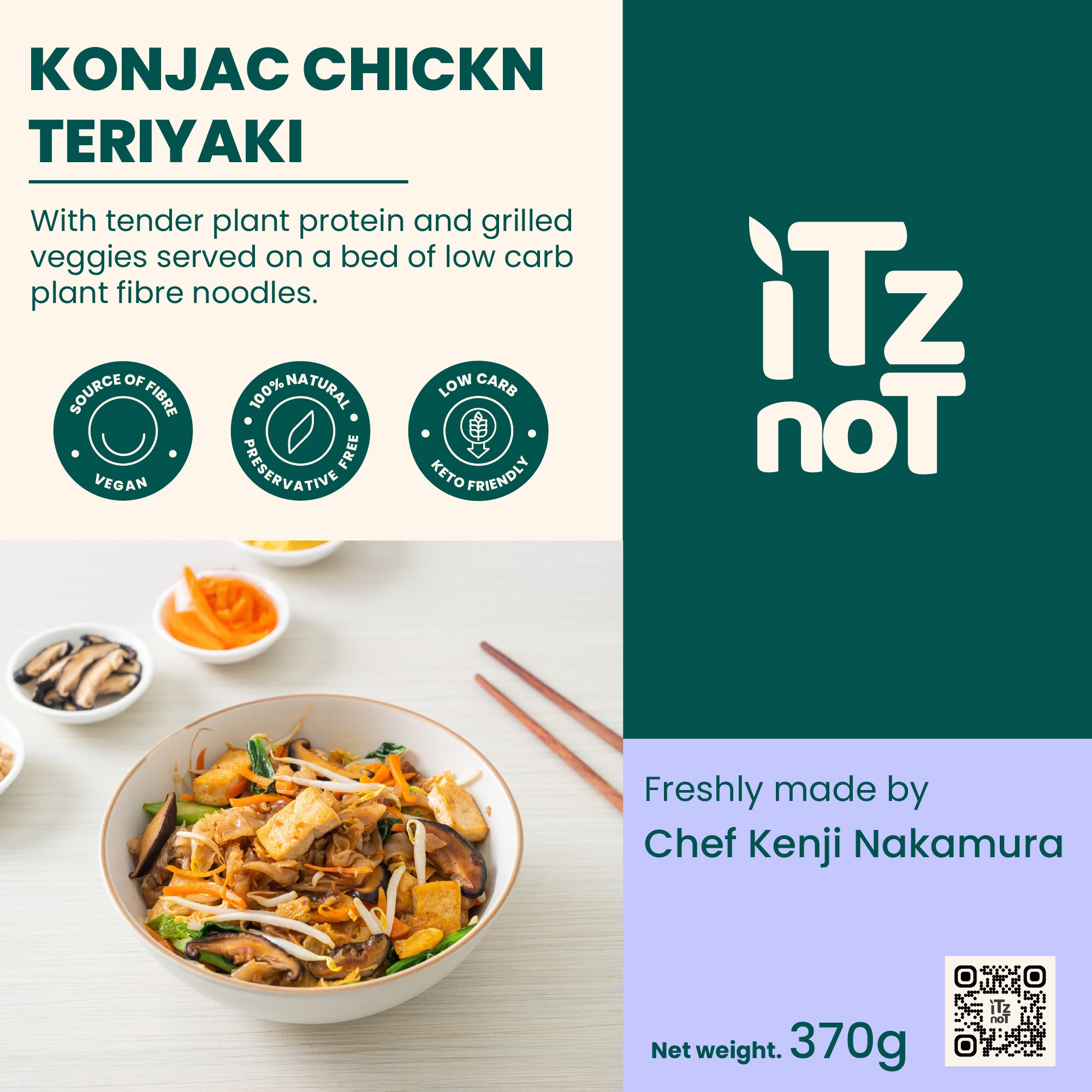
We offer a range of ready to eat konjac meals made for everyday use. They are quick to prepare and easy to fit into a balanced diet. You still get familiar flavours with the benefit of konjac’s natural fibre. At ItzNot, our konjac-based meals combine convenience with nutritional integrity to offer high-fibre options that fit seamlessly into busy schedules without compromising quality. You can try our Konjac Combo meal, which includes pasta, noodles and rice options to enjoy high-fibre meals at home or on the go.
Konjac Benefits: Why It’s Good for Your Health
Much of konjac’s value lies in the behaviour of glucomannan fibre within the digestive system. This natural fibre absorbs water and turns into a thick, gel-like substance in the stomach. Because it moves slowly through the digestive system, it changes the way your body handles food.
-
Supports Weight Management: Konjac foods are very low in calories and contain minimal fat. It can help to promote a feeling of fullness. Increased satiety can reduce the likelihood of overeating, supporting weight management as part of a balanced diet.
-
Contributes to Gut Health: Research indicates that Konjac may support digestive health by promoting a balanced gut microbiome. The key component, Konjac glucomannan, does not break down in the stomach. Instead, it acts as a prebiotic, which is a nourishing source of healthy bacteria that live in your gut. According to a study, glucomannan can also help to ease constipation.
-
Lowers Blood Sugar: Konjac-based foods are low in carbs and rich in fibre, which means that much of what you eat passes through the intestines without being absorbed. This can help to prevent spikes in blood sugar levels after meals, making konjac a useful option for those looking to manage their glucose response. Konjac is not a replacement for medical treatment, but it can be a supportive addition to a considered healthy eating plan.
Are There Any Side Effects of Konjac?
Konjac is generally well tolerated. However, because it is very high in fibre, some individuals may experience mild digestive discomfort such as bloating, gas, diarrhoea, or general stomach upset. People with sensitive digestive systems, such as irritable bowel syndrome (IBS), may be more prone to these reactions. Because of these possible drawbacks, it is recommended to consult a healthcare professional before adding konjac supplements to your diet.
Conclusion
Konjac is a fibre-rich source that has been valued in Asia for centuries and is now gaining popularity across the UK and Europe. Its key component, glucomannan, is a water-soluble fibre that supports gut health, aids weight management, and can help to lower blood sugar levels. Konjac can be incorporated into meals in many forms, including noodles, rice alternatives, and ready to eat dishes, making it an easy way to boost fibre intake. While it is generally safe, it may cause mild digestive discomfort in some individuals.

Related post

12
Sep

26
Aug
RECENT POSTS


28.September.2026
Protein and Fibre Rich Rice: Why It’s the Perfect Healthy Carb Alternative
0 Comments