










Top Pantry Staples Every Health-Conscious UK Household Should Have
Healthy eating often begins with what you keep in your kitchen. When your pantry is thoughtfully stocked, you can improve the nutrient density of foods you consume daily. It makes it simpler to prepare balanced meals even on the busiest days. Rather than relying on ultra-processed convenience foods, UK households can choose healthy pantry staples that are practical and packed with nutrition.
These staples deliver plant-based protein, fibre, complex carbohydrates, and essential nutrients, forming the foundation for wholesome meals. Whether it’s breakfast, lunch, or dinner, having the right ingredients on hand makes healthy eating achievable and stress-free.
In this guide, we’ll explore the essential pantry staples every health-conscious household in the UK should consider. From grains and pulses to healthy oils and flavourful herbs, these ingredients support a balanced lifestyle while saving time and reducing food waste.
Understanding the Basics of a Health-Conscious Pantry
A healthy pantry isn’t merely a stockroom of food, it is the essential starting point for a balanced lifestyle. It’s the cornerstone of mindful, nutritious cooking. It should strike a balance between fibre-rich carbohydrates, plant-based proteins, healthy fats, and flavour-enhancing herbs and spices.
A well-organised pantry combines fresh, frozen, and shelf-stable items for convenience without compromising nutrition. Grouping ingredients by category such as grains, pulses, oils, and snacks makes meal planning simpler. It reduces food waste and ensures you always have building blocks for nourishing meals.
Essential Whole Grains for Everyday Nutrition
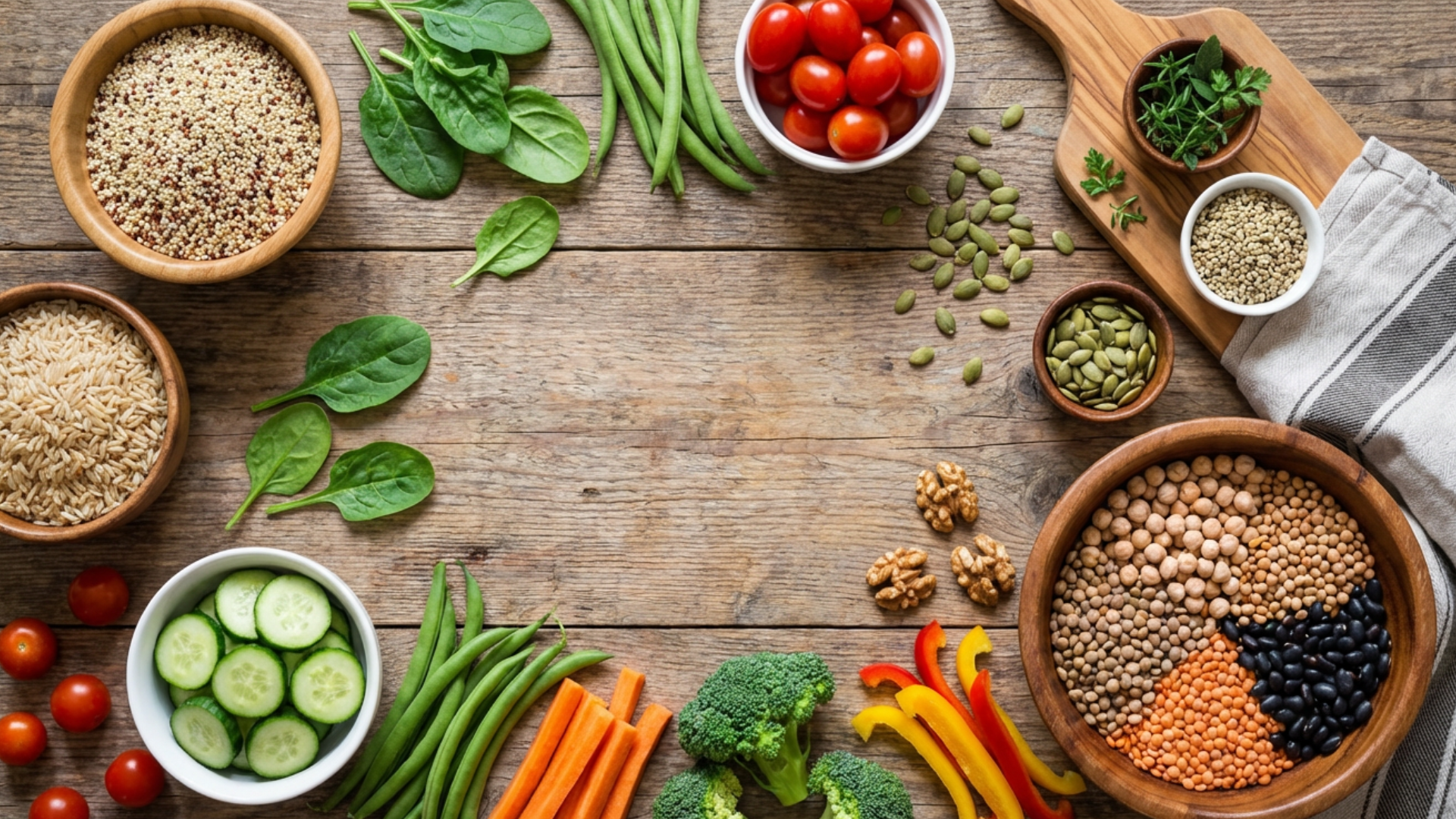
Whole grains form the backbone of many balanced meals. They contain more fibre as well as naturally occurring vitamins and minerals. Staples such as oats, brown rice, quinoa, and barley provide steady energy and support digestive health. Oats remain a firm favourite in many UK households because they are versatile, affordable, and easy to prepare. A bowl of oat porridge provides complex carbohydrates and soluble fibre. It can help fullness and provide sustained energy during the morning.
Brown rice and quinoa also work beautifully in grain bowls, salads, and nourishing evening meals. When paired with vegetables, healthy fats, and proteins, whole grains create balanced dishes that support overall wellbeing.
Pulses, Legumes and Other Plant-Based Protein Staples
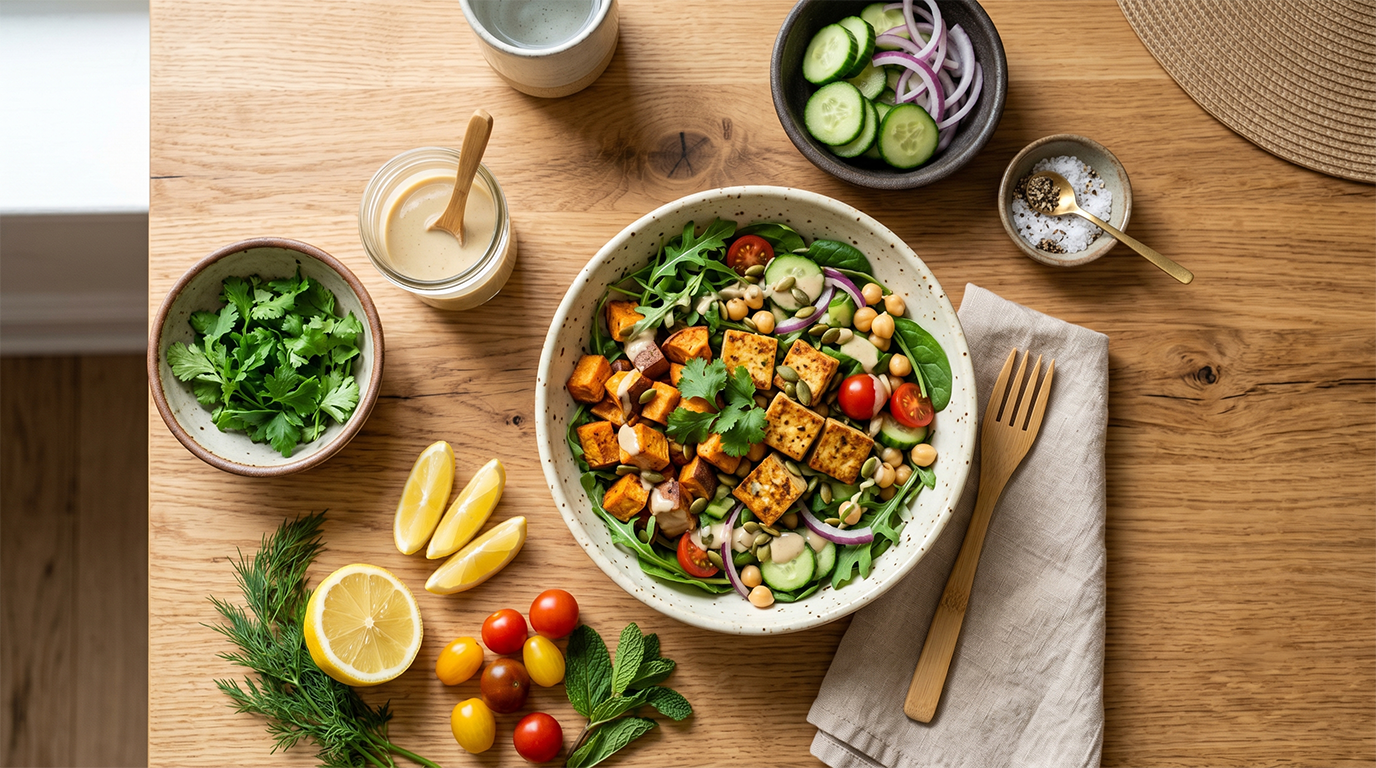
Pulses and legumes are another key component of a balanced pantry. Lentils, chickpeas, beans, and peas are naturally rich in plant protein, fibre, and minerals such as iron and magnesium. These ingredients are valuable for busy households because they are filling and versatile. A lentil soup, chickpea salad, or bean-based curry can deliver nourishing meals by using a few simple ingredients.
When time is short, choosing ready-made options with transparent, whole-food ingredients can seamlessly bridge the gap between convenience and nutrition. Dishes such as keema peas offer a plant-based interpretation of a comfort dish, combining peas, warming spices, and plant protein in a convenient format. Meals like these can sit comfortably alongside home-cooked recipes to offer flexibility with a focus on balanced ingredients.
Healthy Cooking Oils and Natural Fats
Rich in essential nutrients, unsaturated fats are a fundamental pillar of a wholesome diet, helping UK households move away from processed alternatives. They contribute flavour and help your meals to feel satisfied. A well-stocked pantry often includes:
- Extra virgin olive oil
- Rapeseed oil
- Coconut oil (used occasionally for flavour)
- Nut and seed oils
Extra virgin olive oil is widely valued for its flavour and naturally occurring antioxidant compounds. It can be ideal for dressings, roasted vegetables, and finishing touches for salads and grain bowls. Rapeseed oil, commonly produced in the UK, has a mild flavour and relatively high smoke point, making it useful for everyday cooking. Keeping a small selection of high-quality cooking oils allows home cooks to add richness and balance to ingredients without unnecessary additives.
Boosting the Nutrient Density of Foods with Nuts and Seeds
Nuts and seeds offer an impressive range of nutrients. Almonds, walnuts, pumpkin seeds, chia seeds, and flaxseeds provide healthy fats, fibre, plant protein, and essential micronutrients. A handful of nuts can elevate a simple dish. Sprinkle them over porridge, stir them through yoghurt, or add them to salads for extra texture, flavour, and nutrient density.
Walnuts are rich in omega-3 fatty acids (ALA), while chia seeds are valued for their high fibre content. Because they are shelf-stable and versatile, nuts and seeds are an easy way to boost the nutritional profile of everyday meals.
Herbs, Spices and Flavour Enhancers
A well-stocked spice cupboard can transform simple cooking. Herbs and spices elevate flavour and allow ingredients to shine. Common pantry favourites include:
- Turmeric
- Cumin
- Paprika
- Black pepper
- Cinnamon
- Garlic powder
Many herbs and spices contain naturally occurring antioxidant compounds. While they are primarily used for flavour, these compounds can complement the nutritional profile of meals. Dried herbs such as oregano, thyme, and rosemary are useful in pantry staples because they last longer than fresh herbs, which add depth to your dishes. Even the simplest recipes can become vibrant and satisfying with the right combination of spices.
The ‘Ready to Eat’ Reserve
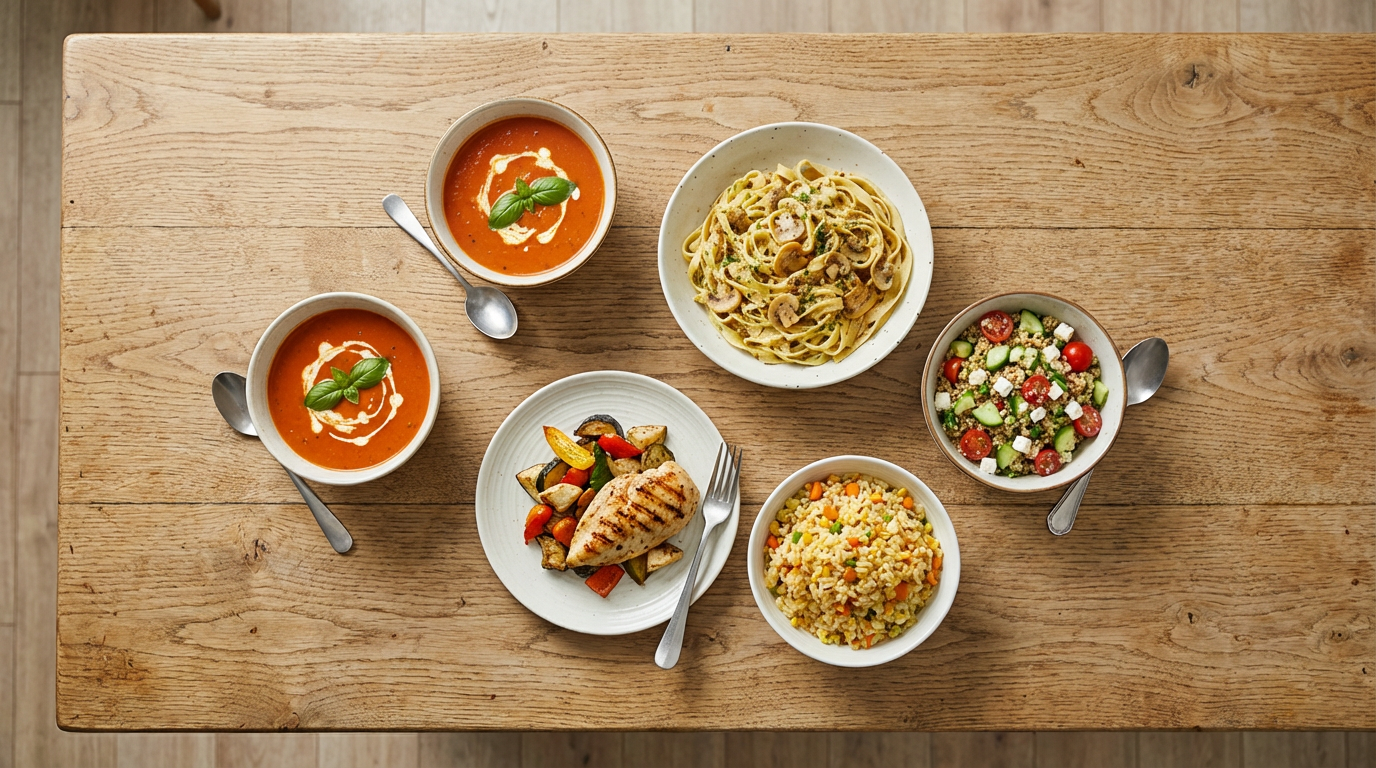
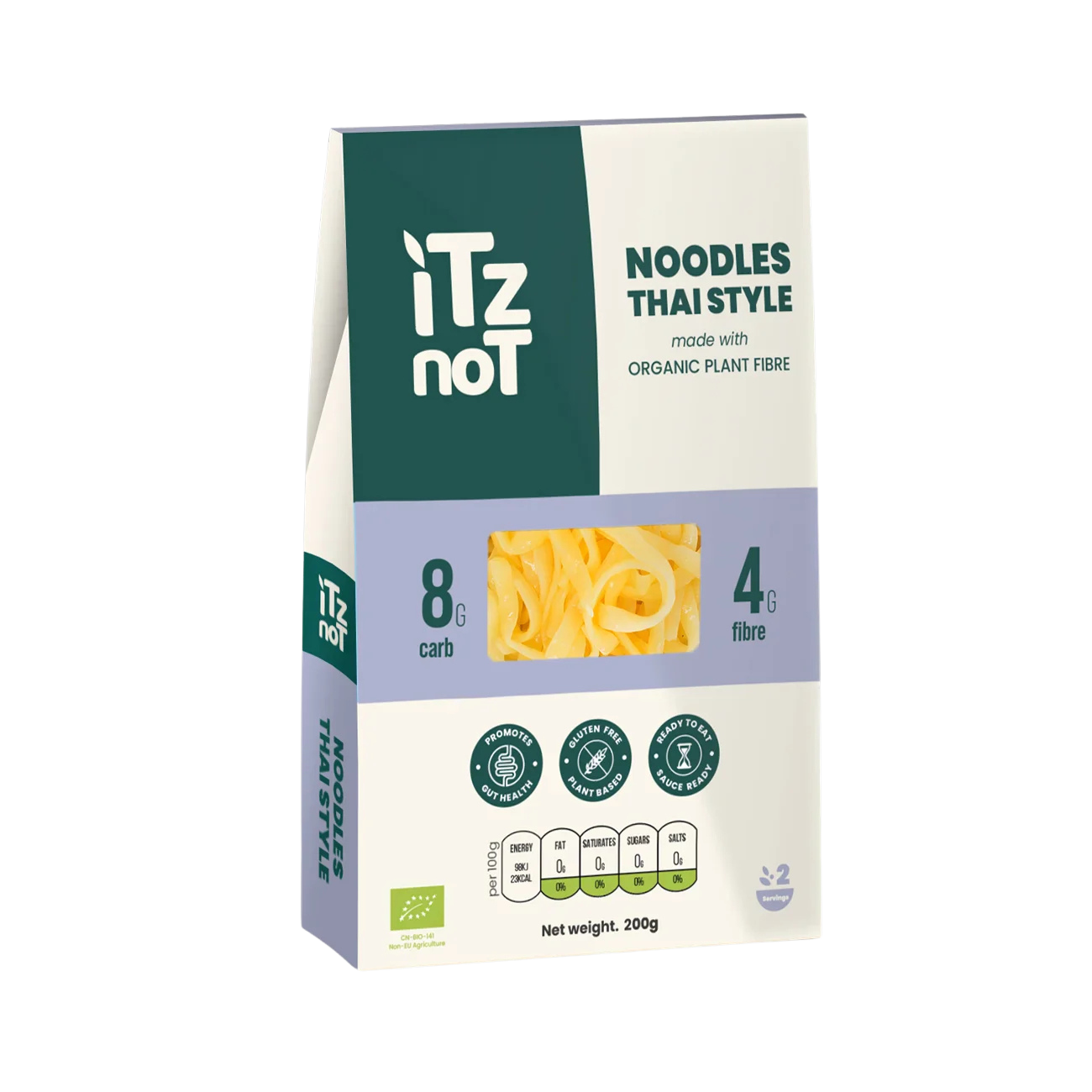
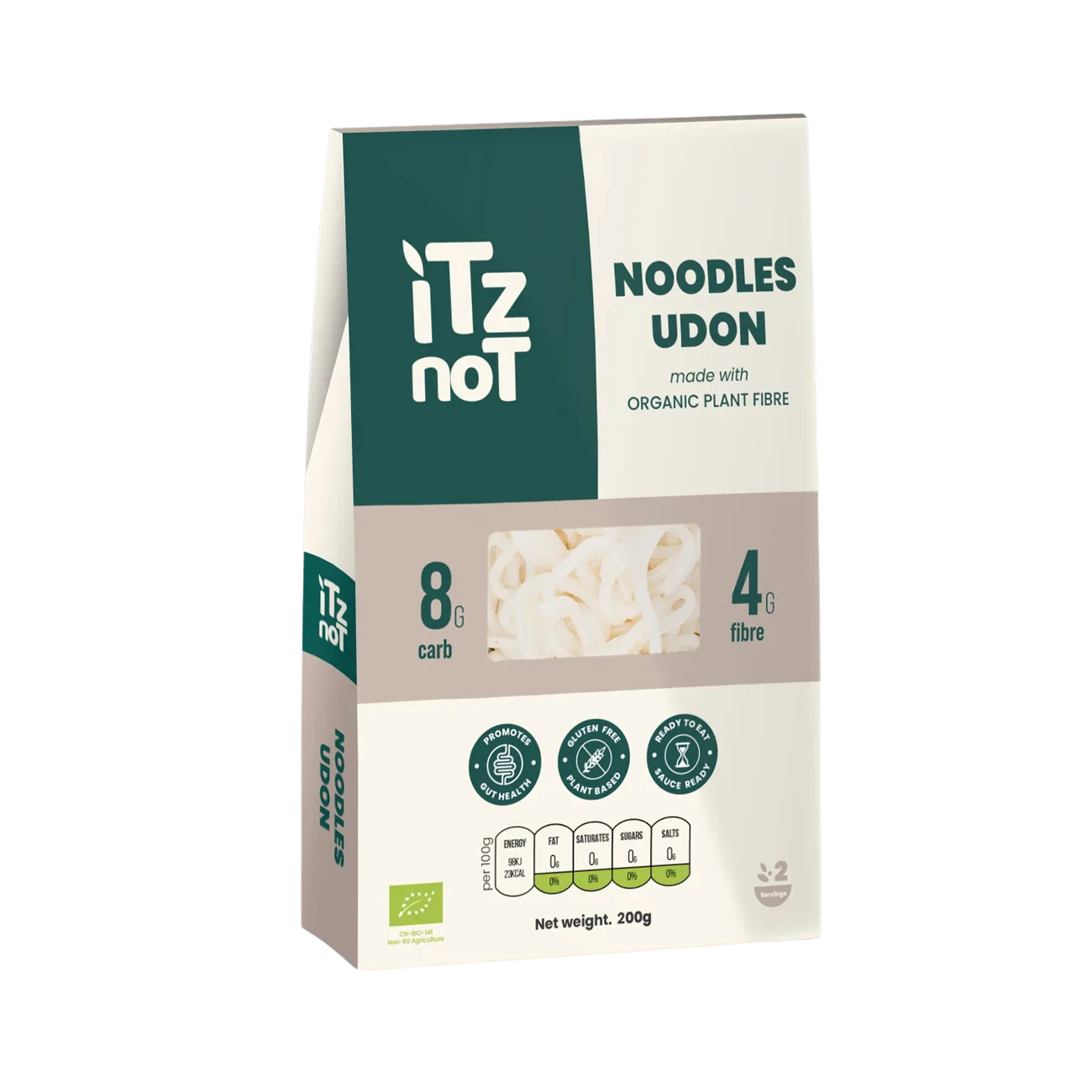
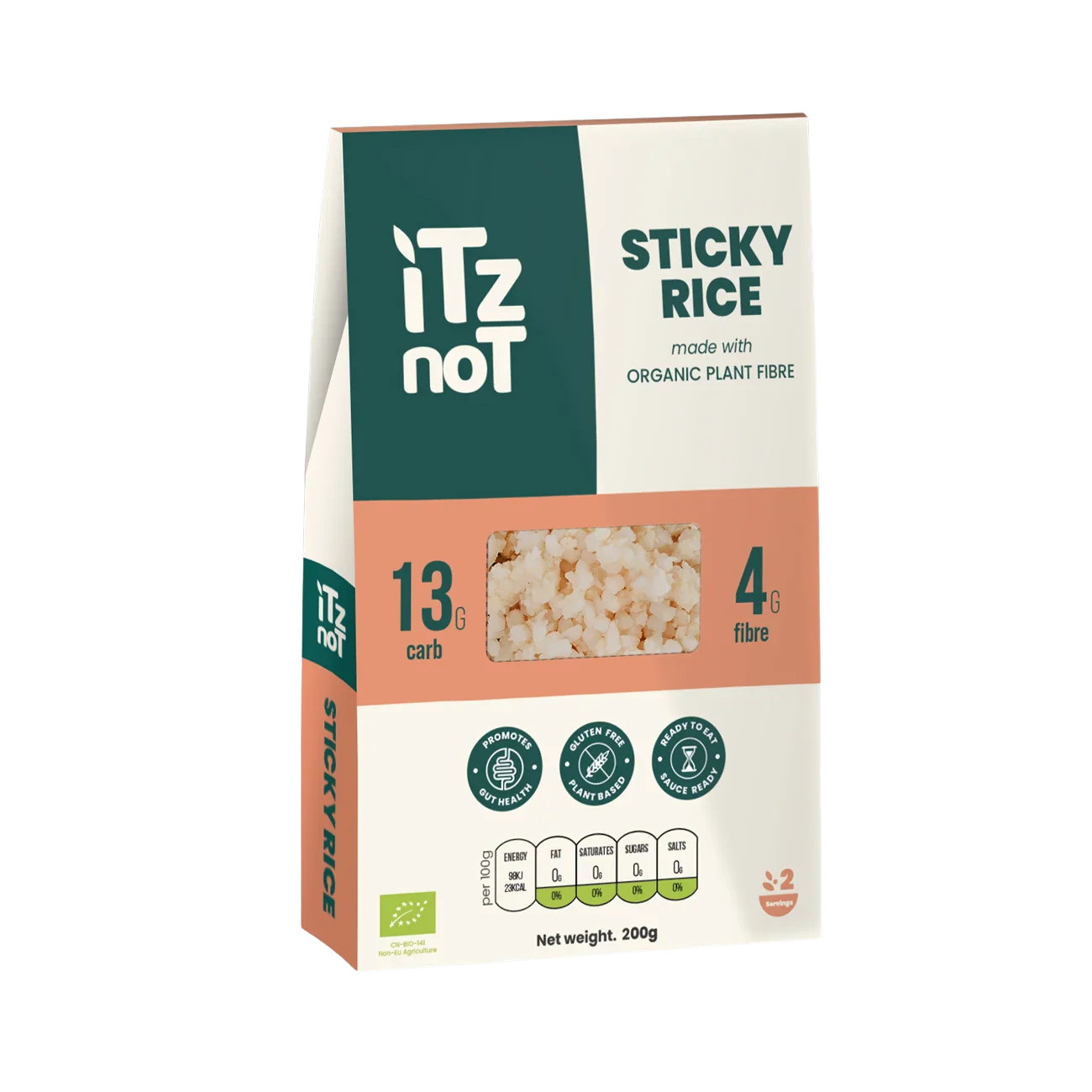
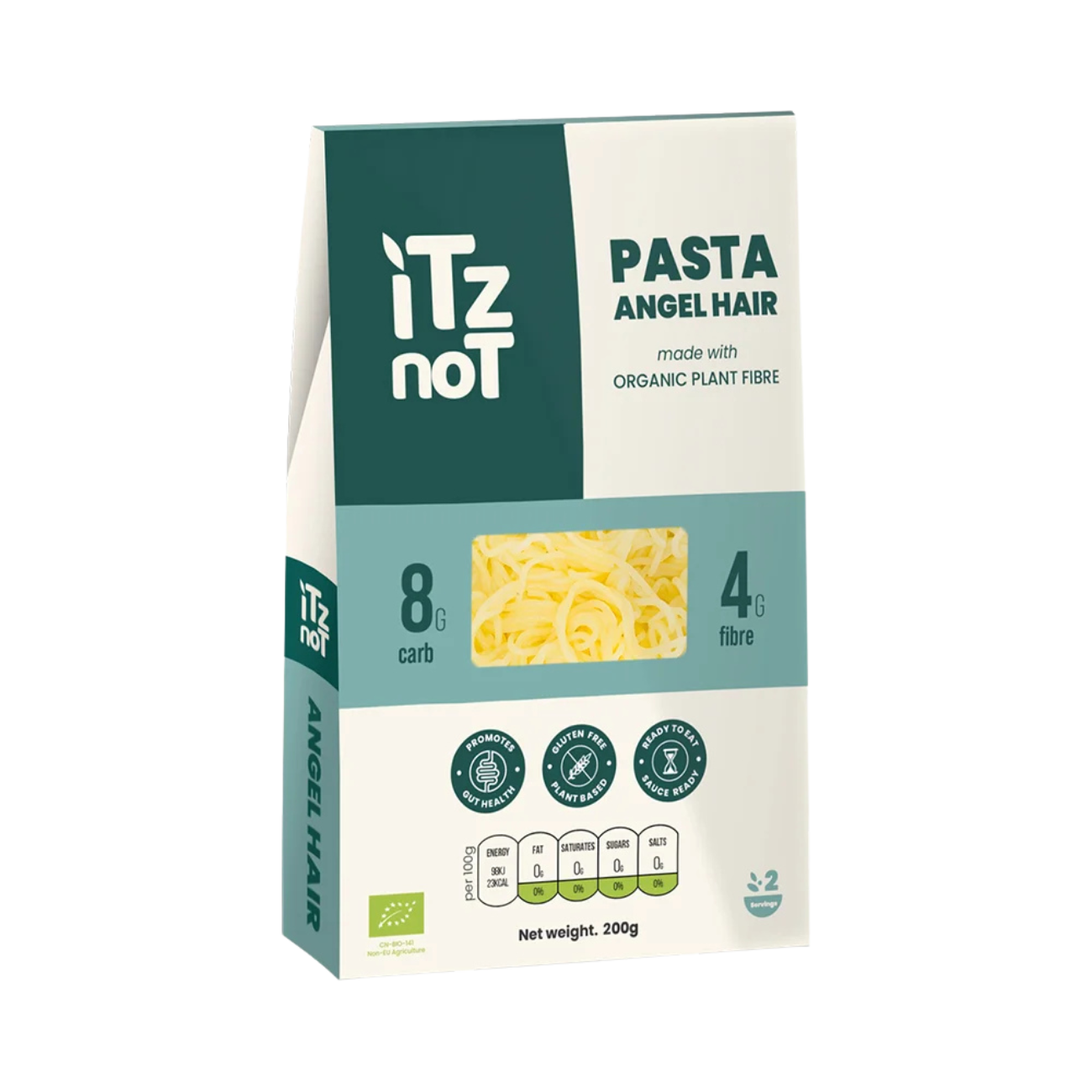
In the rush of a hectic week, scratch-cooking isn't always feasible, making high-quality, ready-to-go pantry items a lifesaver. This often means opting for a takeaway that likely clashes with your wellness goals. However, the modern pantry should contain sophisticated quick-fixes meals that are ready in minutes and maintain the integrity of home-cooked food.
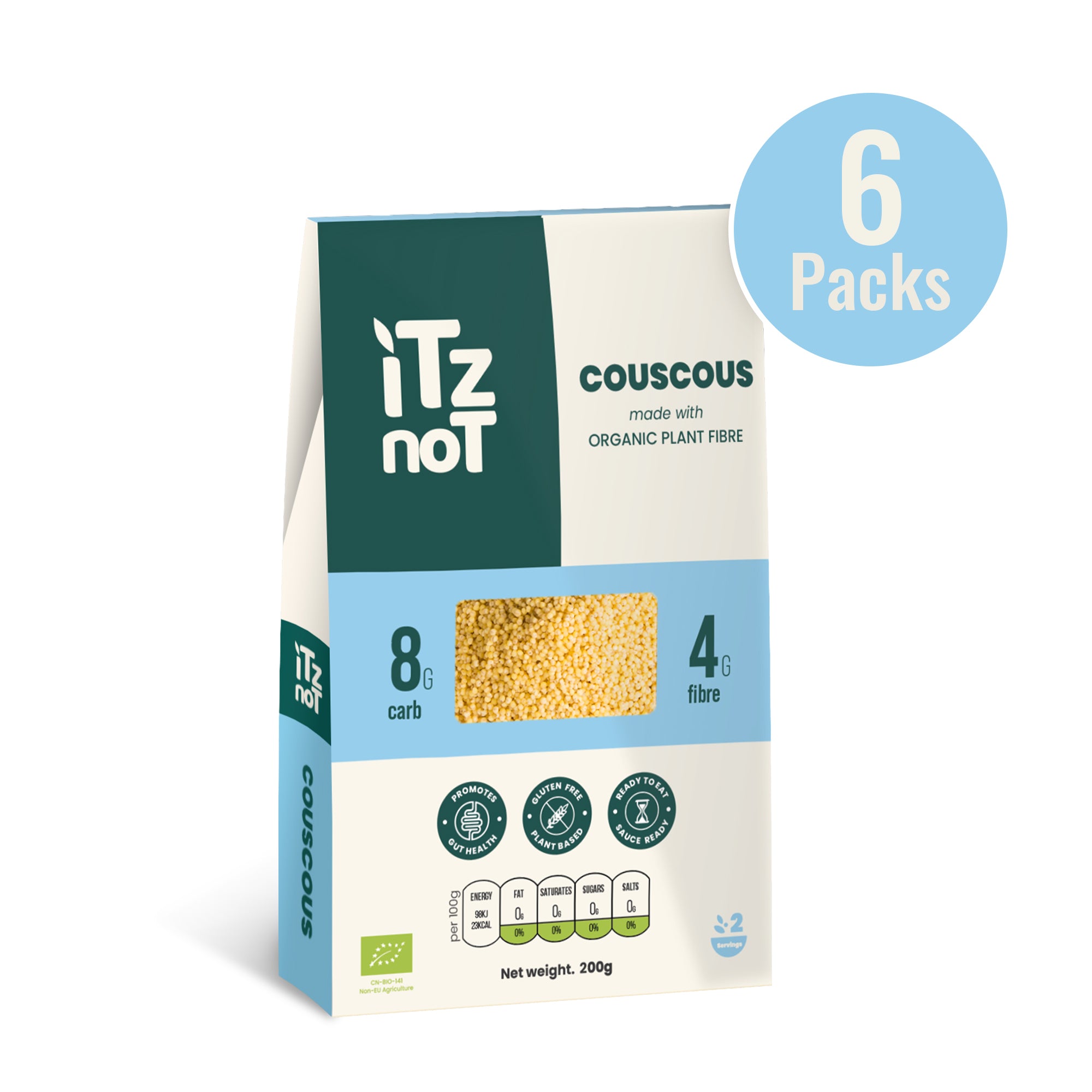
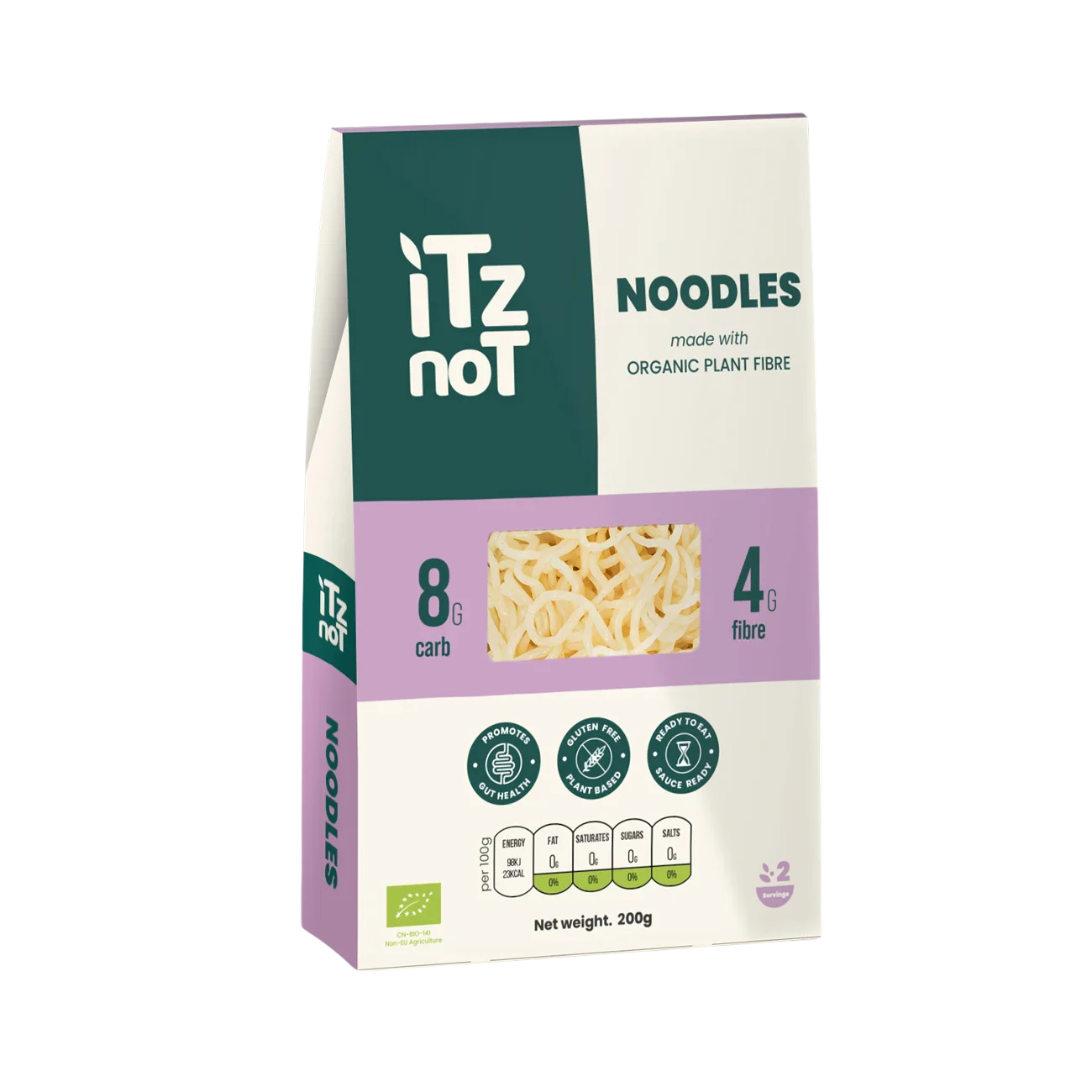
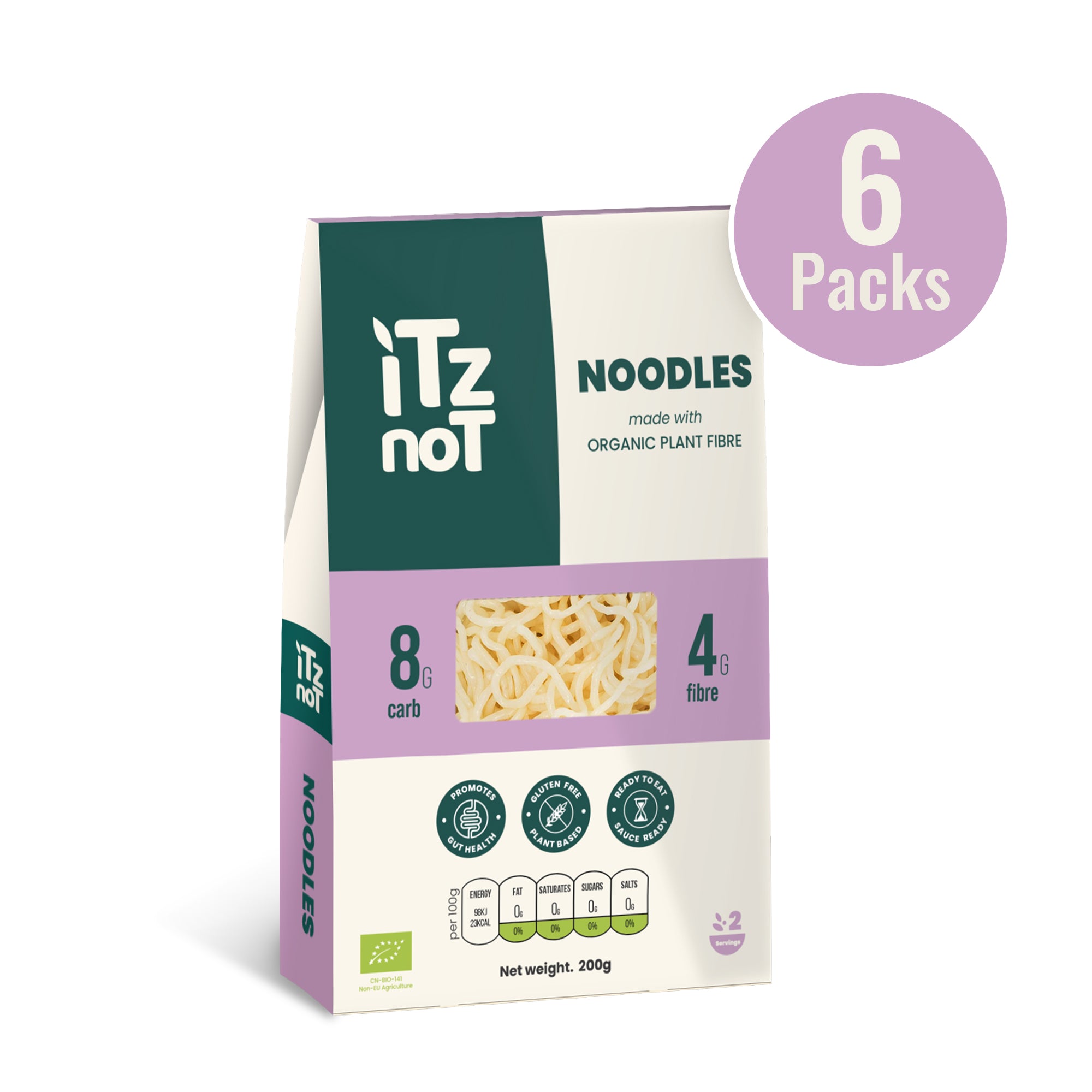
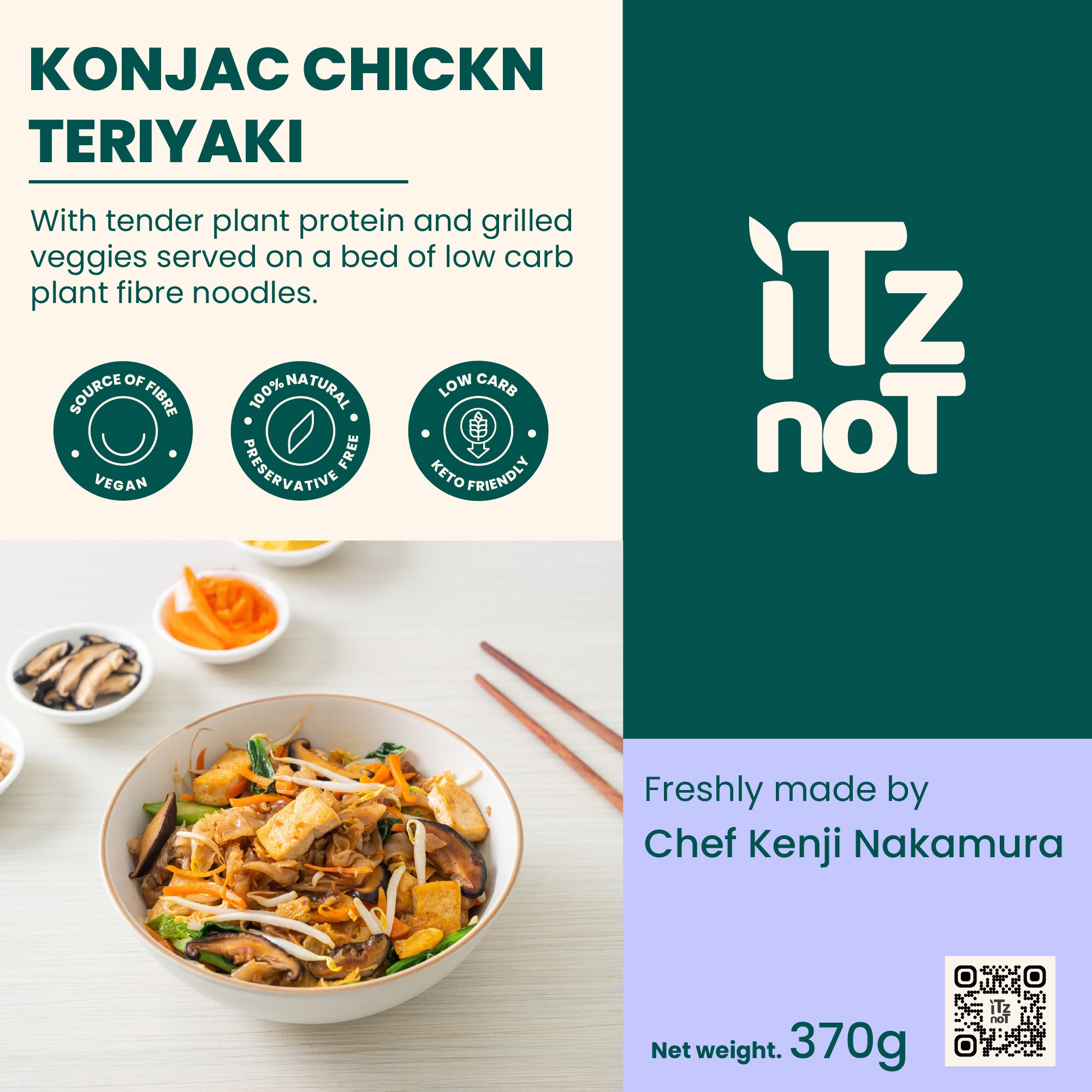
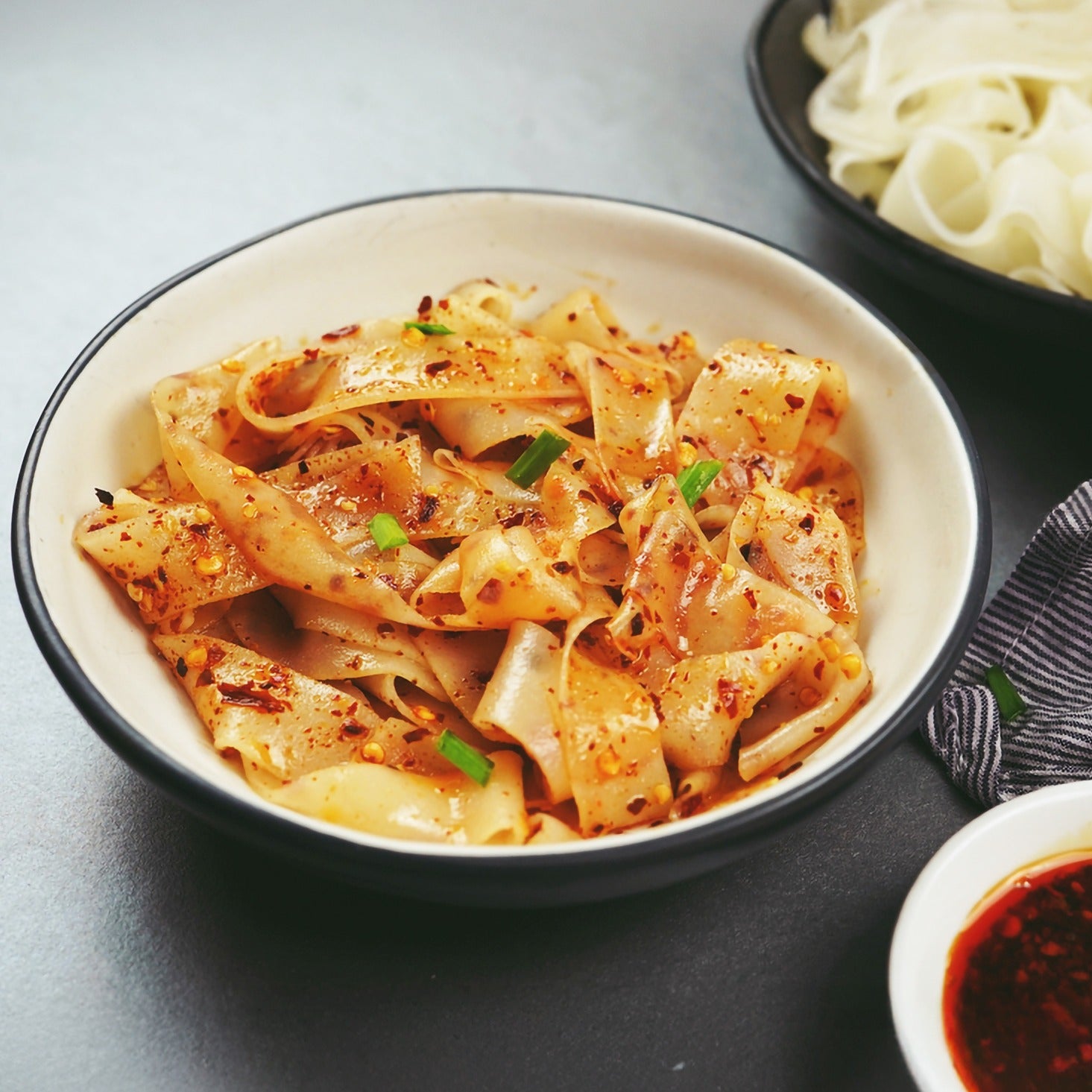
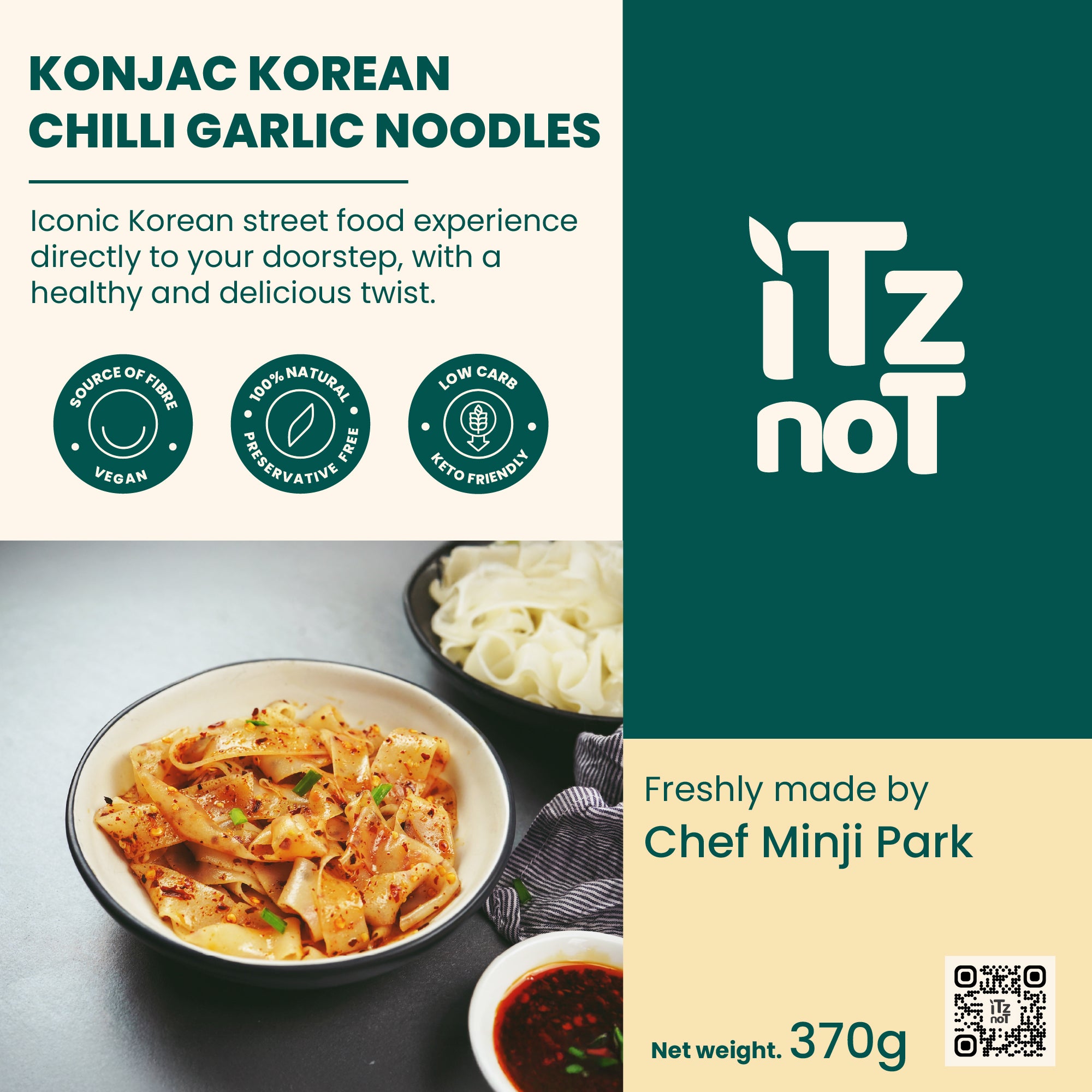
The key is looking for products that utilise steam-cooking and natural preservation techniques. For a meal with a bit of heat and vibrant flavour, Chilli Garlic Noodles offer a well-balanced taste. It is rich and layered, yet suitable for a low-carb diet. For a protein-focused, plant-based option that captures the satisfaction of grilled vegetables, Konjac Chick'n Teriyaki works well as a versatile pantry item.
Organise Your Pantry for Health and Efficiency
A tidy and organised pantry encourages better cooking habits. When ingredients are easy to find and clearly visible, preparing nourishing meals becomes simpler. A few small steps can make a significant difference:
- Group ingredients by category: Keep grains, pulses, spices, and snacks in separate sections.
- Use clear storage containers: Transparent containers help you to quickly see what needs restocking.
- Rotate ingredients regularly: Place newer items behind older ones, so they are used first.
- Keep wholesome snacks visible: Store nuts, seeds, and other nutritious options within easy reach.
A well-organised pantry saves time and encourages more informed choices throughout the week.
Conclusion
Healthy eating often begins long before cooking starts. It begins with the ingredients you keep in your kitchen. A well-stocked pantry filled with whole grains, pulses, healthy oils, nuts, seeds, and flavourful spices creates the foundation for nourishing meals. These staples make it easier to prepare balanced dishes that support everyday energy and long-term wellbeing.

Related post
RECENT POSTS