







The Ultimate Guide to Types of Pasta: Finding Your Perfect Low Carb Match
The Ultimate Guide to Types of Pasta: Finding Your Perfect Low Carb Match
Pasta has long held a place at the heart of British kitchens. It is versatile, comforting, and capable of transforming simple ingredients into satisfying meals. Yet as more people pay closer attention to nutrition, many are beginning to look beyond traditional wheat pasta and explore alternatives that better support their health goals.
Whether you are reducing carbohydrates, following a ketogenic lifestyle, managing calorie intake or seeking greater variety, understanding the different types of pasta available today can make your meal planning more rewarding. The consumers now have more choice than ever before. From traditional favourites to innovative low-carb alternatives, there are pasta options for almost every dietary preference.
Understanding the Different Types of Pasta Available Today
When most people think of pasta, they picture familiar shapes made from durum wheat semolina. Traditional pasta remains popular because of its texture, versatility, and ability to pair well with countless sauces. However, today's marketplace offers a much broader selection.
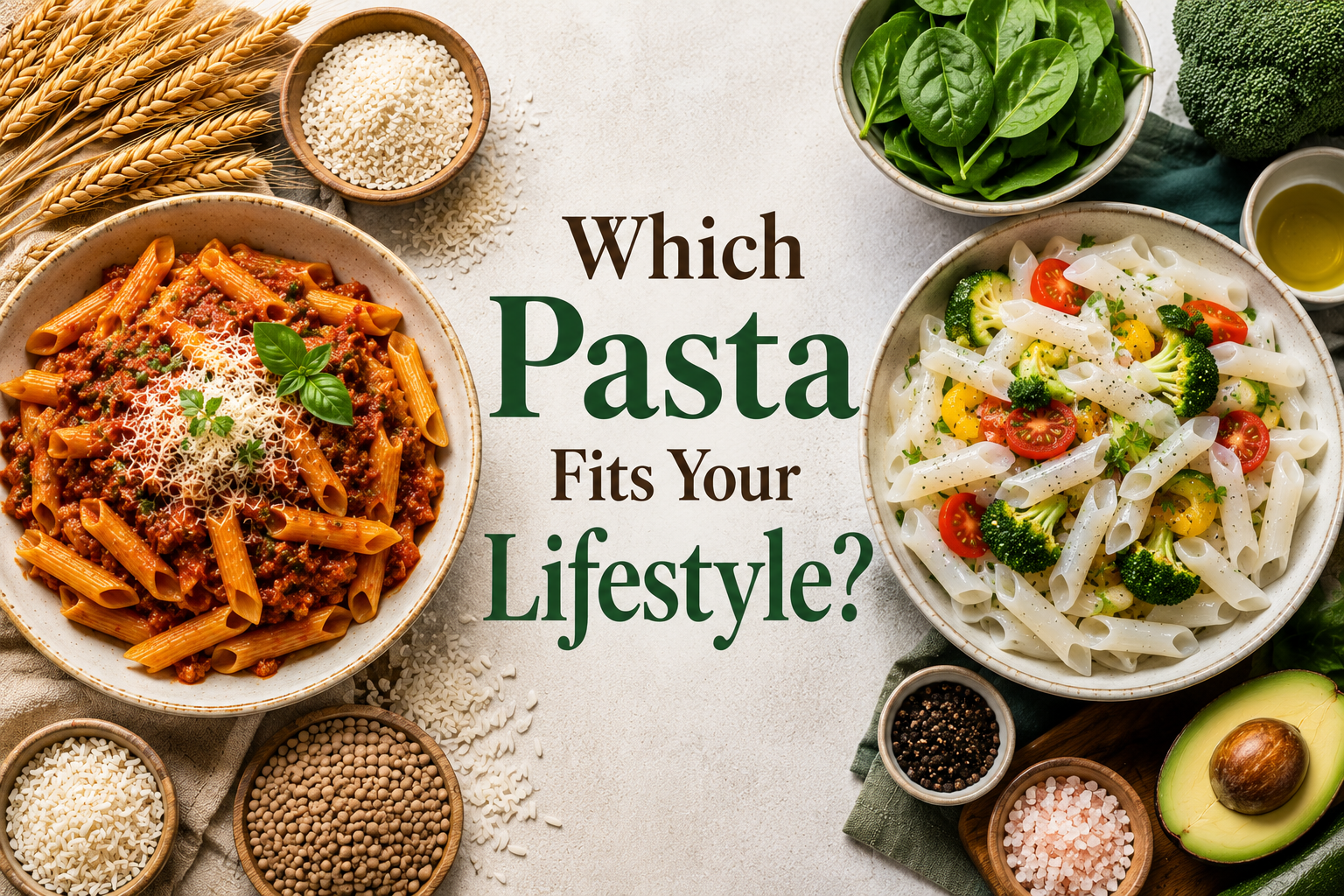
The types of pasta now available extend far beyond classic wheat-based varieties. Consumers can choose from rice pasta, legume-based protein pasta, gluten-free options as well as innovative alternatives made from konjac root.
These developments reflect changing dietary preferences rather than fleeting trends. Many people are actively looking for foods that support balanced energy levels, weight management and digestive wellbeing without sacrificing enjoyment.
The shape of pasta also plays an important role. Different pastas complement different recipes. Some shapes hold rich sauces exceptionally well, while others work best in soups, salads or lighter dishes. Understanding these differences helps to create meals that feel more satisfying and thoughtfully prepared.
Comparing Popular Pasta Types and Their Nutritional Profiles
All pasta does not deliver the same nutritional experience. Ingredients influence carbohydrate levels, protein content, fibre and overall calories.
Traditional Wheat Pasta
Traditional pasta is primarily made from durum wheat semolina. It contains substantial amounts of carbohydrates and moderate amounts of protein. Depending on portion size and preparation, the calories in pasta can add up quickly.
Rice Pasta
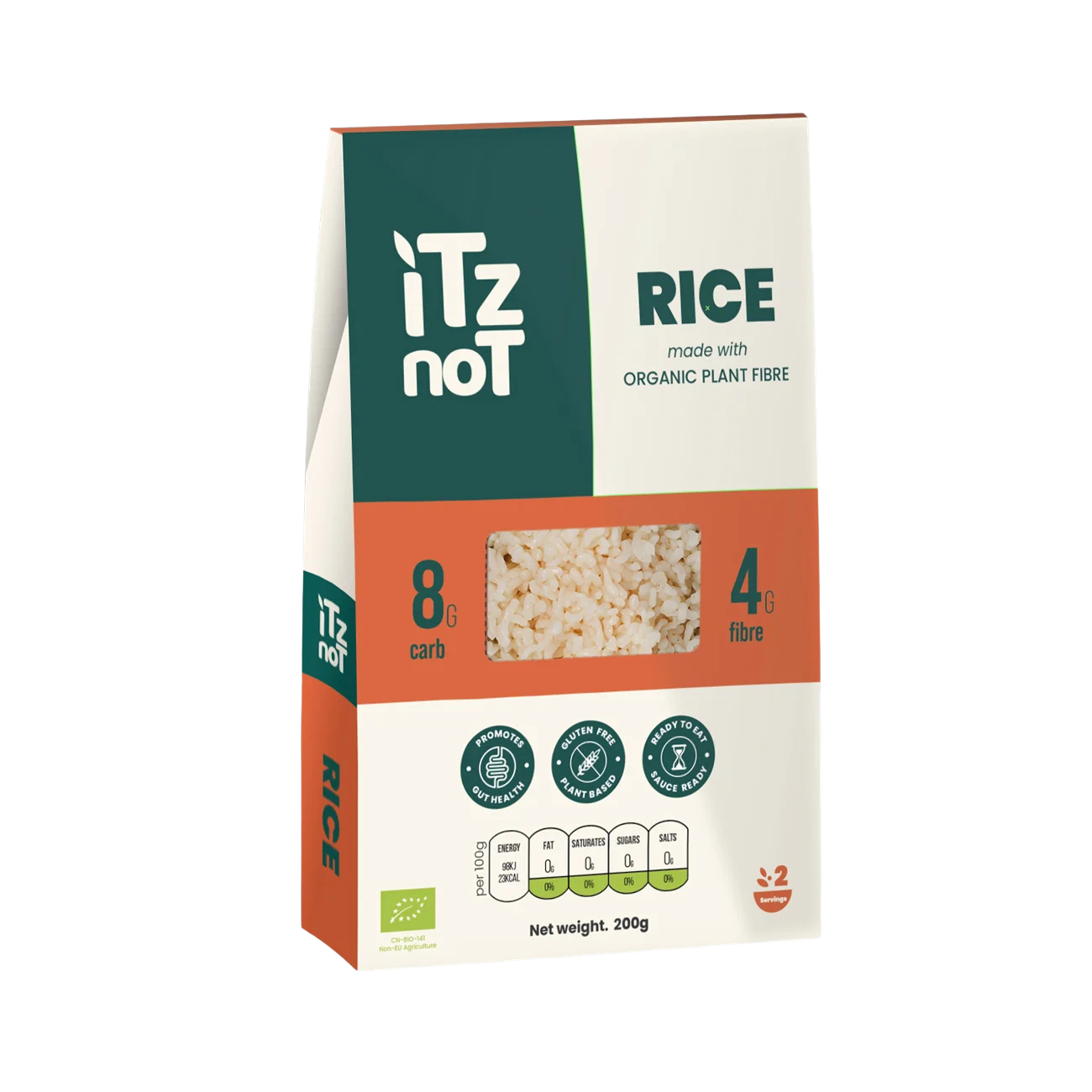
Rice pasta is commonly chosen by individuals following a gluten-free diet. Made from rice flour, it offers a similar cooking experience to traditional pasta while avoiding wheat-based ingredients. Although rice pasta is gluten-free, it generally contains carbohydrate levels comparable to traditional pasta. For this reason, it may not always be the preferred choice for individuals following low-carb or keto eating plans.
Protein Pasta
Protein pasta has gained popularity among individuals looking to increase daily protein intake. It is often produced using lentils, chickpeas, peas or other legumes. Compared with conventional pasta, protein pasta contains higher levels of protein and fibre. This can contribute to satiety and support individuals with higher protein requirements.
Konjac-Based Low Carb Pasta
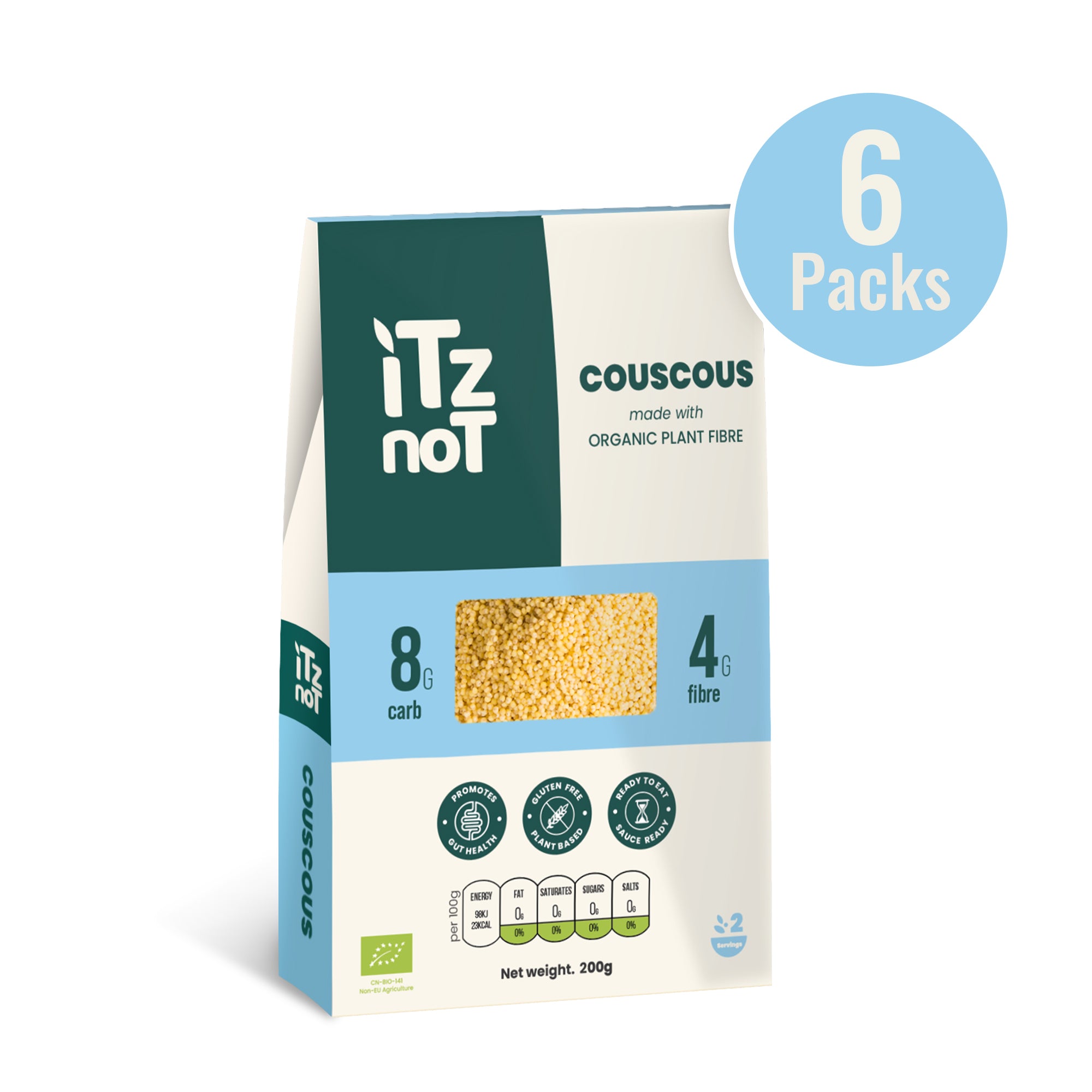
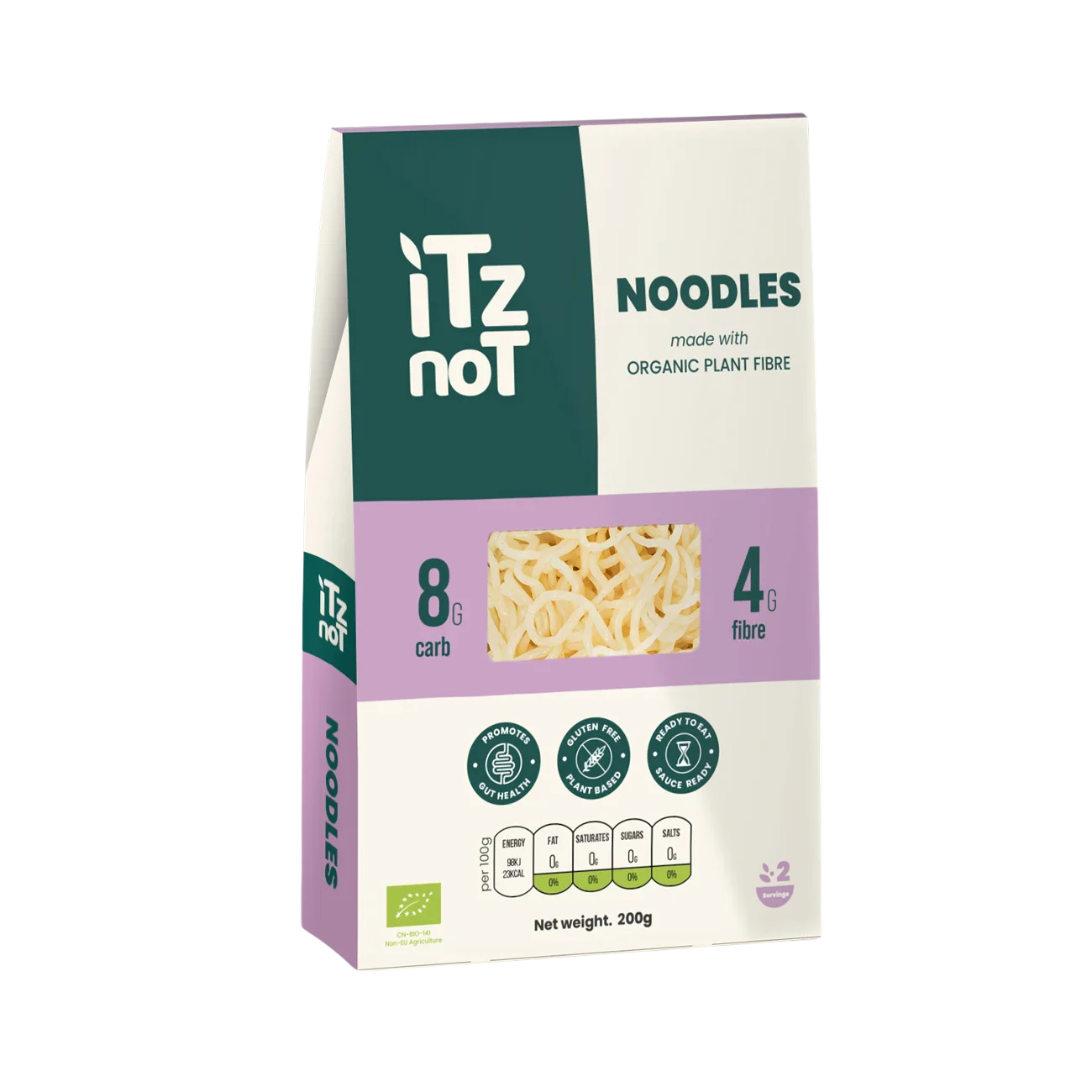
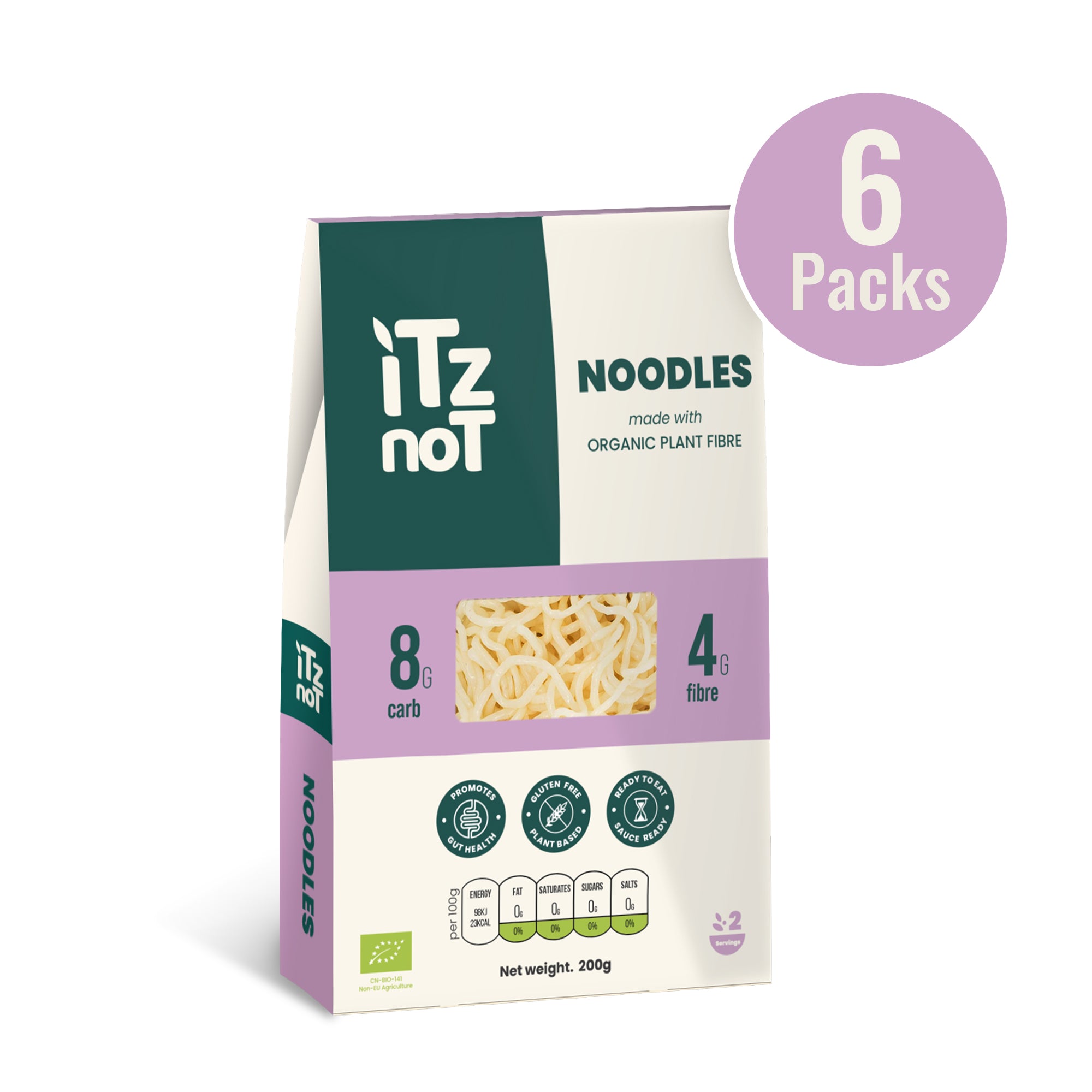
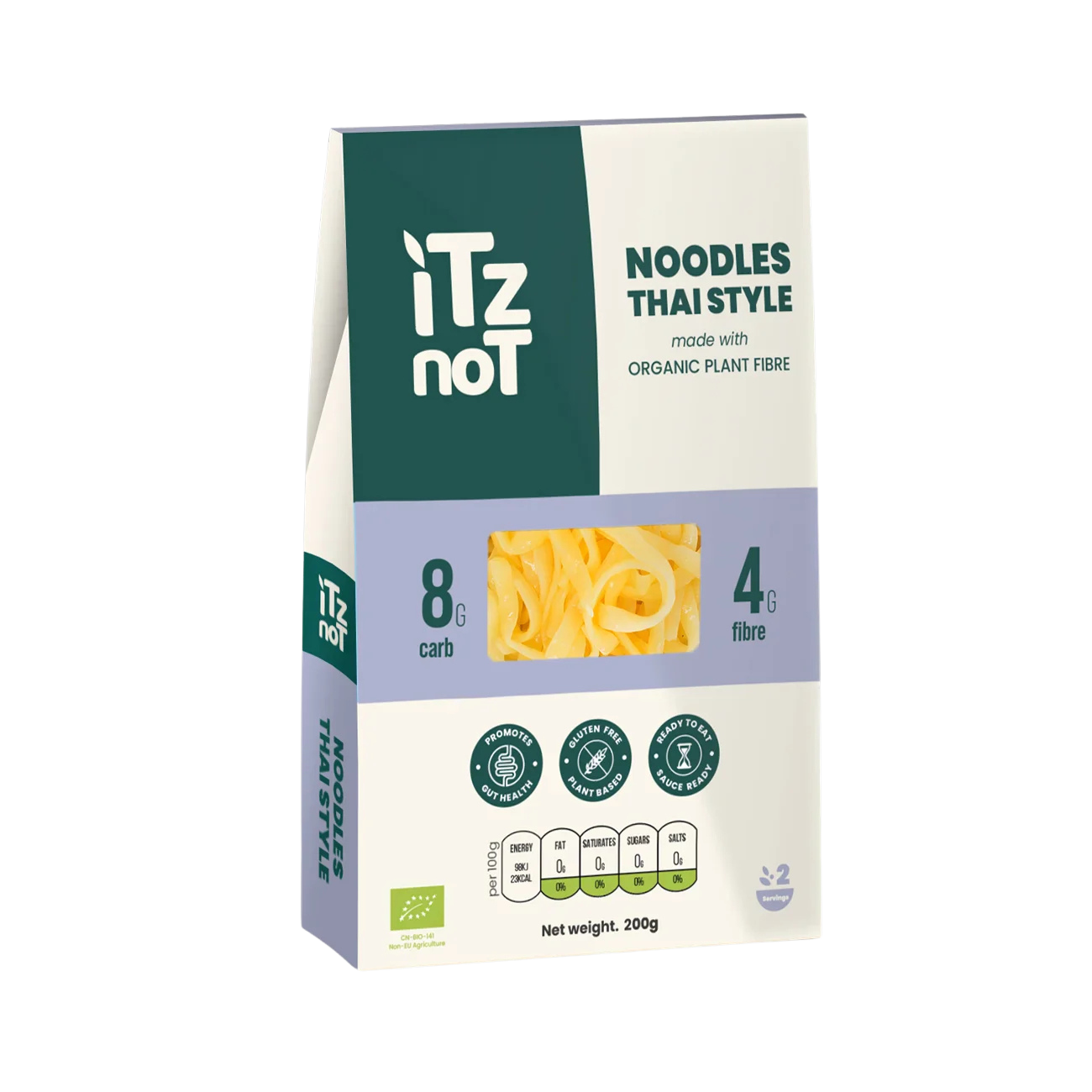
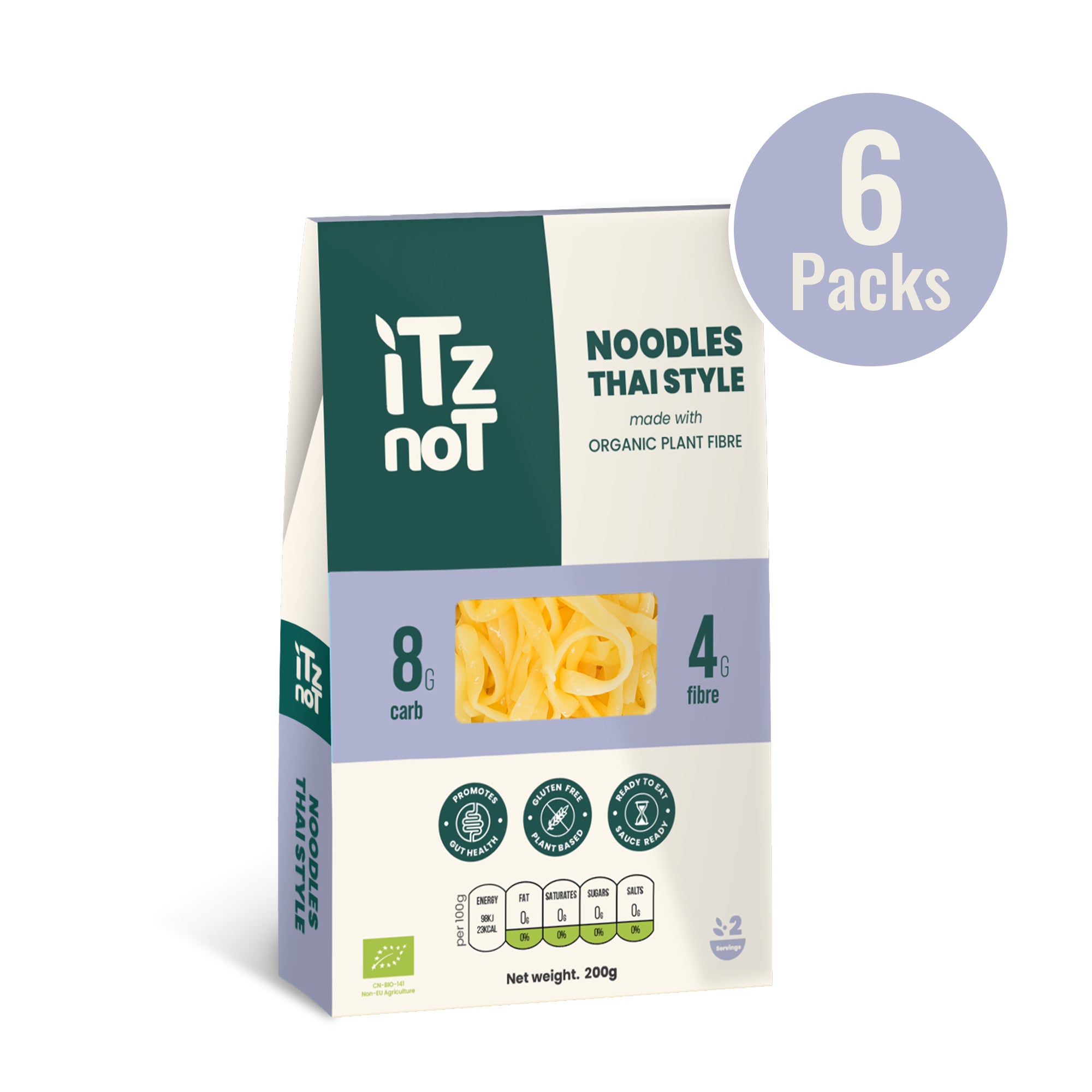
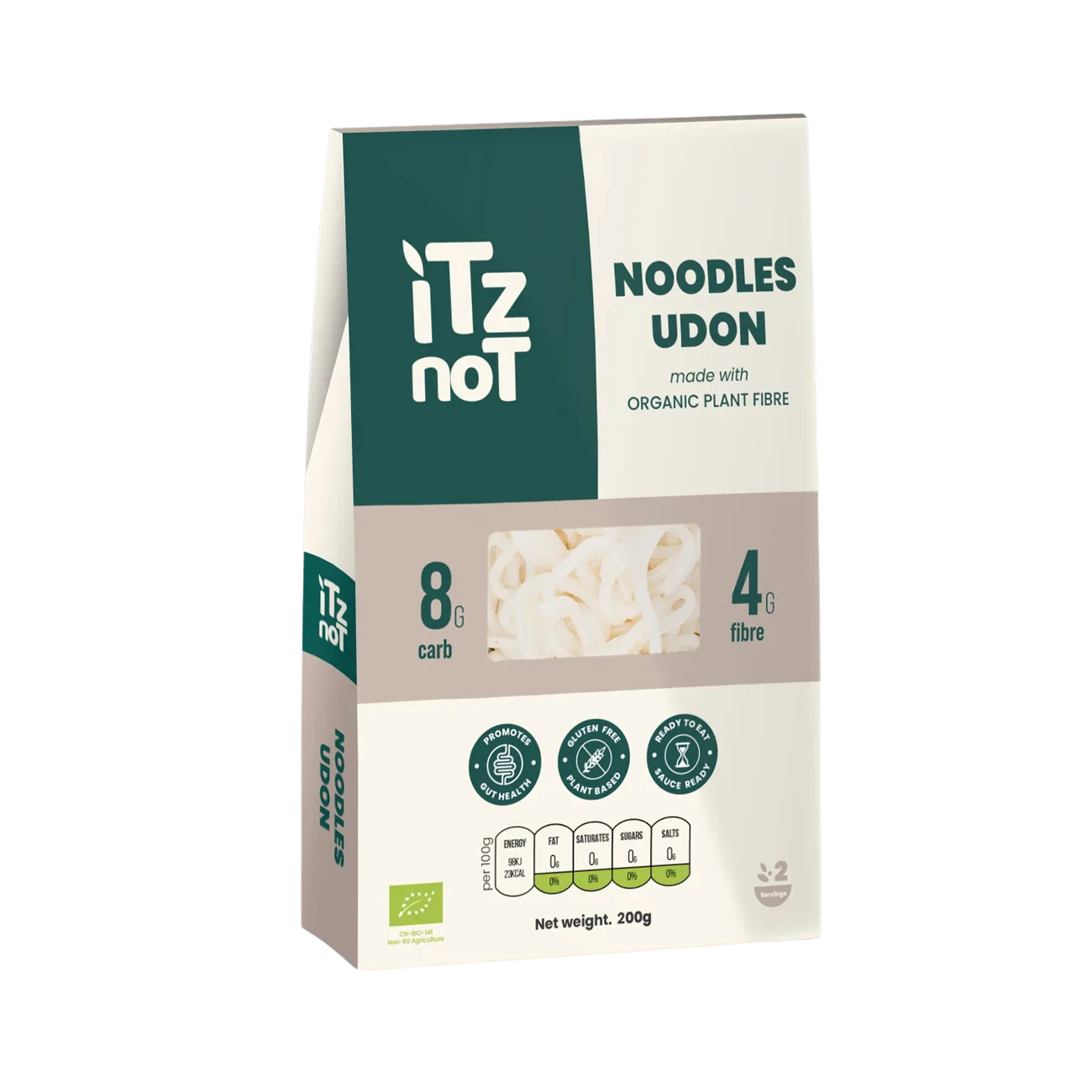
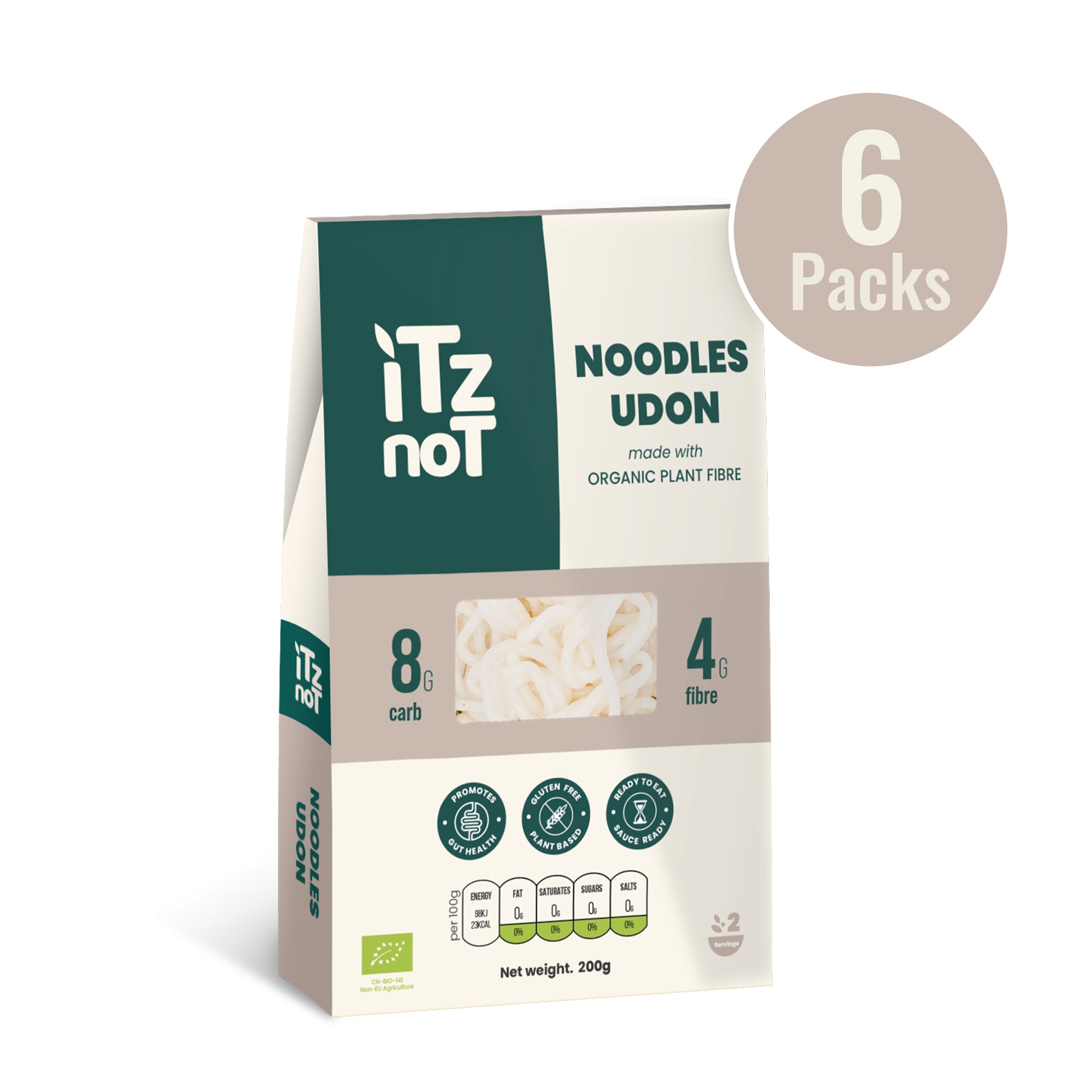
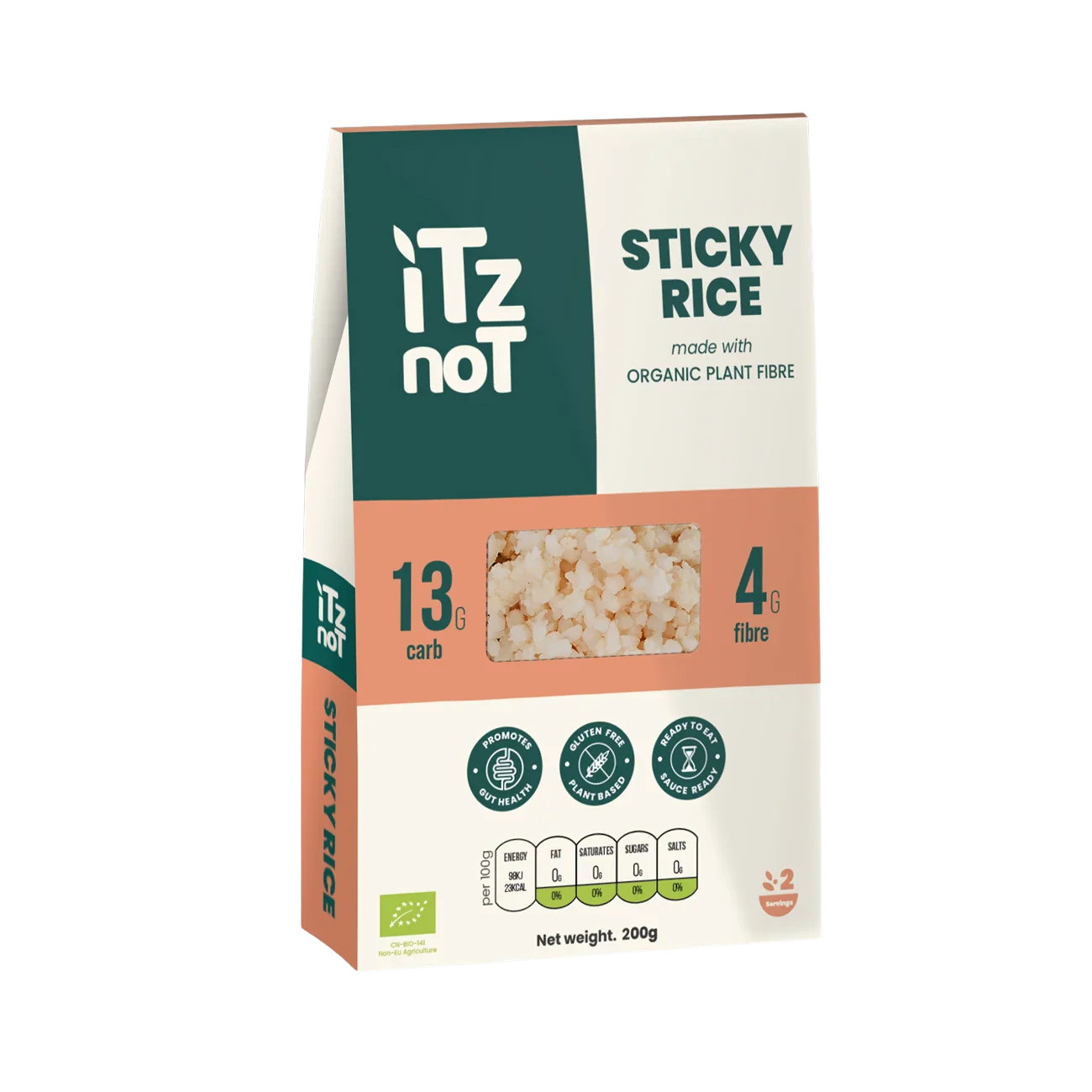
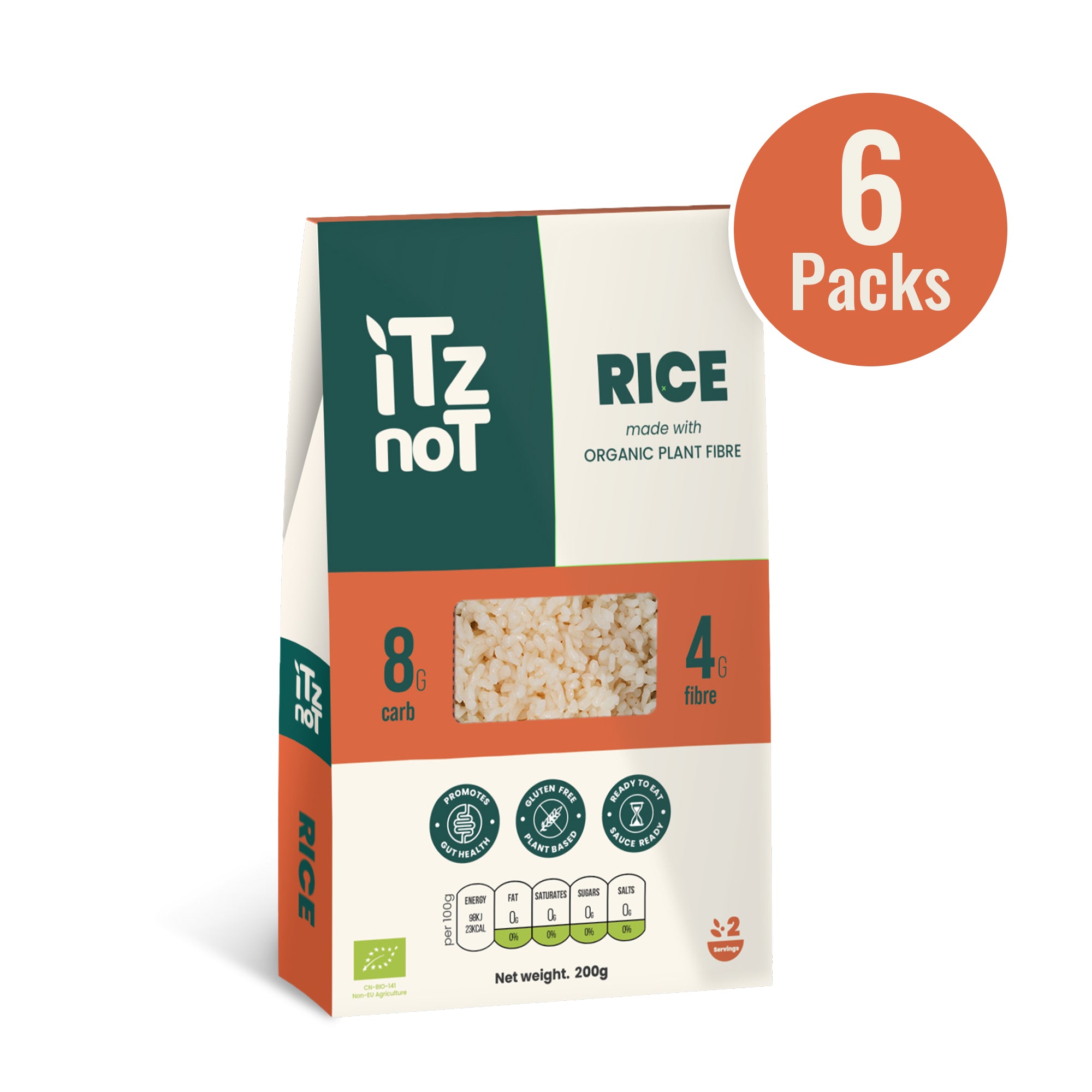
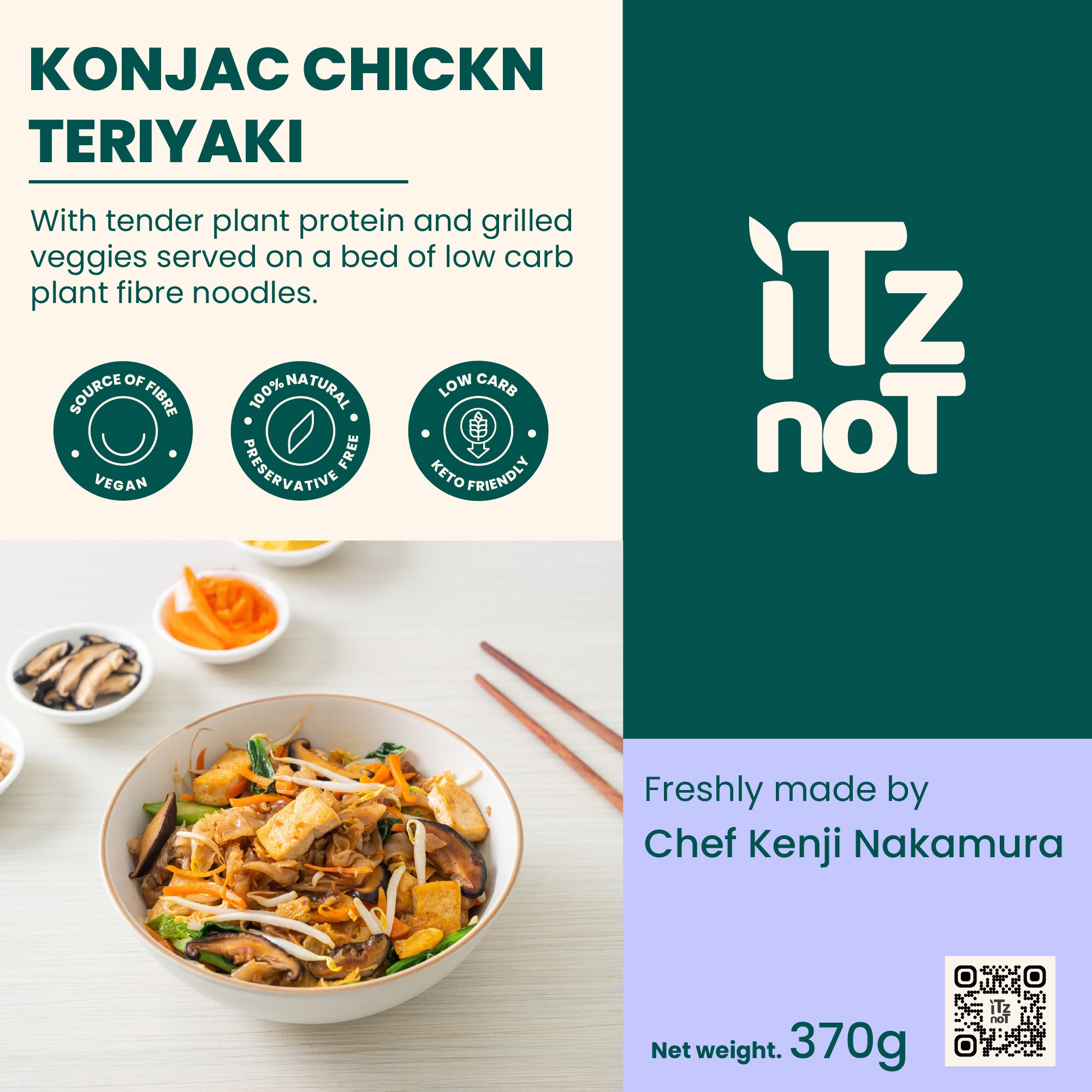
Konjac pasta is produced using fibre derived from the konjac plant called glucomannan. It is naturally low in carbohydrates and calories while providing a source of dietary fibre. For individuals seeking a low carb pasta option, konjac-based pasta offer a distinctive alternative that aligns with wellness-focused lifestyles.
What Makes Low Carb Pasta Different?
The key difference between traditional pasta and low carb pasta lies in its nutritional composition.
Traditional pasta derives much of its energy from starch-rich wheat flour. Low-carb alternatives reduce carbohydrate content by using alternative ingredients such as konjac fibre or legume-based formulations.
This difference can be valuable for individuals who wish for moderate carbohydrate intake and continue to enjoy familiar meals. Lower-carbohydrate options may also help people following specific dietary approaches, including ketogenic eating plans.
One of the most interesting developments in this category is konjac-based pasta. The ingredient glucomannan, found naturally in konjac root, has been widely studied for its high fibre content and ability to absorb water.
Rather than attempting to replicate traditional pasta exactly, konjac products offer a unique approach that prioritises fibre, reduced calories and carbohydrate control.
How to Choose the Best Low Carb Pasta for Your Lifestyle
When selecting a low carb pasta, consider more than marketing claims.
Review ingredient lists carefully. Examine carbohydrate content per serving, fibre levels and overall nutritional composition. Consider how the pasta fits within your wider eating pattern rather than evaluating it in isolation.
Texture preferences also matter. Some consumers enjoy the familiar density of legume-based products, while others appreciate the lighter profile of konjac-based alternatives. The best choice is often the one that supports long-term consistency. Sustainable eating habits tend to be more effective than restrictive approaches that feel difficult to maintain.
Types of Low Carb Pasta
Choosing the right pasta can elevate a meal considerably. Different pasta interacts with sauces in different ways, influencing texture and overall enjoyment.
-
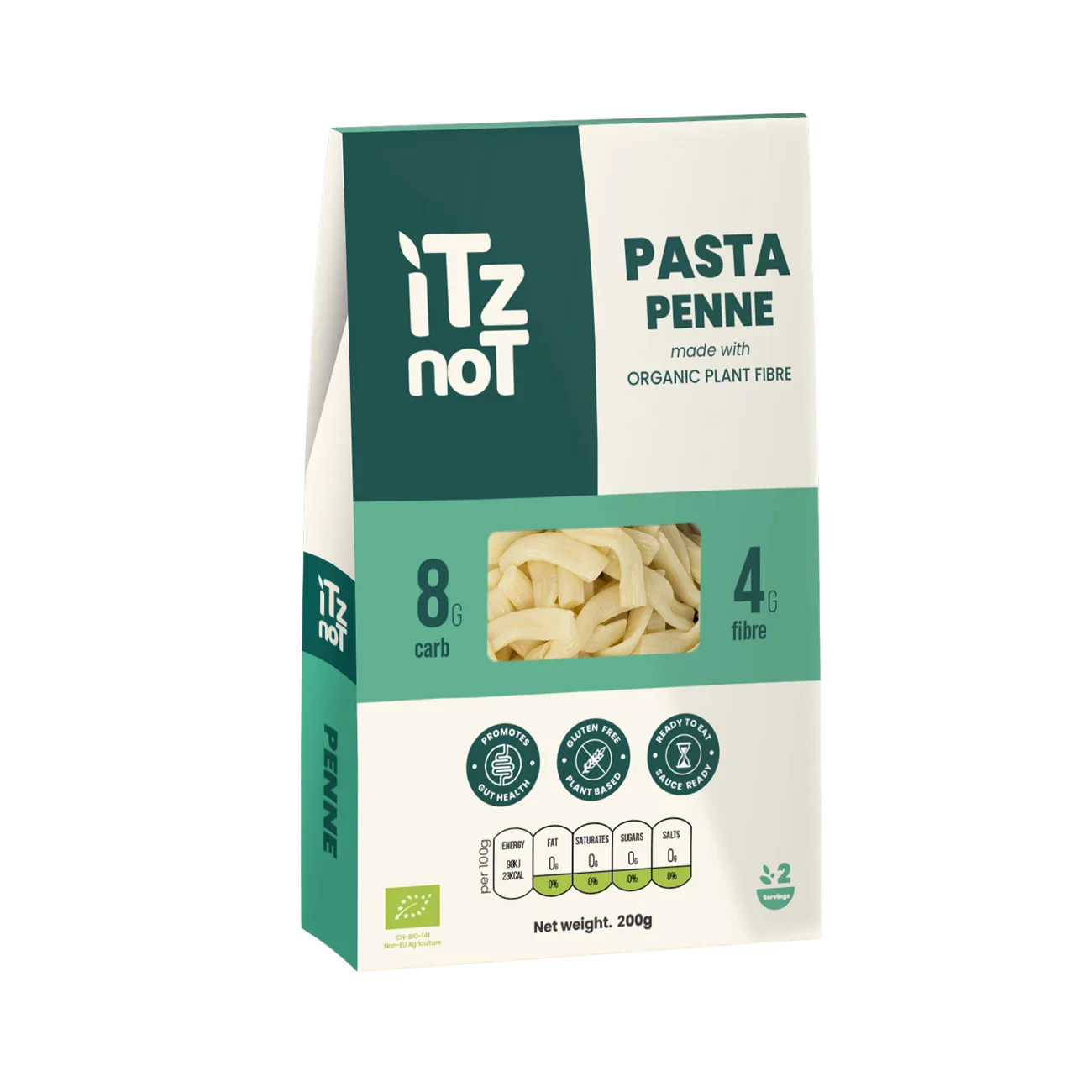
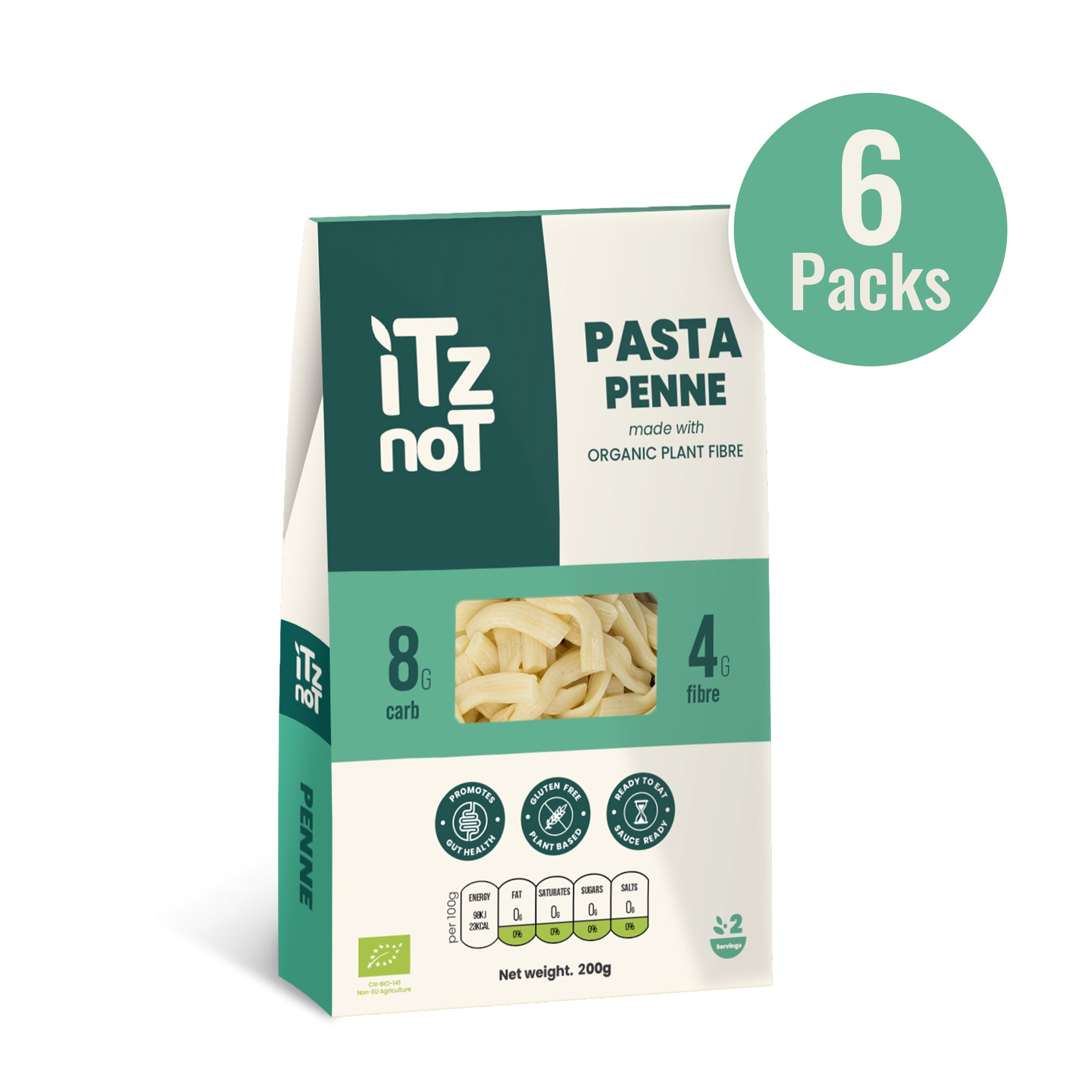
Penne for Robust Sauces: Penne's tube-shaped structure allows it to capture chunky tomato sauces and vegetable-based recipes particularly well.
-
Fettuccine for Creamy Dishes: Fettuccine's wider ribbons pair naturally with creamy sauces, helping to create a rich and balanced bite.
-
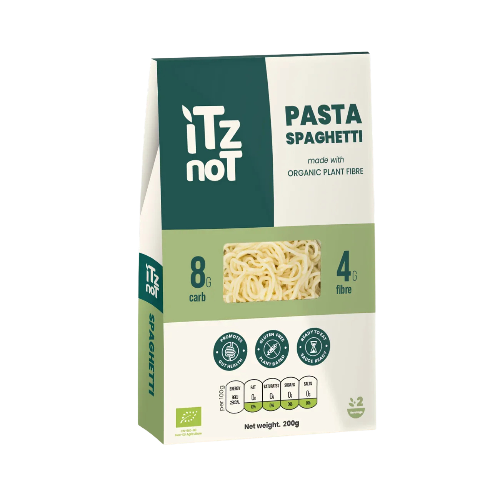
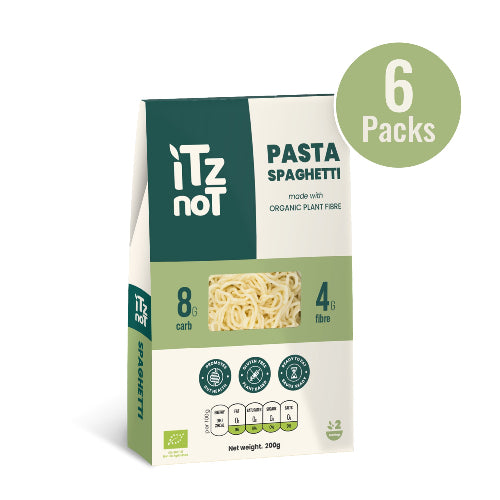
Spaghetti for Everyday Versatility: Spaghetti pasta remains one of the most recognised pasta shapes globally. Its versatility makes it suitable for everything from simple tomato sauces to seafood dishes.
-
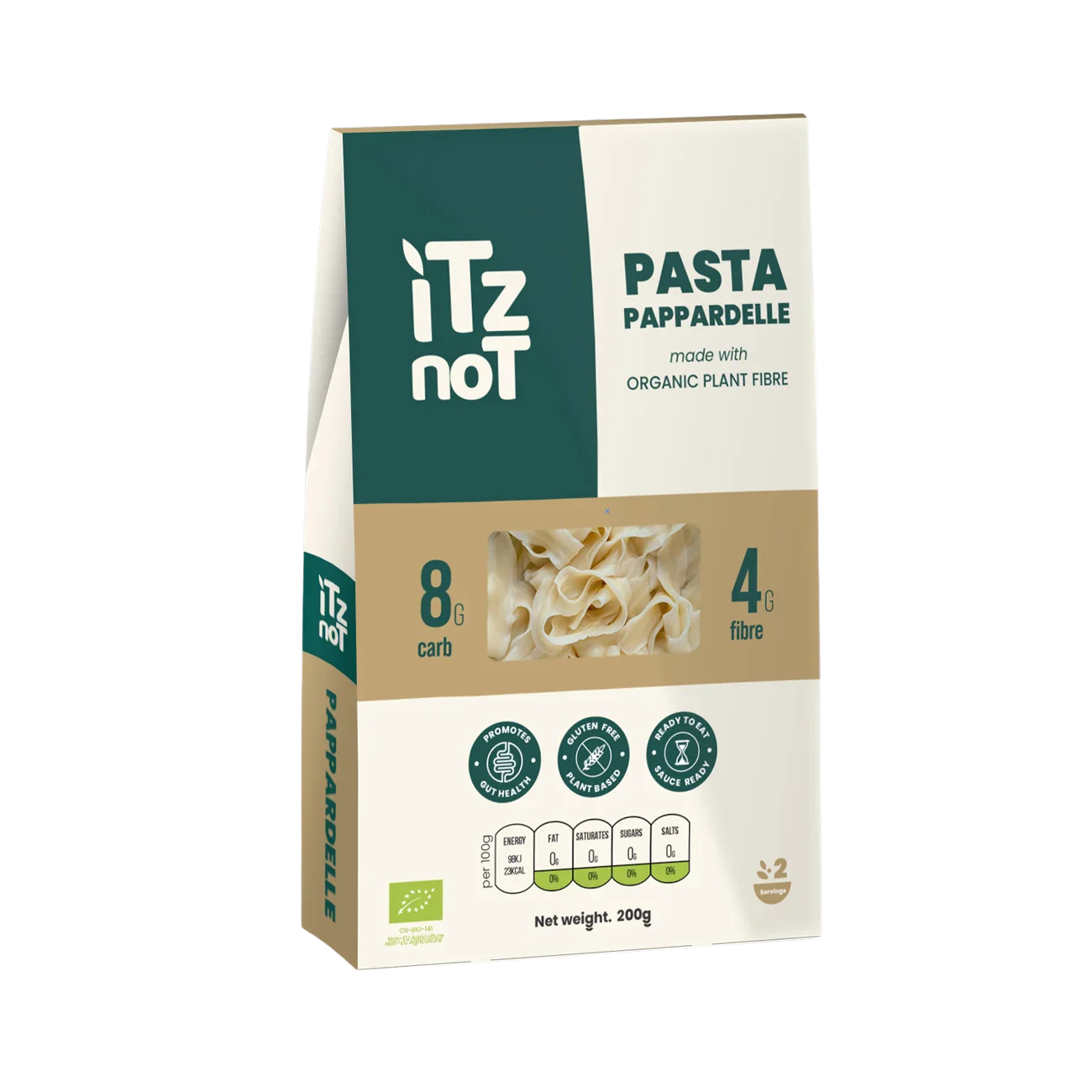
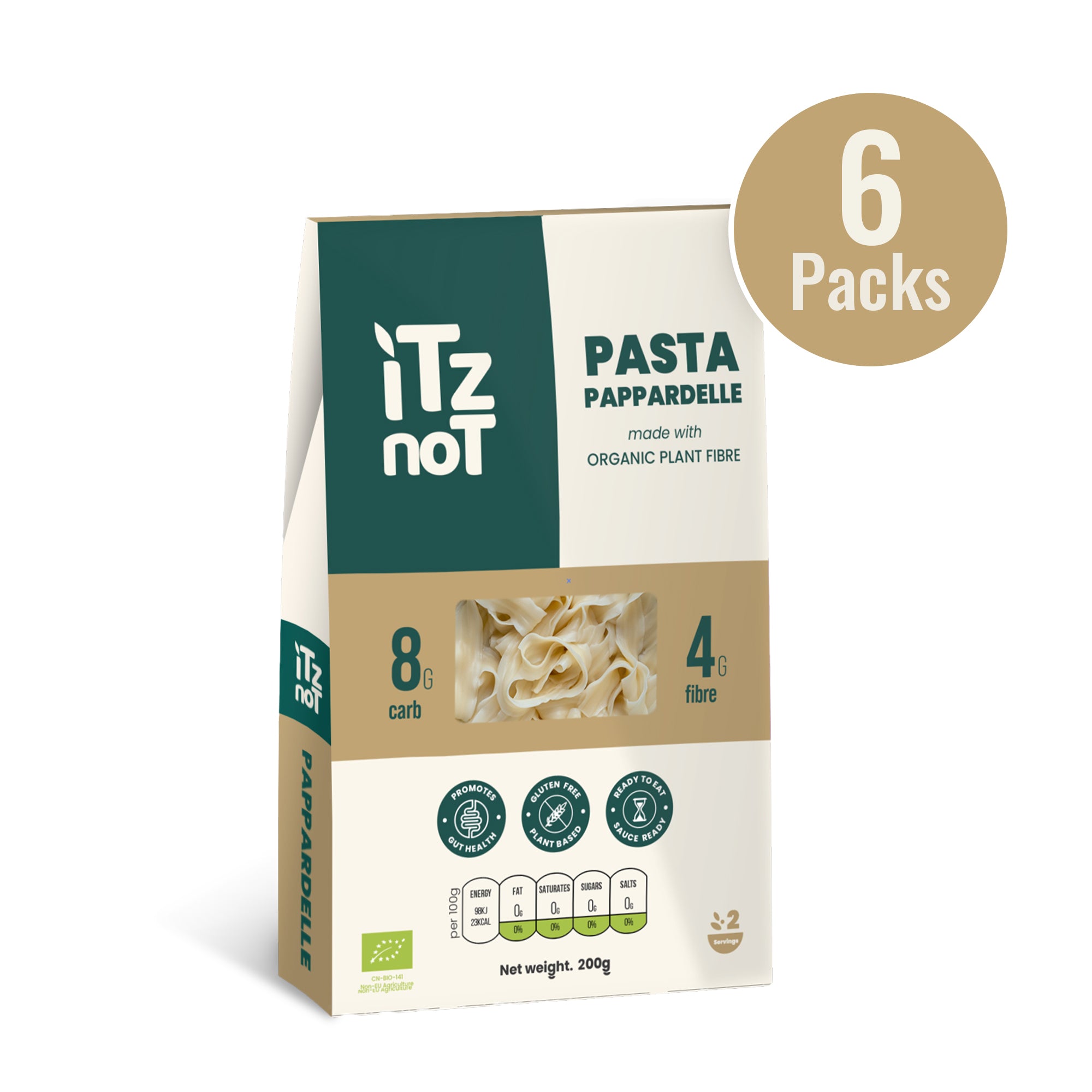
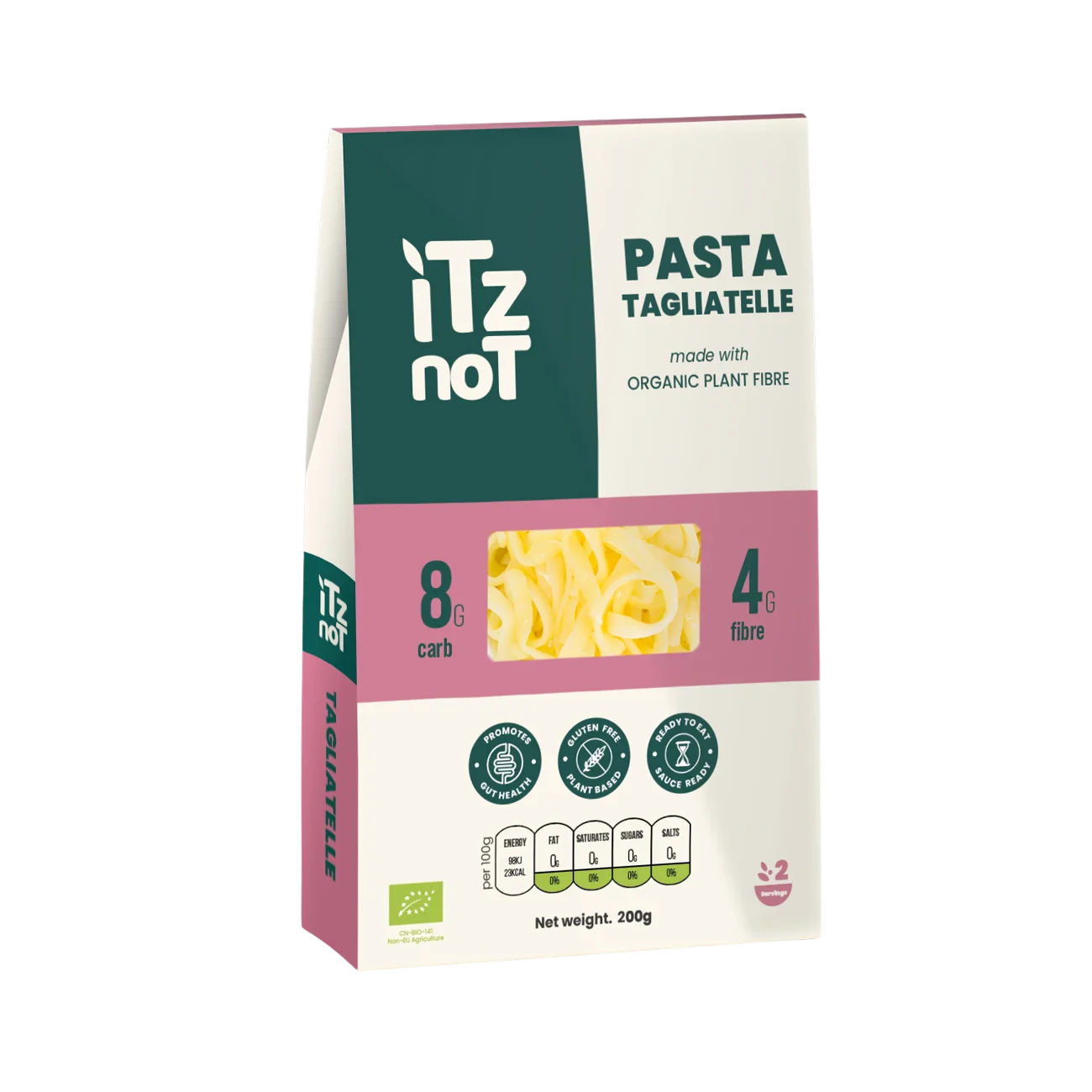
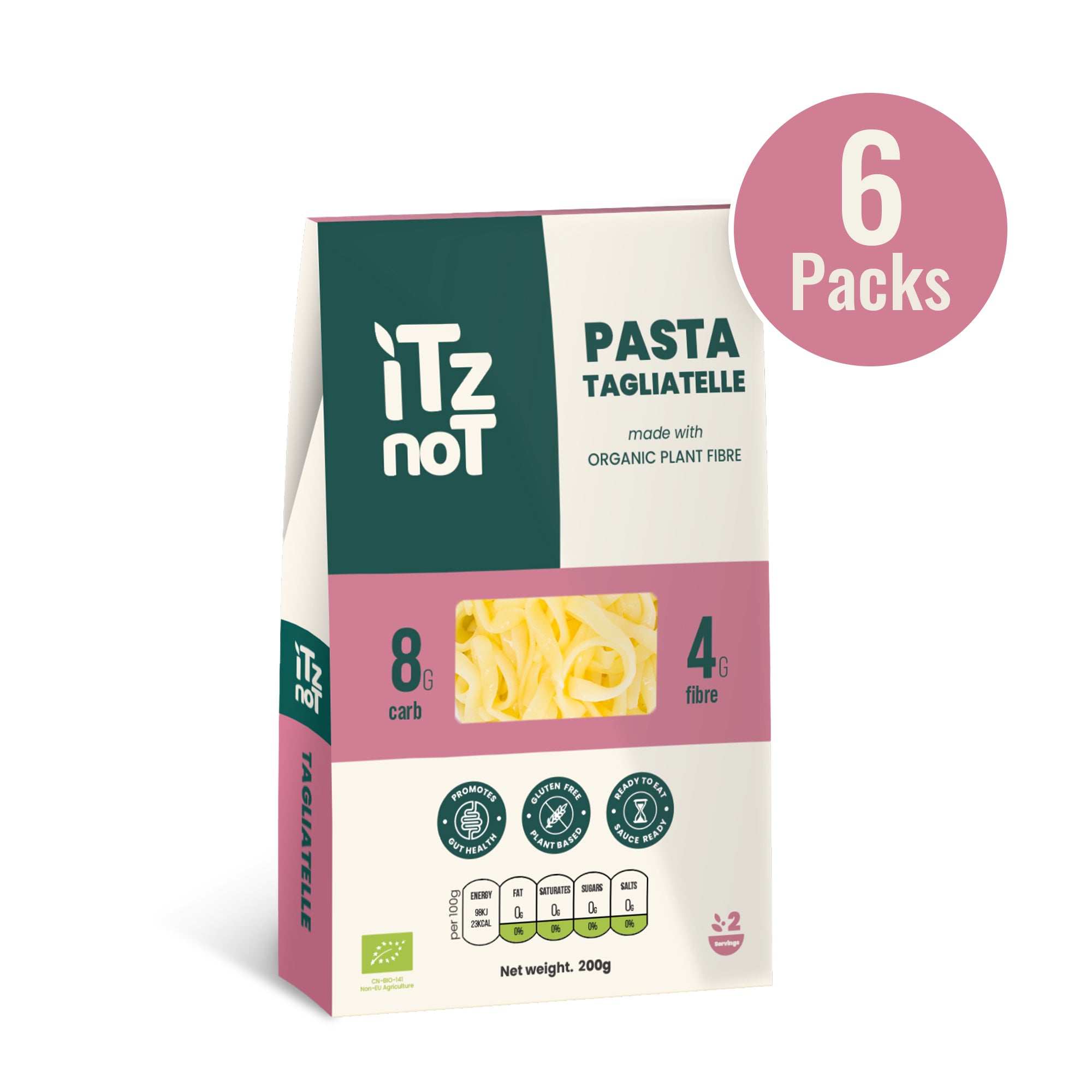
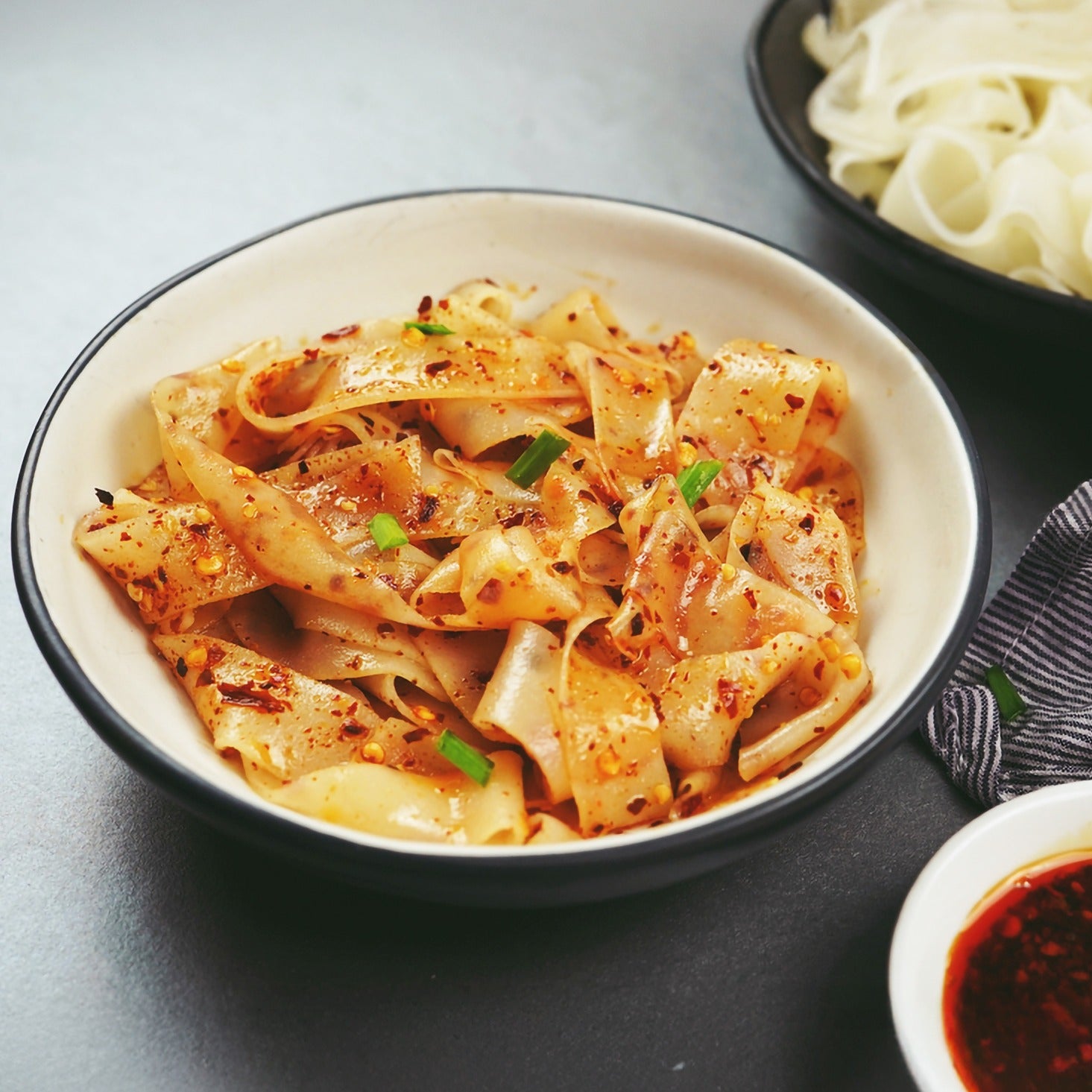
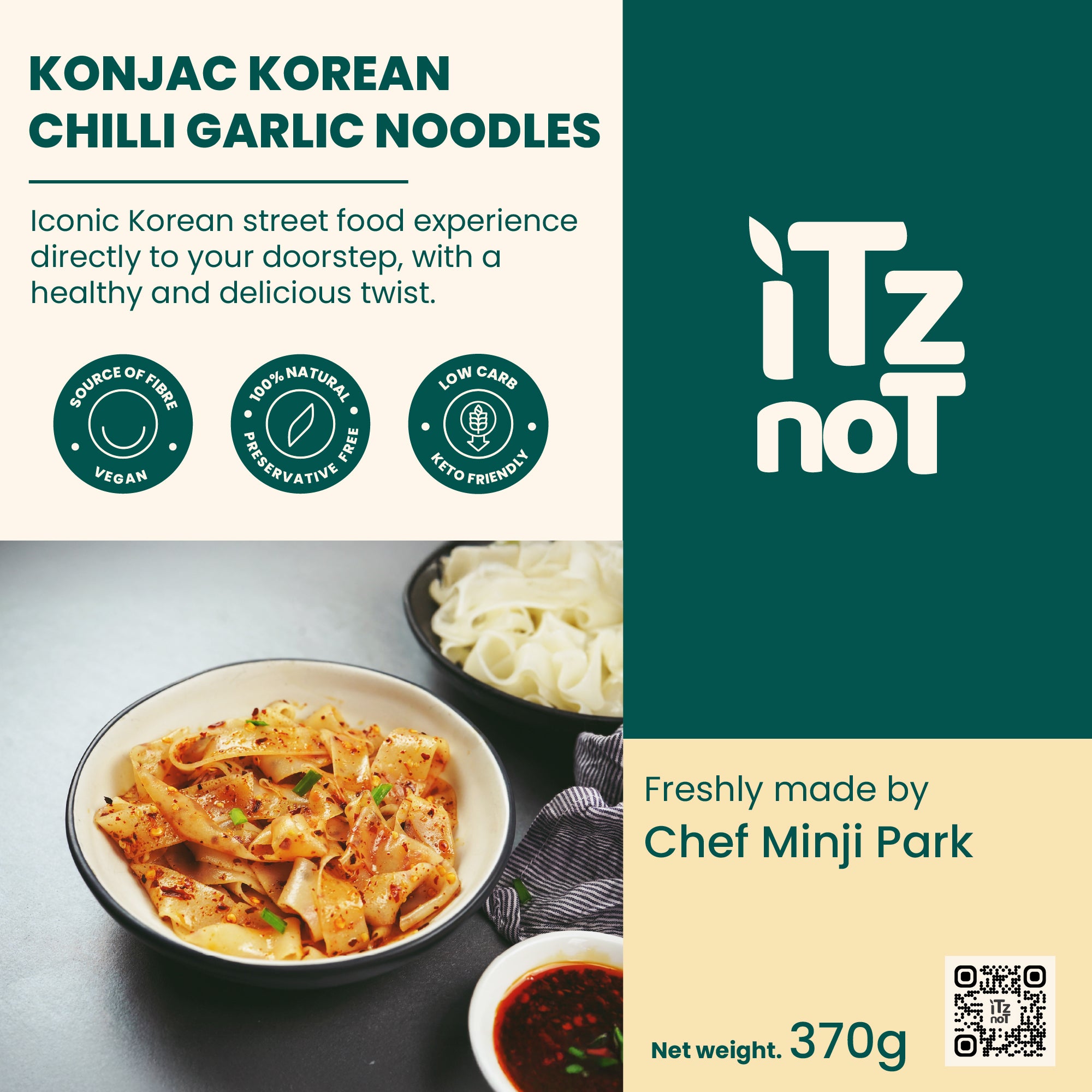
Tagliatelle and Pappardelle for Richer Recipes: Broader ribbon-style pasta shapes work beautifully with heartier sauces to cling on flavours.
-
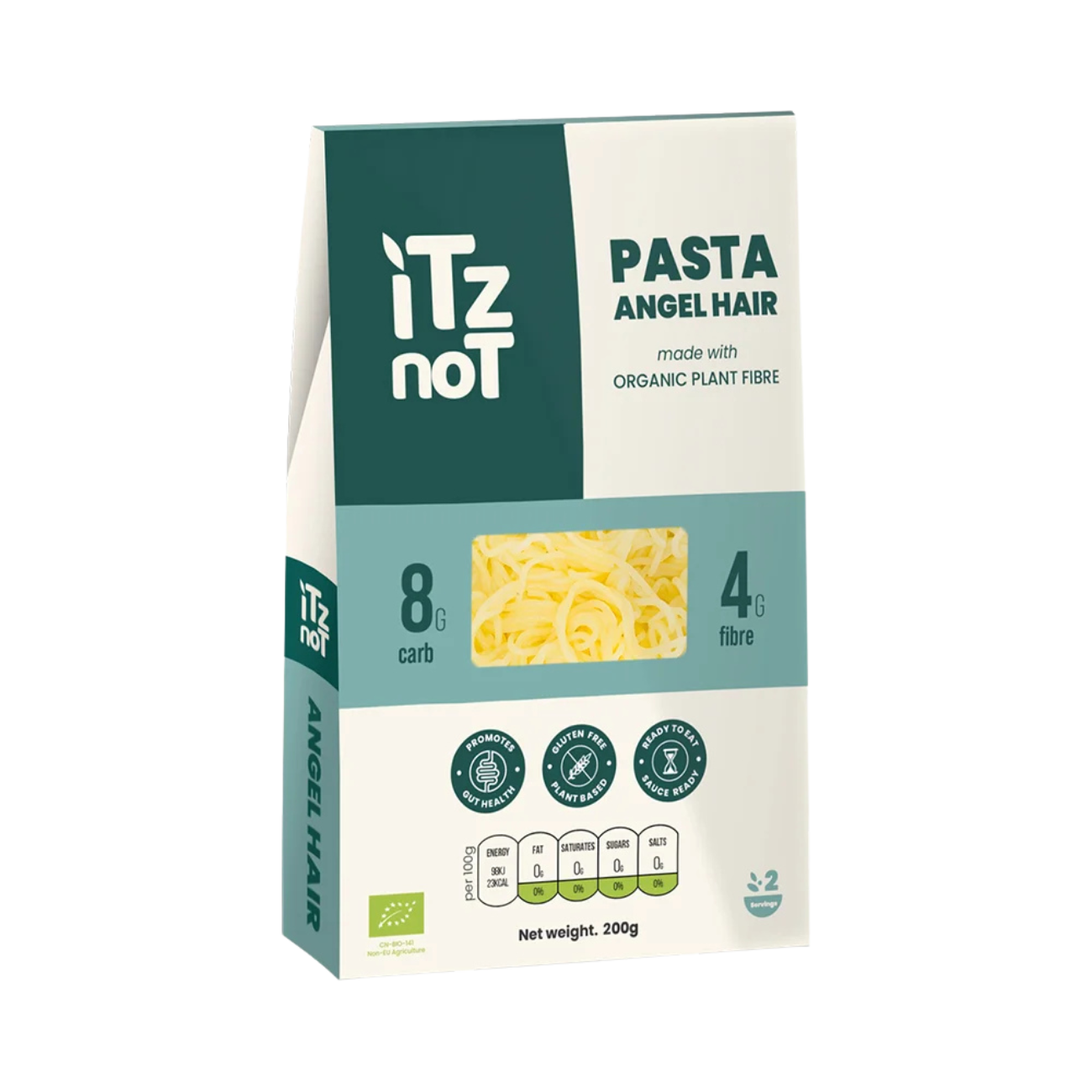
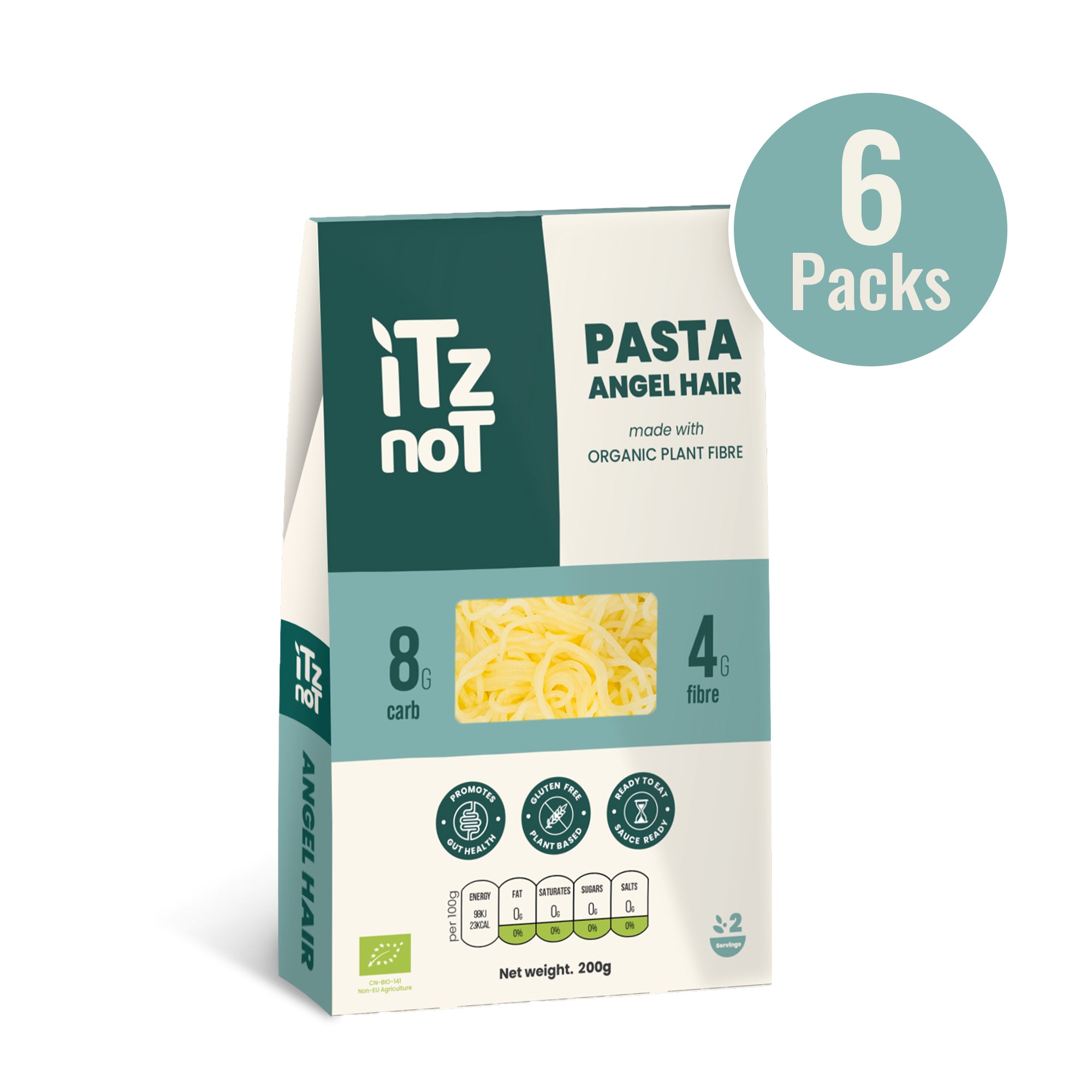
Angel Hair for Lighter Meals: Angel hair pasta offers a delicate texture that complements lighter sauces, herbs and seafood dishes.
-
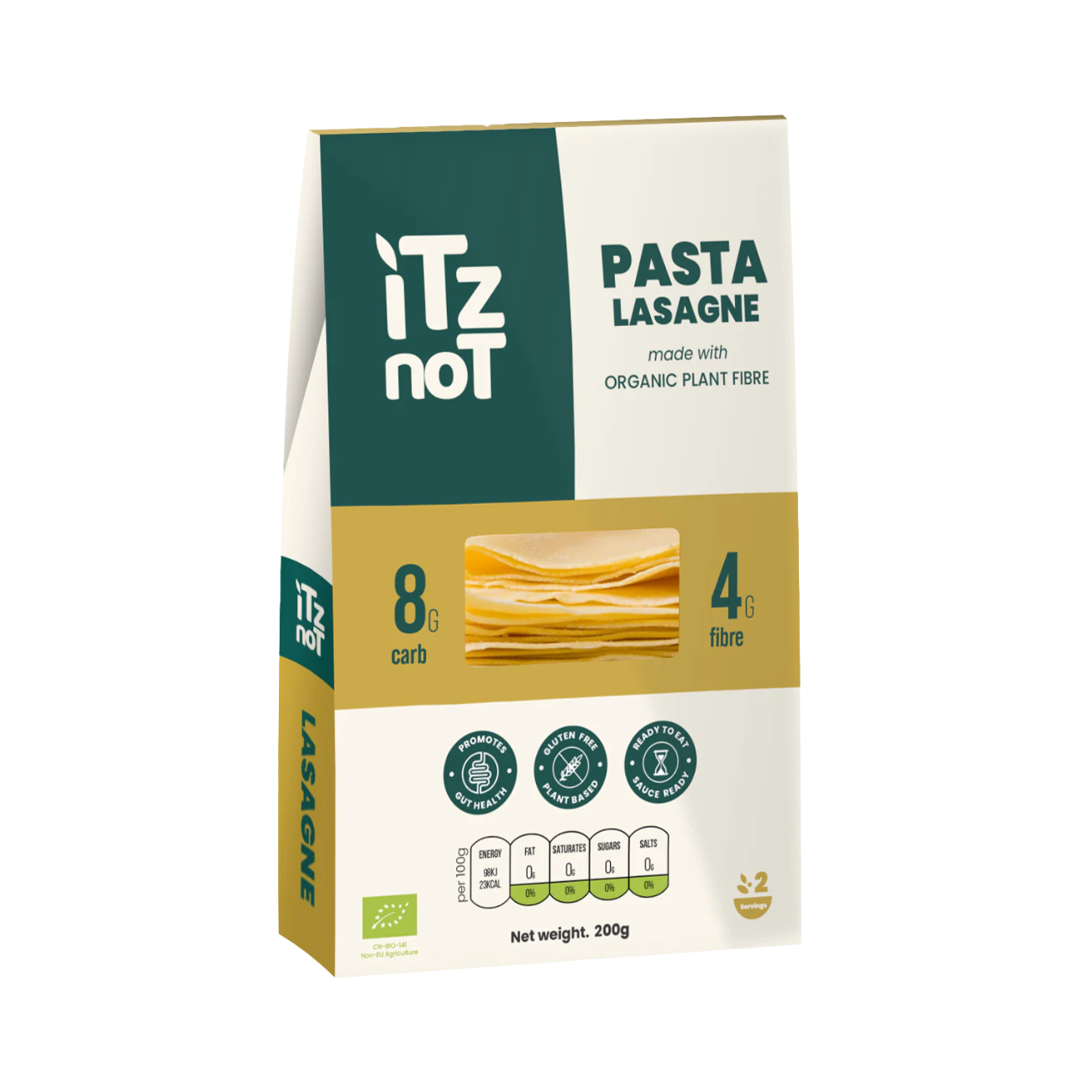
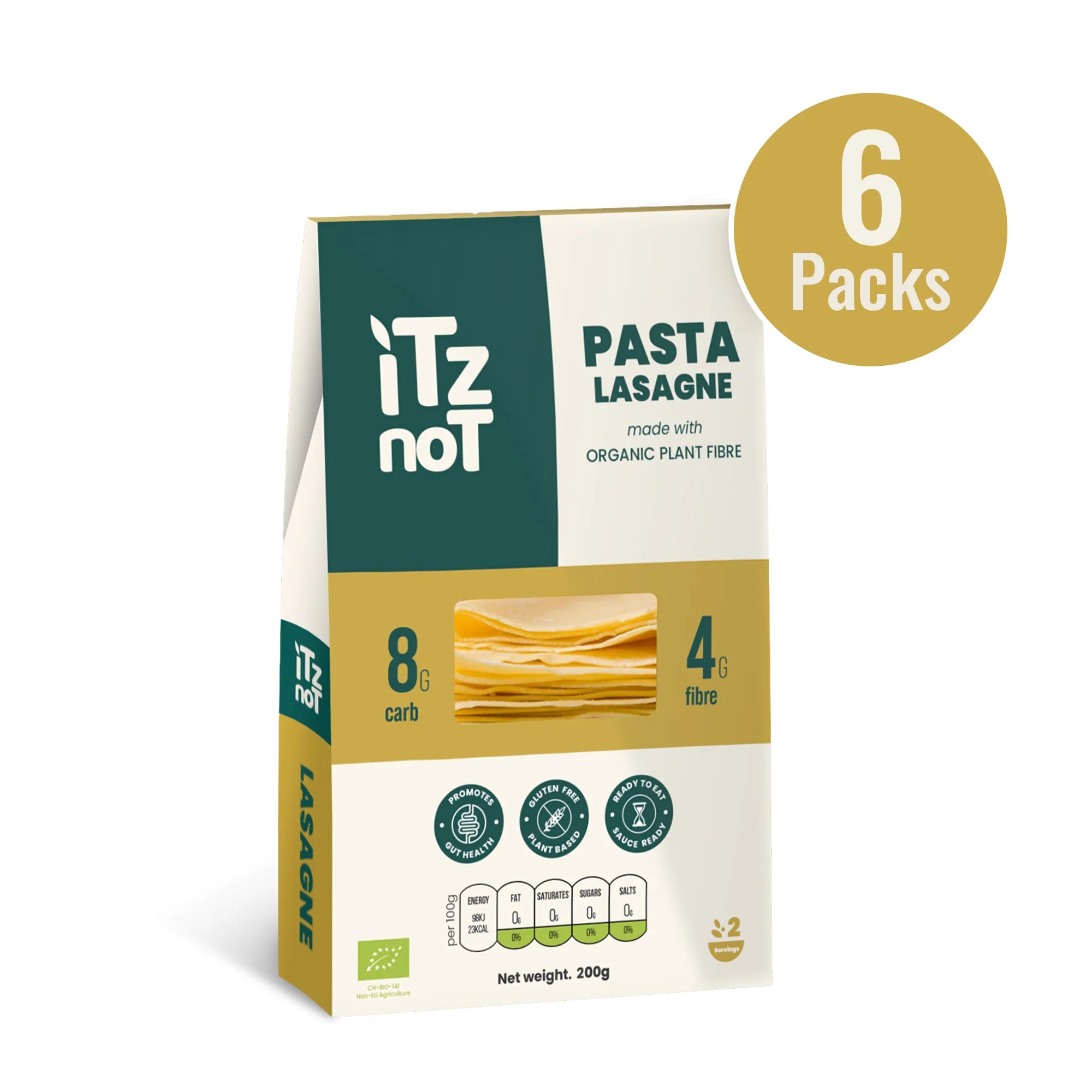
Lasagne Sheets for Comfort Food Classics: Lasagne remains a beloved family favourite and low-carb alternatives that allow people to enjoy layered pasta dishes for supporting specific dietary goals.
-
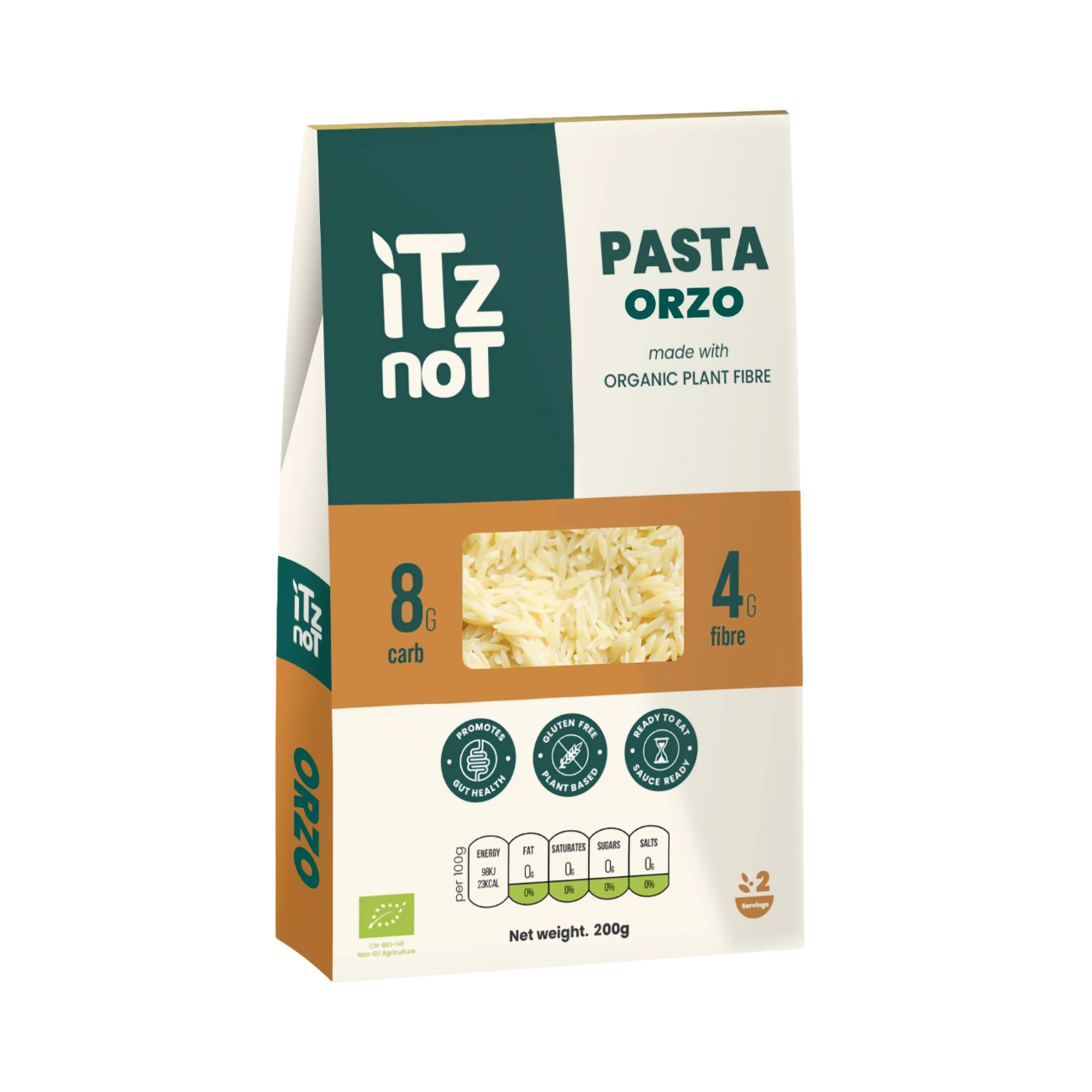
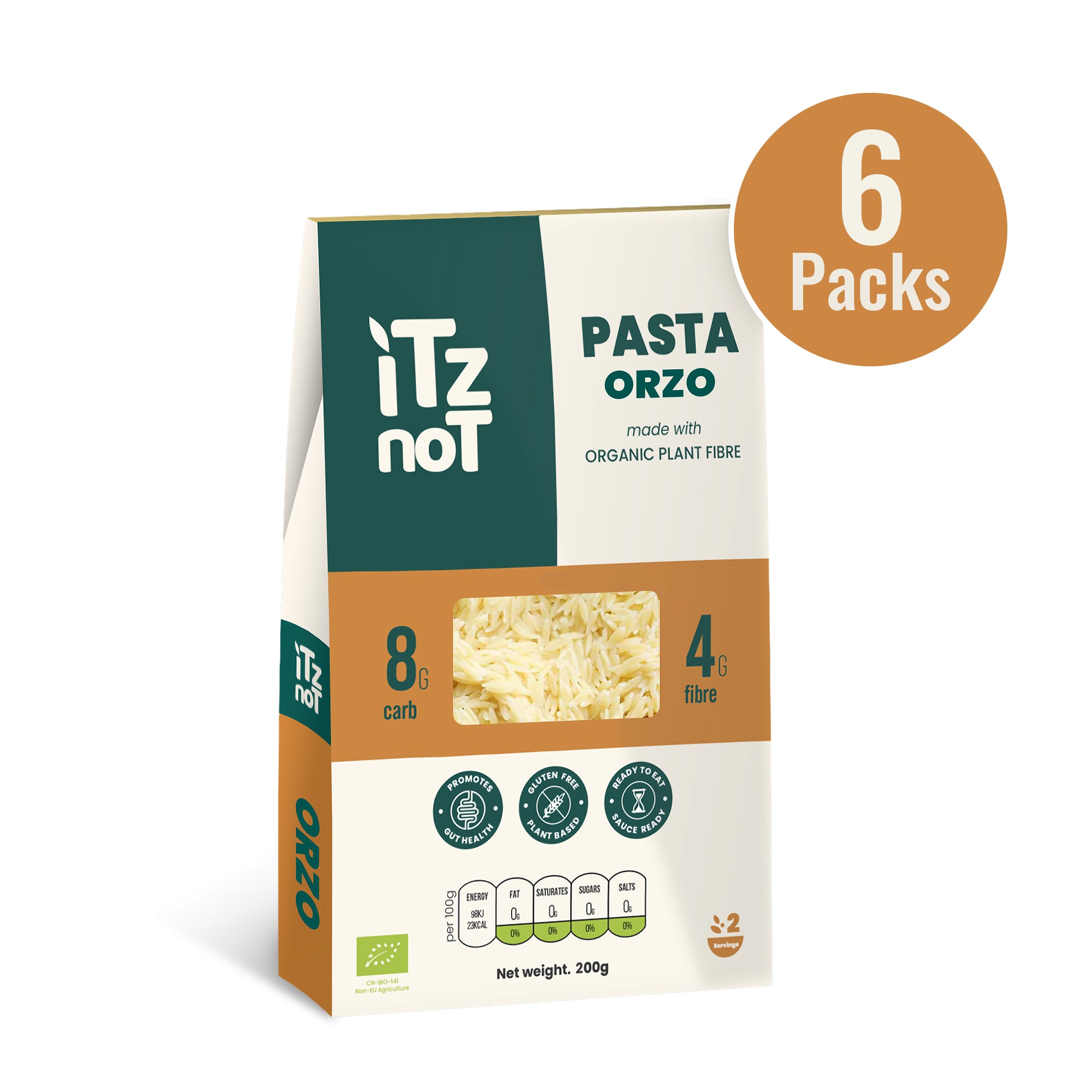
Orzo for Soups and Salads: Orzo is a pasta flavour commonly used in soups, grain-style bowls and Mediterranean-inspired salads.
Conclusion
The modern pasta aisle looks very different from the one many people grew up with. Alongside traditional favourites, consumers now have access to low carb pasta, protein pasta, rice pasta and konjac-based pasta alternatives to suit a range of dietary needs.
Understanding the various types of pasta available today makes it easier to choose options that support your lifestyle and nutritional goals. Whether you prefer traditional pasta, protein pasta, rice pasta, or innovative low-carb pasta made from konjac, there is a solution for every preference and eating style.
FAQs
What is the healthiest type of pasta?
The healthiest pasta depends on your dietary goals. Protein pasta and konjac pasta are often chosen for higher protein or lower carbohydrate content.
Is rice pasta lower in carbs than regular pasta?
No. Rice pasta is gluten-free but generally contains similar carbohydrate levels to traditional wheat pasta.
What is konjac pasta made from?
Konjac pasta is made from glucomannan fibre derived from the konjac root. It is naturally low in carbohydrates and calories.
Which pasta is best for a low-carb diet?
Konjac pasta is one of the most popular low-carb pasta options due to its very low carbohydrate content.

Related post
09
Jul
RECENT POSTS