















7 Smart Food Swaps for a Lower-Carb Lifestyle
7 Smart Food Swaps for a Lower-Carb Lifestyle
Reducing carbohydrates doesn't have to mean giving up the meals you genuinely enjoy. In fact, the most sustainable low carb food swaps are often the small changes that fit naturally into your routine rather than completely reinventing it. According to registered dietitians, a well-planned lower-carb eating pattern can support weight management and blood sugar control for some individuals when combined with a balanced diet. Glucomannan has been approved by the EU for contributing to weight loss when consumed as part of an energy-restricted diet.
Strict dietary rules are often hard to sustain and may not suit everyone's unique health needs. Consulting with a healthcare professional allows for tailored, thoughtful ingredient swaps, making it possible to support your health goals while keeping favourite dishes safely on the menu.
What Does a Lower-Carb Lifestyle Actually Mean?
Despite its popularity, there isn't one universally agreed definition of a low-carbohydrate diet. The amount of carbohydrate that's suitable varies depending on factors such as age, activity level, health status and personal goals. Rather than eliminating carbohydrates altogether, many nutrition professionals encourage prioritising whole foods while reducing refined, highly processed sources where appropriate.
A balanced low carb diet plan focuses on quality protein, healthy fats, vegetables, pulses where suitable, and nutrient-rich ingredients instead of heavily refined grains and sugary foods.
Before making significant dietary changes, particularly if you have diabetes or another medical condition, it's advisable to seek guidance from a qualified healthcare professional. Keeping a practical low carb diet food list on hand can make everyday decisions much easier, helping you build satisfying meals without feeling restricted.
Building a Balanced Low-Carb Plate
Following a lower-carb eating pattern isn't about removing entire food groups. It's about creating meals that deliver satisfaction and nutritional balance.
A practical approach includes:
- Half the plate filled with low carb diet veg, particularly leafy greens, broccoli, cauliflower, peppers and courgettes.
- A quarter consisting of quality protein such as fish, poultry, eggs or tofu.
- Healthy fats from foods such as olive oil, avocado or nuts.
- Lower-carbohydrate alternatives, including konjac products where appropriate.
It offers flexible low carb diet meal ideas that are easy to adapt throughout the week. Whether you're exploring a low carb diet, planning healthier meals, or looking for practical ways to reduce refined carbohydrates, these are all useful starting points. These seven smart swaps offer realistic ideas you can adopt without giving up taste or convenience.
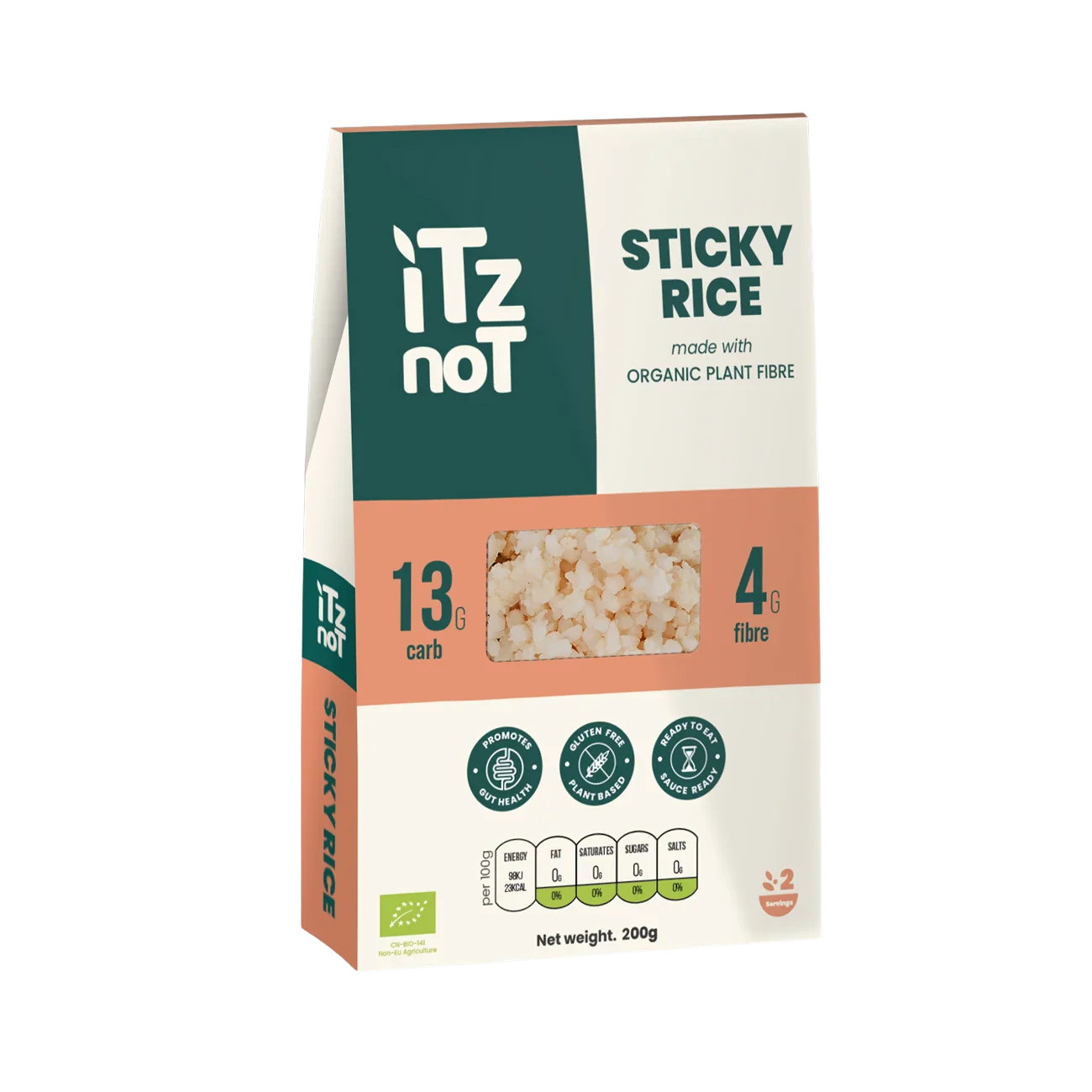
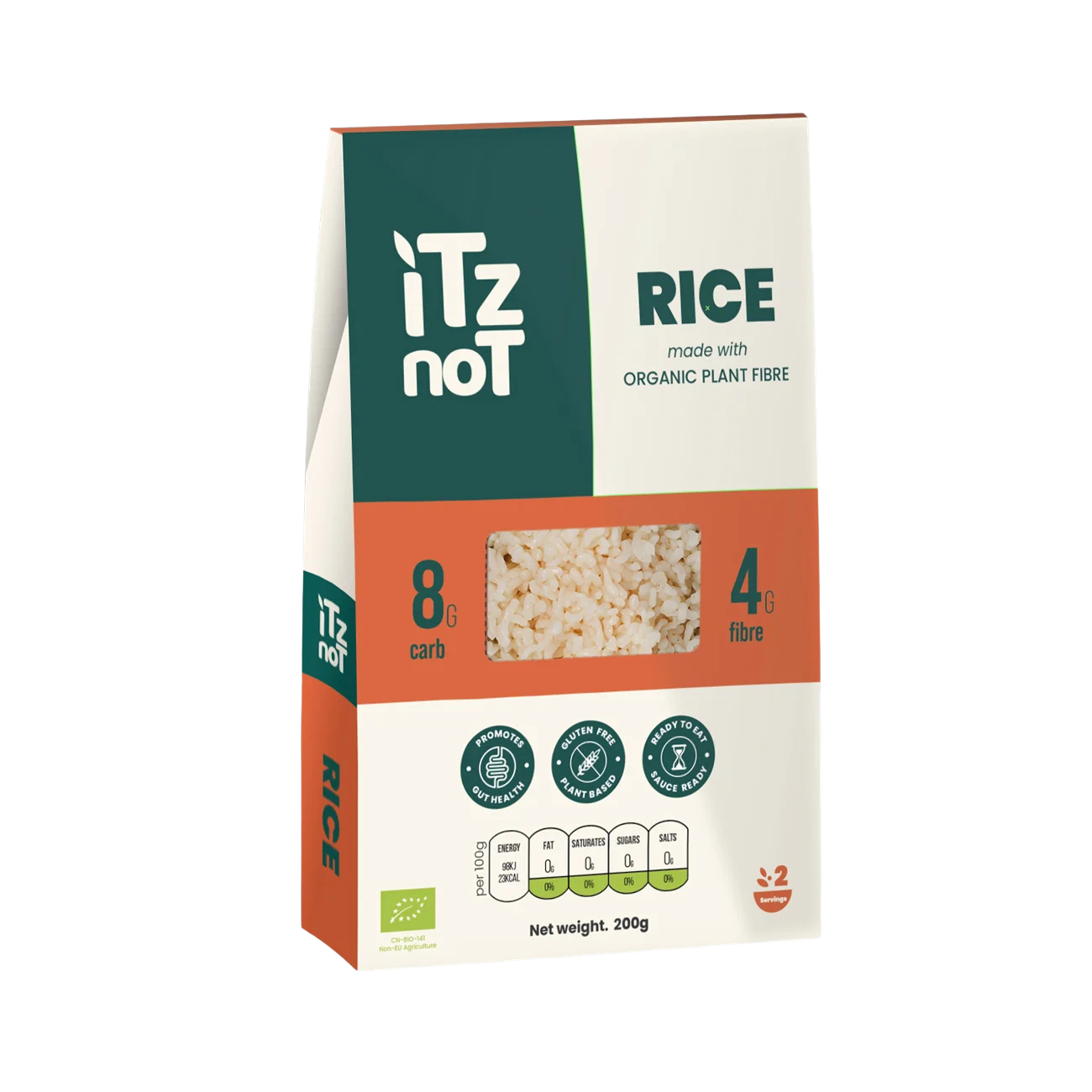
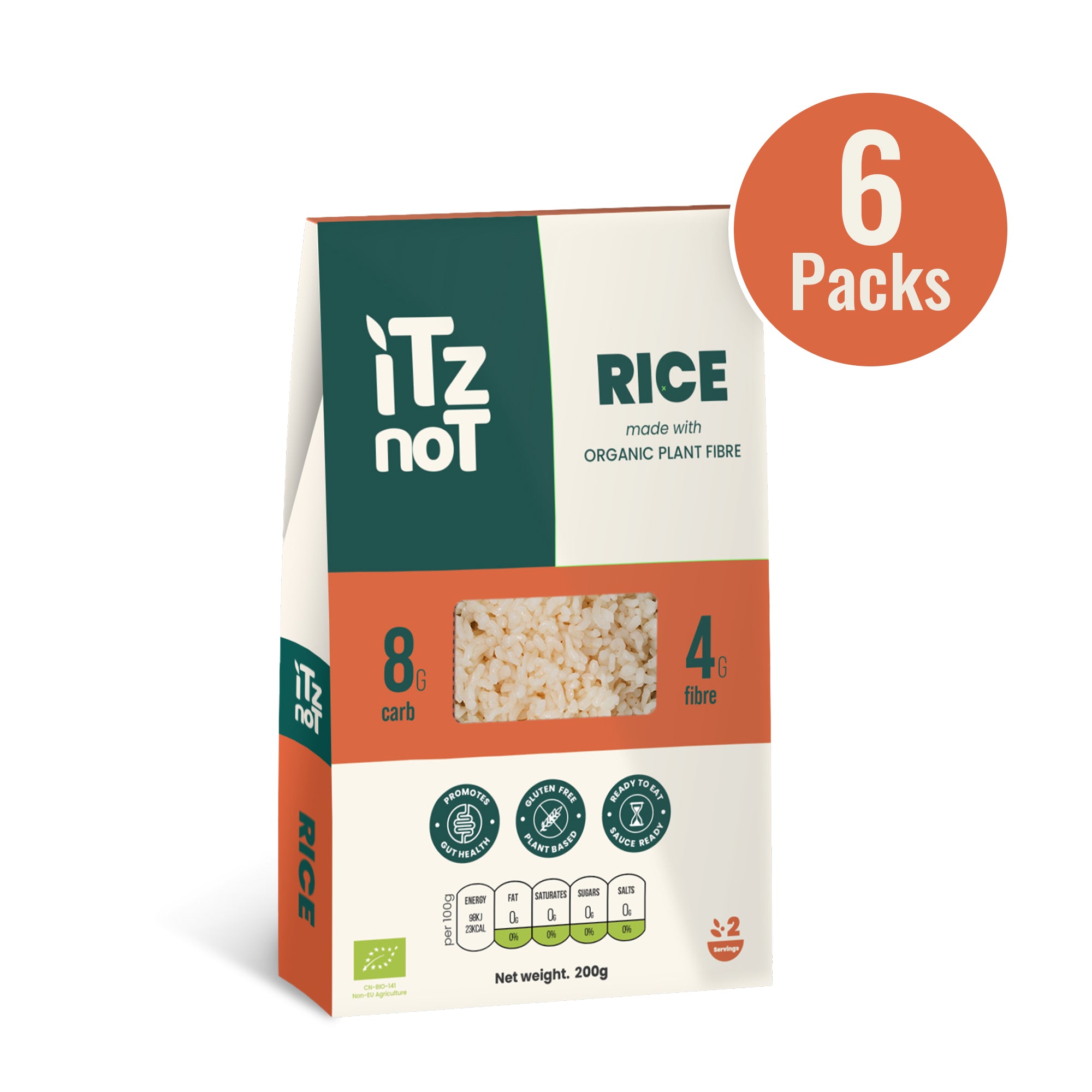
1. Replace White Rice with Konjac Rice
White rice is a common household staple, but it provides a substantial amount of carbohydrates in a meal. If you're looking for a lighter alternative to enjoy curries, stir-fries or grain bowls, konjac rice offers a practical solution.
Made from the konjac plant (Amorphophallus konjac), konjac rice is naturally very low in digestible carbohydrates and contains glucomannan, a soluble fibre supporting weight management when consumed as part of an energy-restricted diet. This swap works well for anyone building healthier low carb food swaps into everyday cooking.
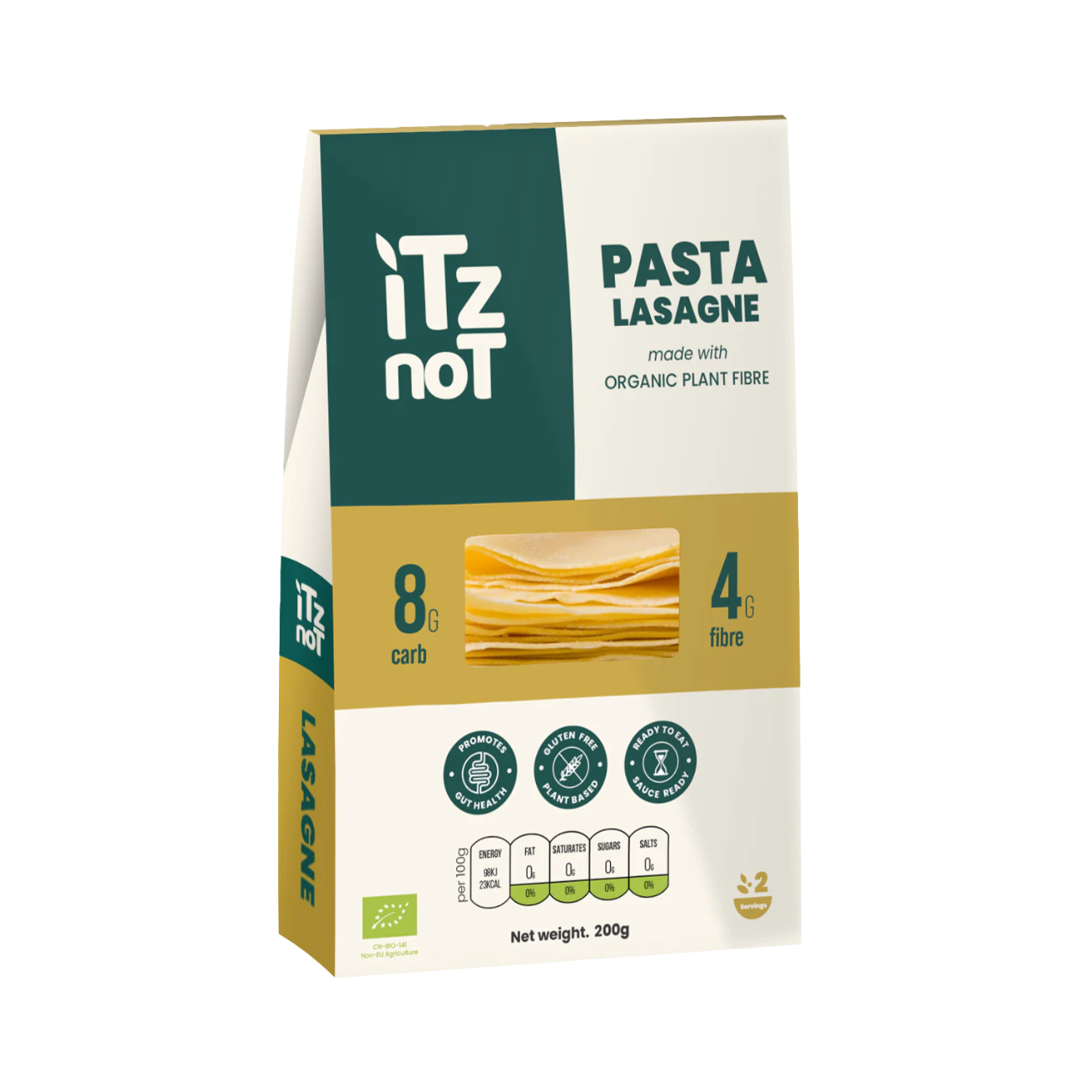
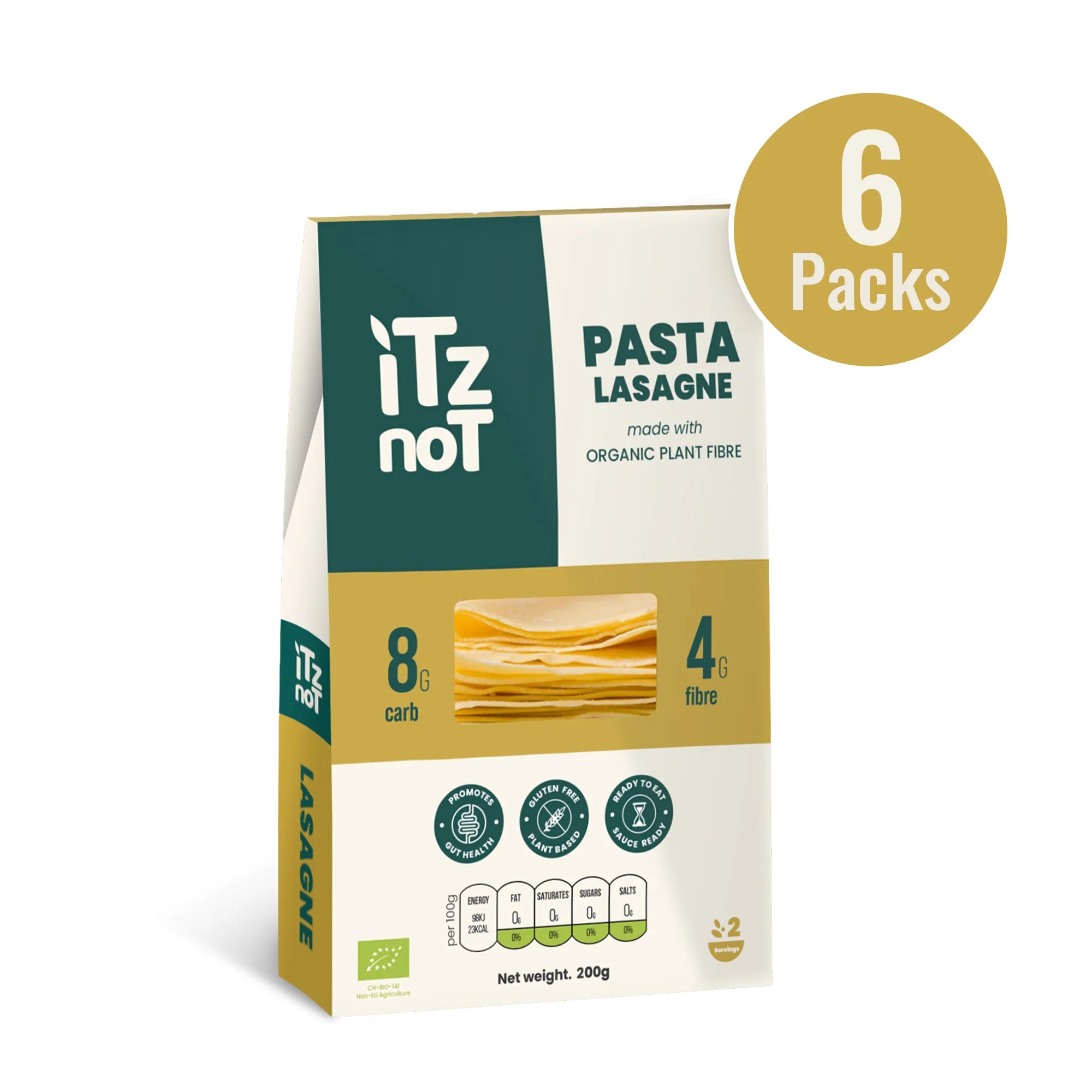
2. Swap Traditional Lasagne Sheets for Konjac Lasagne
Comfort food doesn't need to disappear from your menu. Traditional lasagne can still be enjoyed by replacing wheat pasta sheets with konjac alternatives, allowing the rich flavours of tomato, herbs and slow-cooked meat or vegetables to remain the star of the dish. Pasta lasagne is one of the easiest low carb diet dinner ideas for people who enjoy classic family recipes but want to reduce refined carbohydrates with a maximum level of satisfaction.
3. Choose Balanced Ready Meals Instead of Highly Processed Convenience Foods
Busy schedules often lead to meals that are convenient but heavily based on refined carbohydrates. A better option is choosing prepared meals that prioritise vegetables, protein, and balanced nutrition. Premium ready-to-eat meals can be helpful for busy professionals seeking realistic low carb diet meal ideas without relying on takeaway food.
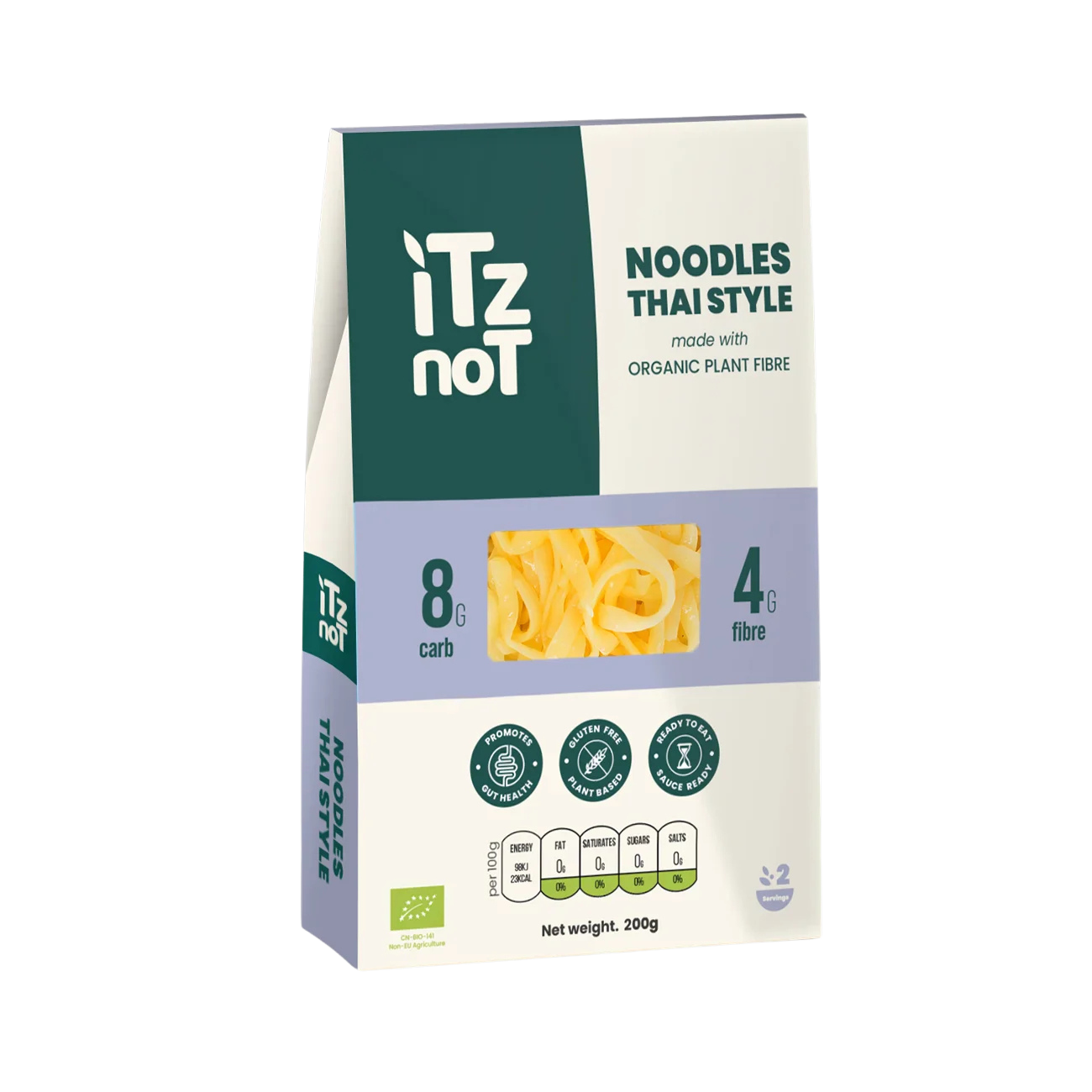
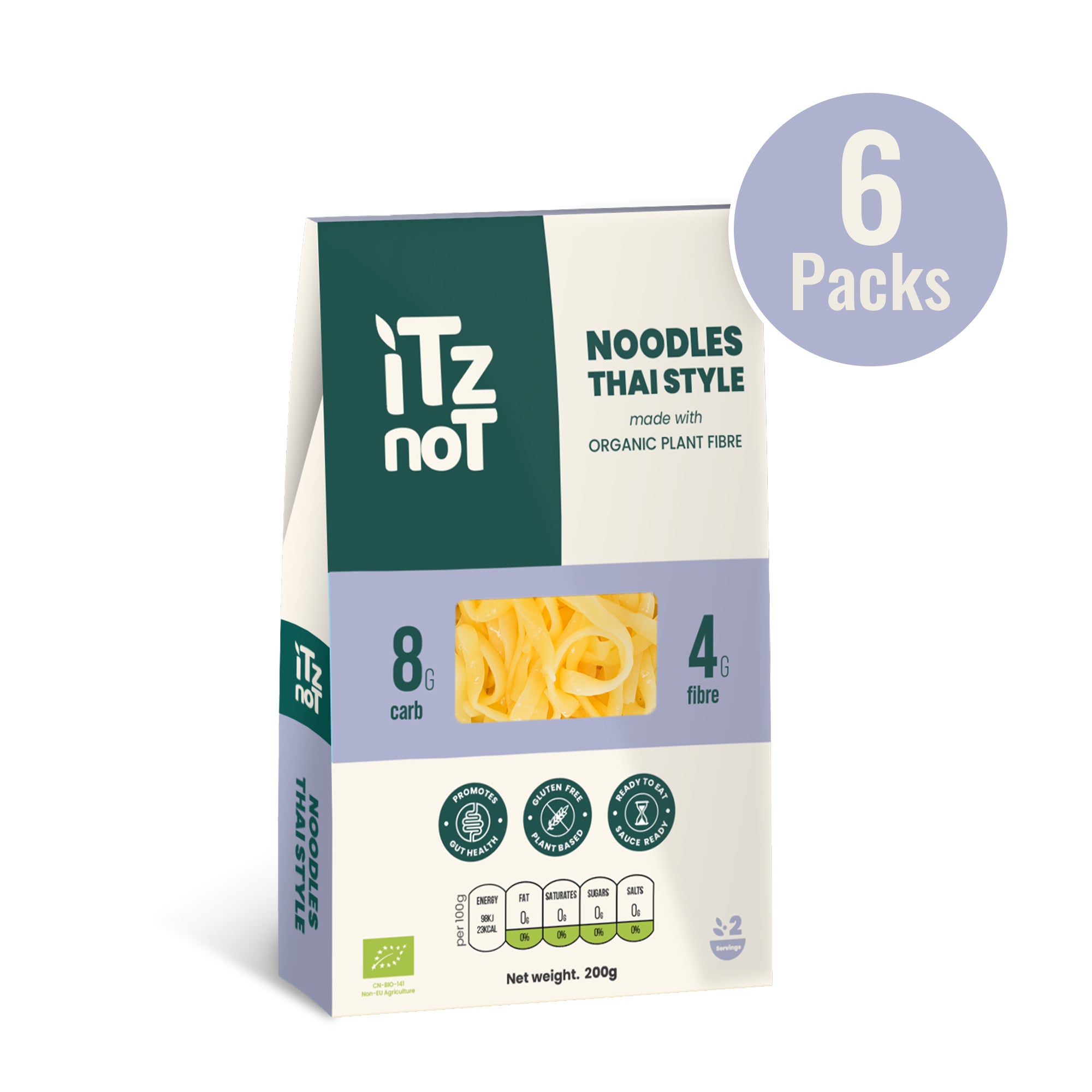
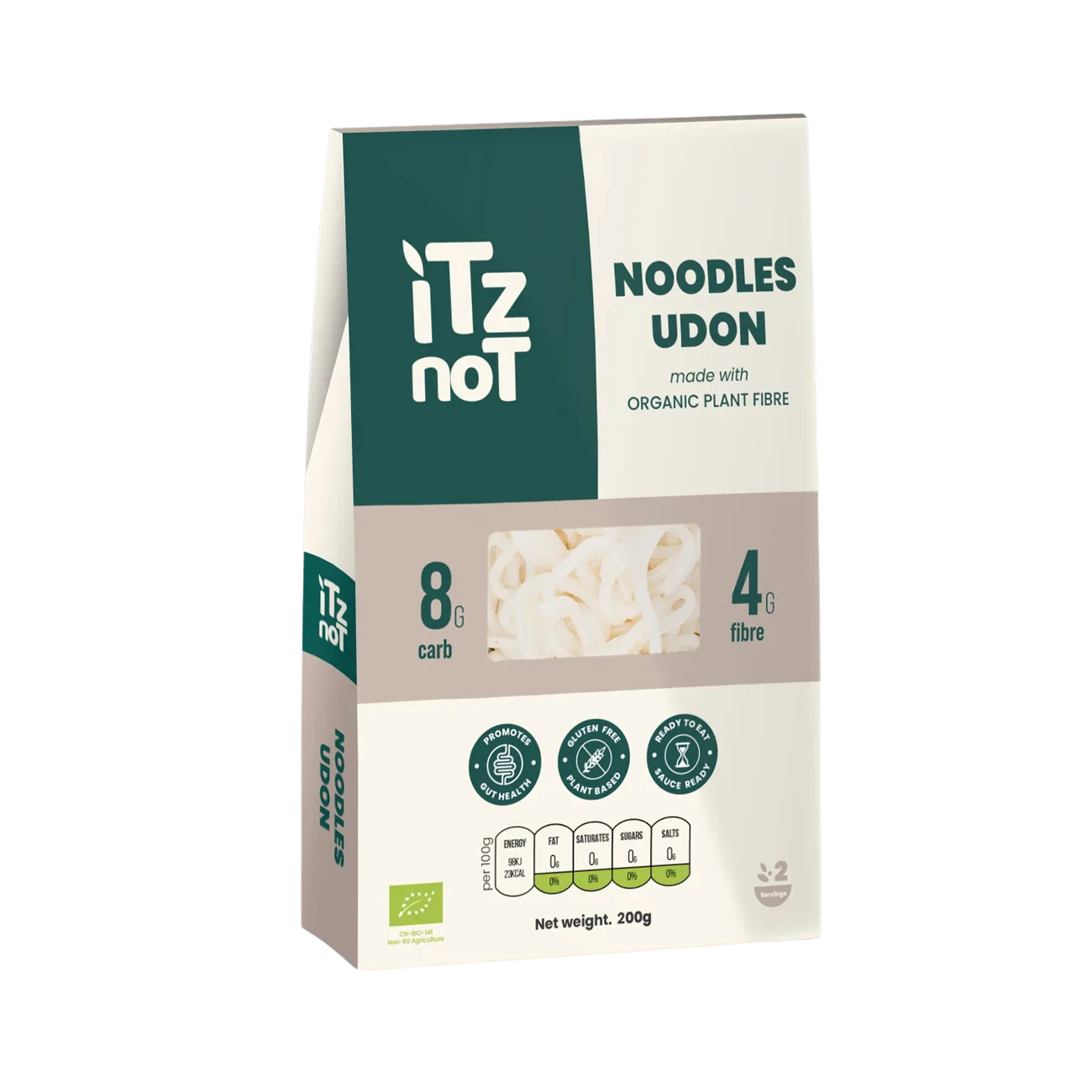
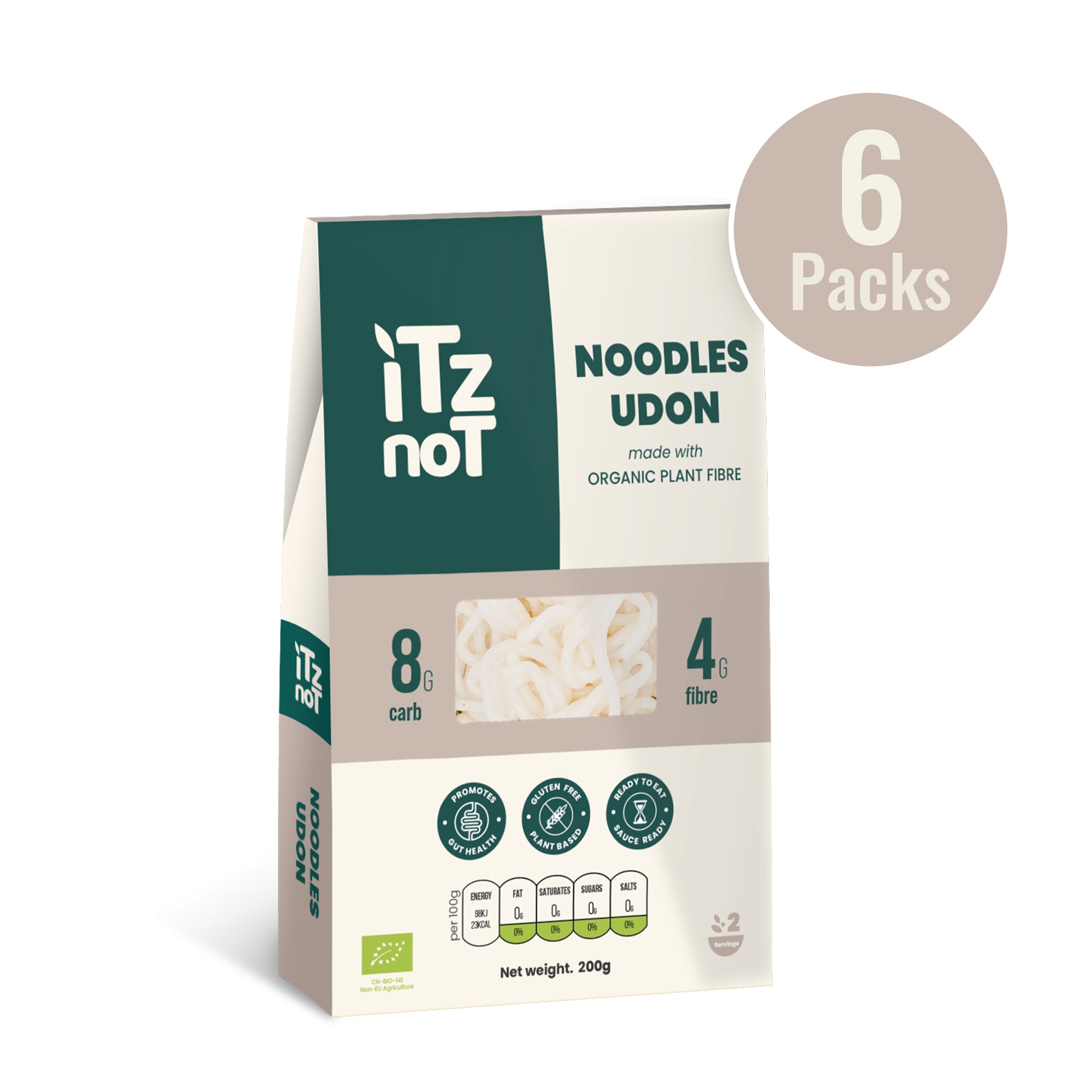
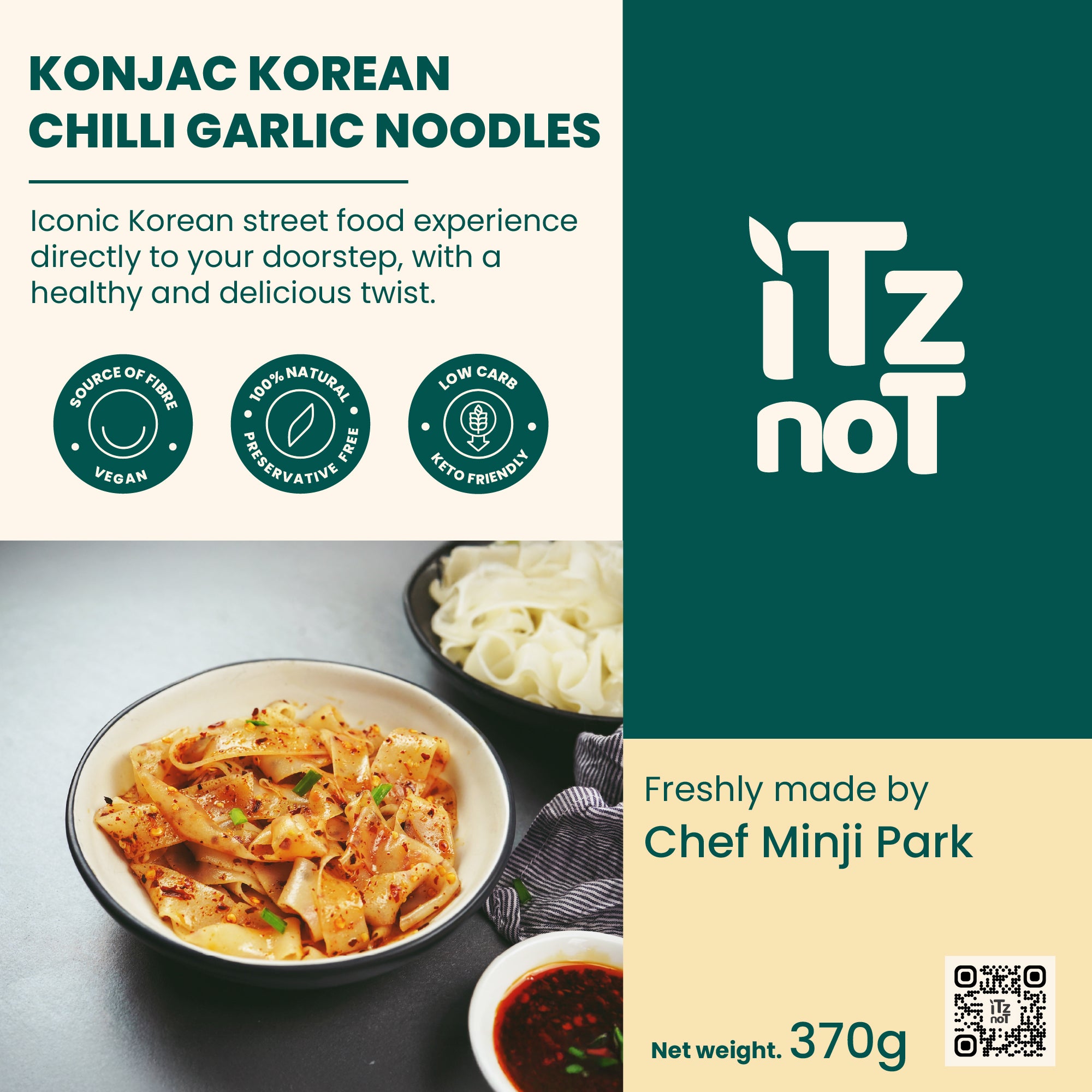
4. Replace Traditional Instant Noodles with Konjac Noodles
Instant noodles are quick, but they're often made from refined wheat flour and may be high in sodium depending on the product.
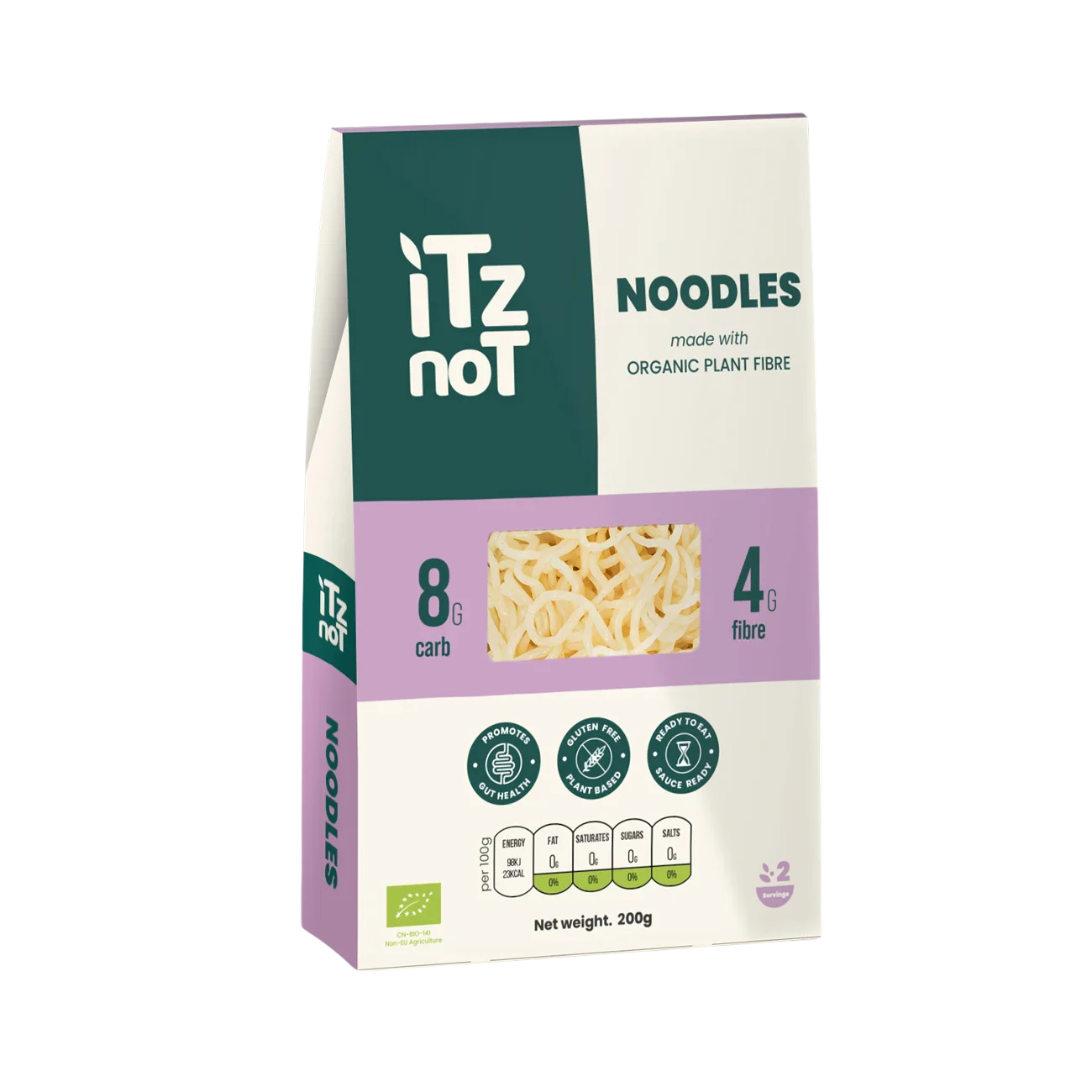
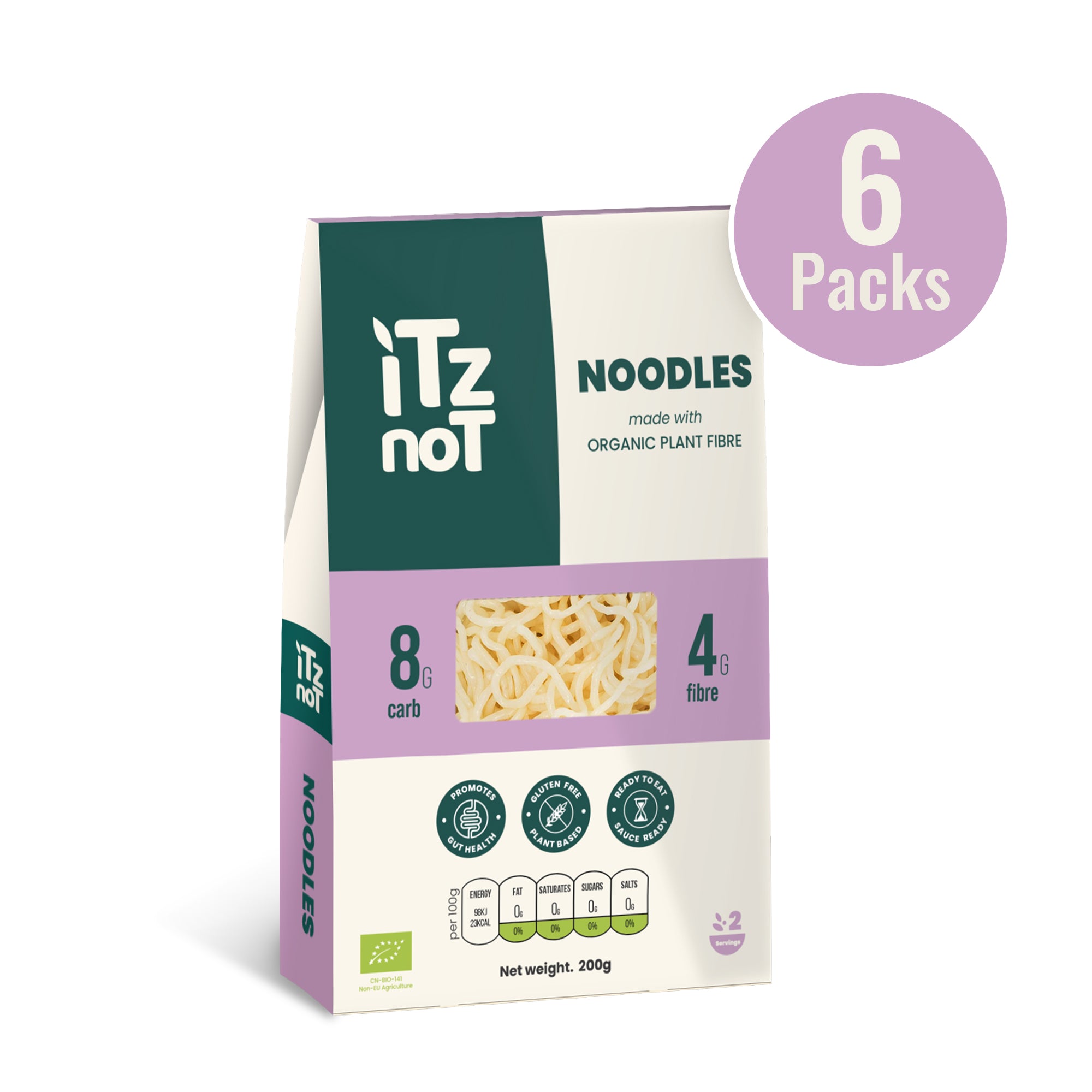
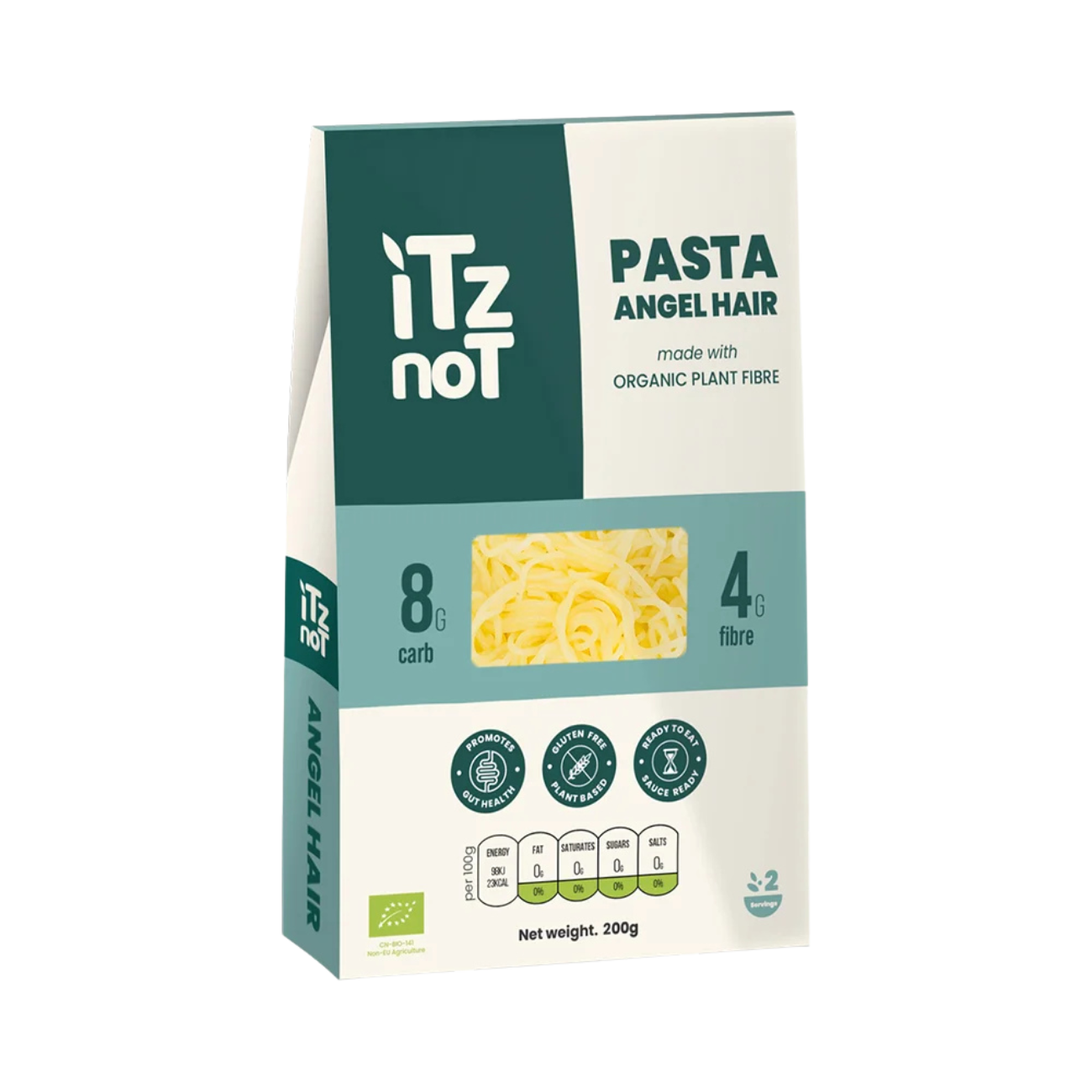
Konjac noodles provide an alternative way to enjoy noodle dishes with fewer digestible carbohydrates. They pair well with lean proteins, vegetables and flavourful broths for a satisfying low carb diet lunch. This is one of the easiest low carb diet foods to incorporate into a busy weekly meal plan because preparation requires very little time.
5. Swap High-Carb Takeaways for Flavourful Meals
Many takeaway meals combine refined carbohydrates with high levels of saturated fat and sodium. Preparing meals at home or choosing prepared alternatives offers greater control over ingredients with bold flavours.
Asian-inspired dishes built around vegetables, lean proteins and konjac noodles can satisfy cravings without relying on large portions of rice or wheat noodles. These options can provide fresh inspiration when searching for low carb diet recipes or new low carb diet dinner ideas.
6. Replace Crisps with Nutrient-Dense Snacks
Snacking doesn't have to derail healthy eating habits. Rather than choosing crisps or sugary snacks, consider foods that provide protein, healthy fats, or fibre.
Some low carb diet snacks include:
-
A handful of unsalted nuts
-
Cheese with cucumber slices
-
Greek yoghurt with seeds
-
Boiled eggs
-
Celery or peppers with hummus
These choices can help you feeling fuller for longer to contribute valuable nutrients to your diet.
7. Swap Sugary Breakfast Cereals for Protein-Rich Breakfasts
Breakfast may often contain more sugar than many people realise, particularly when cereals, pastries or sweetened granola are involved. Building your low carb diet breakfast around protein and healthy fats to improve satiety throughout the morning. A balanced breakfast sets the tone for the rest of the day and often reduces the temptation to snack before lunch.
Some low carb diet breakfast ideas include:
-
Scrambled eggs with spinach
-
Greek yoghurt with berries and chopped nuts
-
Cottage cheese with tomatoes
-
Smoked salmon and avocado
-
Chia seed pudding made without added sugar
Can a Low Carb Diet Have Side Effects?
Like many dietary changes, transitioning to a lower-carbohydrate eating pattern may result in temporary adjustments for some people.
Possible low carb diet side effects can include headaches, tiredness or constipation, particularly during the first few days if carbohydrate intake changes suddenly. Staying well hydrated, including enough fibre and ensuring meals remain nutritionally balanced can help minimise these effects.
A lower-carb diet should still provide sufficient vitamins, minerals and fibre through vegetables, nuts, seeds and other nutrient-rich foods.
If symptoms persist or you have an underlying medical condition, it's important to seek advice from a registered healthcare professional.
Making a Difference: Start with Small Swaps
Healthy eating doesn't need to be built around strict rules or dramatic changes. In many cases, the most sustainable improvements come from consistently choosing slightly better options.
Replacing refined carbohydrates with thoughtfully selected alternatives allows you to enjoy familiar meals to support a balanced low carb lifestyle. Whether it's choosing konjac rice instead of white rice, enjoying a protein-rich breakfast or selecting convenient lower-carb meals during a busy week, each decision contributes to long-term habits.
The goal is creating an enjoyable way of eating that fits naturally into everyday life and prioritising quality ingredients, flavour and overall wellbeing.
Frequently Asked Questions About Low Carb Food Swaps
1. Is there a difference between low carb and keto?
Yes. Although both eating patterns reduce carbohydrate intake, they are not the same. A low carb diet generally allows a moderate amount of carbohydrates and offers flexibility in food choices. A ketogenic (keto) diet is much more restrictive, limiting carbohydrate intake to around 20–50 grams per day to encourage the body to produce ketones as an alternative fuel source.
2. Do all carbohydrates need to be avoided on a low carb diet?
No. A balanced low carb diet focuses on reducing refined carbohydrates rather than eliminating every source of carbohydrate. Many nutrient-rich foods, including vegetables, berries, nuts and some dairy products contain carbohydrates while also providing fibre, vitamins and minerals.
3. Can meal planning make a low carb lifestyle easier?
Yes. Planning meals in advance can make it easier to maintain a balanced eating routine, particularly during busy working weeks. Preparing ingredients ahead of time or choosing nutritionally balanced ready meals can reduce the temptation to rely on highly processed convenience foods and support more consistent food choices.
Disclaimer: The information provided in this article is for educational and informational purposes only and should not be construed as medical advice. Transitioning to a lower-carbohydrate diet can cause temporary metabolic changes and may impact individuals differently. Always consult a qualified healthcare professional before making significant changes to your diet or lifestyle.

Related post
09
Jul
RECENT POSTS