














The Role of Natural Foods in Supporting Everyday Wellness
The Role of Natural Foods in Supporting Everyday Wellness
The conversation around wellness often focuses on dramatic transformations, strict eating plans, or the latest dietary trends. Yet, when nutrition experts and public health organisations discuss long-term wellbeing, the message usually focuses on consistent and balanced choices rather than perfection.
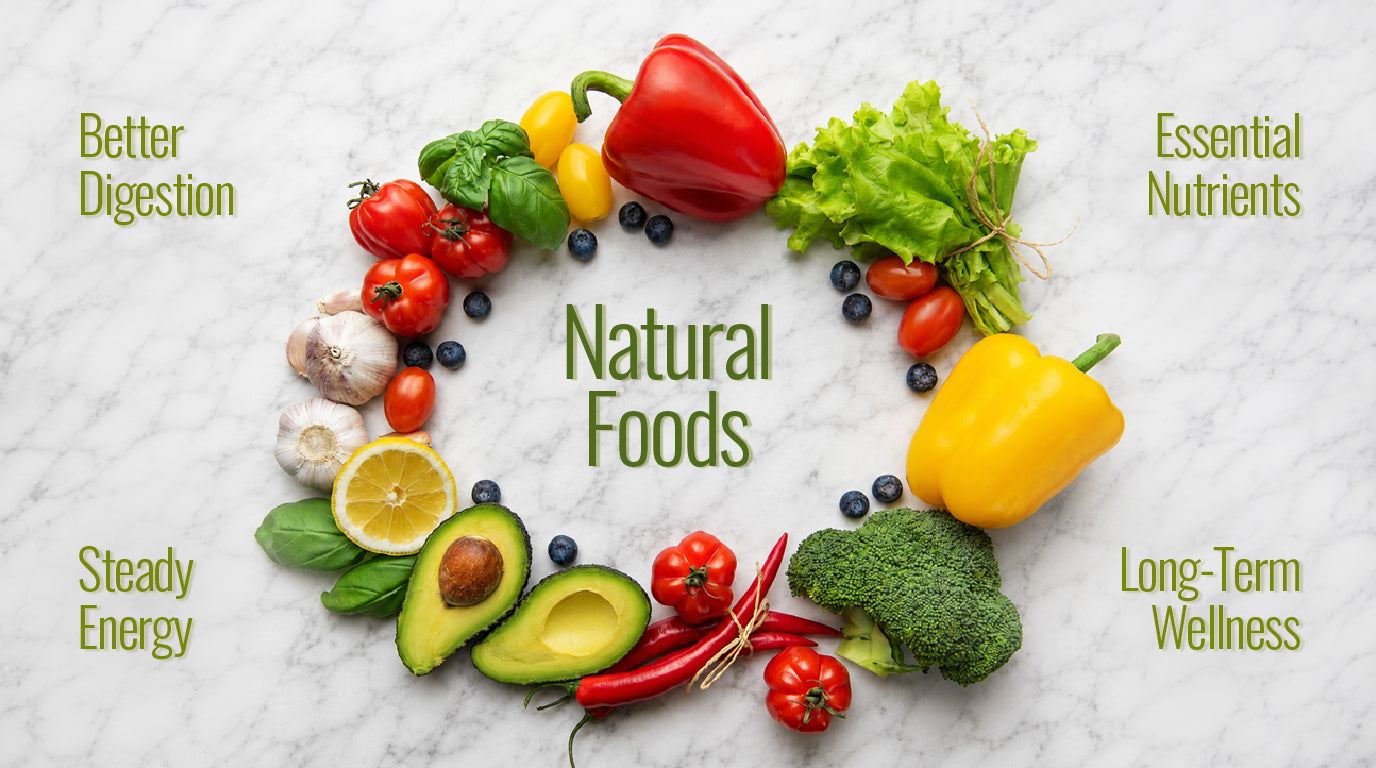
Natural foods play an important role in this approach. They provide essential nutrients, fiber, healthy fats, vitamins, and minerals that support normal bodily functions, energy production, digestion, and overall health and wellness.
A healthy diet should include a variety of fruits, vegetables, legumes, whole grains, and other nutrient-dense foods that help to reduce the risk of non-communicable diseases and nutritional deficiencies. Healthy eating is not about following rigid rules; it is about building everyday habits that feel realistic, enjoyable, and sustainable. Natural foods offer a practical foundation for doing exactly that.
What Are Natural Foods and Why Do They Matter?
Natural foods are generally understood as those that remain close to their original form and undergo minimal processing. Fresh vegetables, fruits, legumes, whole grains, nuts, seeds, and minimally processed ingredients all fall within this category.
This does not mean every processed food should be avoided. In reality, some processing improves food safety, shelf life, and convenience. The distinction lies in how heavily a product has been altered and whether it still delivers meaningful nutritional value.
Many highly processed foods contain large amounts of added sugars, refined starches, sodium, or saturated fats. While these foods can occasionally form part of a balanced diet, regularly relying on them may make it more difficult to achieve the recommended nutrient intake.
Natural foods tend to offer greater nutrient density, providing more beneficial nutrients relative to their calorie content. Fibre, antioxidants, vitamins, and minerals all contribute to supporting normal bodily processes and overall wellbeing.
How Natural Foods Support Everyday Health and Wellness
Food influences far more than hunger; it affects energy levels, digestive comfort, and how satisfied we feel throughout the day.
One of the most valuable components found in many natural foods is dietary fibre. Fibre supports digestive health, contributes to normal bowel function, and also helps to increase feelings of fullness after meals. Whole grains, vegetables, legumes, fruits, nuts, and seeds naturally provide fibre alongside a range of vitamins and minerals.
Natural foods can also support steadier energy levels. Meals built around complex carbohydrates, fibre, protein, and healthy fats are generally digested more gradually than heavily refined foods. This can help people to avoid the rapid energy fluctuations sometimes associated with highly processed snacks and sugary foods.
For individuals looking to diversify healthy meals, some choose alternatives made from fibre-rich ingredients. For instance, a healthy rice alternative can be seamlessly incorporated into grain bowls, vegetable-based dishes, or balanced meals without dramatically changing familiar recipes. This approach often makes healthy eating feel more accessible because favourite meals can remain part of everyday life.
The Importance of a Balanced Diet Rather Than Food Perfection
One of the most common misconceptions surrounding nutrition is the belief that a single food can transform health outcomes. In reality, no individual ingredient, superfood, or supplement can replace the benefits of an overall balanced diet. Different foods provide different nutrients, which is why diversity remains one of the most important principles of healthy eating.
A balanced diet includes:
- Vegetables and fruits
- Whole grains
- Sources of protein
- Healthy fats
- Adequate hydration
This flexible approach is often easier to maintain over time than highly restrictive eating patterns. Many nutrition professionals now encourage a mindset of consistency rather than perfection. A nutritious breakfast, a balanced lunch, and a wholesome evening meal repeated regularly will generally contribute more to long-term wellness than short periods of strict dietary control.
Practical Ways to Include More Natural Foods in Healthy Meals
Improving nutritional quality does not necessarily require a complete overhaul of your kitchen. Small adjustments often make the biggest difference because they are easier to sustain.
A practical starting point is breakfast. Adding fruit, nuts, seeds, or oats can increase fibre intake while supporting satiety. Lunches also benefit from including vegetables, legumes, and quality protein sources that provide both nutrition and satisfaction.
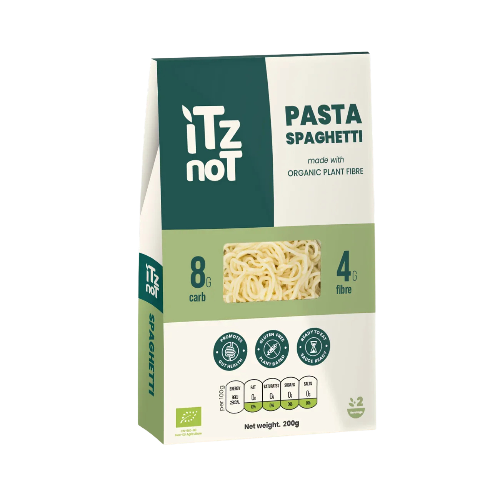
Evening meals present another excellent opportunity to build healthier habits. Many people focus on increasing vegetable variety and choosing ingredients that support balanced nutrition. For example, you can incorporate a low-carb noodle option into soups, stir-fries, or vegetable-rich dishes when seeking greater variety within your meal planning. These alternatives can complement the broader principles of healthy food choices.
Meal preparation also plays an important role. Keeping nutritious ingredients readily available often makes healthy eating more achievable during busy working weeks.
Why Quality Matters When Choosing Natural Foods
Not every product marketed as “healthy” automatically delivers meaningful nutritional value. A shorter ingredient list is not necessarily better; however, ingredient transparency can help consumers better understand what they are eating.
Looking at fibre content, added sugars, sodium levels, and overall nutritional balance provides a far more reliable assessment than marketing claims alone. For those with specific dietary preferences, choosing products such as a gluten-free noodle alternative can be a great way to maintain variety while sticking to nutritional goals.
Ultimately, value comes not from any single product itself, but from how it fits into an overall balanced eating pattern. A thoughtful approach to healthy food involves looking beyond trends and considering nutritional contribution, ingredient quality, and long-term suitability.
Supporting Everyday Wellness Through Sustainable Food Habits
Wellness is often portrayed as something complex. In practice, it is usually built through everyday decisions repeated consistently over time. Nutrition is one part of a broader picture that also includes sleep, movement, stress management, hydration, and social wellbeing.
Natural foods contribute to this foundation because they provide the nutrients the body requires to function effectively. The sustainable healthy eating becomes easier when meals remain satisfying. This is one reason fibre-rich foods, vegetables, legumes, whole grains, and thoughtfully selected alternatives continue to attract attention among health-conscious consumers.
Ultimately, wellness is rarely achieved through extremes. It develops through practical habits that support energy, enjoyment, and consistency.
Conclusion
Natural foods remain one of the most reliable foundations of long-term health and wellness. They provide essential nutrients, support healthy eating habits, and help create a balanced diet that feels sustainable rather than restrictive.
Building healthy meals around nutrient-dense ingredients, prioritising variety, and making thoughtful food choices over time often delivers the greatest benefits.
Rather than chasing perfection, focusing on consistency allows healthy food choices to become part of everyday life. That balance is what supports lasting wellbeing, steady energy, and a more enjoyable experience with food.

Related post
RECENT POSTS