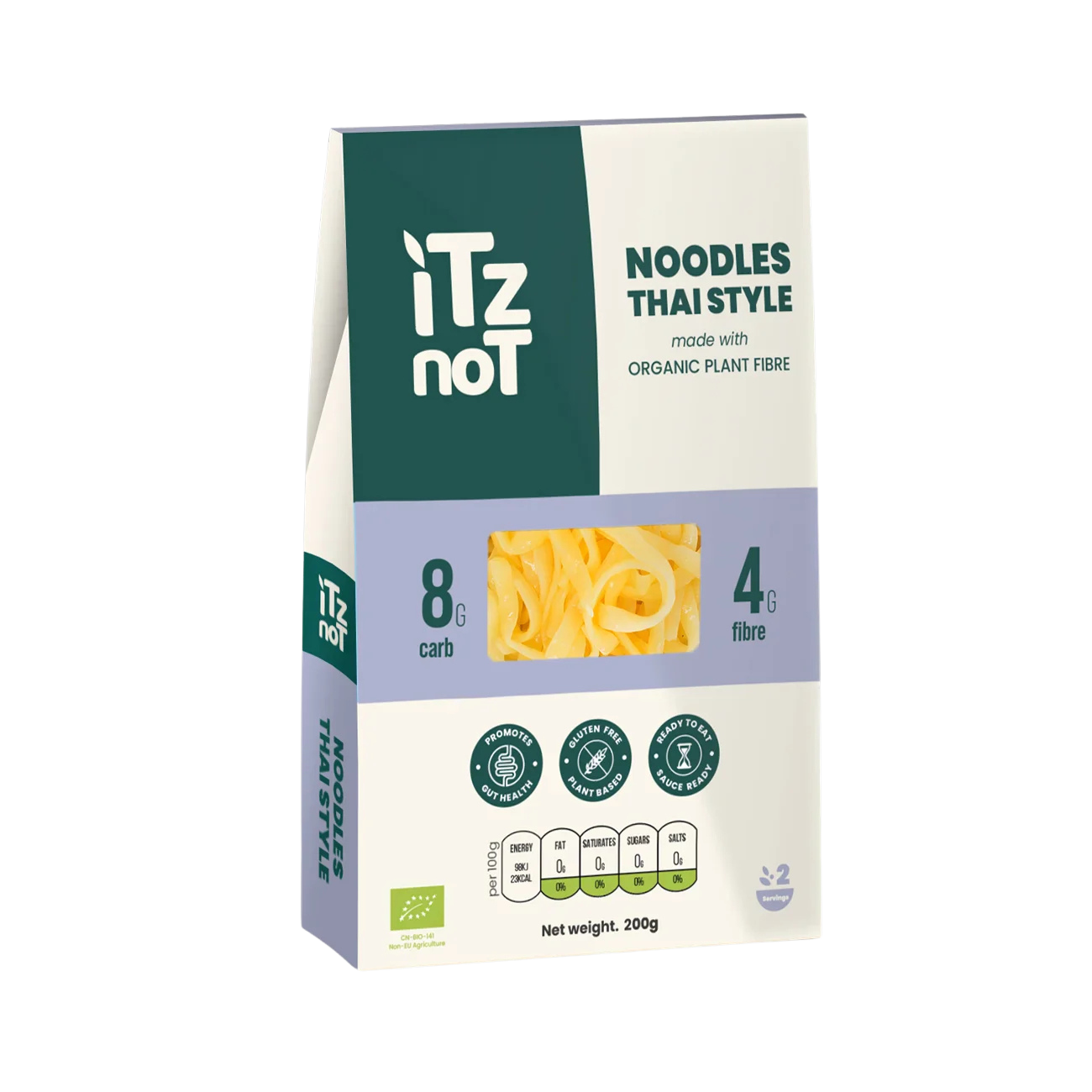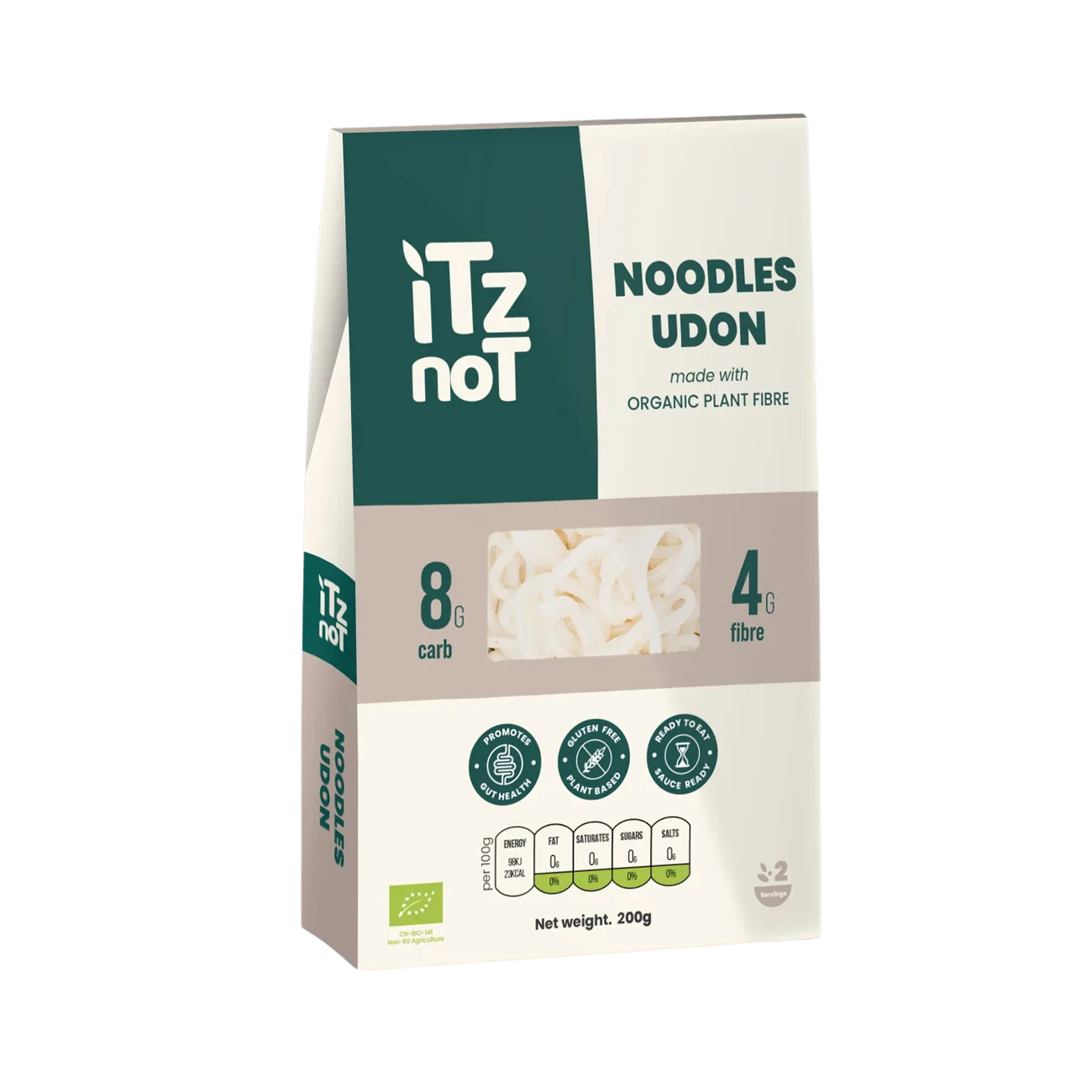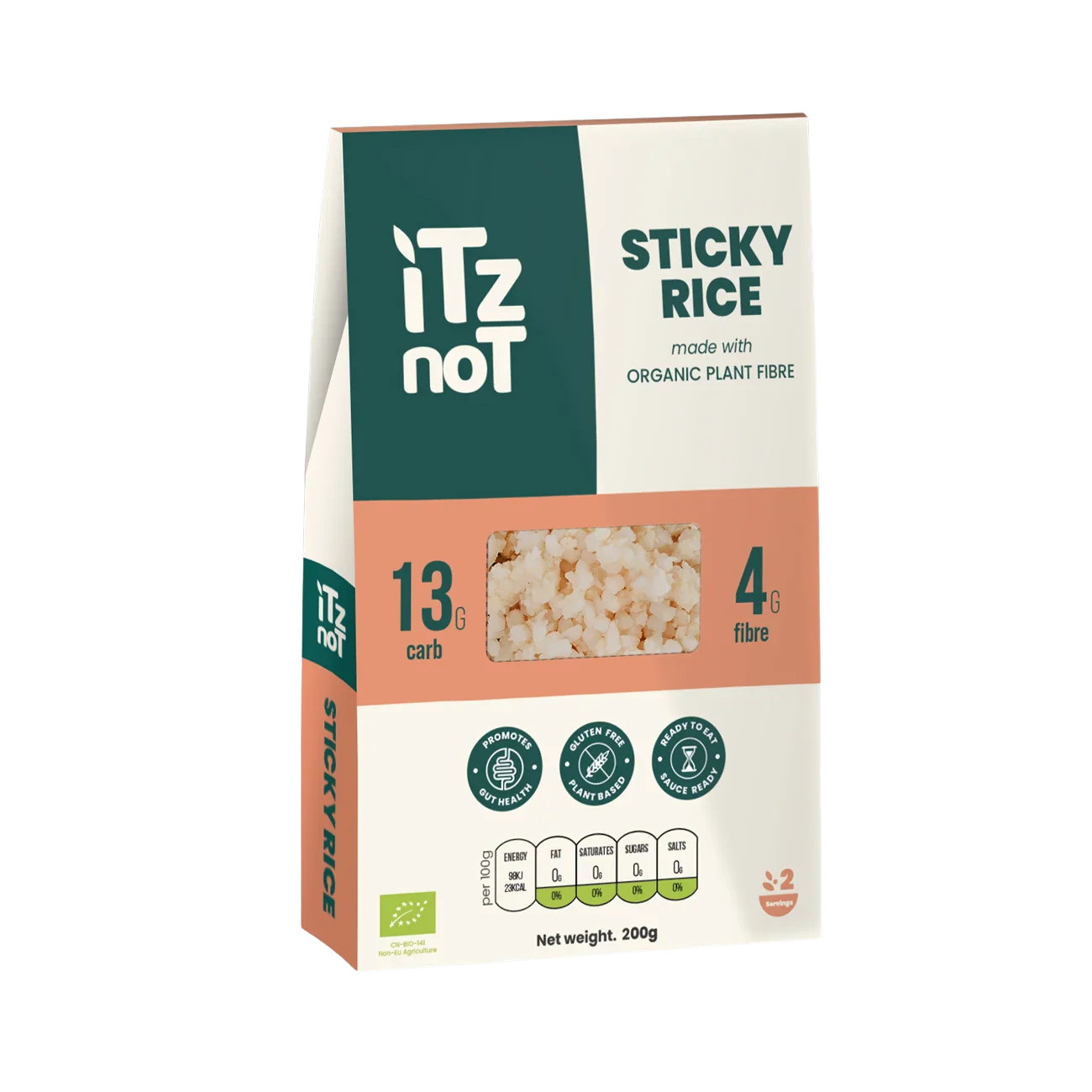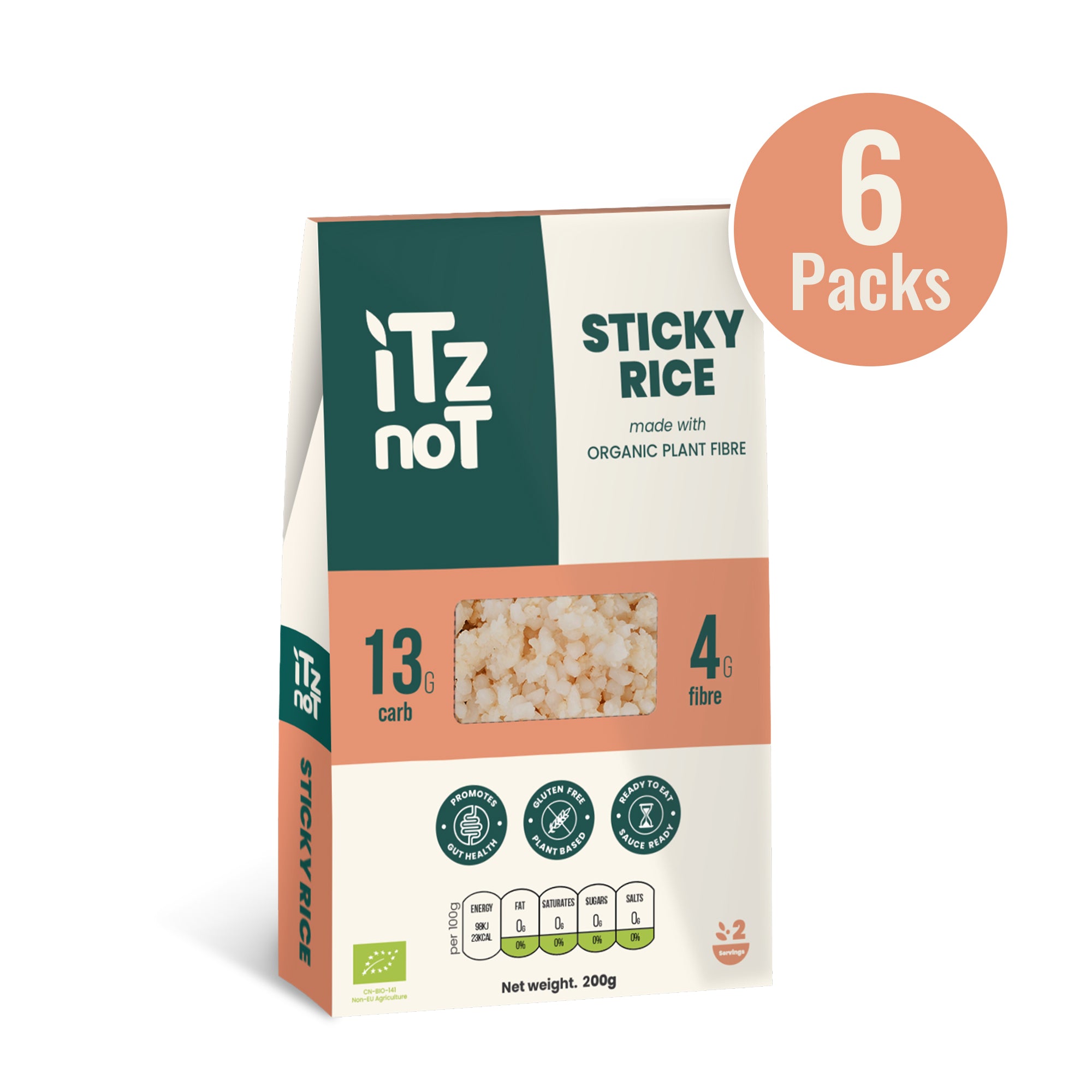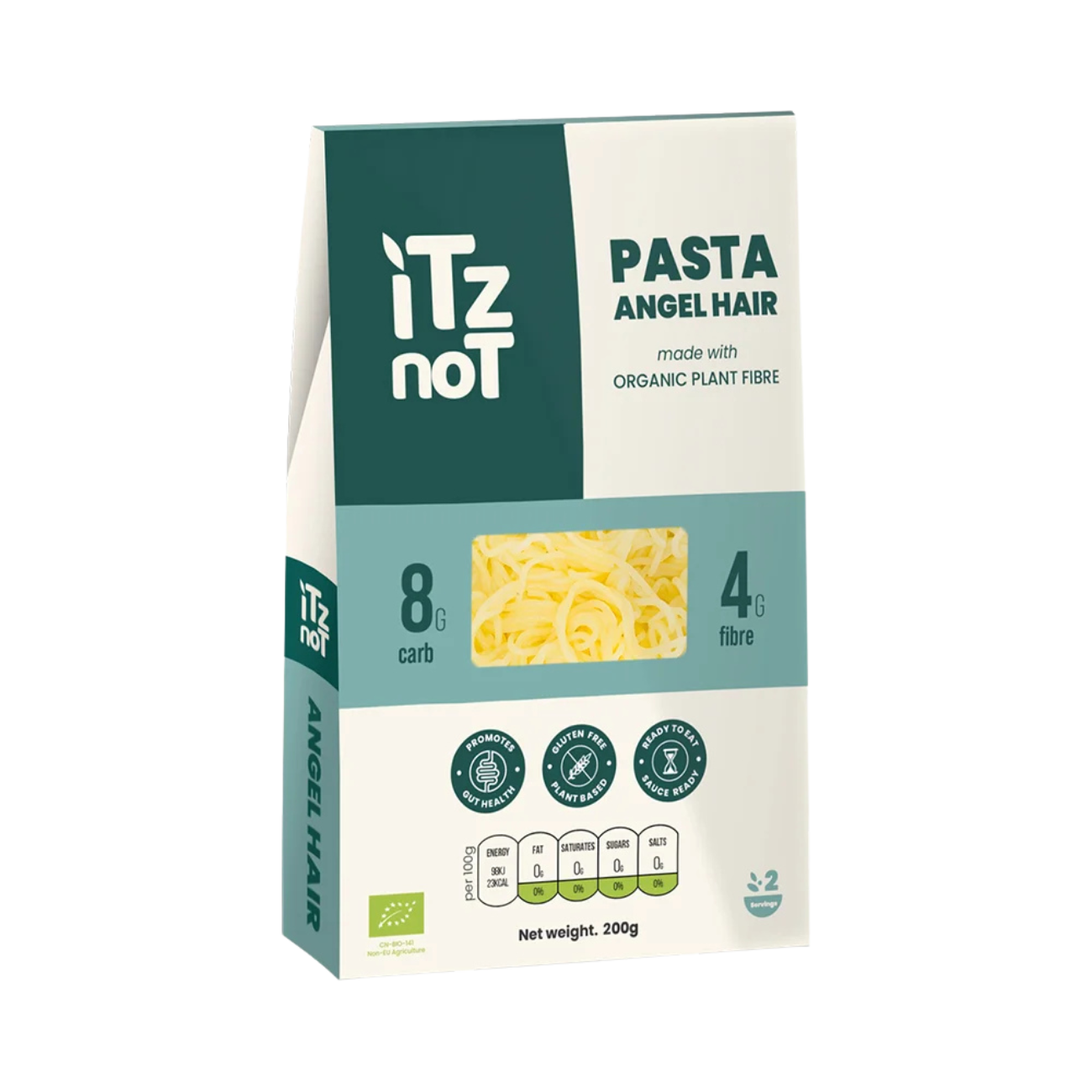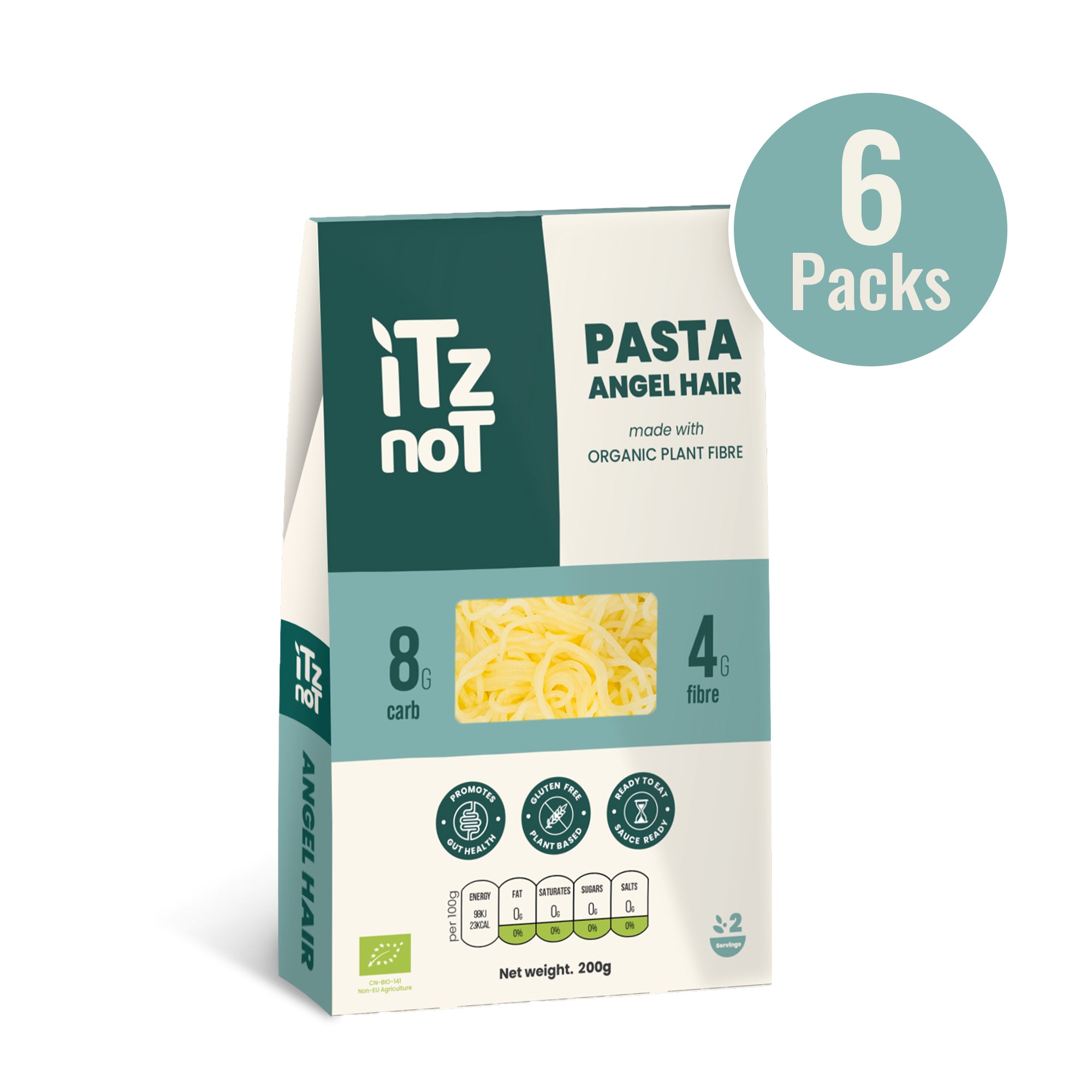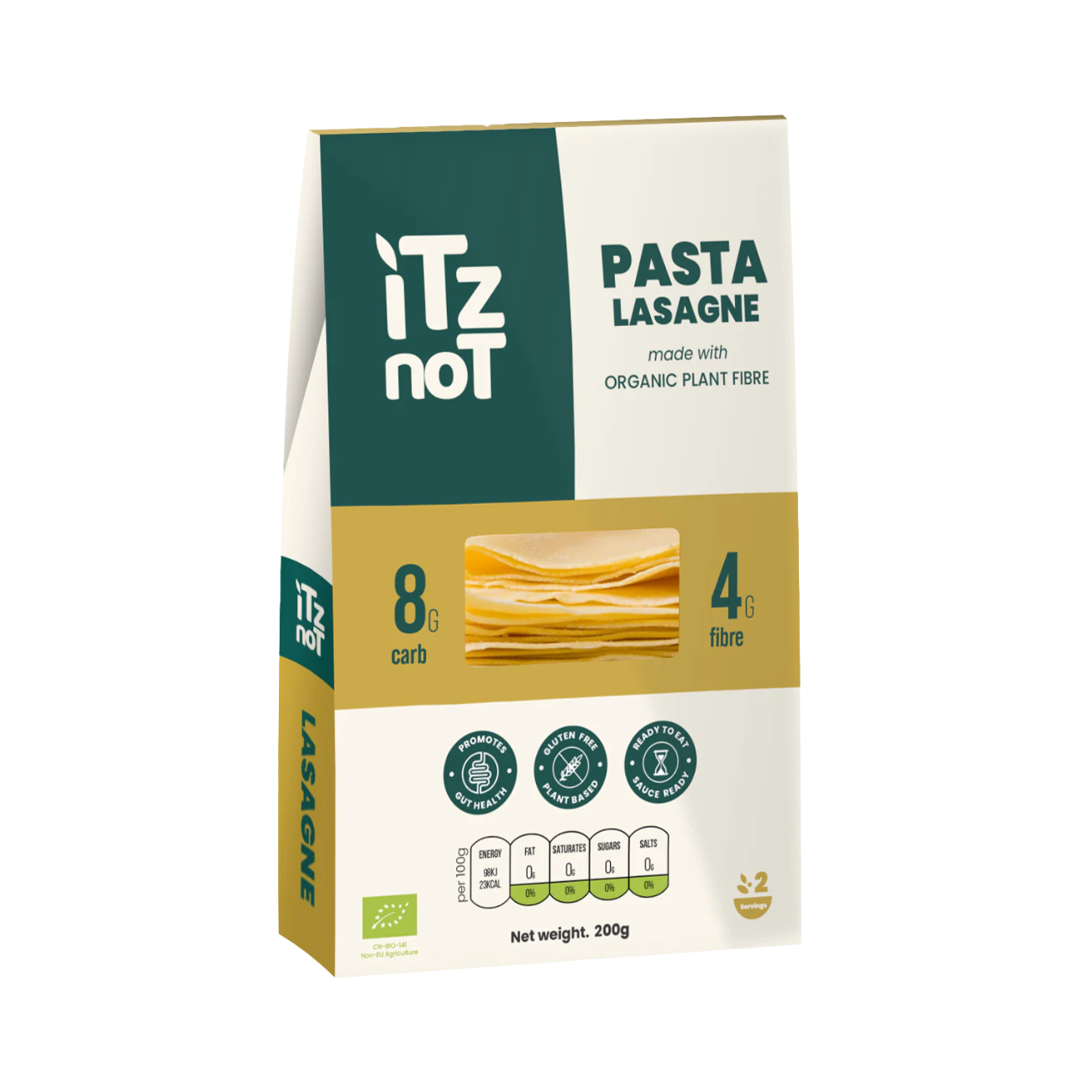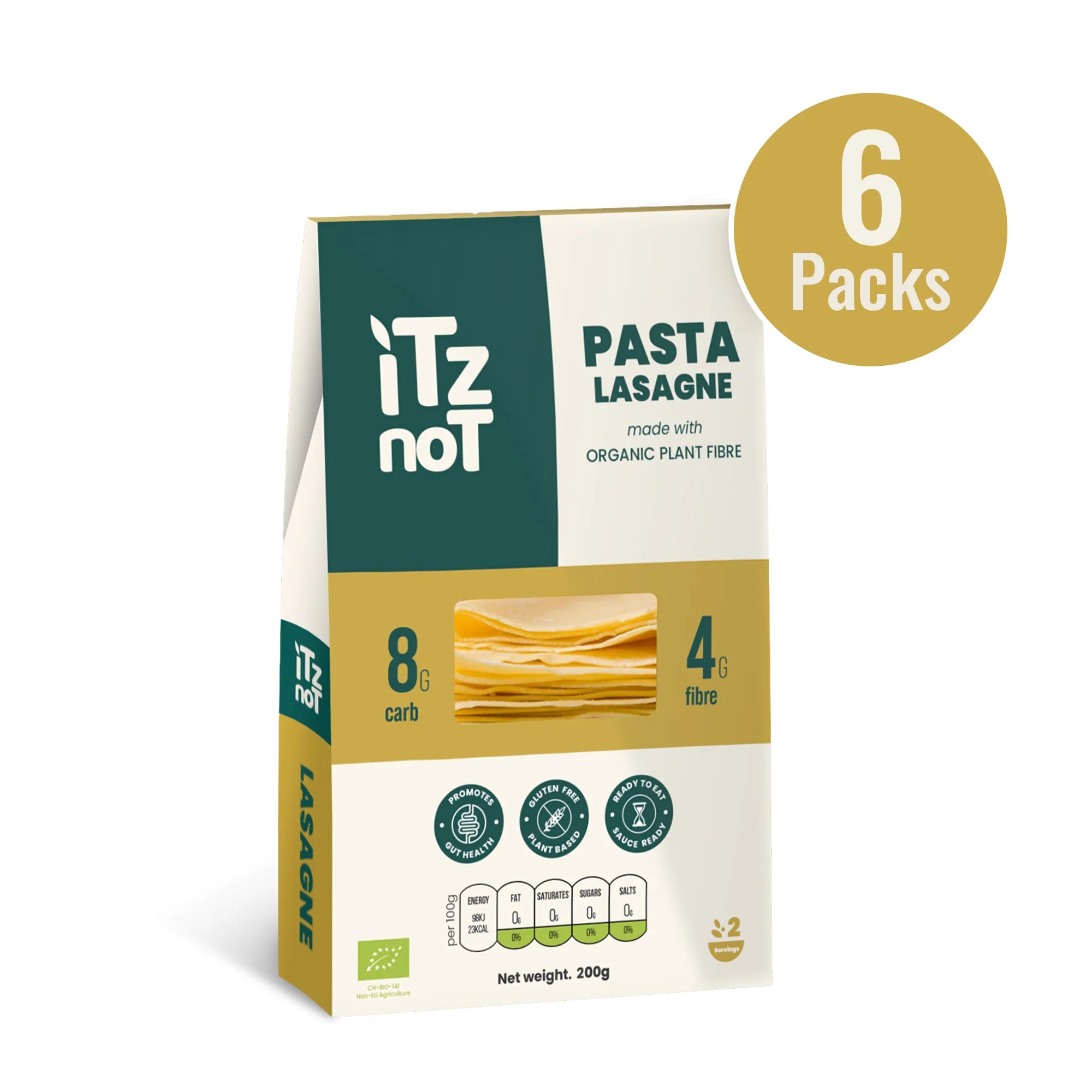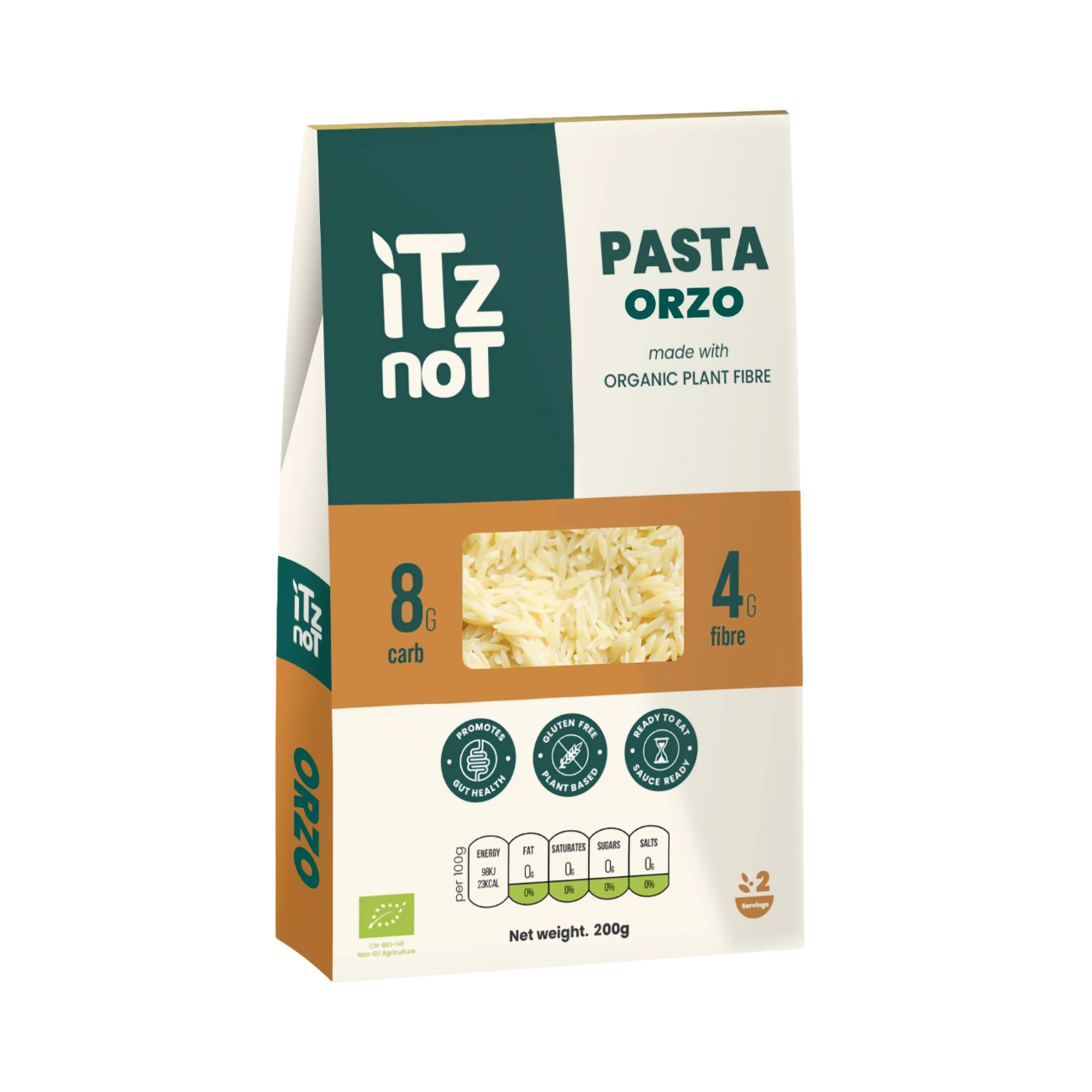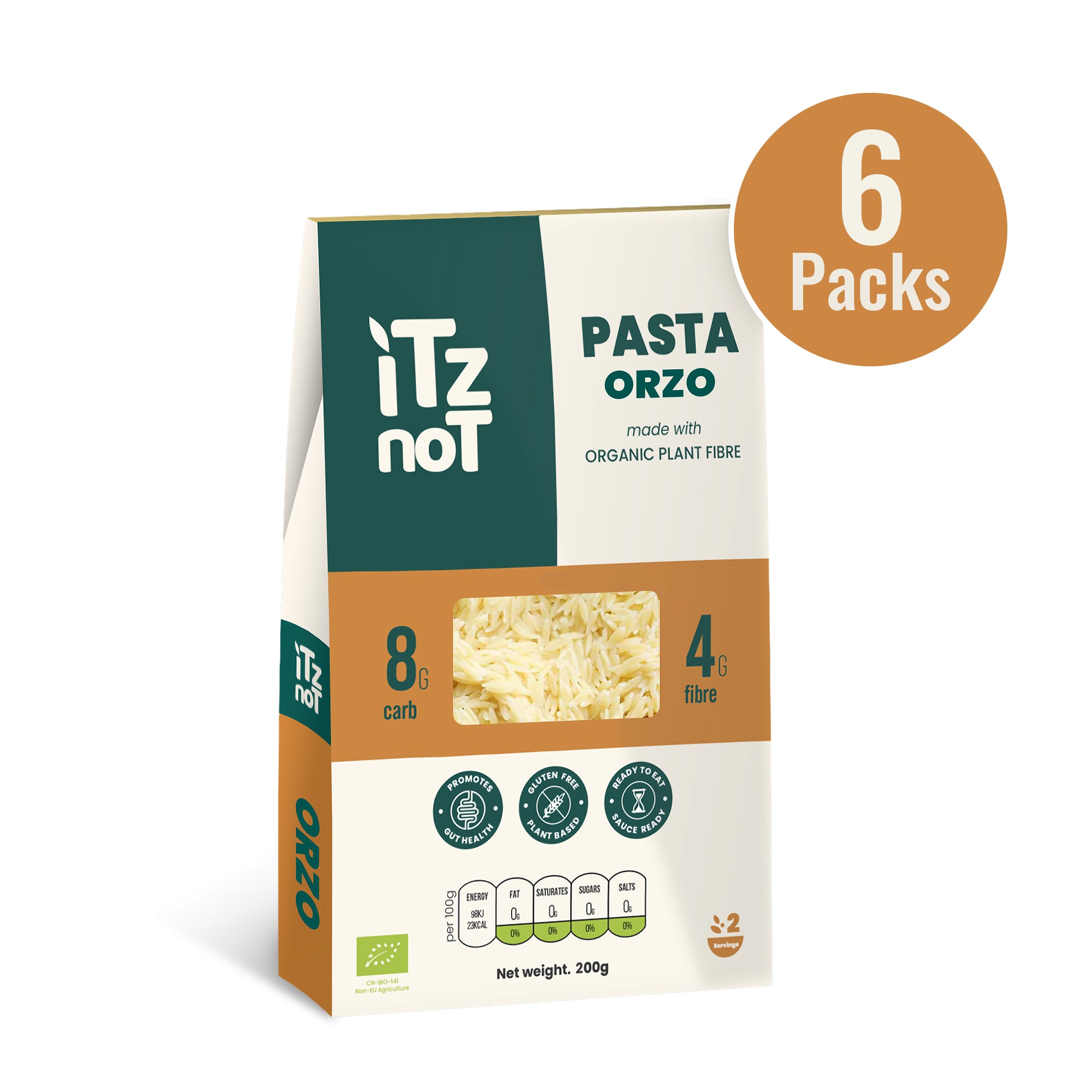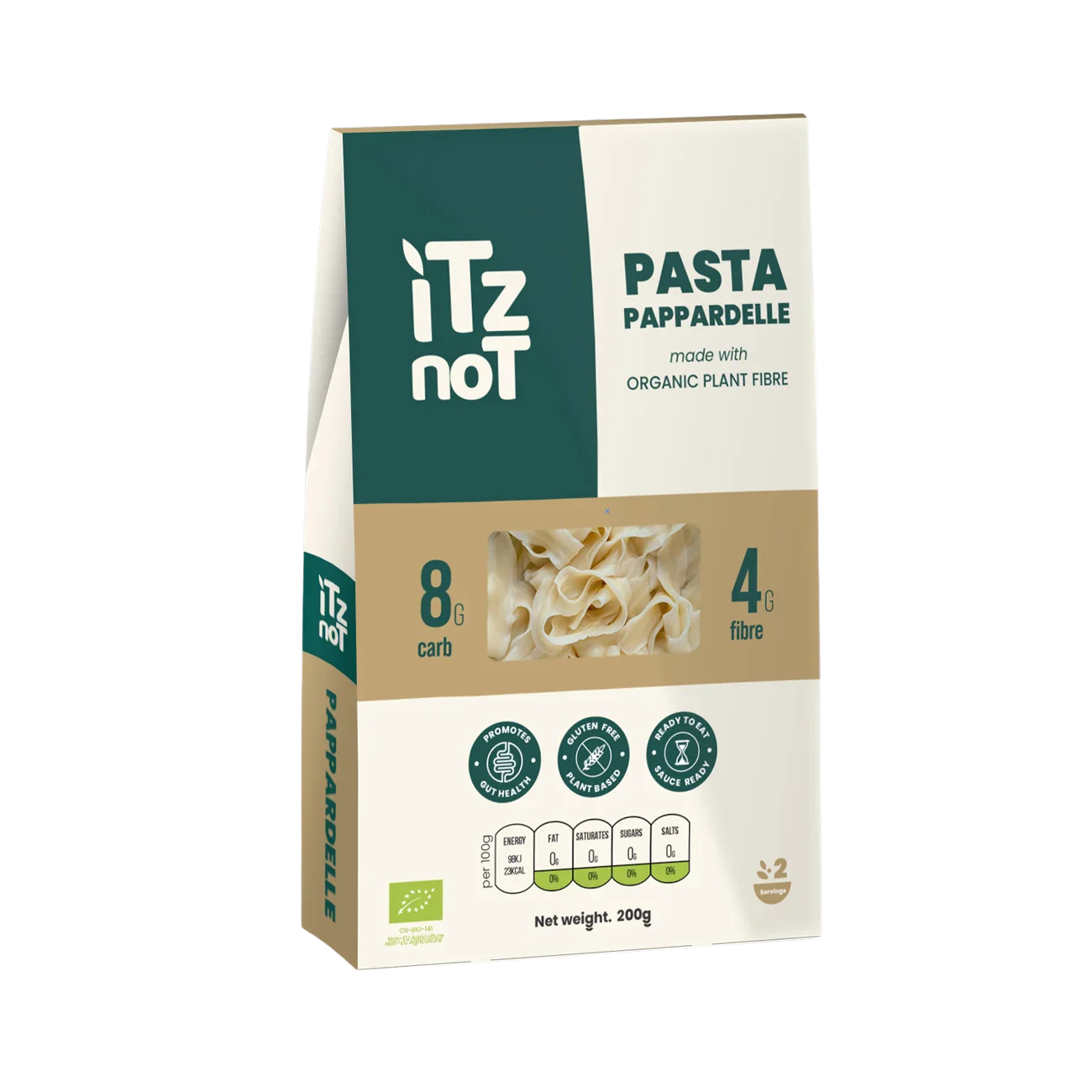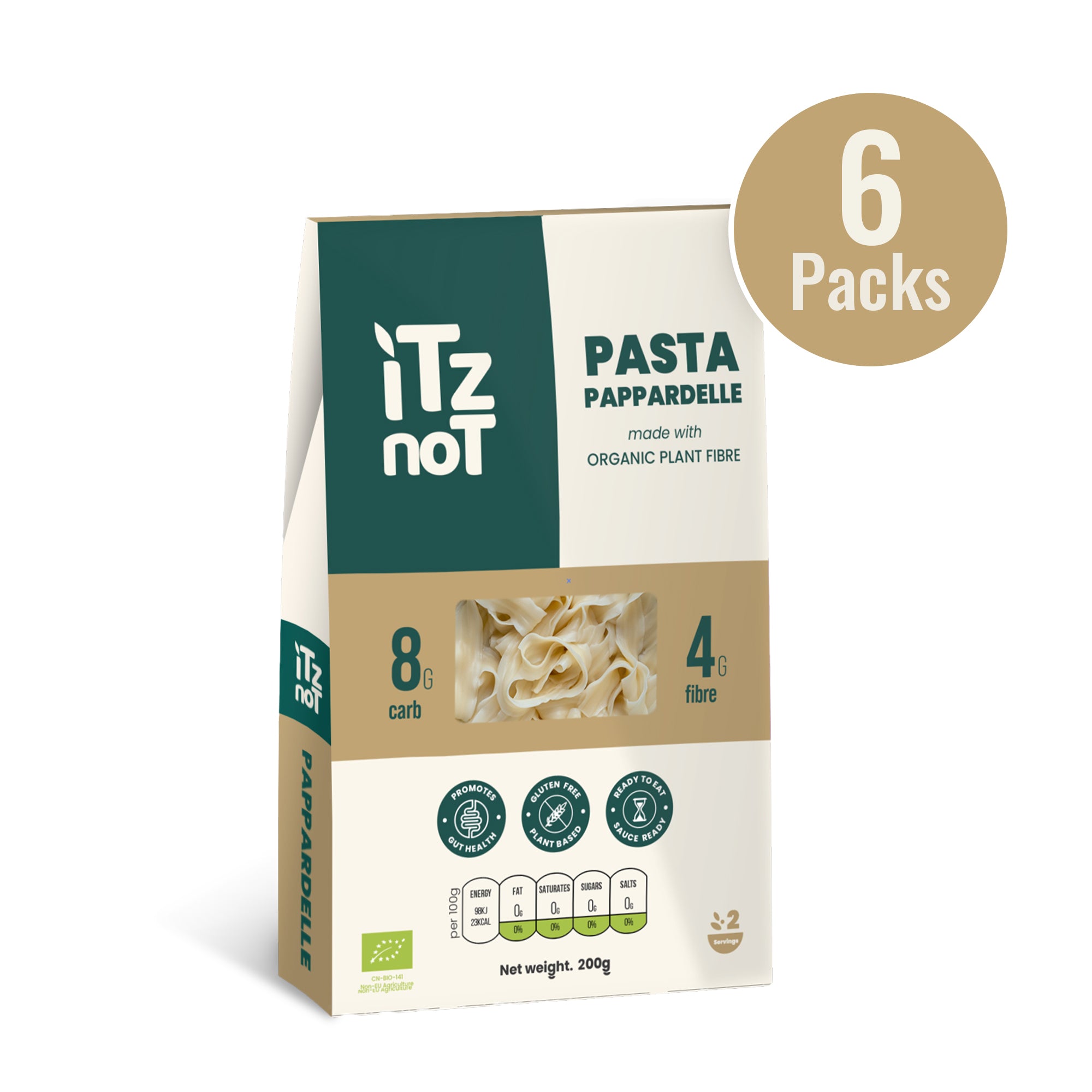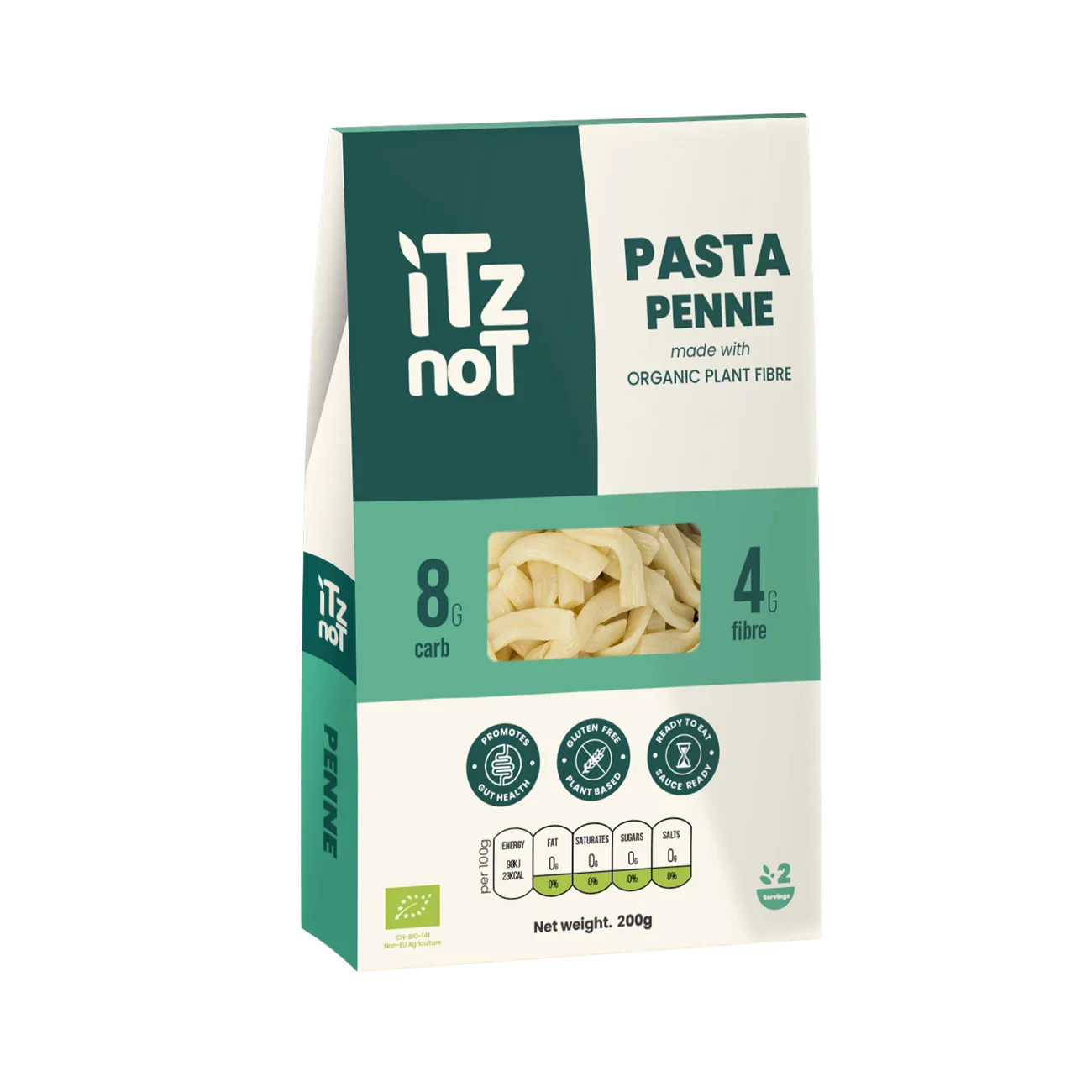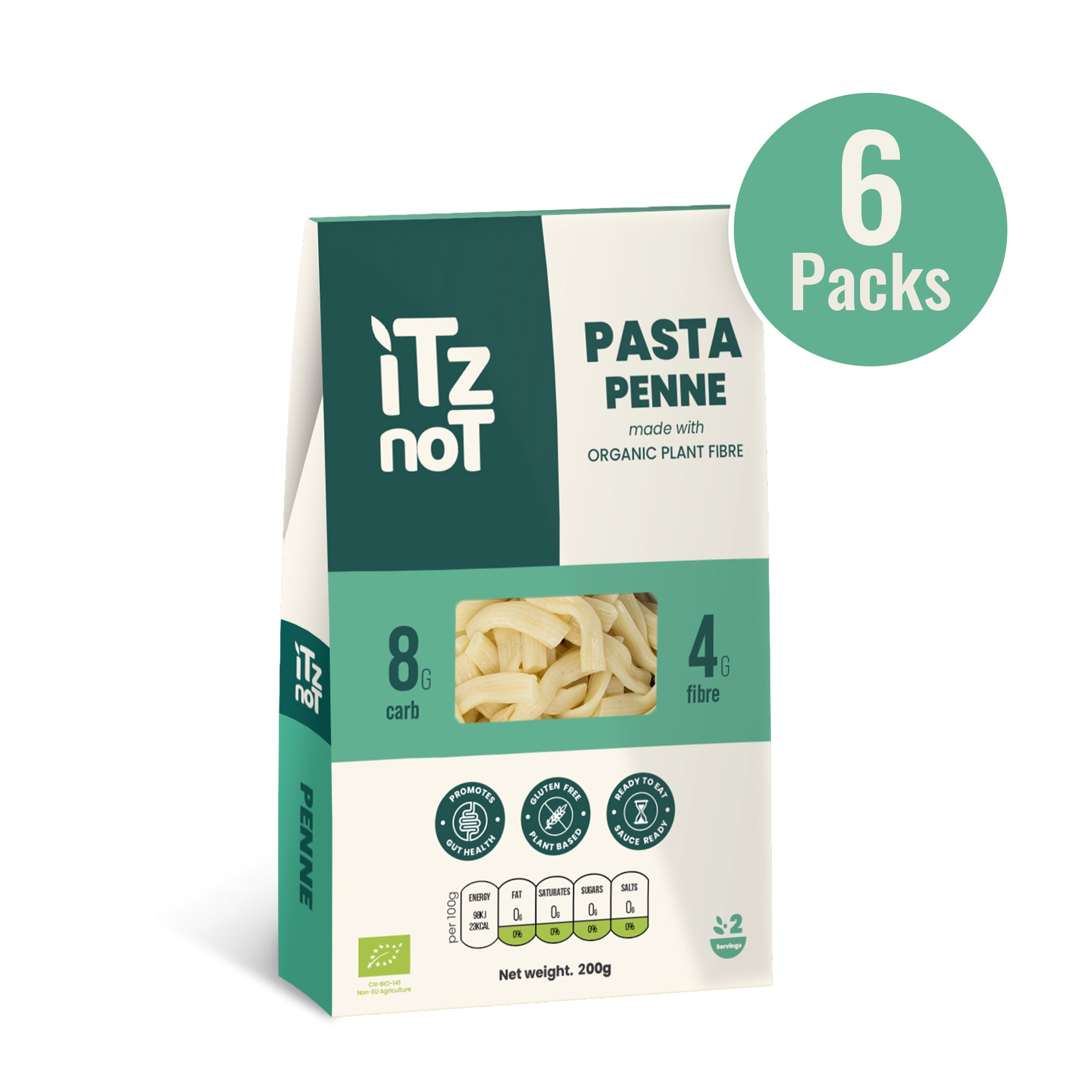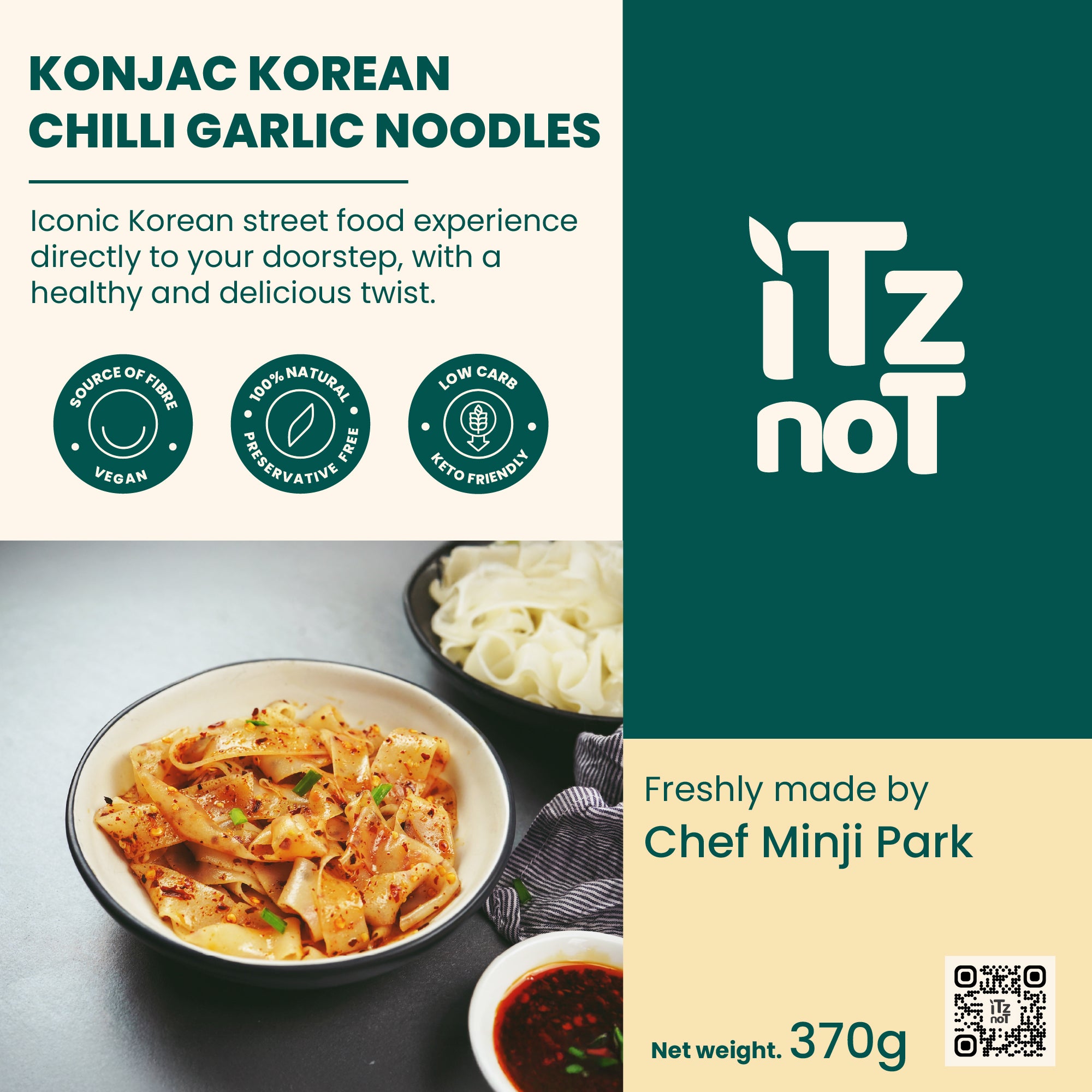







Price :
QTY :
CART TOTALS :
There are items
in your cart
CART TOTALS :
With this products also buy:
Add £45.00 more for free shipping
Your shopping bag is empty
Go to the shop




Konjac (Amorphophallus konjac) is a perennial plant native to East and Southeast Asia. Known variously as elephant yam, konnyaku or voodoo lily, this ancient root vegetable has transitioned from a staple of traditional Asian cuisine to a cornerstone of modern functional nutrition.
The konjac plant thrives in the high-altitude, subtropical regions of East Asia. The edible portion is the corm (an underground swollen stem), which is harvested and processed into a versatile flour or gel. The primary active component of konjac is Glucomannan, a highly viscous, water-soluble dietary fibre. This fibre is what gives konjac foods their unique texture and nutritional properties. Today, konjac is commonly used to produce:
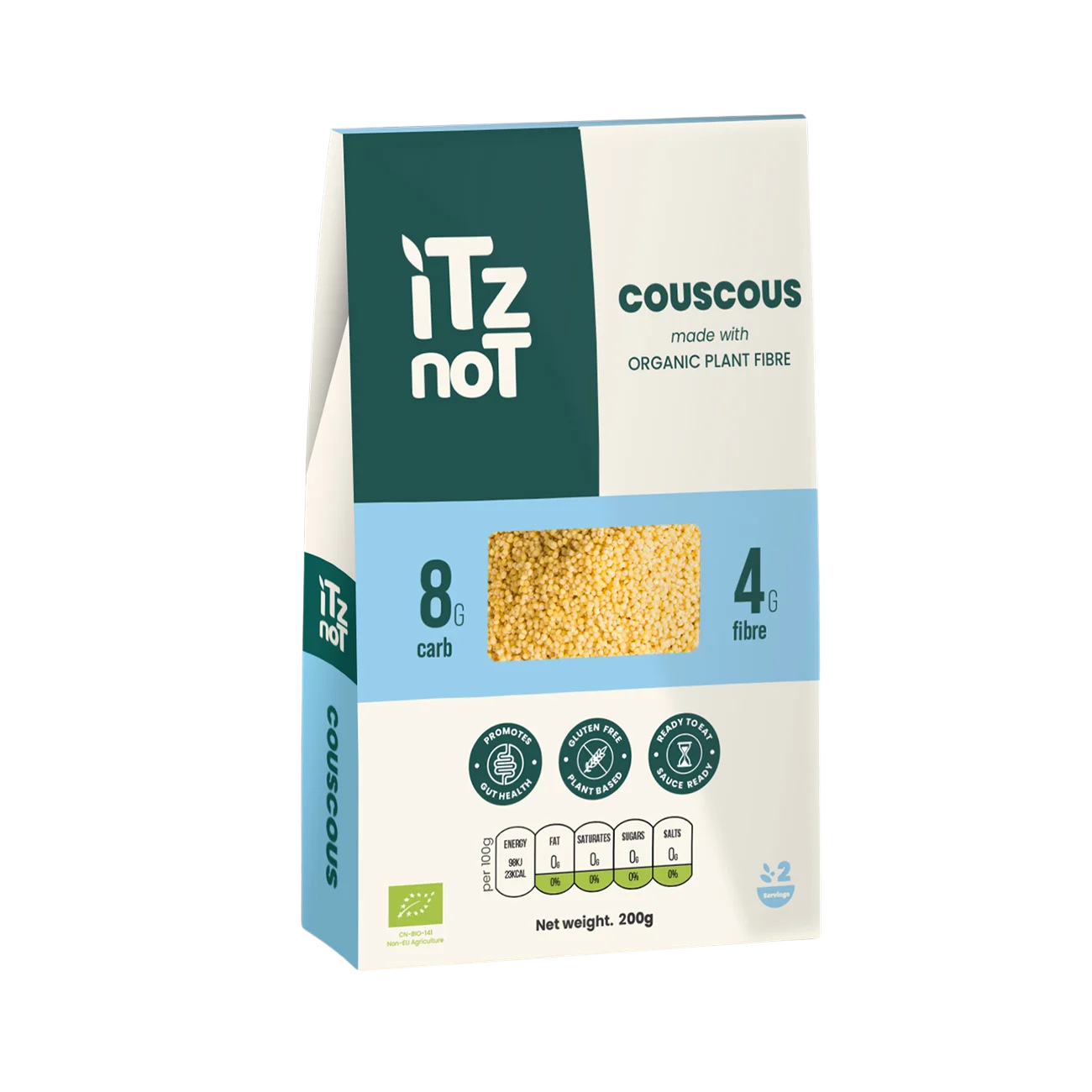
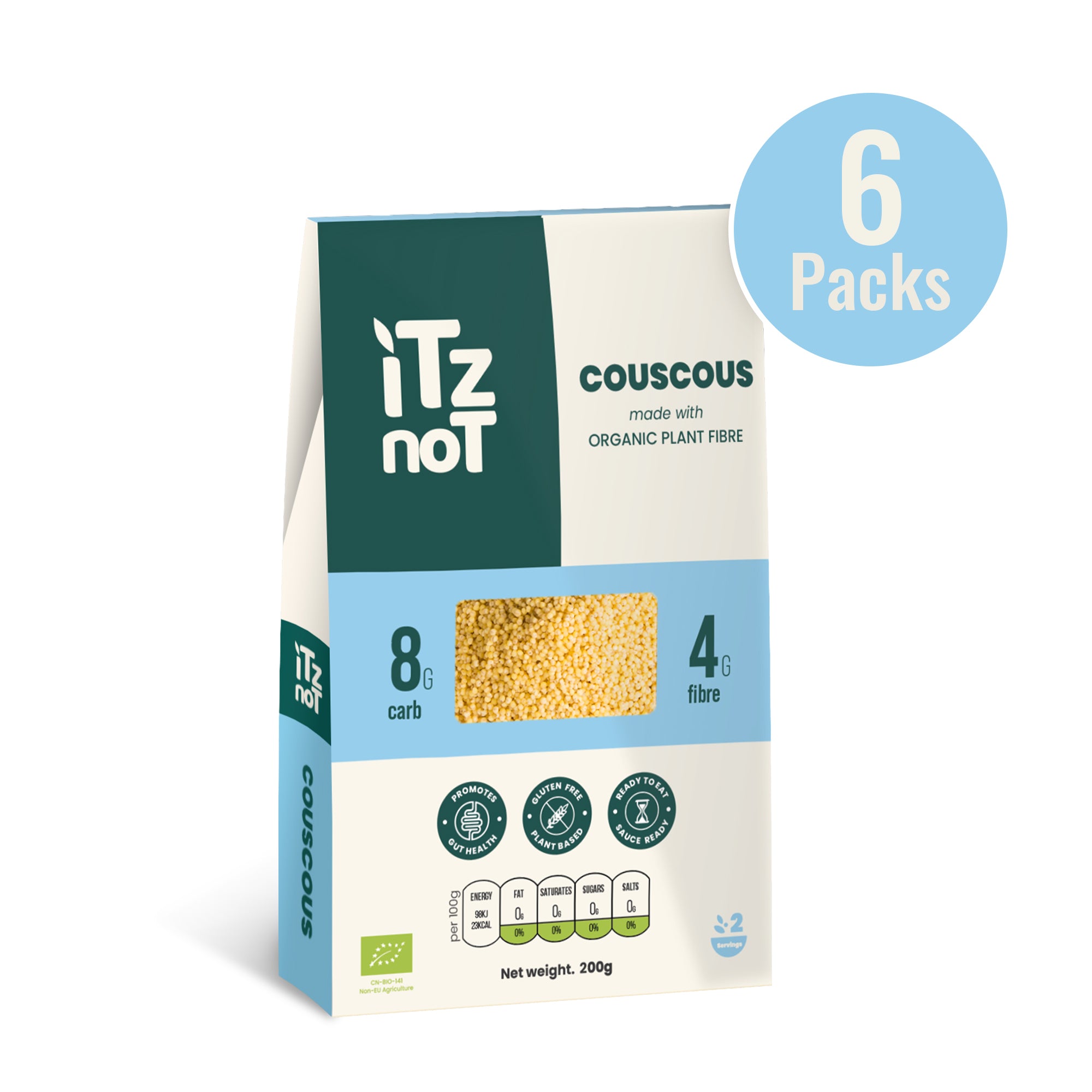
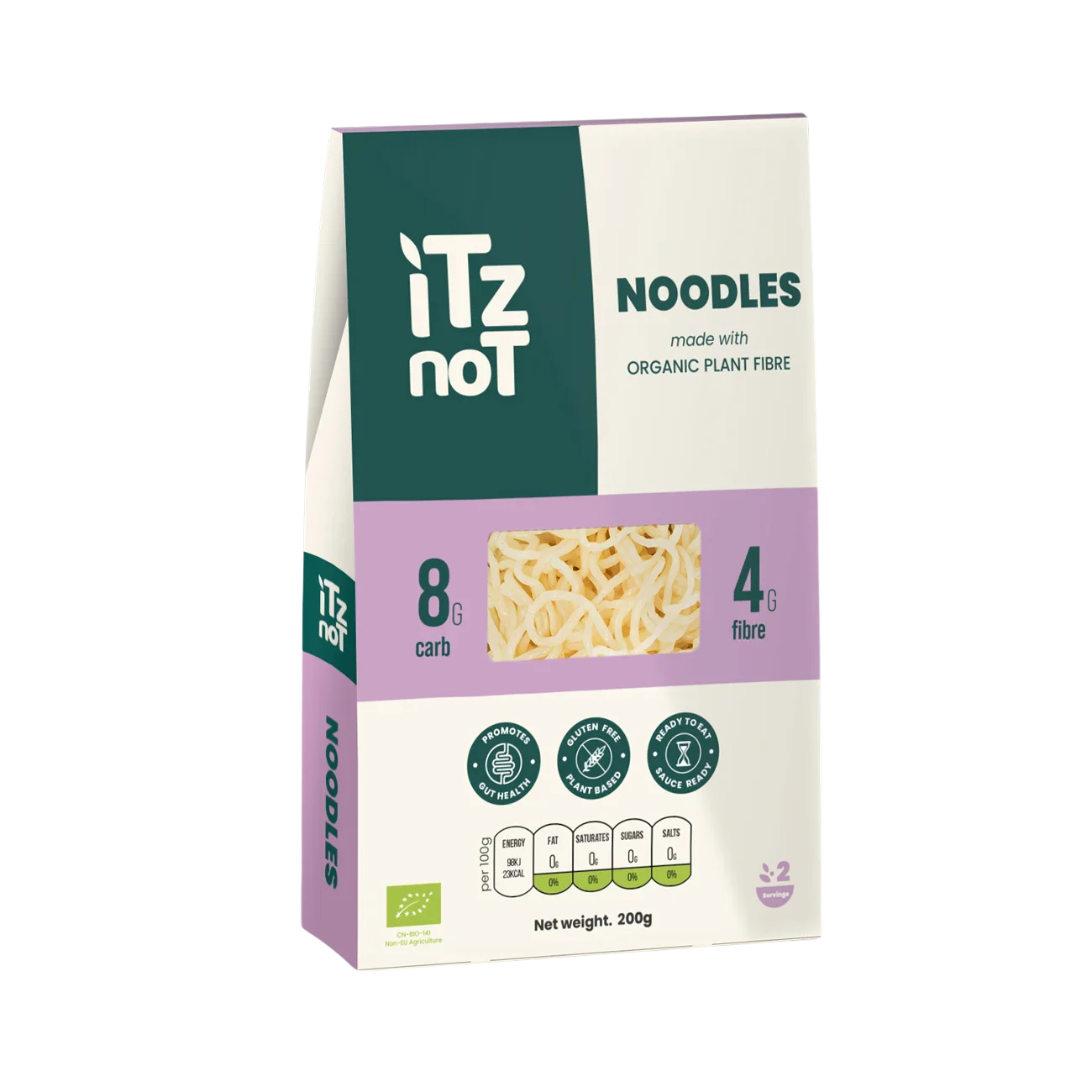
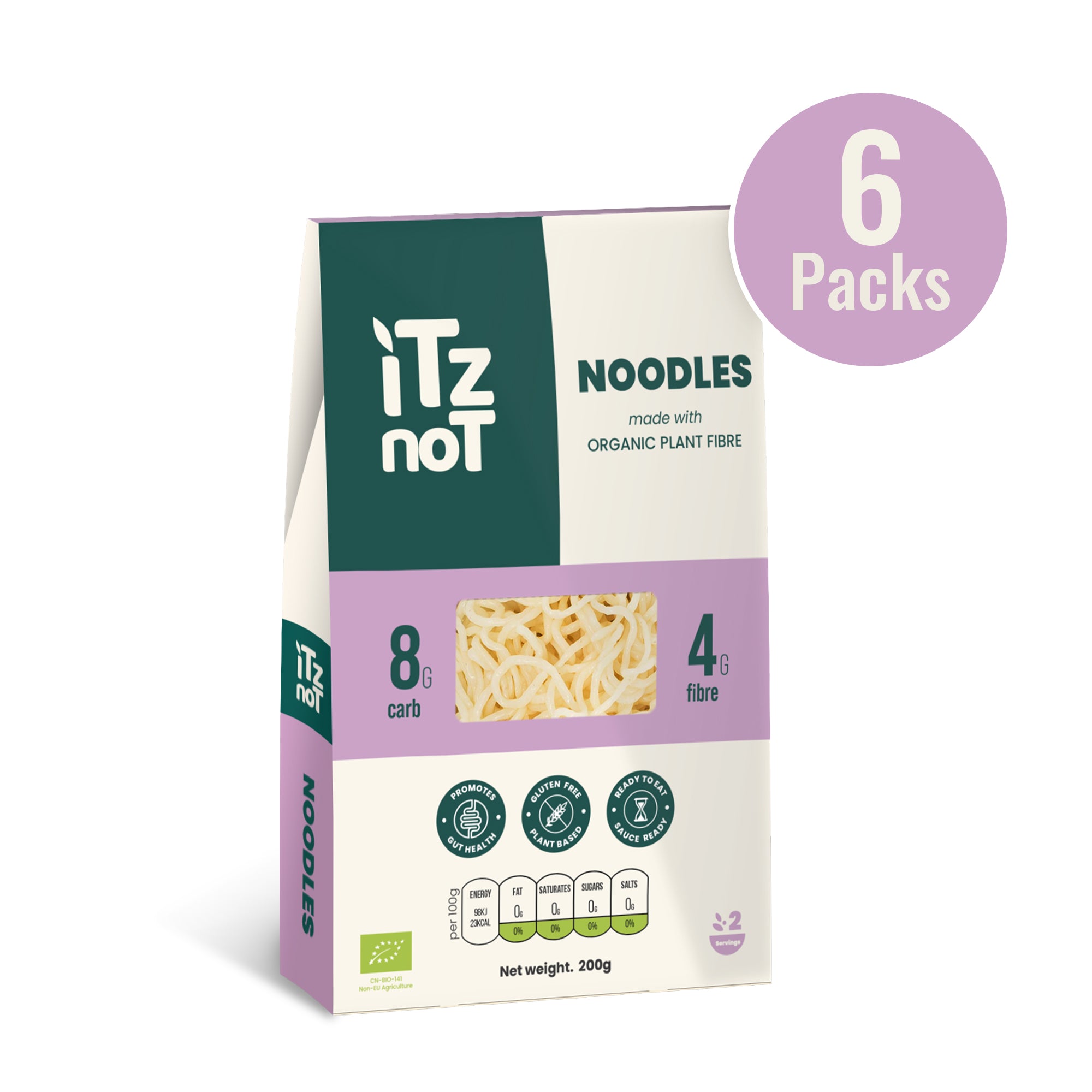
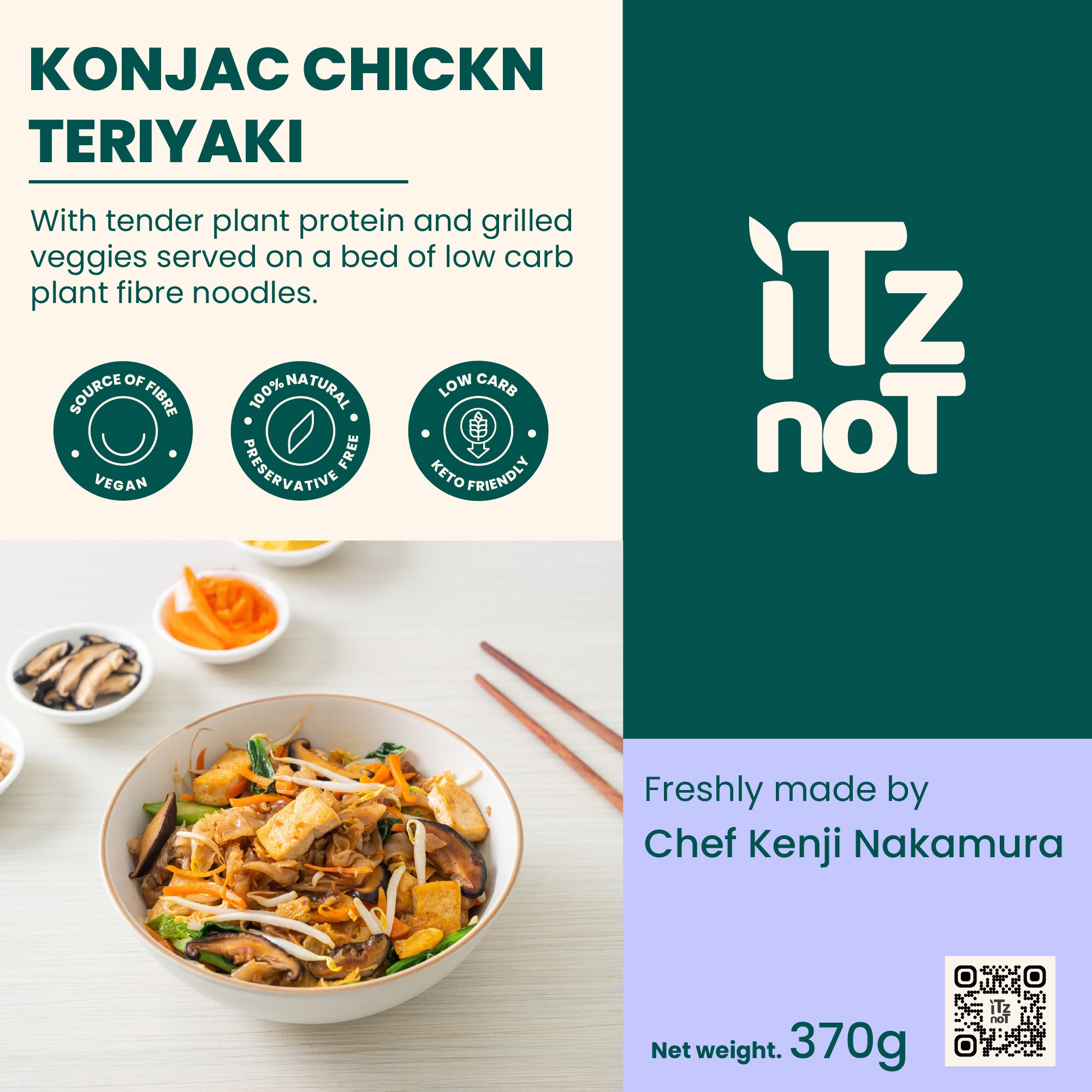
Konjac noodles
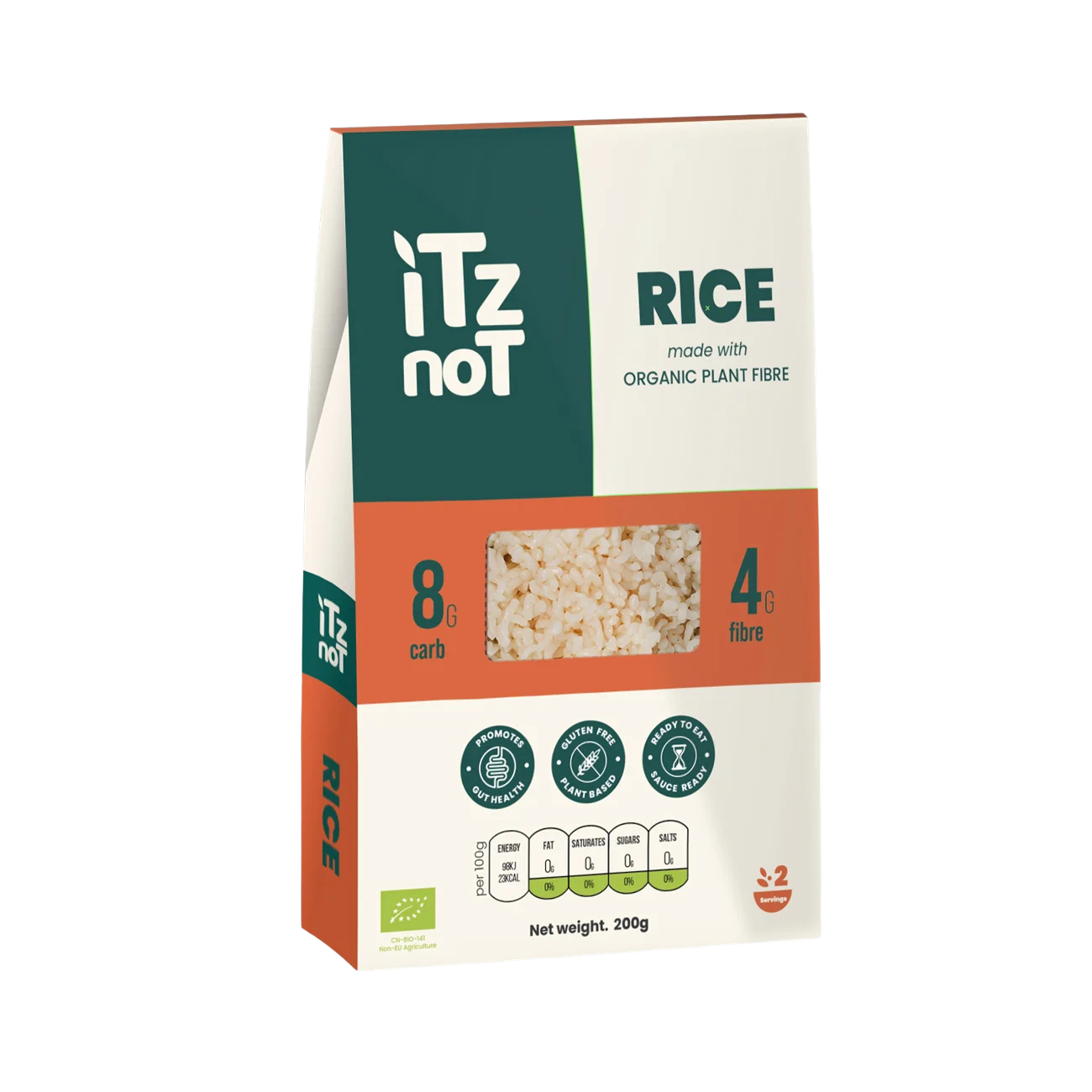
Konjac rice
Jelly snacks
Low-calorie pasta alternatives
Konjac glucomannan is a soluble dietary fibre obtained from the konjac root. Fresh konjac root is made up of roughly 87% water and 13% dry matter. Of this dry portion, around 64% consists of glucomannan fibre, while the rest contains starch, vitamins, minerals, and small amounts of protein and fat. Because the human body lacks the enzymes to fully break down this fibre, it passes through the digestive tract largely intact, providing volume without glucose spikes.
1. Metabolic & Glycemic Management
Due to its negligible glycemic index (GI), konjac is a preferred staple for those managing blood sugar levels. It provides the mechanical sensation of eating pasta or rice without subsequent insulin response.
2. Digestive Wellness and Prebiotic Support
As fermentable fiber, glucomannan acts as a prebiotic, fueling beneficial gut bacteria. The high water-retention capacity of the fiber also supports regular bowel transit.
3. Weight Management and Satiety
Glucomannan is capable of absorbing up to 50 times its weight in water. When consumed, it expands the stomach to create a physical feeling of fullness, which can assist in caloric deficit adherence.
Konjac is traditionally processed into konnyaku (a firm, jelly-like block) or shirataki (translucent noodle-like strands).
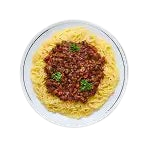
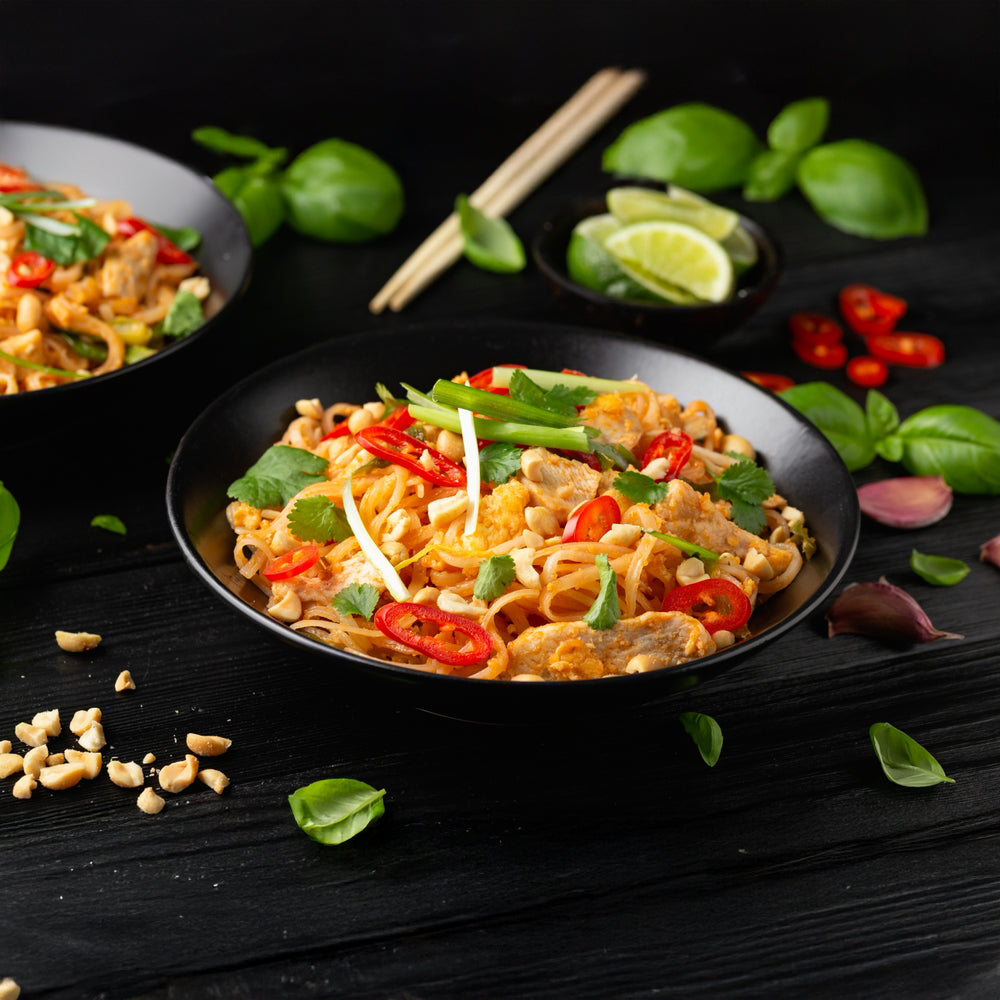
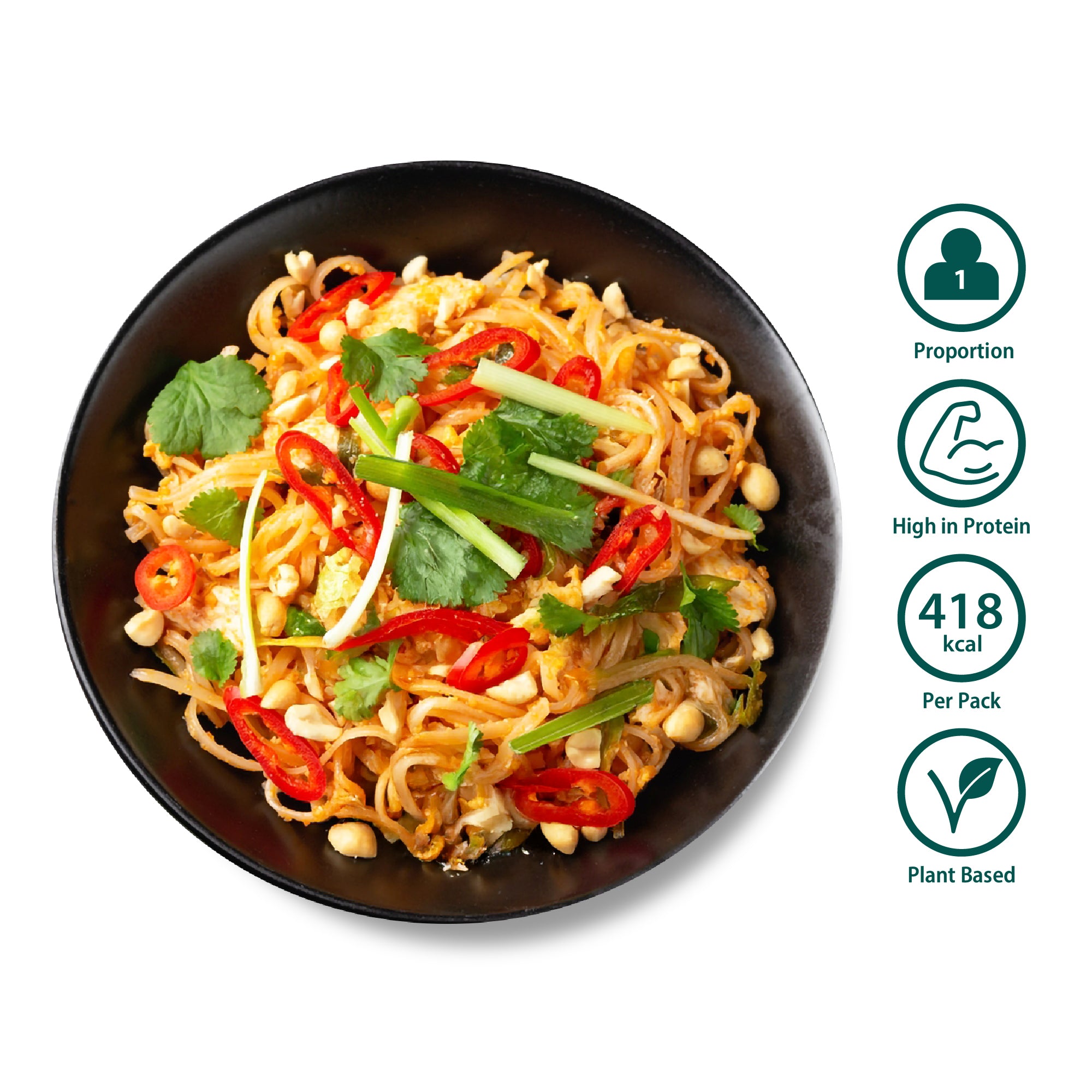
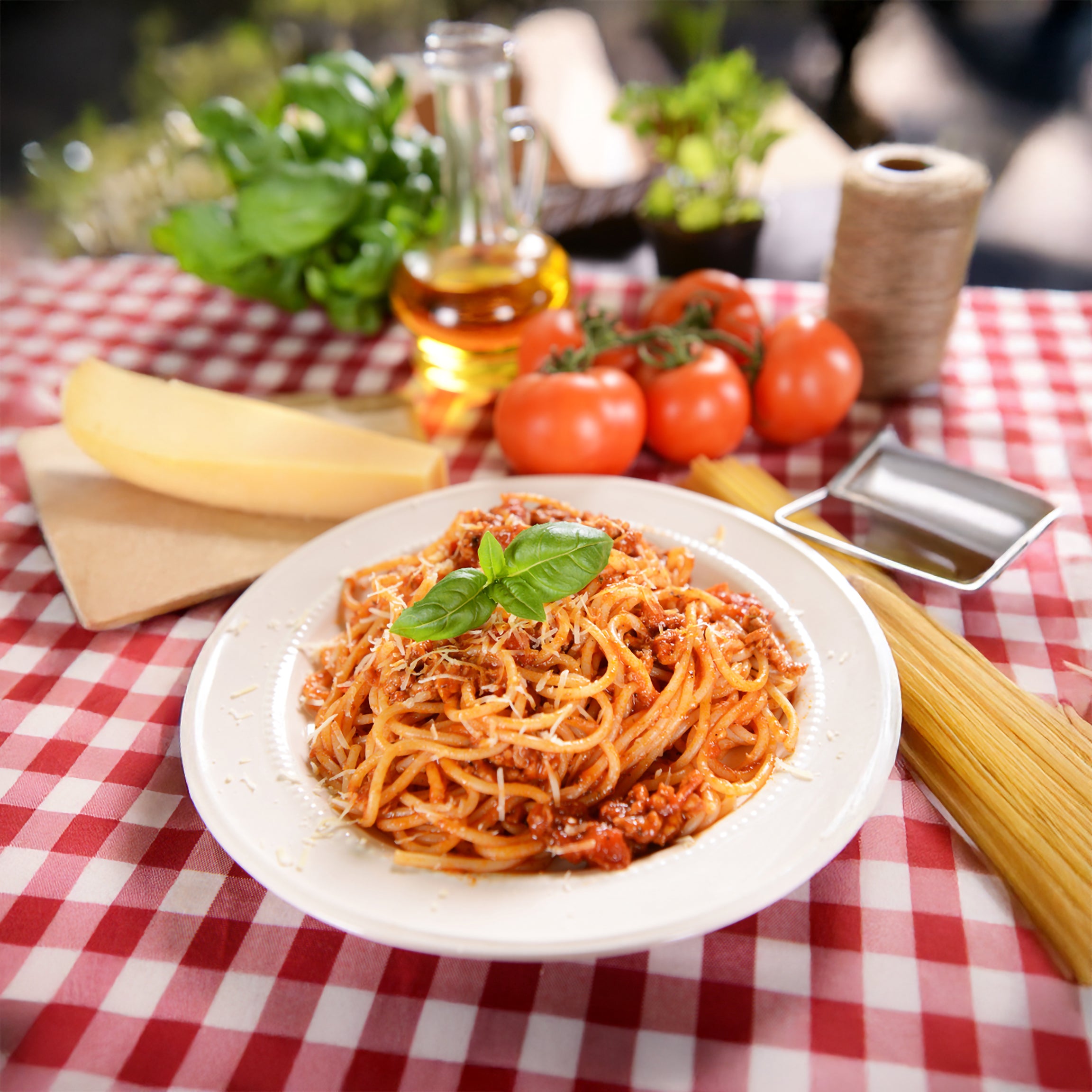
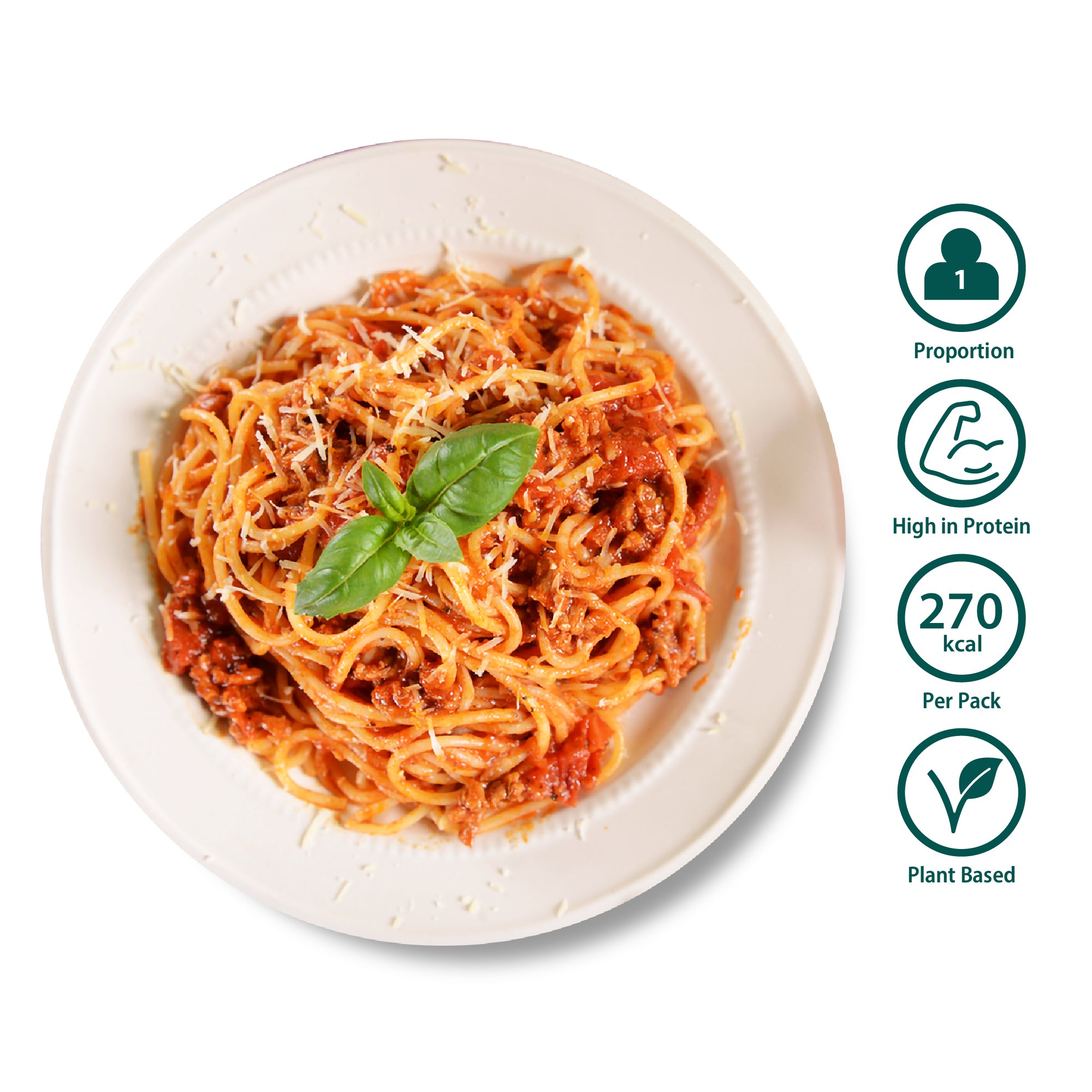
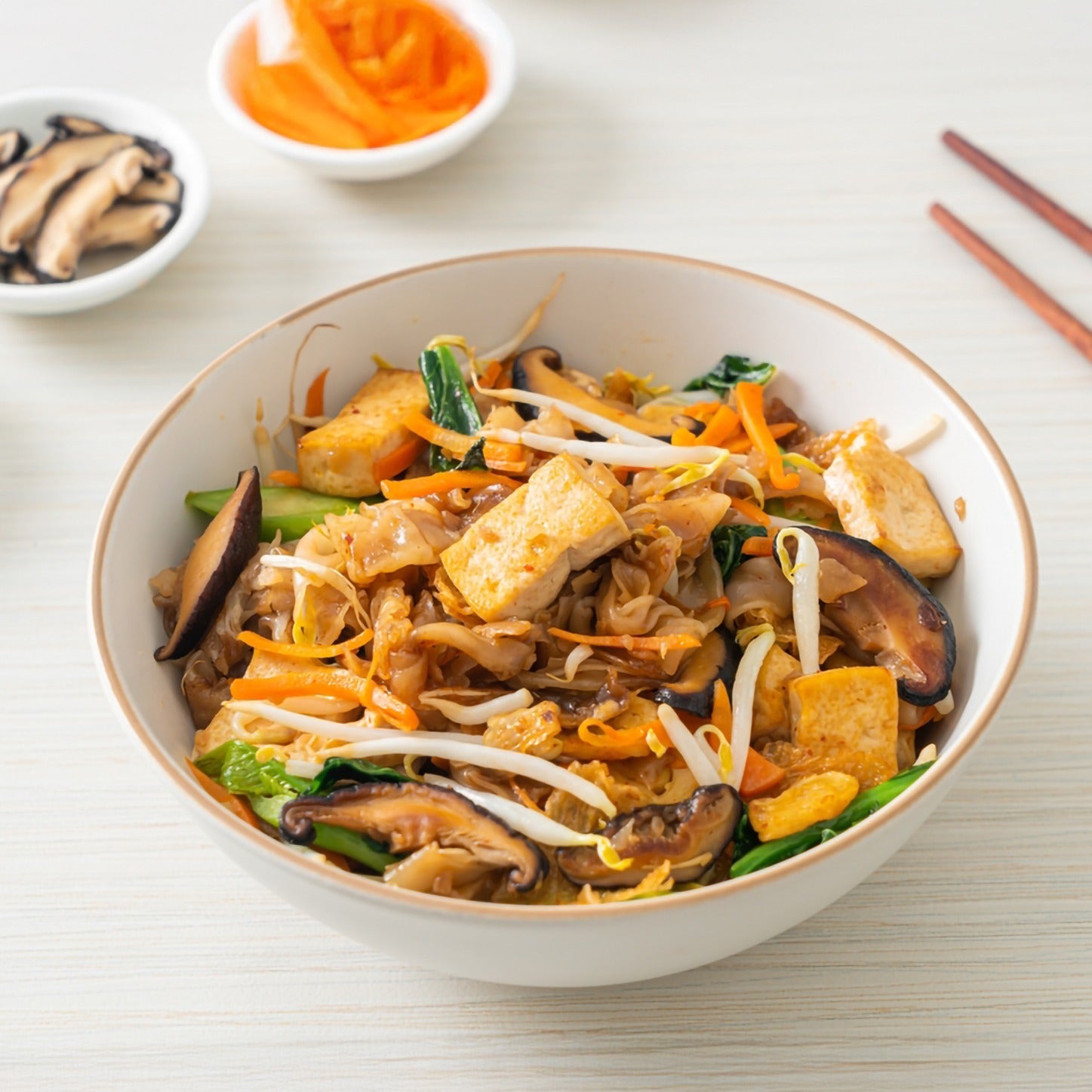
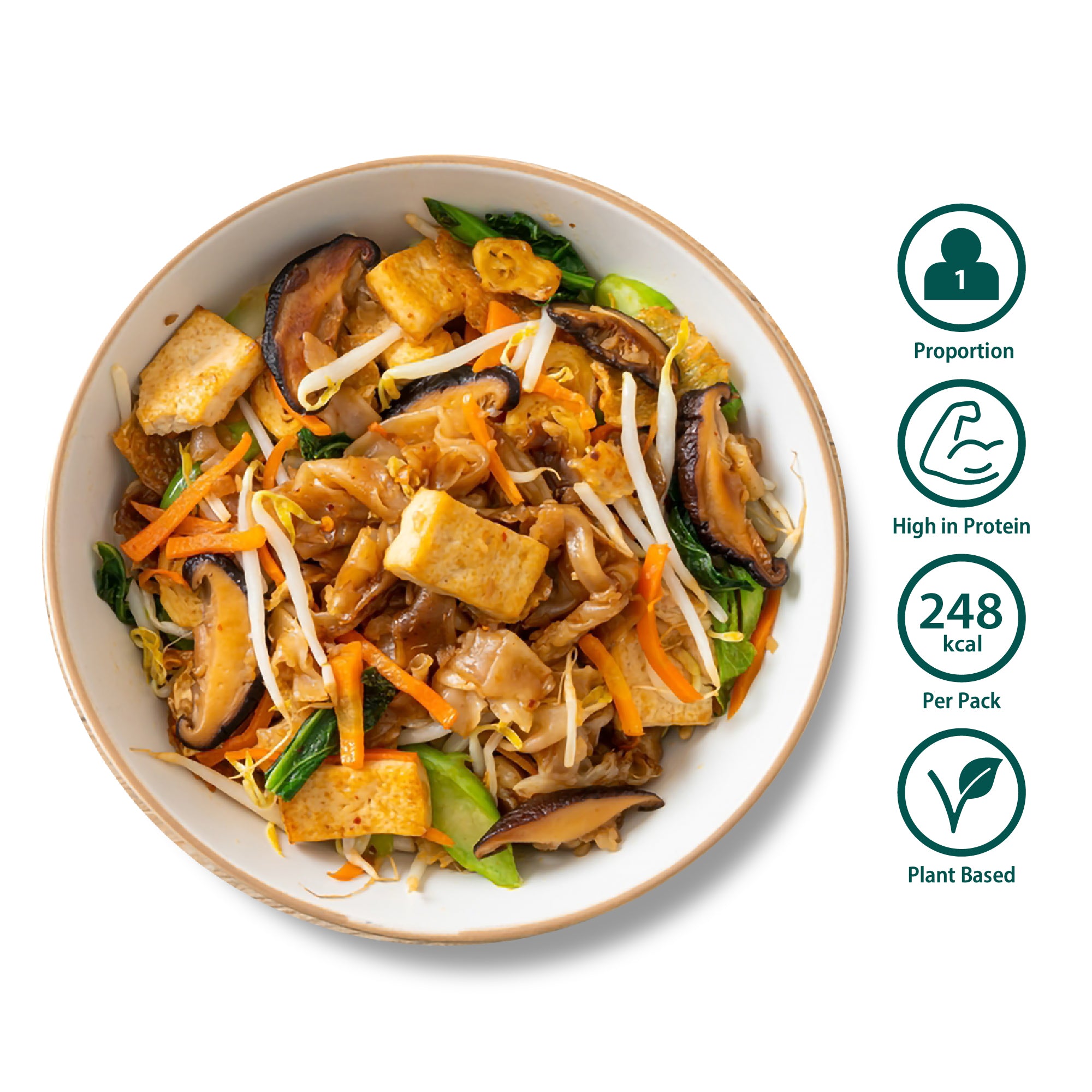
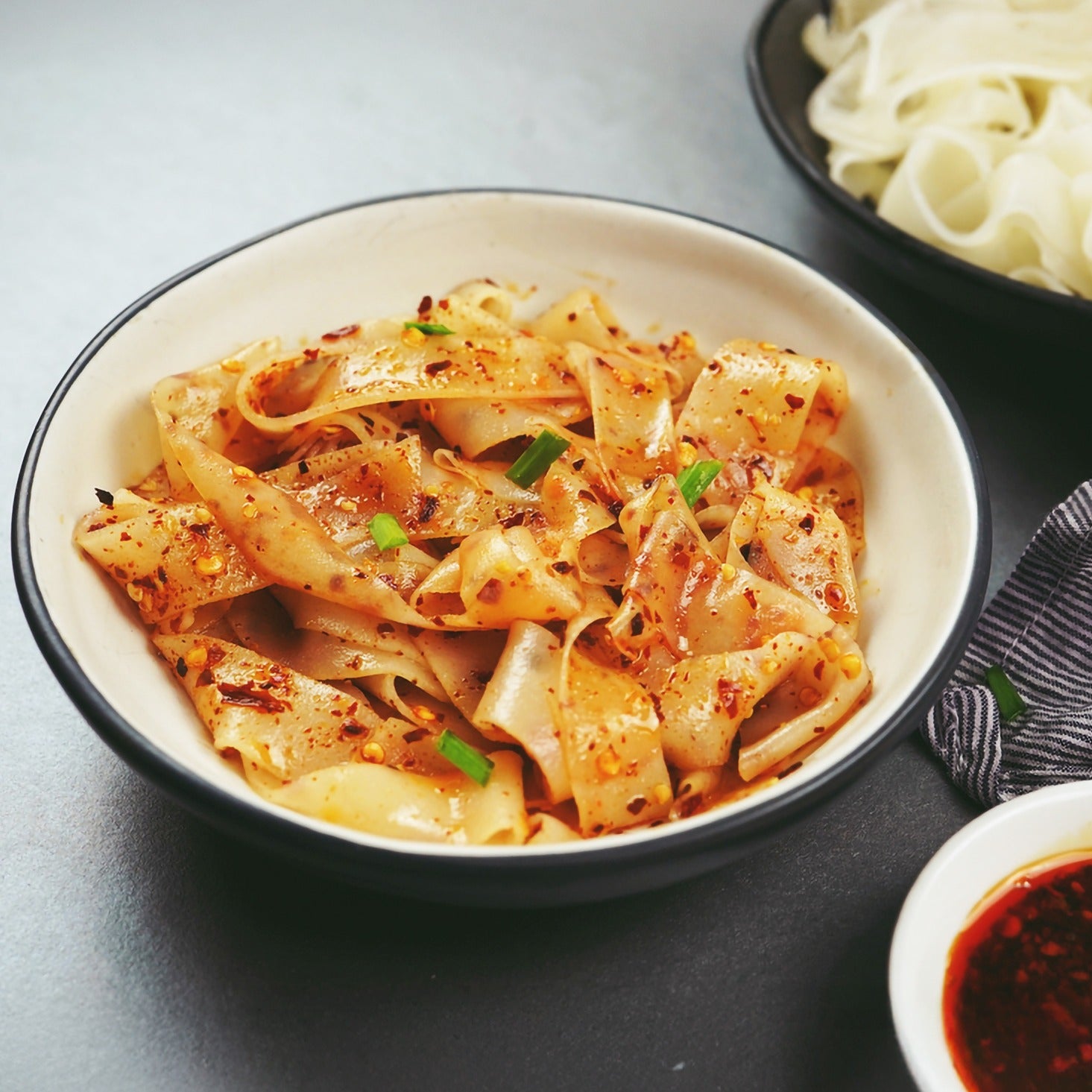
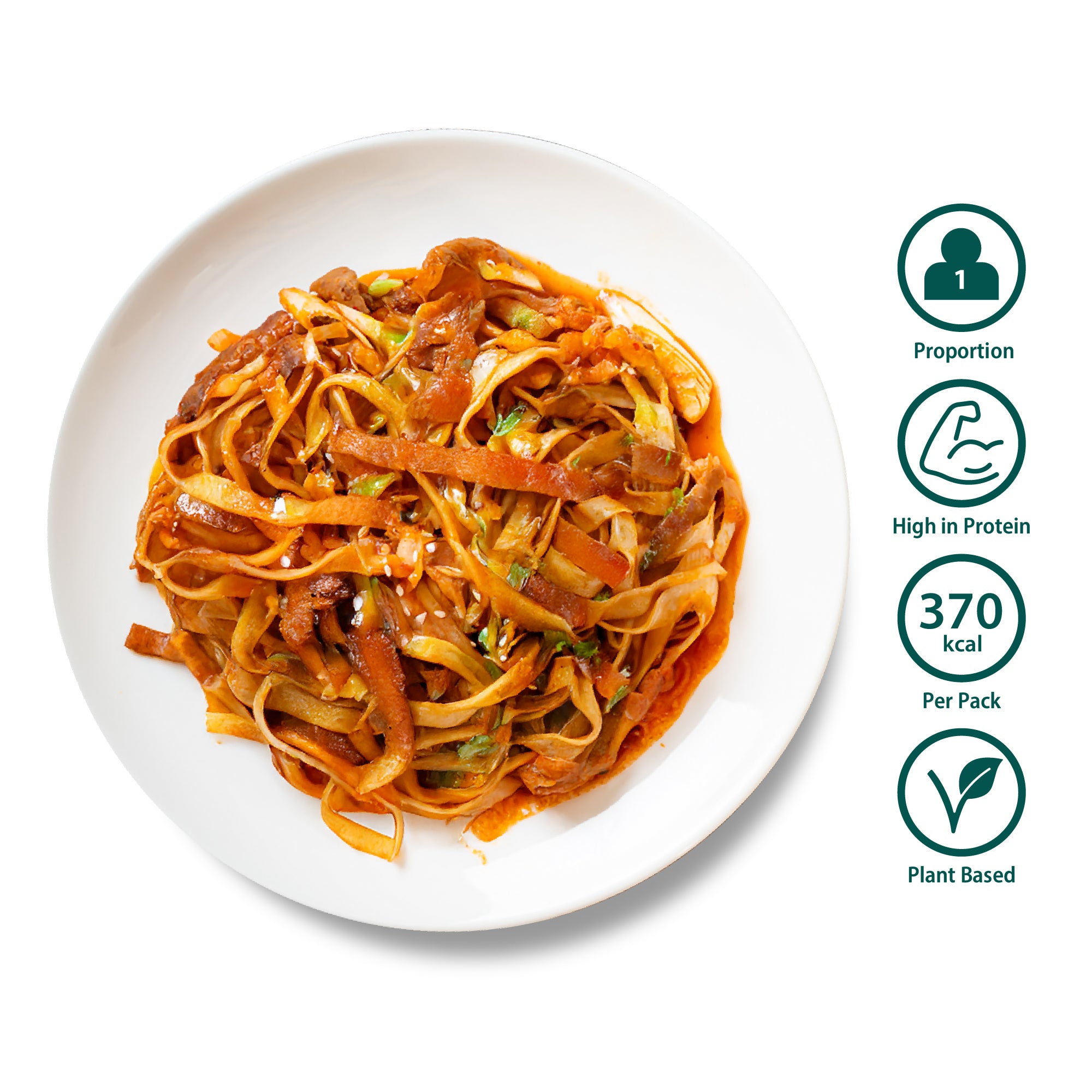
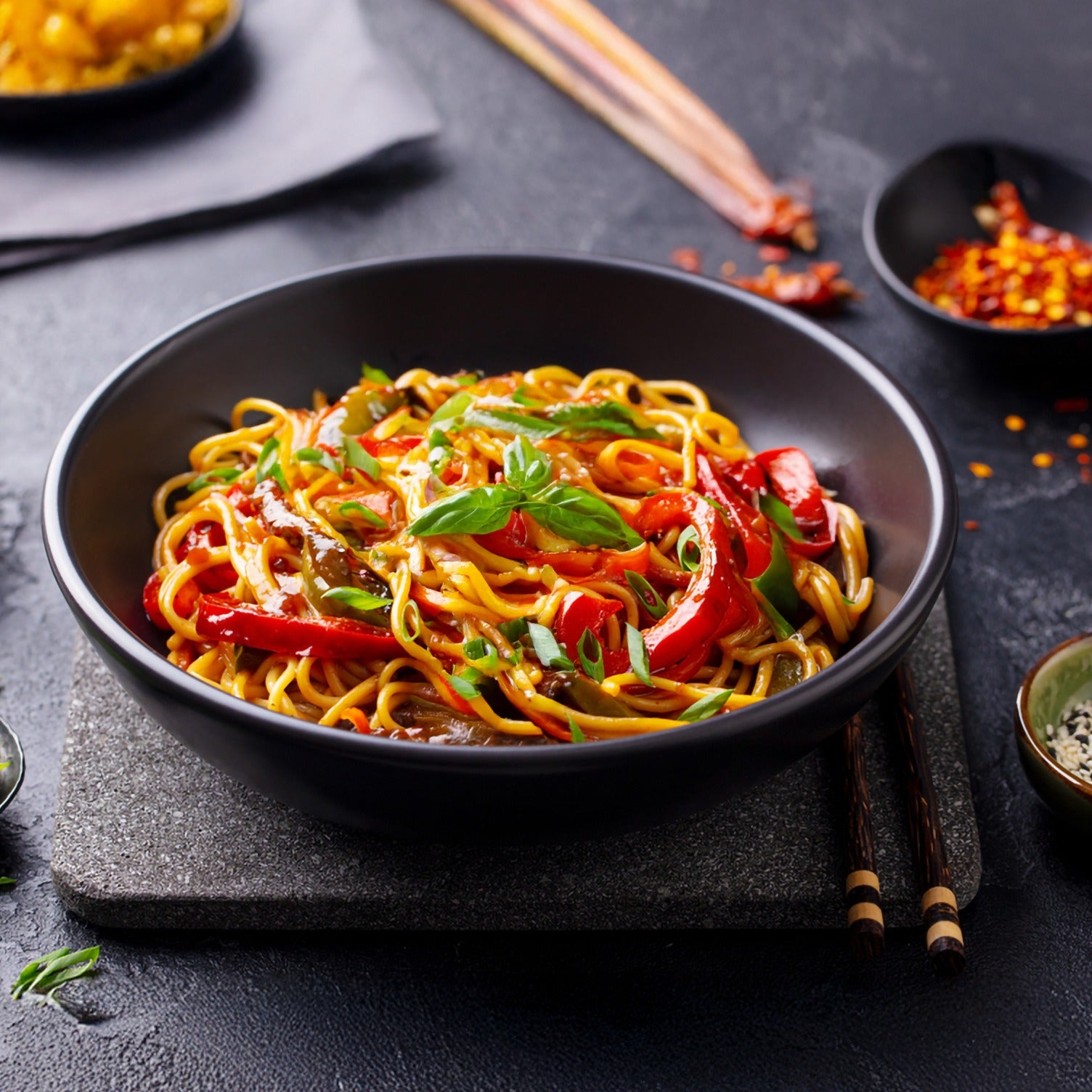
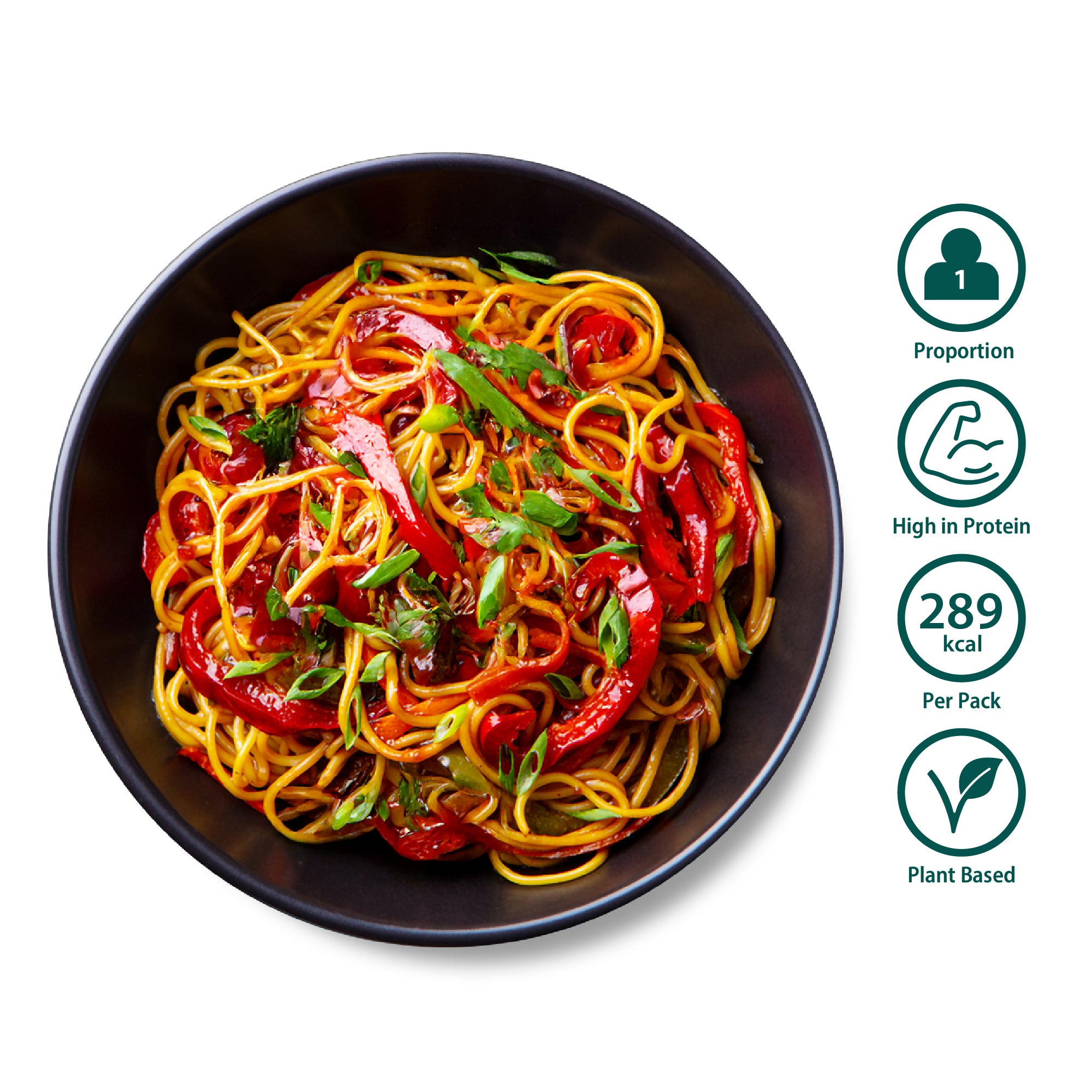
Noodles & Pasta: Shirataki noodles, sometimes marketed as “miracle noodles” or “konjac noodles”, are commonly used in soups, stir-fries, ramen-style dishes, and low-carb pasta alternatives.
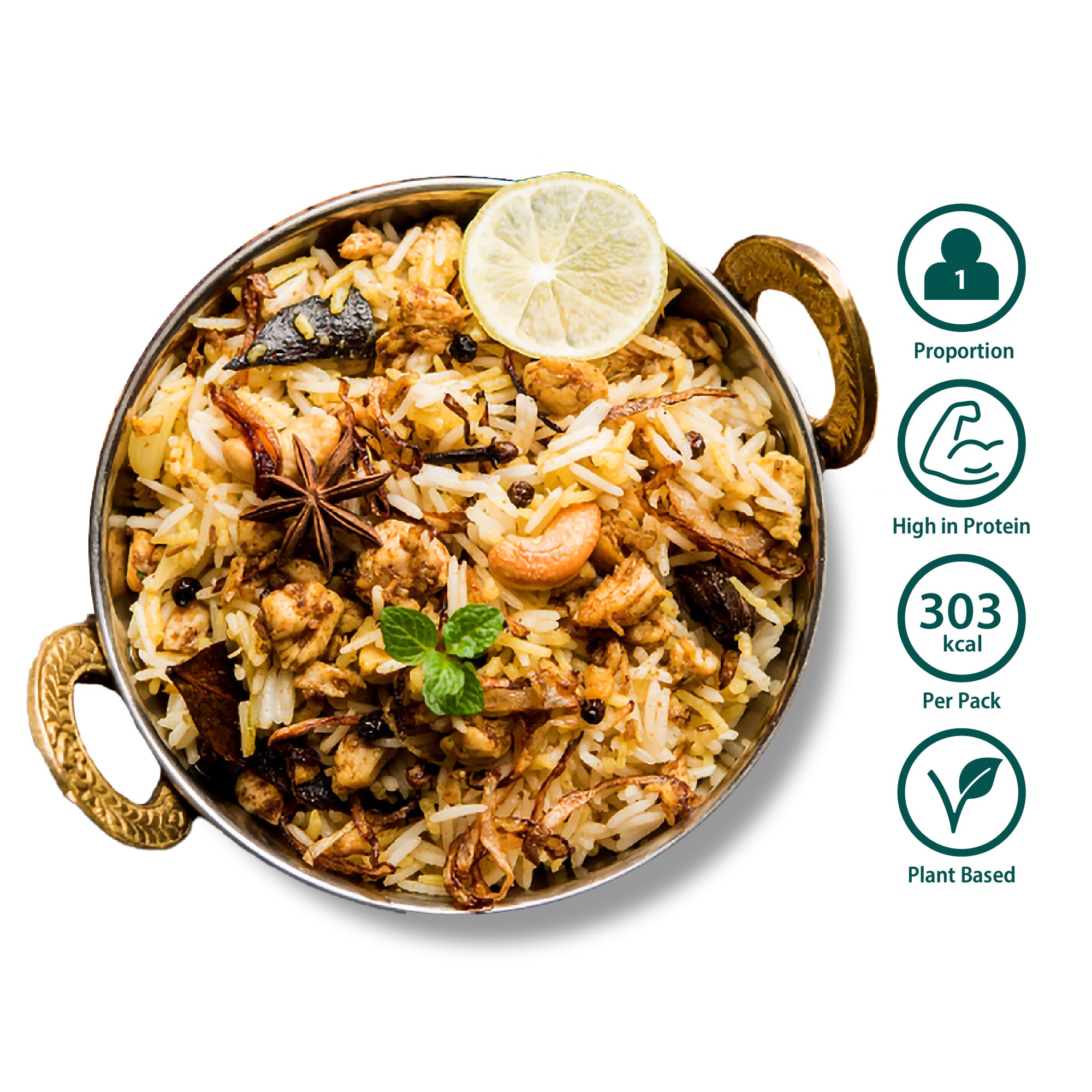
Rice Alternatives: Konjac rice products, often sold as konjac “pearls” or rice substitutes imitate the texture of short-grain rice and are used in dishes such as grain bowls and low-carb risottos. However, these are modern processed products rather than traditional Japanese staples.
Thickening Agent: Konjac flour (glucomannan) is an odourless, gluten-free thickening agent that can be used instead of starch-based thickeners such as cornflour. It is commonly added to sauces, soups, stews, and gravies because of its high viscosity and water-binding properties.
1. Rinsing: It helps to reduce the characteristic odour.
2. Dry-Parching: Dry-frying or heating rinsed noodles in a pan helps to evaporate excess moisture, improving texture and allowing sauces to coat the noodles more effectively. This is a widely recommended culinary technique.
3. Flavour Infusion: Konjac products are relatively neutral in flavour and absorb surrounding seasonings well, making them suitable for strongly flavoured broths, sauces, and curries.
Ketogenic/Low-Carb: Konjac foods are low in digestible carbohydrates and calories, making them popular in ketogenic and low-carb diets. However, “zero net carbs” may vary slightly by brand and formulation.
Gluten-Free: Pure konjac is naturally gluten-free. Cross-contamination depends on manufacturing processes.
Vegan/Plant-Based: Konjac is derived from a plant root and is naturally suitable for vegan and plant-based diets.
Low in Calories: Konjac foods are widely used as lower-calorie alternatives to pasta, noodles, and rice.
Hydration: Because glucomannan absorbs significant amounts of water, adequate hydration is recommended to support digestion and reduce the risk of gastrointestinal discomfort or choking hazards in concentrated supplement forms.
Incremental Usage: Gradually increasing fibre intake is standard dietary advice to help the digestive system adjust and minimise bloating or discomfort.
At iTz noT, we create convenient konjac-based foods to help you enjoy satisfying meals with fewer calories and carbs. From noodle alternatives to rice options, our products are for modern lifestyles that value flavour, balance, and convenience without compromise.
What is konjac made from?
Konjac is made from the corm of the Amorphophallus konjac plant, which is grown mainly in parts of East and Southeast Asia. The root is processed into flour, noodles, rice alternatives, and jelly-style foods.
What is glucomannan in konjac?
Glucomannan is the main soluble fibre naturally found in konjac root. It absorbs water easily and is responsible for the texture and fibre content associated with konjac-based foods.
Can konjac support digestive health?
Because konjac contains soluble fibre, it may help support normal digestion and bowel regularity when consumed as part of a balanced diet with adequate fluid intake.
How is konjac used in cooking?
Konjac is commonly used in noodle dishes, soups, stir-fries, curries and rice-style meals. Konjac flour can also be used as a thickening ingredient in sauces and gravies.
Should konjac be introduced gradually into the diet?
Yes. As with many fibre-rich foods, it is usually best to increase konjac intake gradually and drink sufficient water to help the digestive system adjust comfortably.


Price :
QTY :
CART TOTALS :
There are items
in your cart
CART TOTALS :