




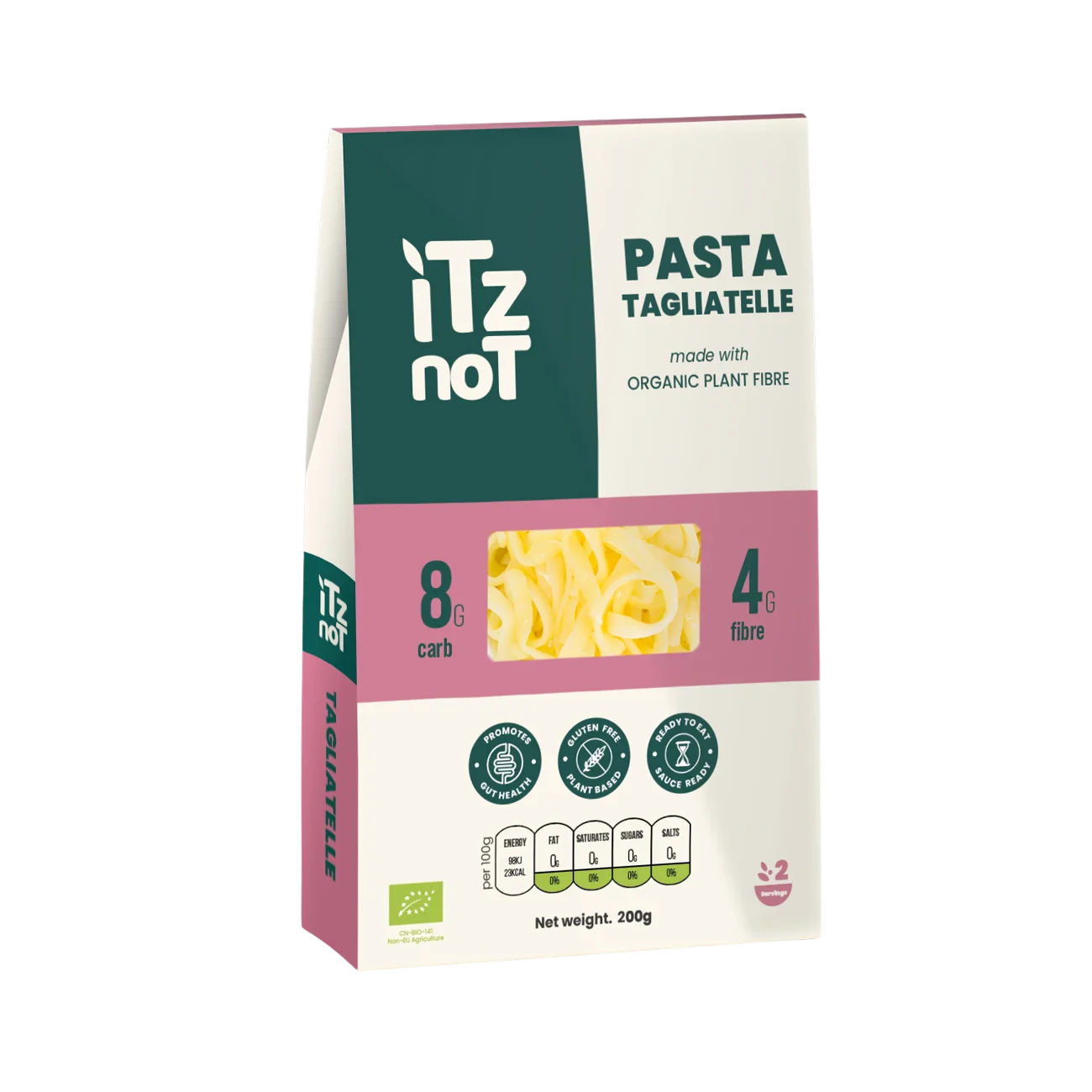
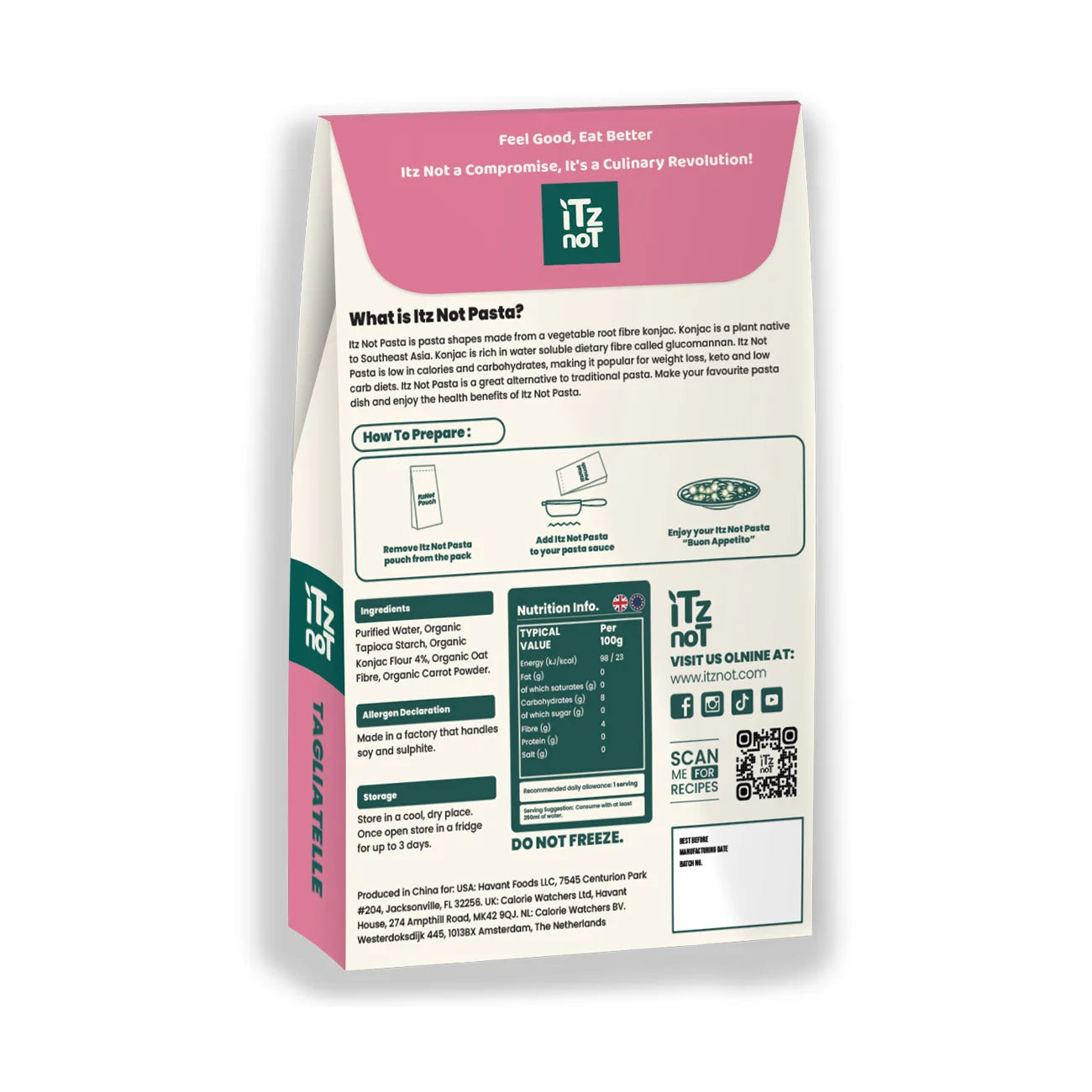


Price :
QTY :
CART TOTALS :
There are items
in your cart
CART TOTALS :
With this products also buy:
Add £45.00 more for free shipping
Your shopping bag is empty
Go to the shop




Interest in GLP-1-friendly meals has grown as more people explore balanced approaches to nutrition and appetite awareness. Whether someone is using a GLP-1 medication under medical supervision or looking for satisfying, portion-conscious meals, food choices play an important role in overall wellbeing.
GLP-1-friendly meals focus on meals that are balanced and nourishing, particularly for people who may experience changes in appetite, digestion, or fullness.
This guide explains what GLP-1-friendly meals are, which foods are commonly recommended, and how to build practical meal plans that prioritise protein, fibre and steady energy.
GLP-1 refers to glucagon-like peptide-1, a naturally occurring hormone involved in appetite regulation, digestion, and blood sugar response. Certain prescription medications are designed to mimic or support this hormone pathway and are commonly prescribed by healthcare professionals for type 2 diabetes management or weight management in some individuals.
The term “GLP-1-friendly meals” generally refers to meals that are:
Rich in protein and fibre
Moderate in portion size
Nutrient-dense rather than heavily processed
Easier to digest and less likely to feel overly heavy
Designed to support fullness and balanced eating habits
No single food can replicate the effects of prescription medication, and meals alone should not be described as a substitute for medical treatment. However, thoughtful meal composition can help to support more consistent eating patterns and overall dietary quality.
Protein is often emphasised in GLP-1-friendly meal planning because it can help support satiety and muscle maintenance, particularly during weight management journeys.
Protein options include:
Eggs
Greek yoghurt
Tofu and tempeh
Fish and seafood
Chicken and turkey
Lentils and beans
Cottage cheese
Lean cuts of meat
Fibre supports digestive health and can contribute to feelings of fullness.
Examples of fibre-rich ingredients include:
Vegetables
Berries
Oats
Chia seeds
Beans and pulses
Whole grains
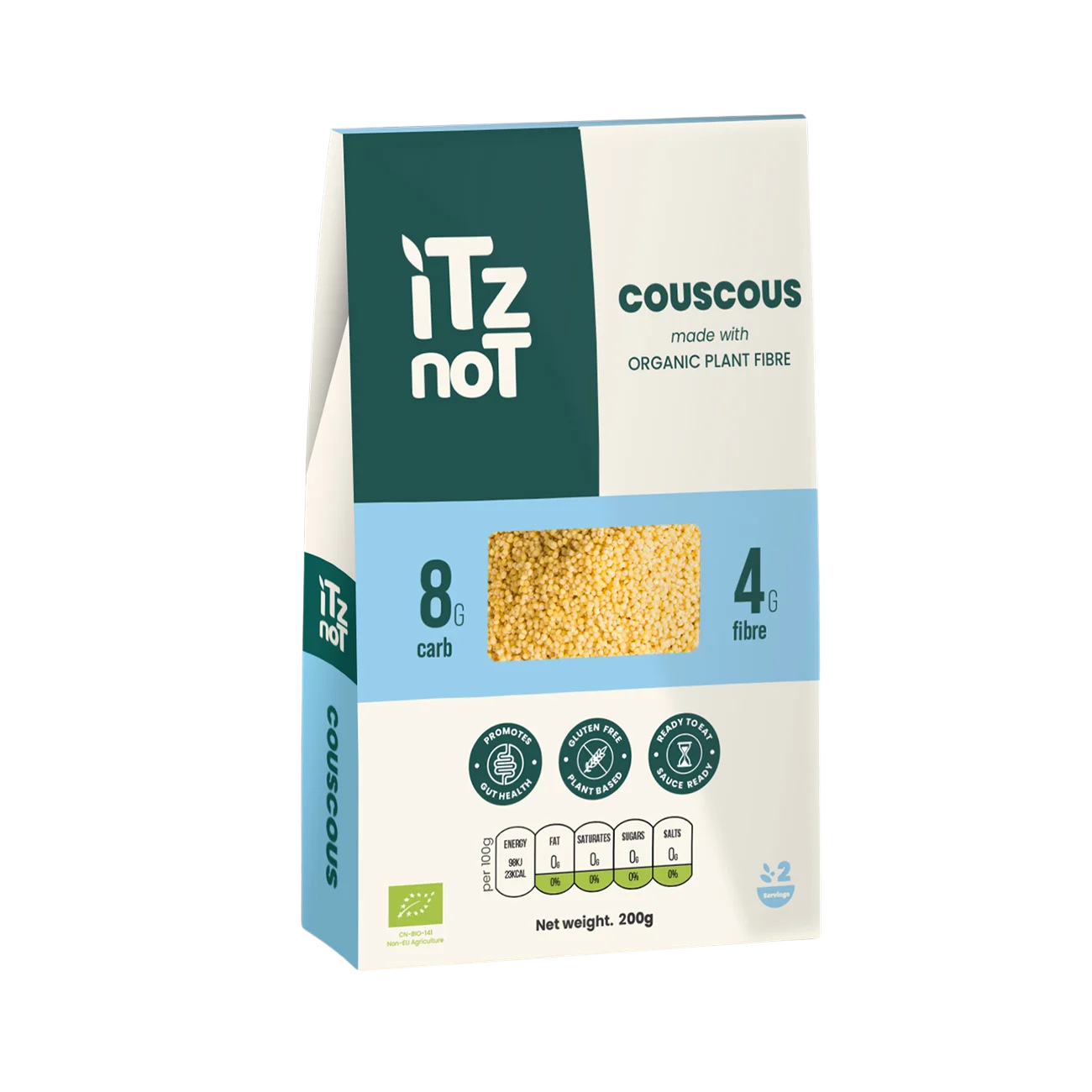
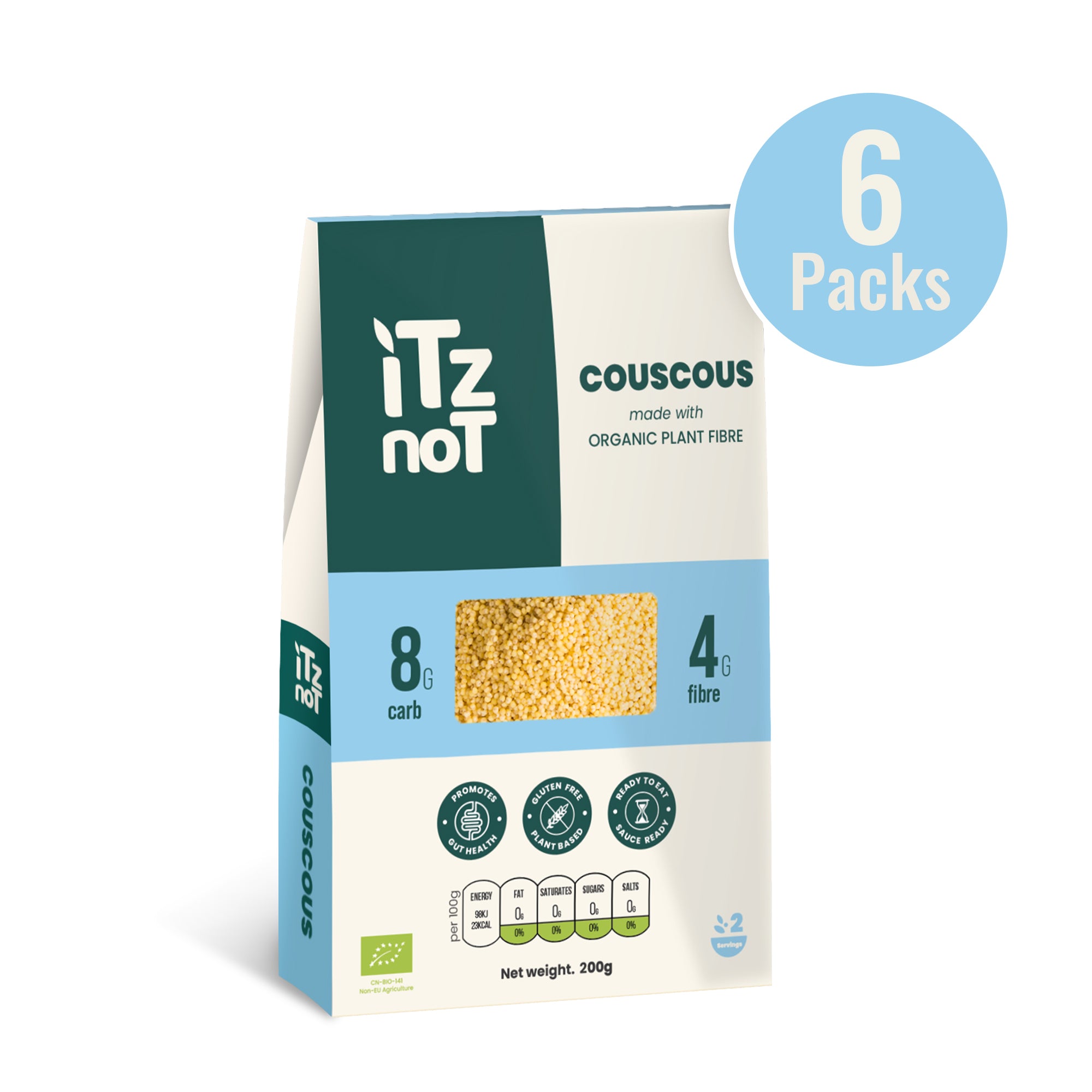
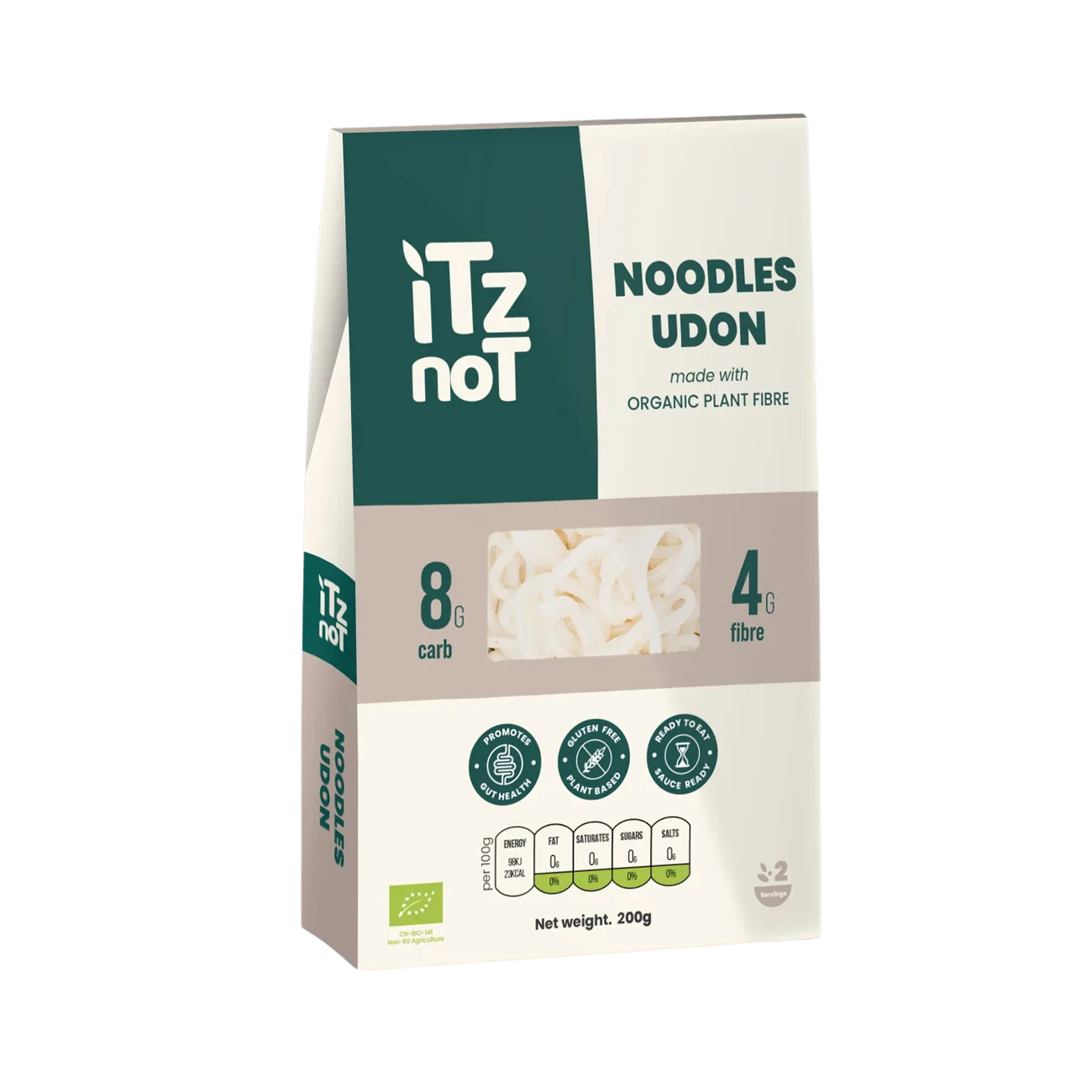
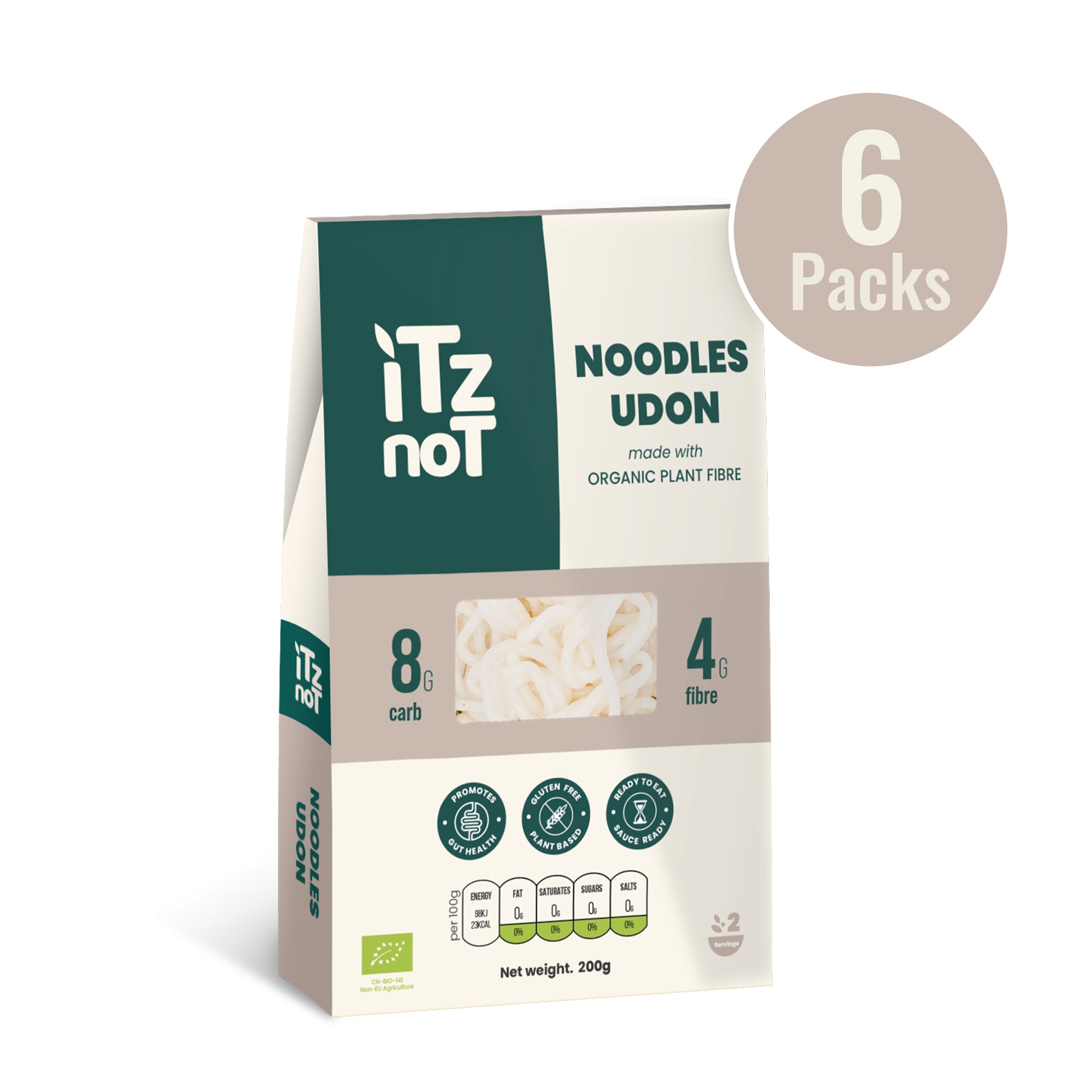
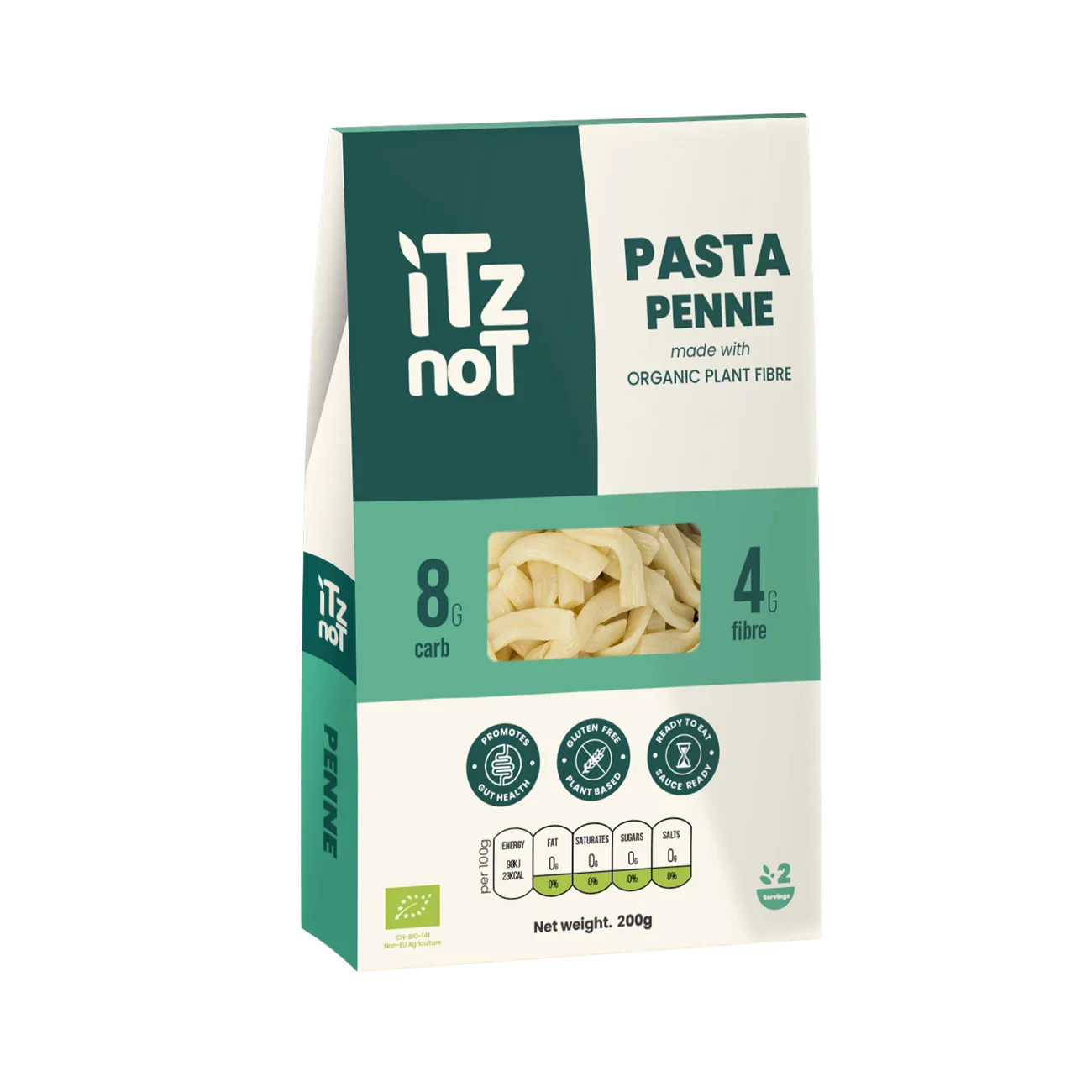
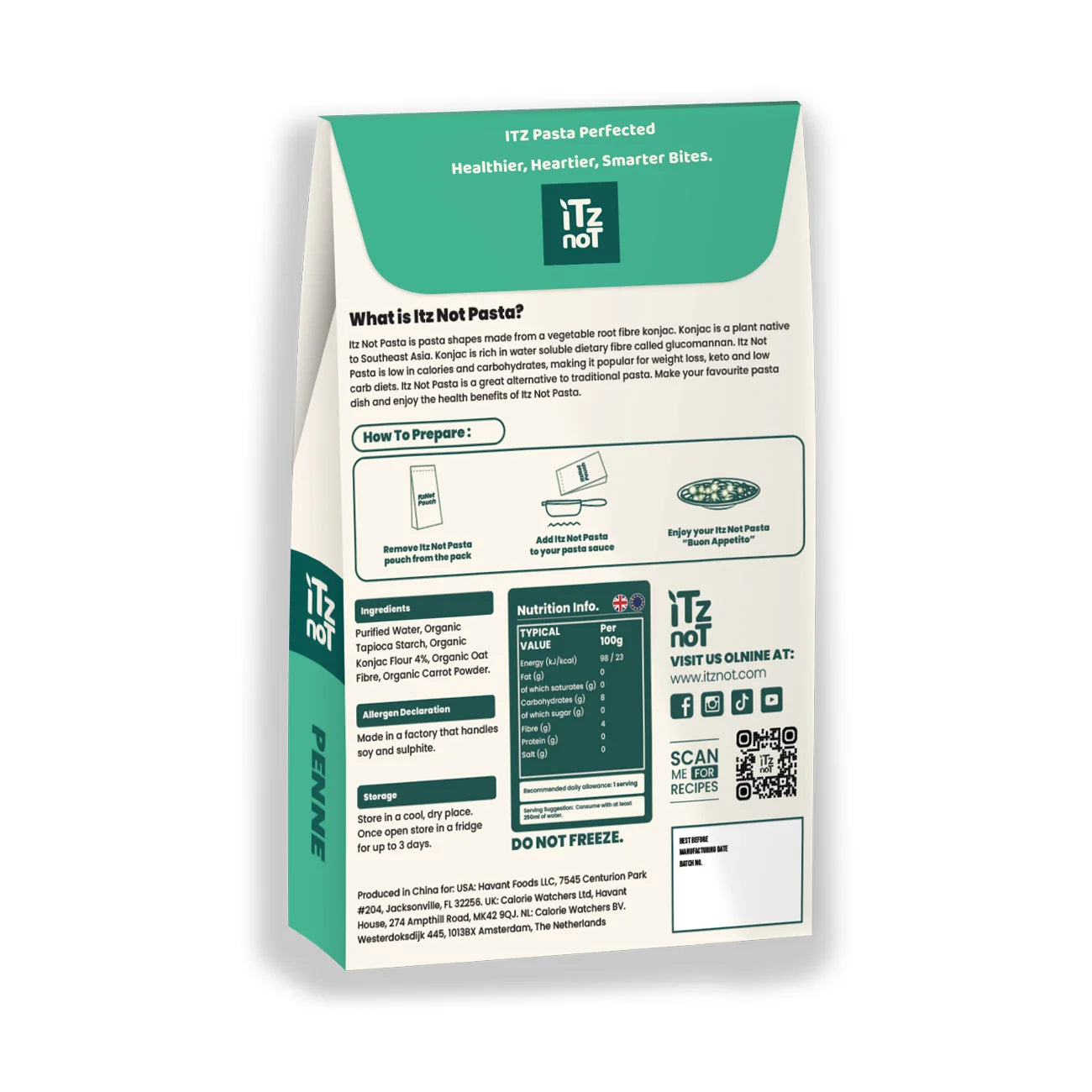
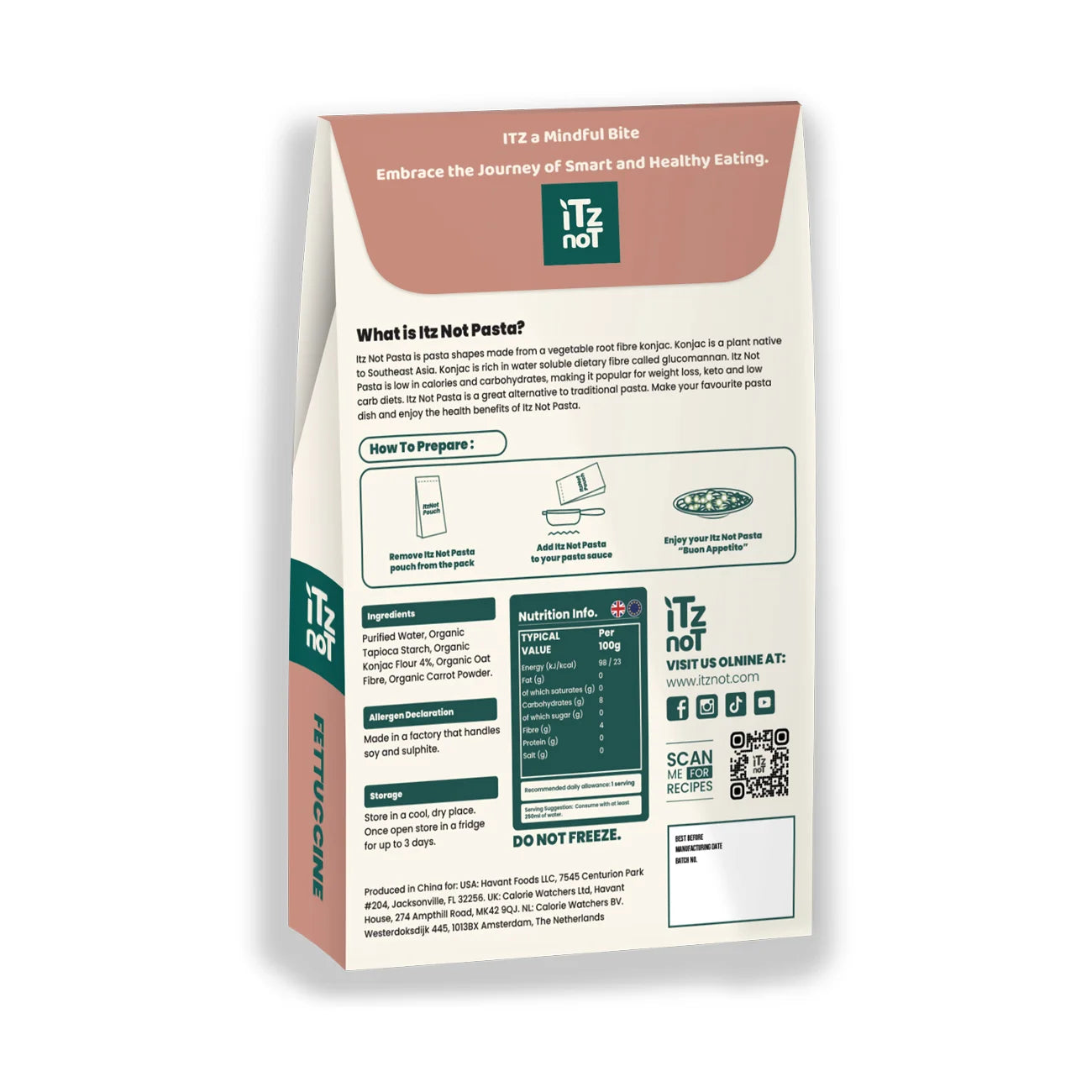
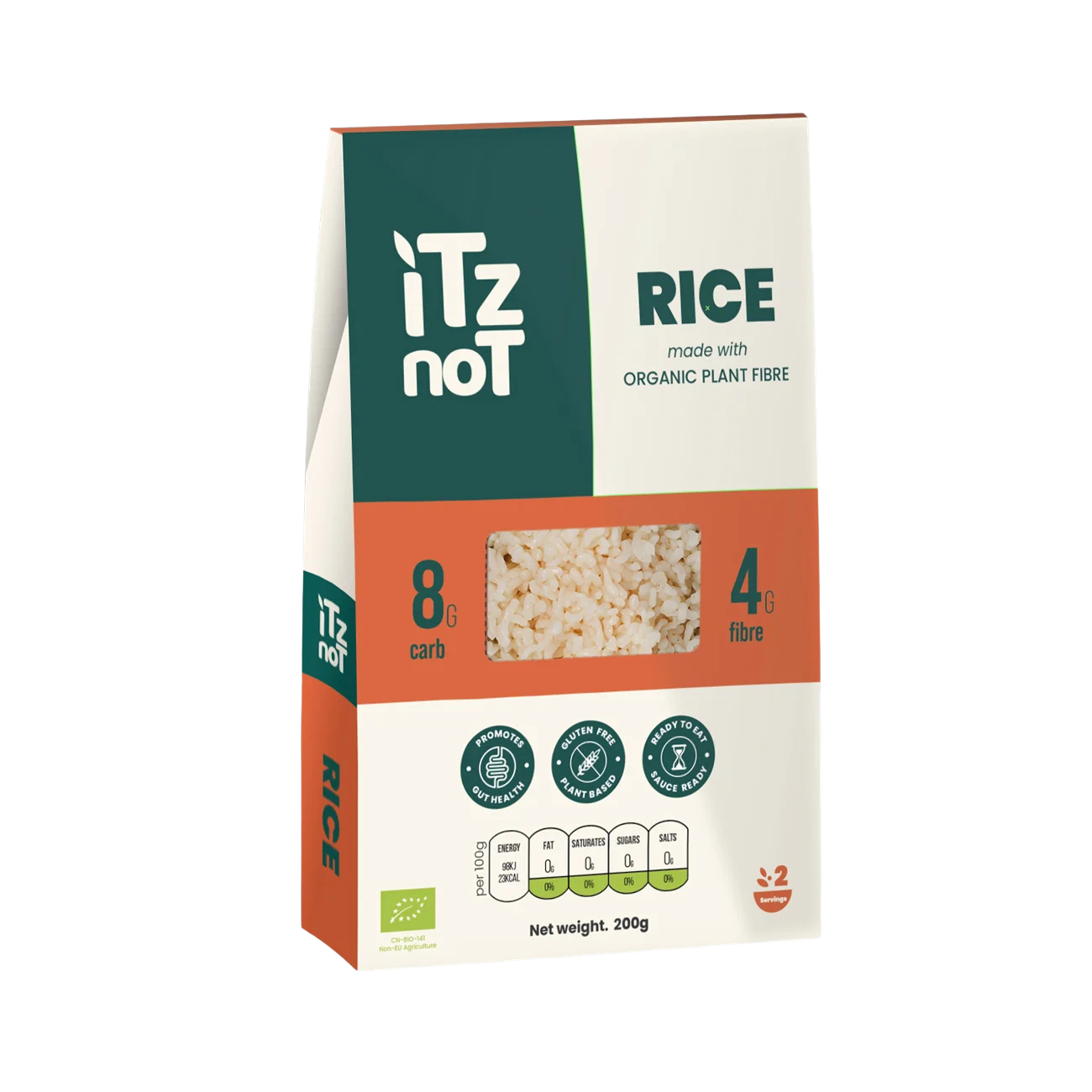
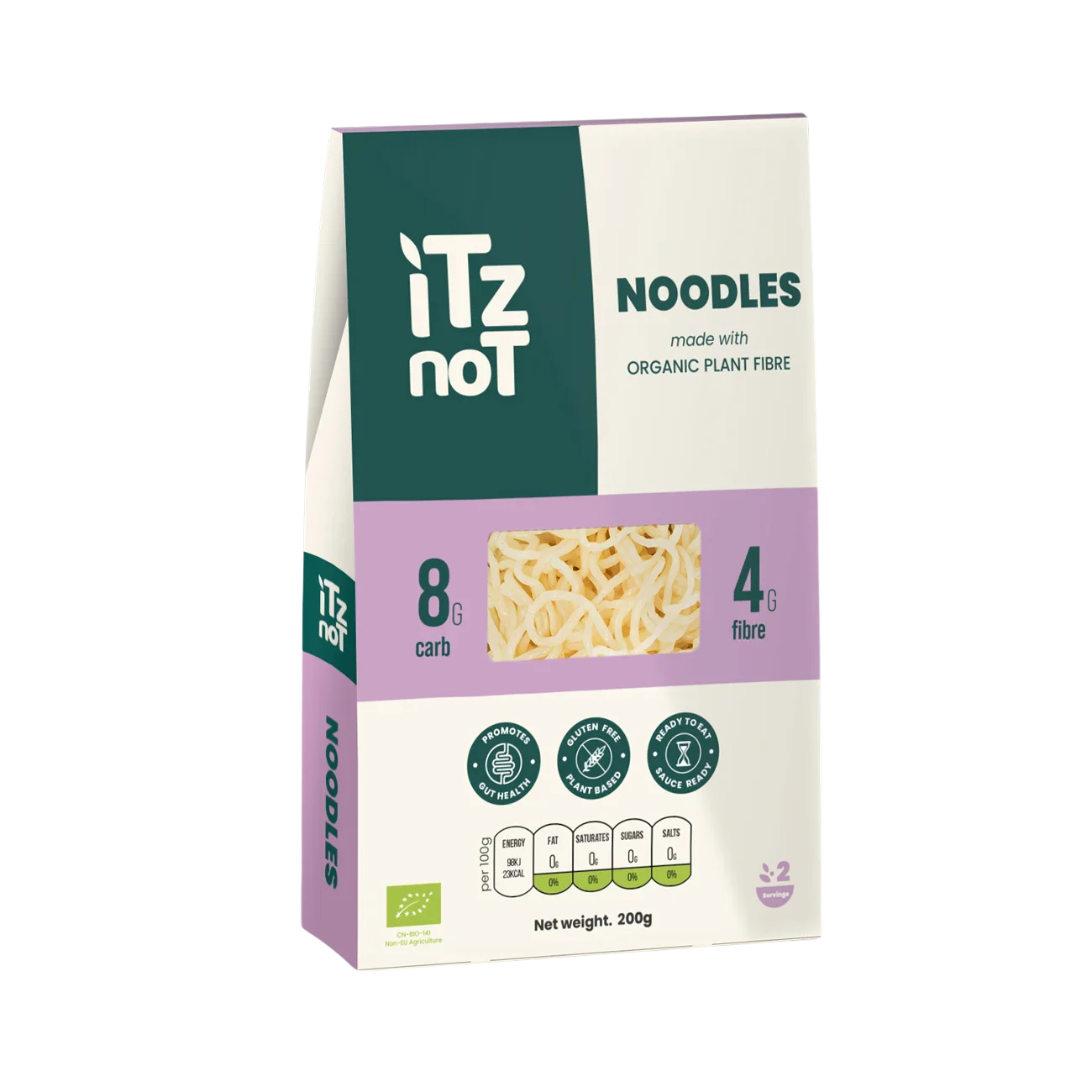
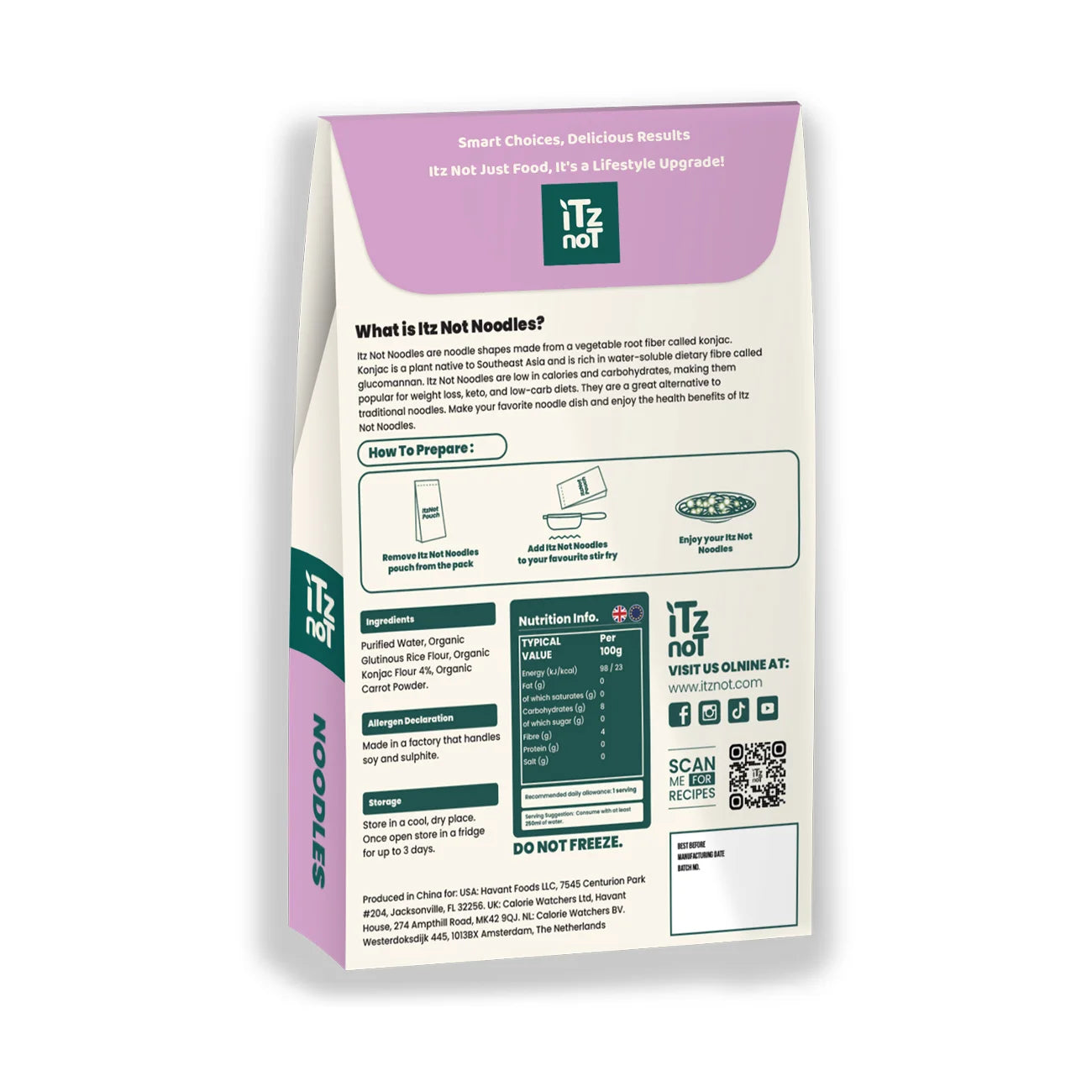
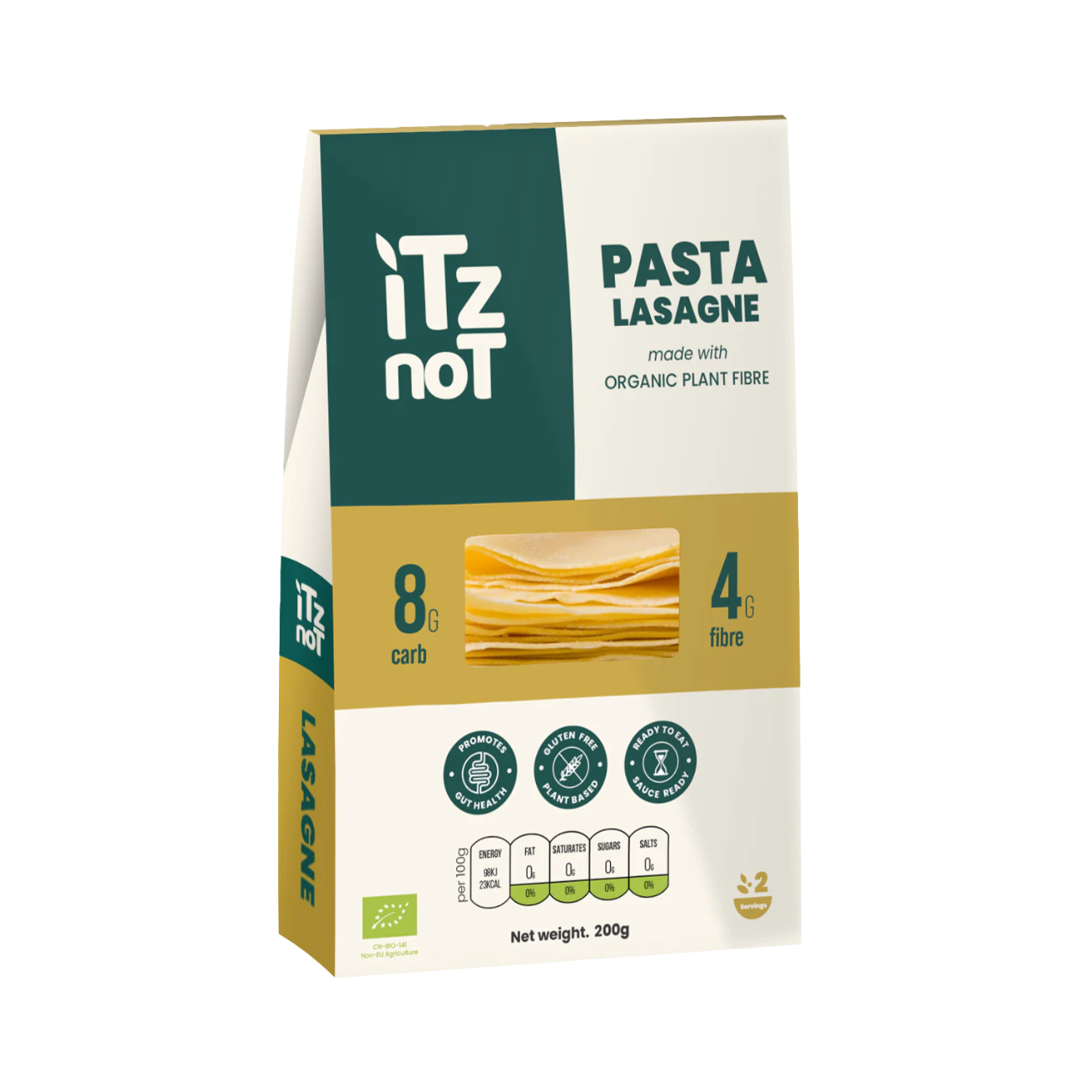
Konjac-based foods
GLP-1-friendly meals prefer smaller, balanced meals rather than very large portions.
A plate can include:
A source of protein
Non-starchy vegetables
A moderate portion of carbohydrates
Healthy fats in sensible amounts
Because appetite may be reduced for some individuals, meals should ideally provide meaningful nutrition without relying heavily on empty calories.
Nutrient-dense ingredients include:
Leafy greens
Vegetables
Nuts and seeds
Eggs
Legumes
Fermented dairy products
Whole-food carbohydrate sources
Heavily fried or overly rich meals feel less comfortable while following GLP-1-focused eating patterns. Meals that are lighter, balanced and rich in protein and fibre may feel easier to tolerate while still providing flavour and satisfaction.
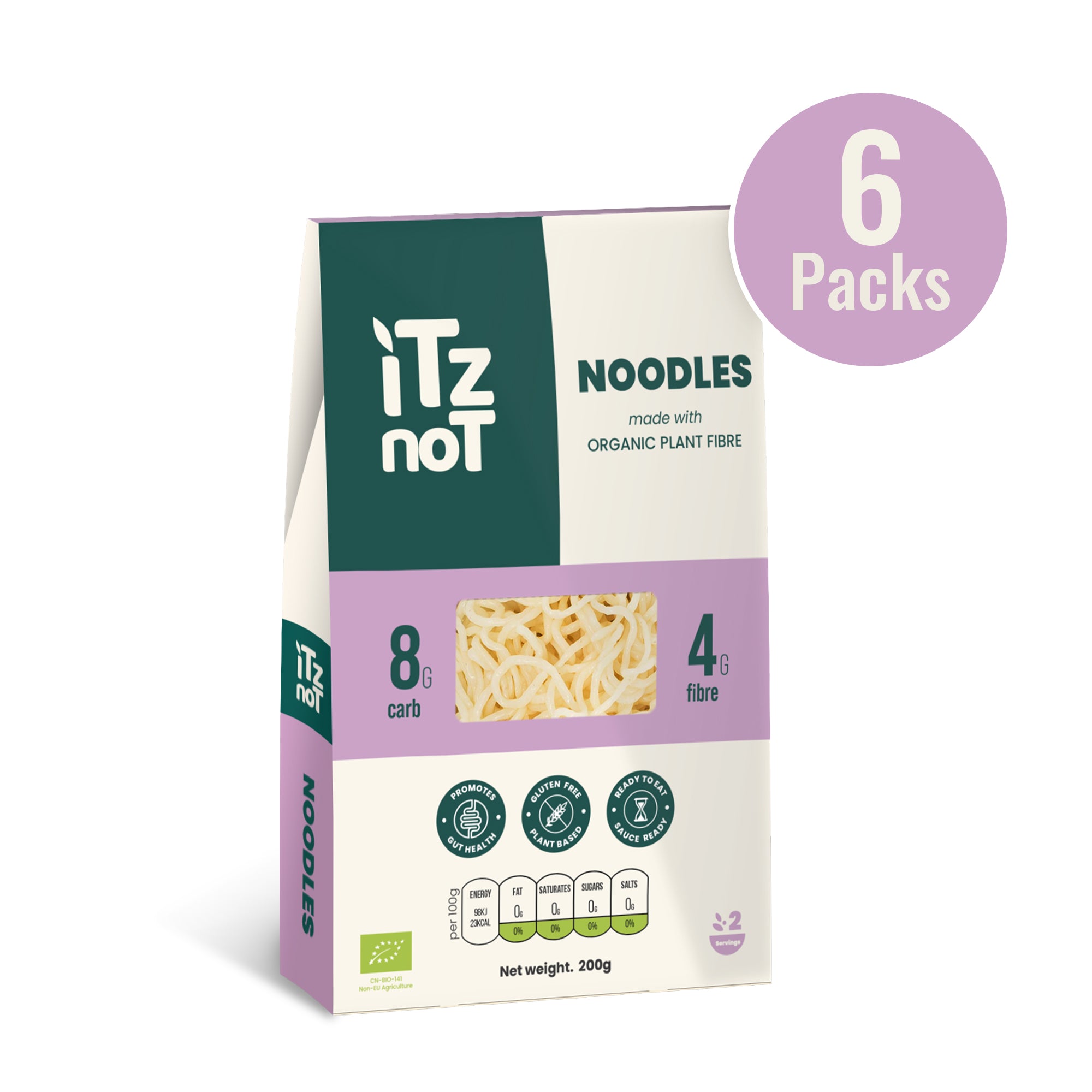
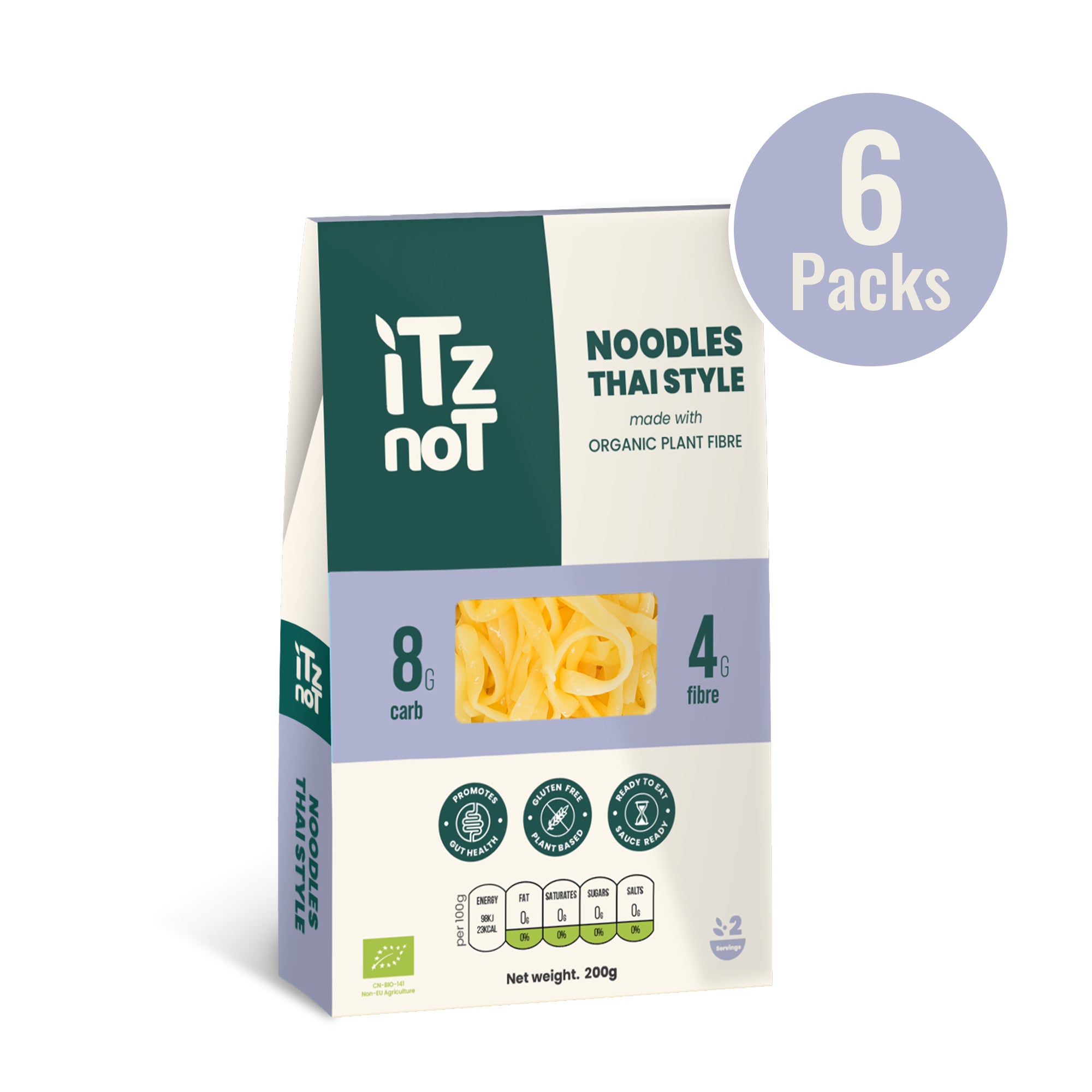
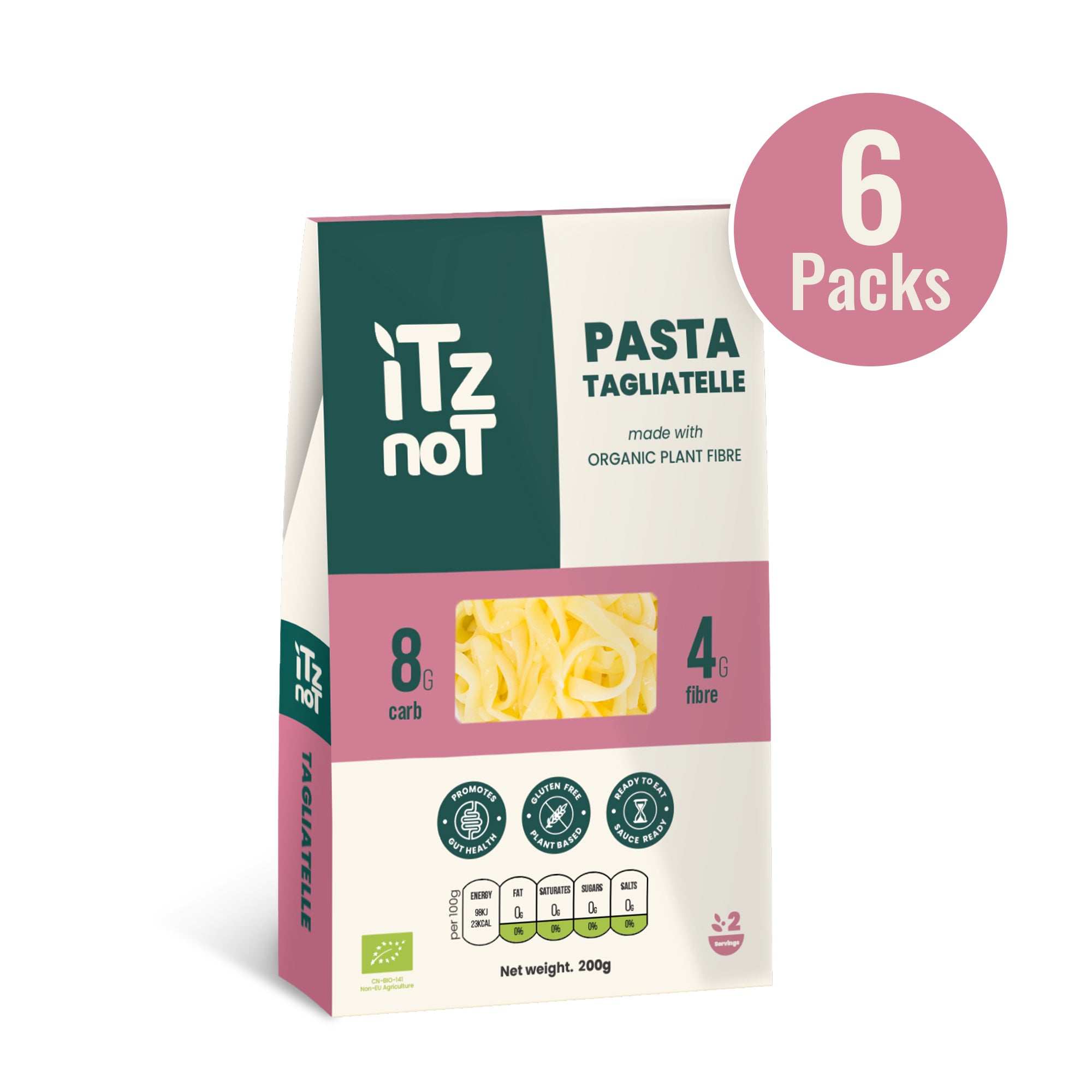
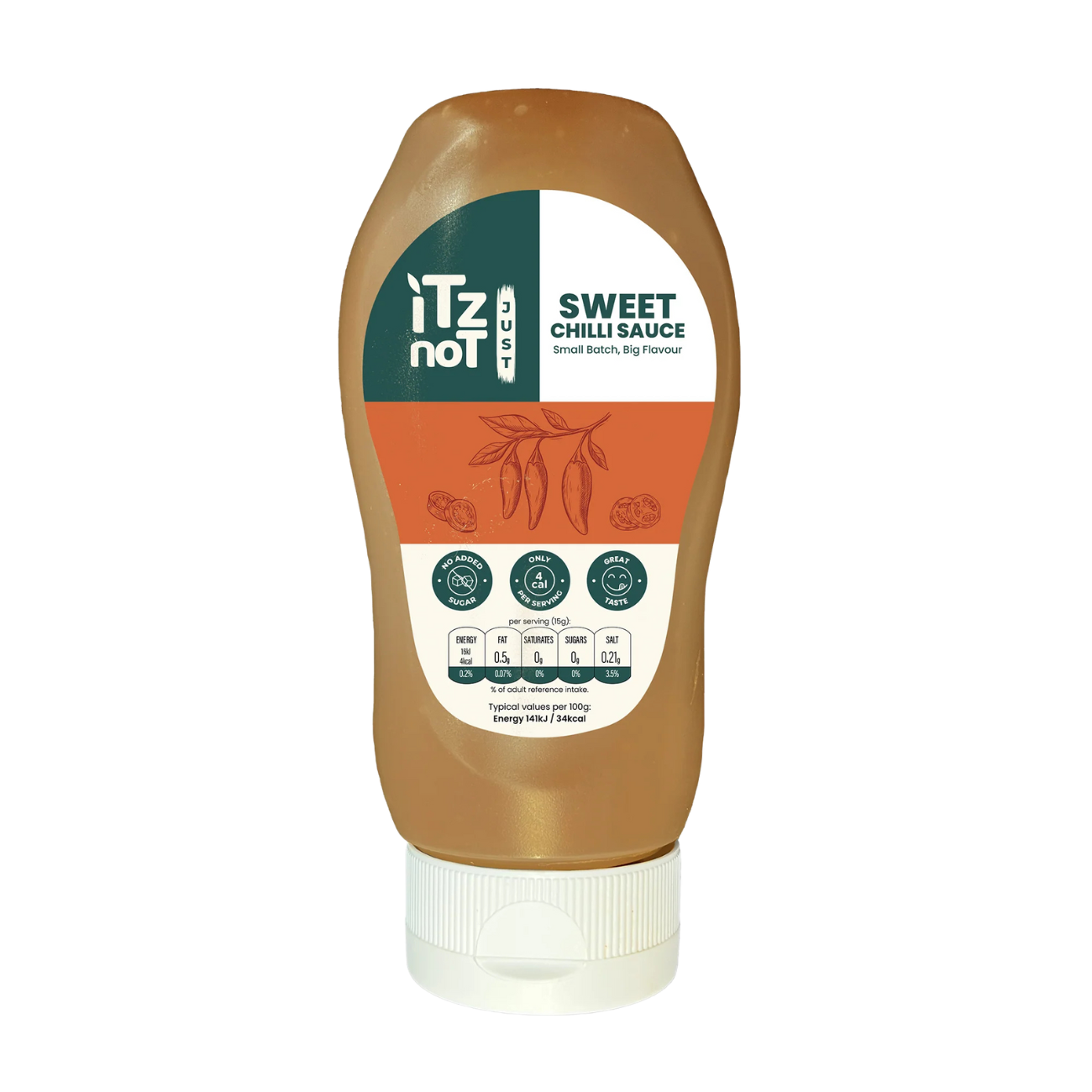
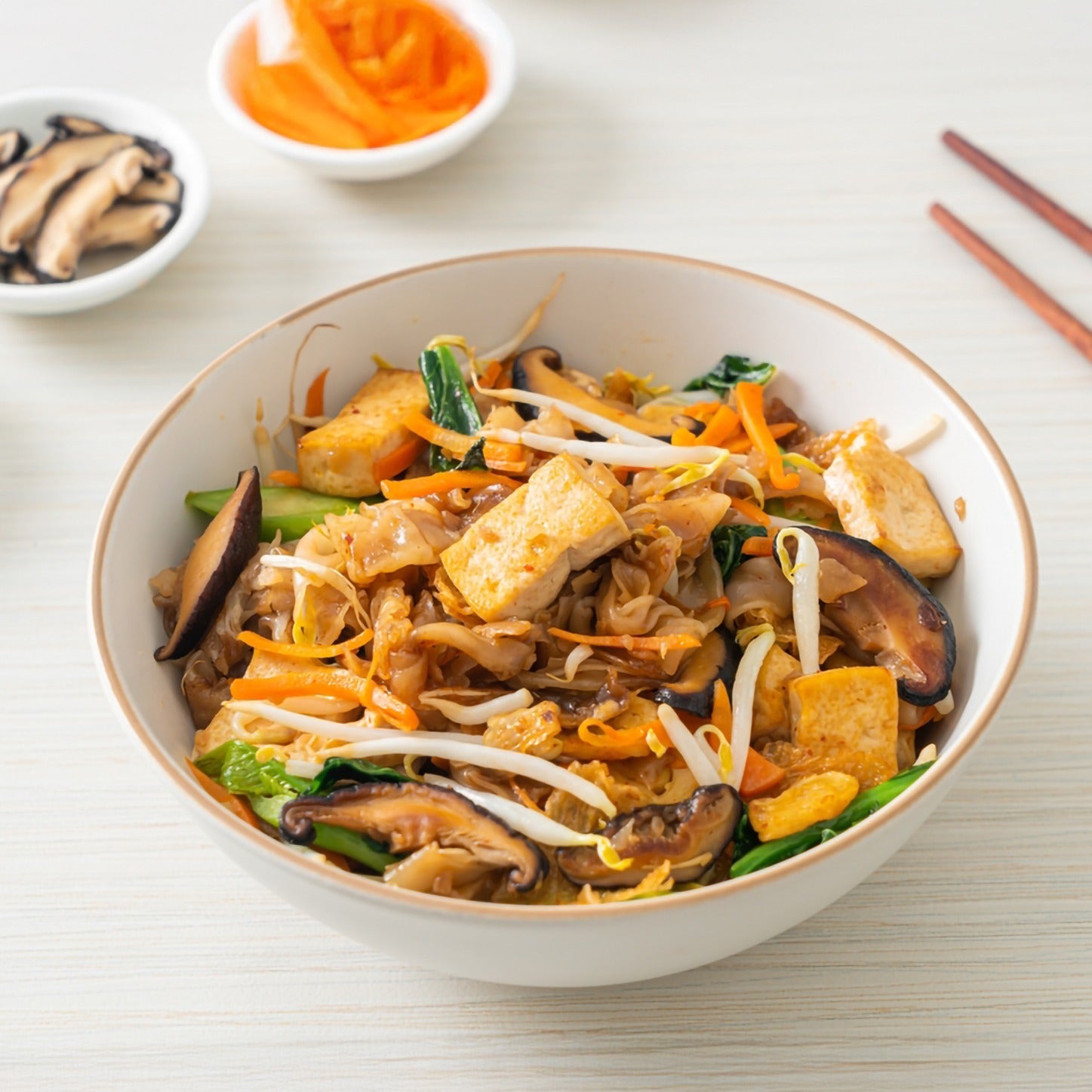
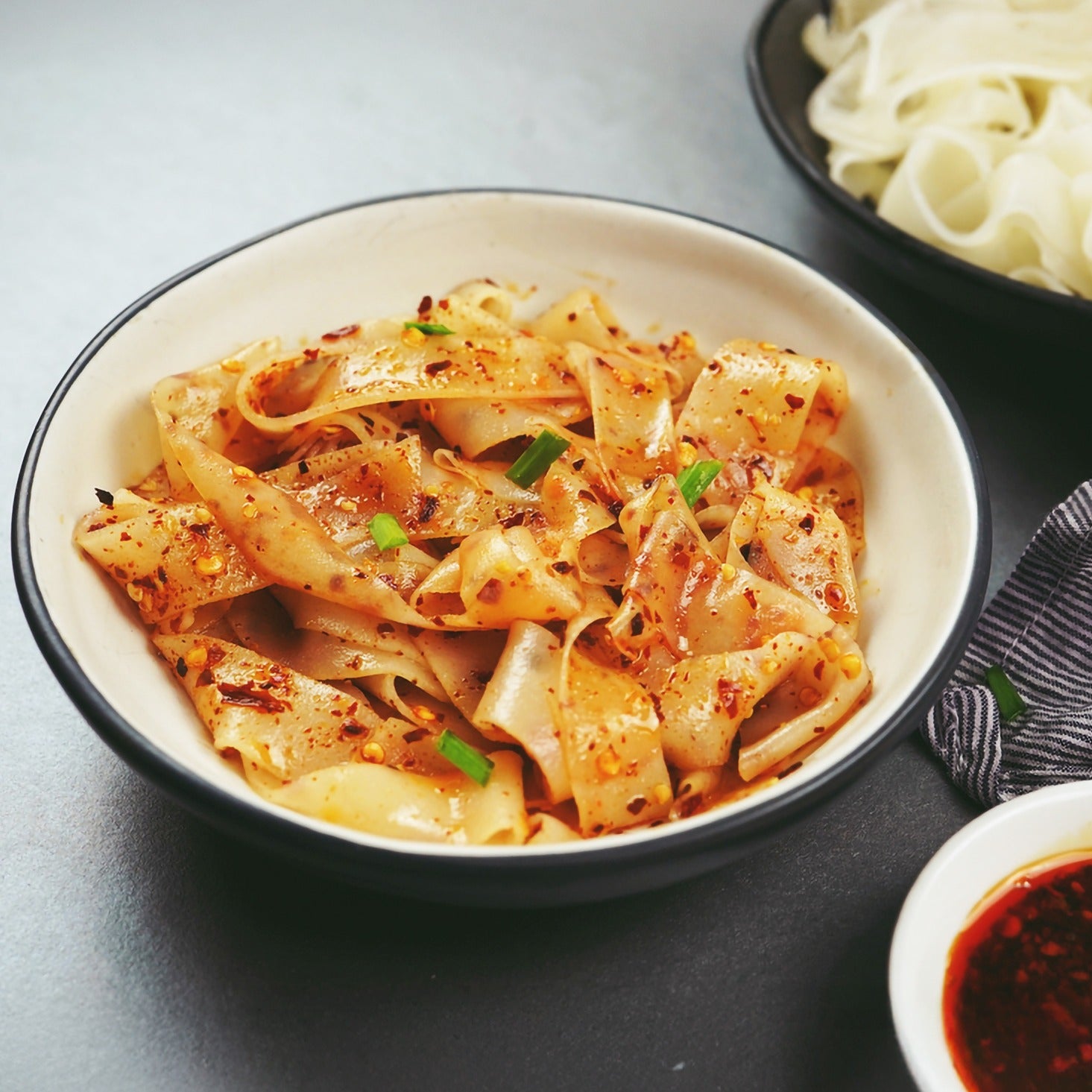
Meals built around vegetables, lean protein and portion-conscious noodle alternatives can offer a balance between comfort and nutrition. Dishes inspired by familiar takeaway-style flavours, such as spicy garlic noodles, teriyaki-inspired bowls or lighter chow mein-style meals, may feel more manageable when prepared with balanced ingredients and sensible portions.
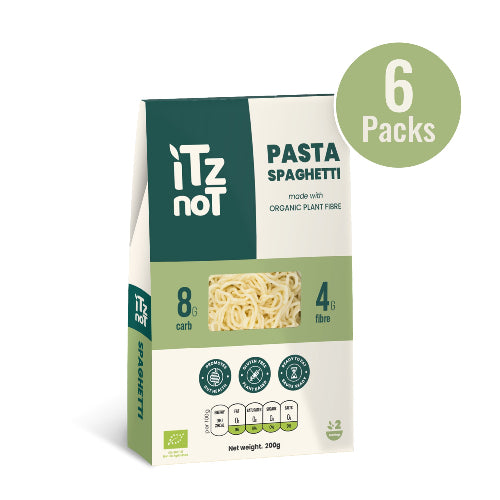
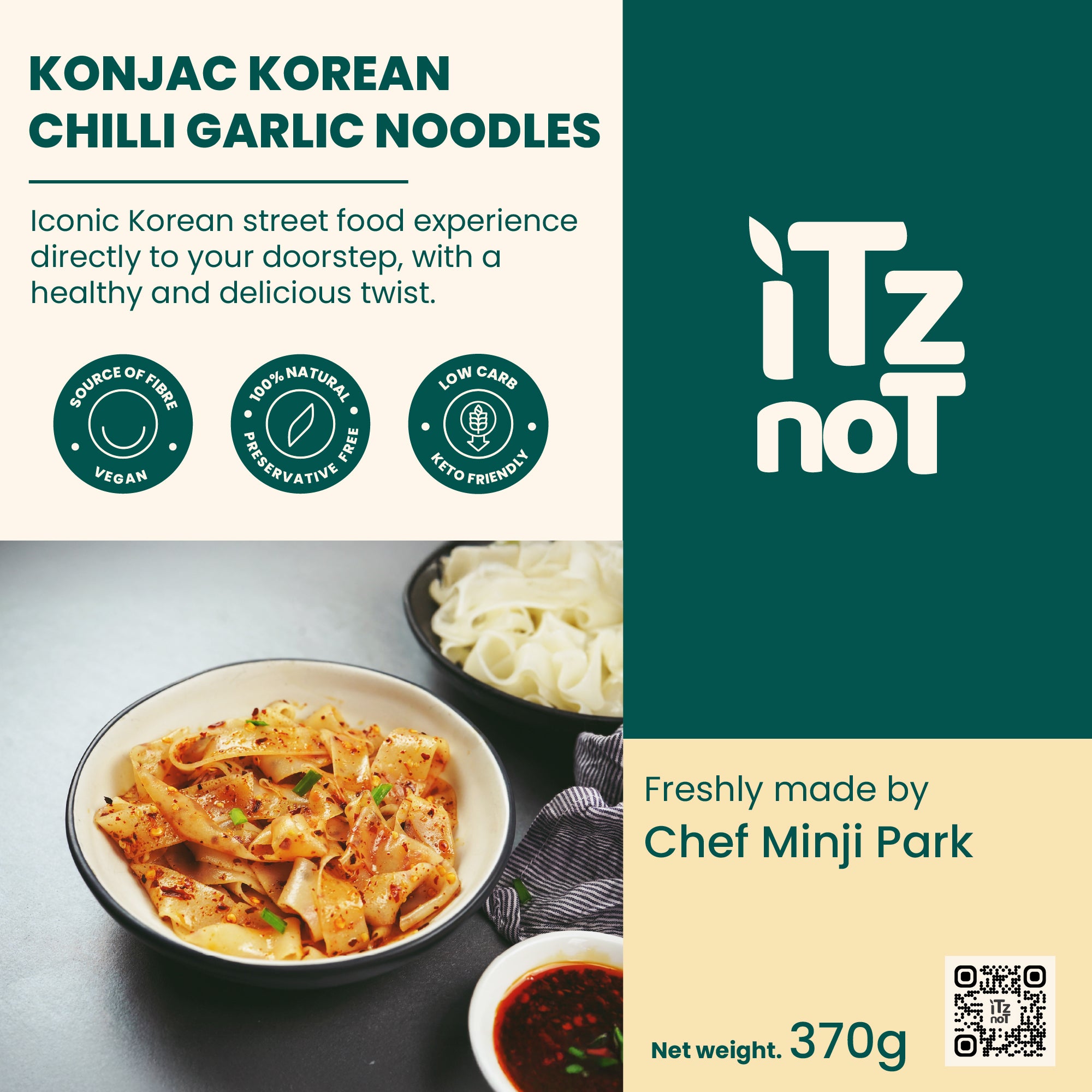
Options such as Mapo Tofu Noodles or Konjac Chow Mein can fit naturally into a balanced meal plan when paired with vegetables or an additional protein source. Similarly, meals inspired by globally influenced flavours, including Japanese Teriyaki or Korean Chilli Garlic Noodles appeal to people looking for flavourful meals without relying on excessively heavy sauces or oversized portions.
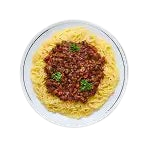
For those seeking convenient savoury GLP-1 Friendly meal ideas, options such as Chick’n Biryani or Spaghetti Bolognese can also work as part of a varied eating pattern centred around balance, fibre and protein.
Are GLP-1-friendly meals only for people using medication?
No. Many of the principles associated with GLP-1-friendly eating, such as prioritising protein, fibre and balanced meals, can support general healthy eating habits.
Can certain foods naturally increase GLP-1?
Some nutrients, including protein and fibre, are associated with natural satiety and digestive hormone responses. However, foods should not be presented as equivalent to prescription GLP-1 medications.
Are konjac noodles suitable for GLP-1-friendly meals?
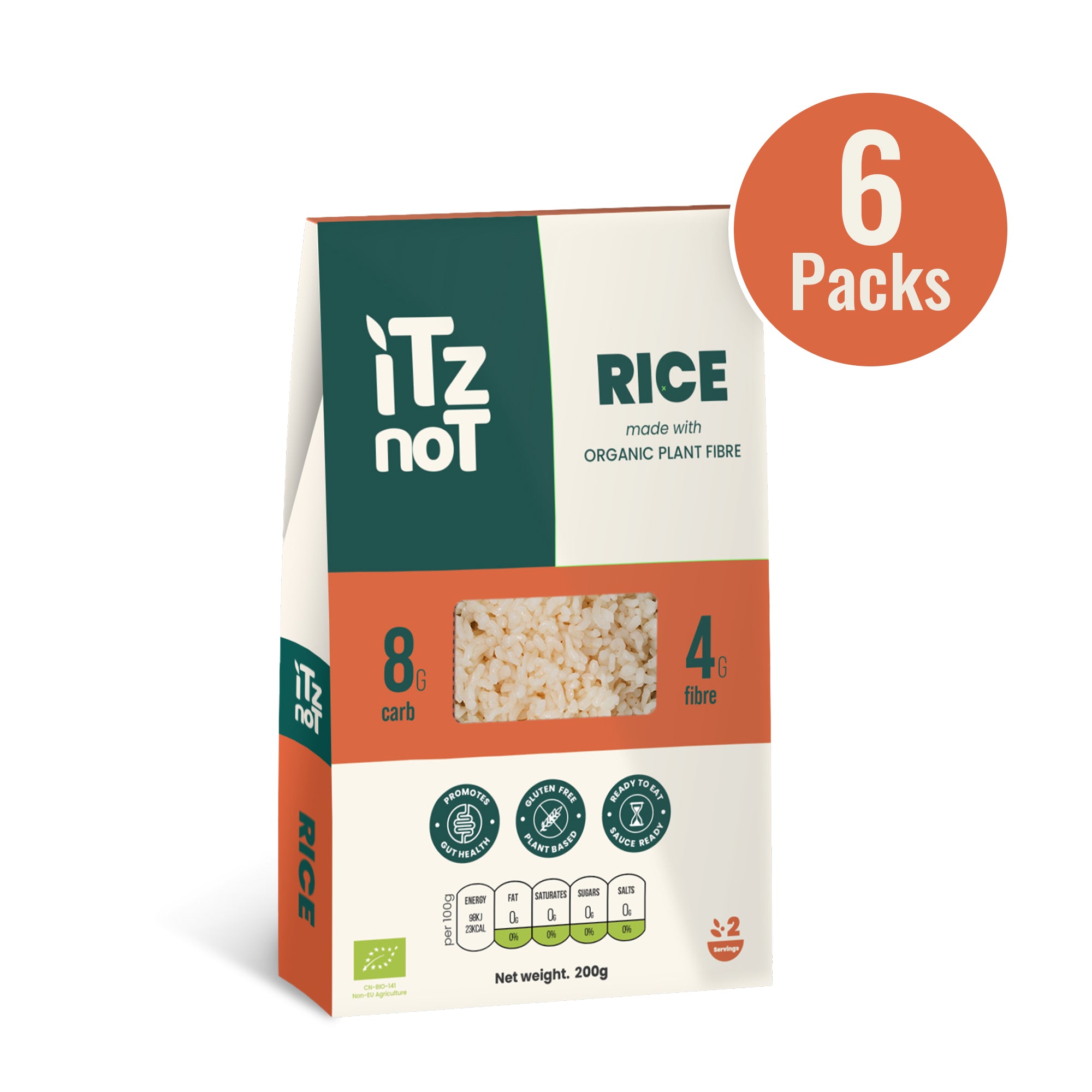
Konjac noodles are commonly used in lighter meal plans because they are low in calories and contain fibre. They can work well when combined with protein, vegetables, and flavourful sauces.
What foods are commonly avoided in GLP-1-friendly meal plans?
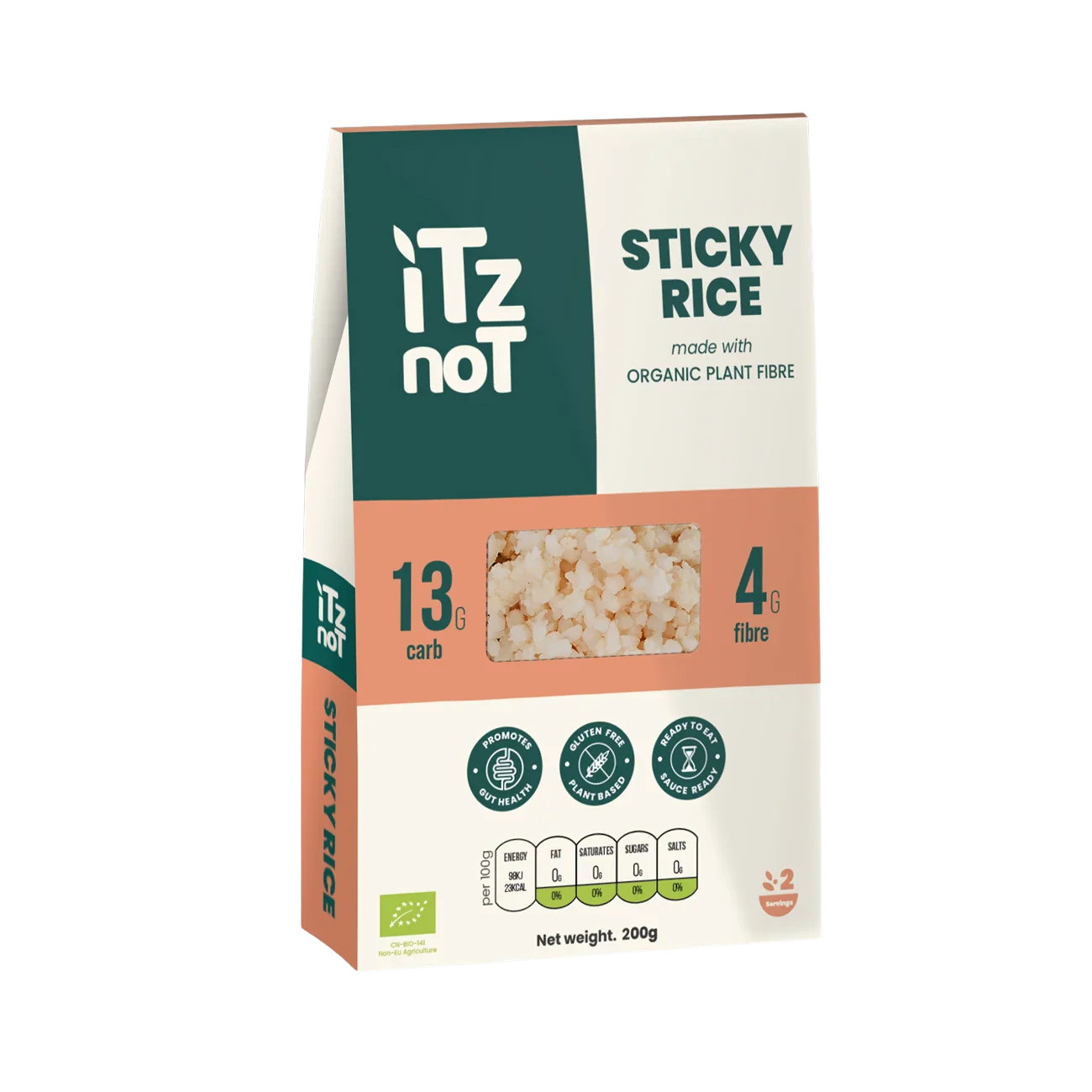
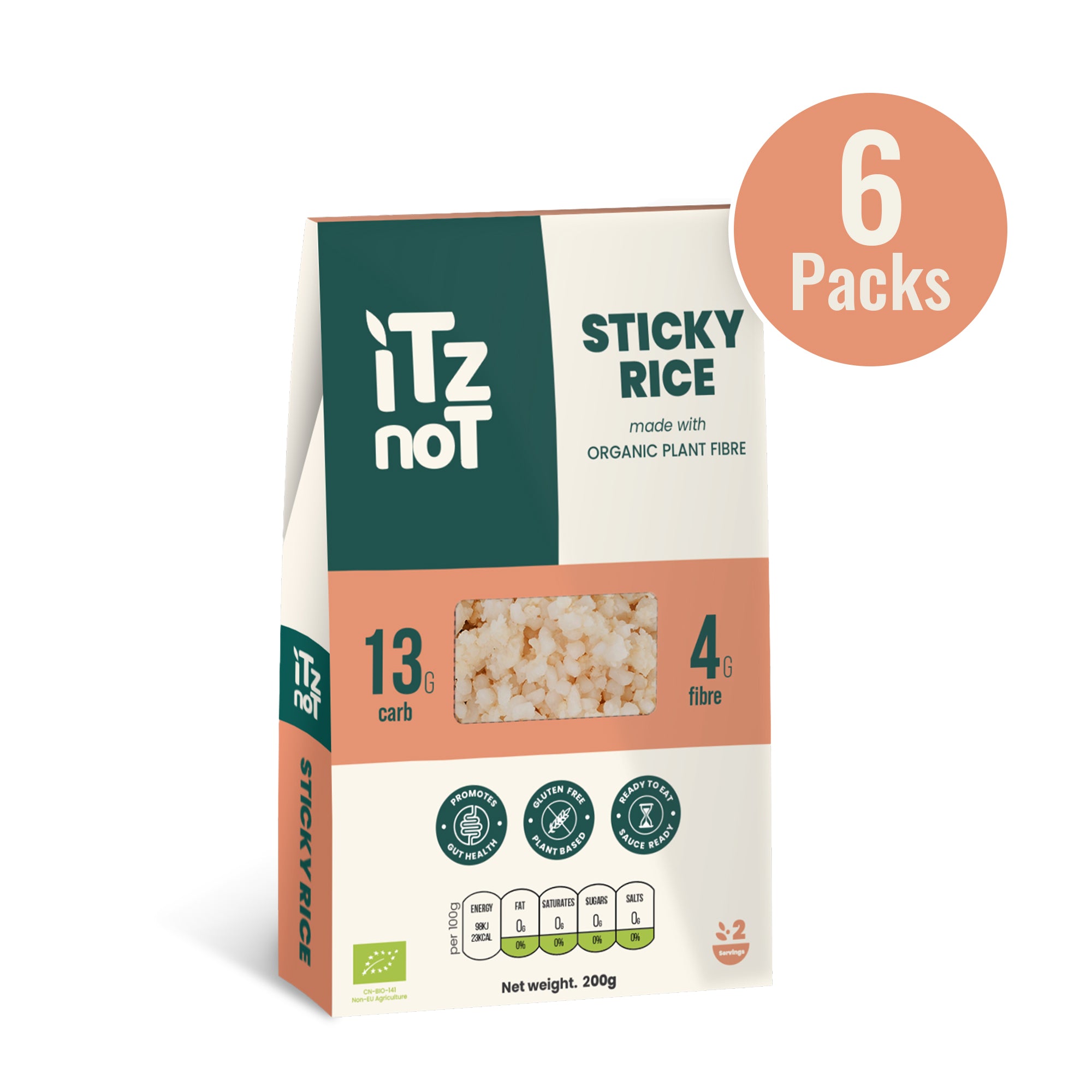
Commonly limited food items include sugary drinks, sweets and desserts, and refined carbohydrates such as white bread and white rice. They also include heavily processed snacks, fried or high-fat meals, and very spicy foods.
How does the GLP-1 diet support weight management?
It may help increase fullness, reduce overeating, and support healthy weight control.
Can the GLP-1 diet help regulate blood sugar?
Yes, it focuses on balanced foods that may help maintain steadier blood sugar levels.
Does the GLP-1 diet support metabolic health?
The diet includes fibre, protein, and healthy fats that support normal metabolism and energy balance.
Is the GLP-1 diet beneficial for heart health?
It encourages whole foods and healthy fats that may support healthy cholesterol levels and cardiovascular health.

Price :
QTY :
CART TOTALS :
There are items
in your cart
CART TOTALS :